
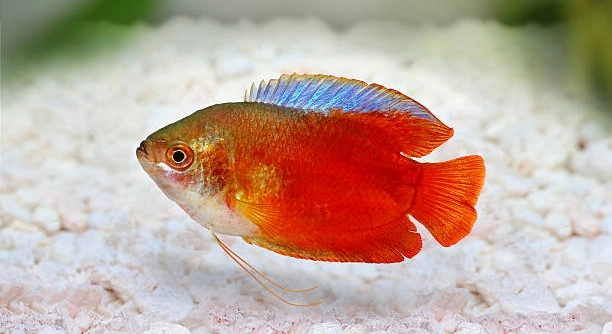
Do your gouramis seem less active than usual or display unusual swimming patterns in their tank? Emotional stress can quietly affect their behavior, appearance, and overall health, making it important for owners to recognize early warning signs.
Emotional stress in gouramis manifests through changes in swimming behavior, appetite, coloration, and social interactions. Identifying these signs early allows for timely adjustments in their environment, reducing the risk of long-term health issues and ensuring their well-being.
Recognizing these subtle behaviors can help maintain a calm, healthy environment for your gouramis and prevent stress from escalating into serious health concerns.
Changes in Swimming Patterns
Gouramis under emotional stress often display noticeable changes in their swimming. They may hover near the surface, dart frantically, or stay hidden for long periods. Some may swim erratically, bumping into decorations or the tank glass, while others appear listless, barely moving. These behaviors are not just random; they are signs that your fish is experiencing discomfort or anxiety. Stress can be triggered by overcrowding, poor water quality, or sudden changes in their environment. Observing your gouramis daily helps detect these subtle cues early. By paying attention to how they navigate their tank, you can adjust conditions to make them feel more secure. Reducing stressors promptly improves their overall health, encourages regular feeding, and maintains normal social interactions. Swimming patterns are often the first indicator that something is amiss, making it critical to act before more severe health issues develop. Consistency in water temperature, filtration, and hiding spaces can significantly reduce stress.
These swimming changes often indicate emotional stress before other physical signs appear. Quick adjustments can prevent further health complications.
Tracking movement patterns closely allows you to intervene early. Offering plants, hiding spots, and stable conditions helps gouramis regain calm, supporting their mental and physical health over time.
Loss of Appetite
Stress can cause gouramis to eat less or ignore food altogether. A sudden drop in appetite is a clear signal that something is affecting their comfort or well-being.
Emotional stress suppresses normal feeding behaviors, as the fish’s energy may be redirected toward coping with anxiety. This can weaken their immune system, making them more prone to illness. Gouramis might nibble sporadically or completely refuse food for several days. Environmental factors, such as aggressive tank mates, loud noises, or poor water quality, can trigger this response. In some cases, illness can accompany stress, so careful observation is necessary. Monitoring their eating habits daily allows you to detect problems quickly. Offering a variety of foods, feeding smaller portions, and maintaining a stable tank environment can encourage normal feeding. Addressing stress early restores appetite, supports healthy growth, and prevents nutritional deficiencies. Over time, a consistent feeding routine and stress-free surroundings help gouramis regain energy and display natural, active behaviors, ensuring long-term vitality.
Faded or Dull Coloration
Stress often causes gouramis’ colors to fade or appear dull. Healthy fish display vibrant shades, while stressed individuals may look washed out, losing the brightness that normally defines their appearance.
Emotional stress impacts the pigmentation of gouramis, making colors less vivid. This can result from poor water quality, sudden temperature changes, or conflicts with tank mates. Faded coloration is often accompanied by lethargy, reduced movement, or hiding. Stress hormones affect overall physiology, reducing the ability to display natural colors. Regular observation of their coloration helps identify early signs of discomfort. Maintaining consistent water parameters, a balanced diet, and minimal disturbances can restore vibrancy and prevent prolonged stress, ensuring fish retain their natural beauty.
Consistent monitoring and environmental adjustments are crucial. By providing stable conditions, adequate nutrition, and calm surroundings, gouramis can regain healthy coloration and maintain normal, confident behavior.
Aggressive or Withdrawn Behavior
Gouramis under stress may act unusually aggressive or become withdrawn. Social interactions change, with some fish chasing others or avoiding contact entirely.
Behavioral shifts are common in stressed gouramis, affecting their interactions with tank mates. Aggression can manifest as chasing, nipping, or guarding territories, while withdrawal often involves hiding in corners or plants. Both extremes indicate discomfort or anxiety. Environmental factors, including overcrowding, incompatible species, or sudden disruptions, can trigger these changes. Stress can weaken their immune system, making them more susceptible to disease. Regularly observing their interactions helps detect issues early. Adjusting tank setup, providing sufficient hiding spaces, and minimizing disturbances can reduce stress and restore normal social behavior. Over time, consistent care and attention encourage calmer, more balanced interactions among gouramis, promoting a healthy and harmonious tank environment.
Rapid Gill Movement
Rapid gill movement is a common stress indicator in gouramis. It often signals difficulty breathing, discomfort, or heightened anxiety due to environmental factors or poor water quality.
This behavior can appear alongside lethargy or hiding. Monitoring water oxygen levels, temperature, and cleanliness is essential to prevent prolonged stress and maintain healthy respiration.
Clamped Fins
Clamped fins are a visible sign that gouramis are stressed or unwell. Fins held tightly against the body reduce mobility and indicate discomfort.
This behavior can result from water quality issues, tank aggression, or sudden changes in the environment. Observing fin posture daily allows early intervention.
Excessive Hiding
Stressed gouramis often spend long periods hiding. This withdrawal helps them feel safer but indicates they are uncomfortable in their surroundings.
Providing plants, caves, and calm areas encourages a sense of security. Reducing sudden disturbances helps gouramis regain confidence and return to normal activity levels.
FAQ
How can I tell if my gourami is stressed?
Signs of stress in gouramis include changes in swimming patterns, faded coloration, clamped fins, loss of appetite, rapid gill movement, excessive hiding, and unusual aggression or withdrawal. Observing these behaviors daily helps identify stress early before it impacts their health.
What causes emotional stress in gouramis?
Stress can result from poor water quality, sudden temperature changes, overcrowding, aggressive tank mates, or a lack of hiding spaces. Even minor disturbances, such as frequent tapping on the tank or sudden movements near the aquarium, can trigger anxiety in gouramis.
Can diet affect my gourami’s stress levels?
Yes, a poor or inconsistent diet can contribute to stress. Providing a balanced diet with high-quality flakes, pellets, and occasional live or frozen foods supports both physical health and mental well-being, reducing the likelihood of stress-related behaviors.
How often should I check water parameters?
Daily observation is recommended, but measuring pH, ammonia, nitrite, nitrate, and temperature at least twice a week ensures stable conditions. Stable water parameters are critical for reducing stress and preventing illness in gouramis.
Will adding plants help reduce stress?
Yes, plants and hiding spots give gouramis safe areas to retreat when feeling anxious. Floating plants, dense foliage, and small caves mimic their natural environment and help them feel secure, minimizing signs of emotional stress.
How can I reduce aggression in a gourami tank?
Limit overcrowding and avoid mixing aggressive species. Provide enough space, separate hiding spots, and rearrange decorations to disrupt established territories. These measures help calm gouramis and reduce conflict, supporting healthier social interactions.
Should I isolate a stressed gourami?
Isolation is only necessary if a gourami is being bullied or injured by tank mates. Otherwise, it is better to adjust the environment to reduce stress while keeping the fish in the community tank to maintain social behavior.
How long does it take for a stressed gourami to recover?
Recovery time varies depending on the severity of stress and environmental improvements. With proper care, including stable water conditions, hiding spaces, and a nutritious diet, most gouramis begin showing positive changes in behavior within a few days to a couple of weeks.
Can stress lead to disease?
Yes, chronic stress weakens the immune system, making gouramis more vulnerable to infections and parasites. Early detection and management of stress are essential to prevent illness and maintain overall health.
What is the best routine to prevent stress in gouramis?
Maintain stable water parameters, provide a balanced diet, avoid overcrowding, and include plants or hiding spots. Observe behavior daily and minimize disturbances. Consistent care and attention create a calm environment that reduces stress and encourages healthy activity.
Can lighting affect stress levels?
Yes, excessively bright or fluctuating lighting can cause stress. Providing a natural light cycle with moderate intensity and shaded areas helps gouramis feel secure and promotes regular activity and feeding behaviors.
Are temperature changes harmful to gouramis?
Sudden or extreme temperature changes can trigger stress and weaken the immune system. Keeping water temperature consistent, ideally between 24–28°C (75–82°F), ensures a stable environment and reduces anxiety.
How do I know if my gourami is hiding because of stress or illness?
Observe additional signs such as clamped fins, rapid gill movement, loss of appetite, or faded coloration. Hiding combined with these symptoms usually indicates stress or illness, requiring environmental adjustments or medical attention.
Can social hierarchy cause stress?
Yes, dominant gouramis may intimidate others, causing weaker fish to hide or stop eating. Rearranging decorations, adding more hiding spots, or temporarily separating aggressive individuals can alleviate stress and restore balance in the tank.
Is it normal for gouramis to be shy?
Some species are naturally more reserved, but excessive hiding, loss of appetite, and faded coloration suggest emotional stress rather than normal shyness. Monitoring their overall health and behavior helps determine if intervention is needed.
How important is tank maintenance in reducing stress?
Regular cleaning, water changes, and filter maintenance prevent harmful buildup of toxins, which can induce stress. A clean, stable environment is essential for the physical and emotional well-being of gouramis.
Can music or background noise affect gouramis?
Loud or continuous vibrations from music, television, or household activity can increase stress levels. Minimizing noise near the tank and providing a calm environment supports healthier behavior and reduces anxiety.
Do gouramis recover completely from stress?
Yes, with consistent care, most gouramis can fully recover. Adjusting water quality, tank setup, diet, and minimizing disturbances restores natural behavior, coloration, and appetite over time.
Are there signs that stress is severe?
Severe stress is indicated by persistent lethargy, refusal to eat, rapid breathing, constant hiding, and visible injuries from aggression. Immediate intervention is necessary to prevent illness or death.
Can seasonal changes affect gourami stress?
Yes, sudden changes in room temperature, lighting, or water conditions due to seasonal shifts can trigger stress. Maintaining consistent tank conditions throughout the year helps gouramis stay healthy and calm.
What is the most effective way to monitor stress over time?
Keep a daily log of behavior, appetite, swimming patterns, and coloration. Noting changes allows early detection of stress and guides adjustments to the tank environment, ensuring long-term health and stability.
How can I safely adjust tank conditions to reduce stress?
Make changes gradually, including temperature, water chemistry, and decorations. Sudden alterations can worsen stress. Gradual improvements, combined with careful observation, help gouramis adapt smoothly and regain confidence.
Is it normal for gouramis to show multiple stress signs simultaneously?
Yes, stress often affects behavior, appearance, and appetite at the same time. Recognizing multiple indicators early allows targeted intervention, improving recovery and preventing long-term health issues.
How do I differentiate stress from disease?
Stress may cause behavioral changes like hiding or clamped fins, while disease often presents physical symptoms such as lesions, white spots, or bloating. Observing both behavior and physical signs helps determine the correct response.
Can tank mates influence stress levels?
Yes, incompatible or aggressive tank mates can increase anxiety and trigger stress behaviors. Careful selection and observation of social dynamics are essential for maintaining a harmonious tank environment.
Are there preventative measures for stress in gouramis?
Provide a stable, clean environment, a nutritious diet, adequate space, hiding spots, and compatible tank mates. Regular observation and minimal disturbances prevent stress before it develops, supporting overall health and longevity.
Does tank size matter for emotional stress?
Insufficient space limits movement and can lead to conflicts, increasing stress. Ensuring an appropriately sized tank with proper decorations and swimming areas reduces anxiety and promotes normal behavior.
Can stress affect breeding in gouramis?
Yes, stressed gouramis may stop breeding or show reduced interest in mating. Maintaining a calm environment, optimal water conditions, and adequate nutrition supports reproductive behavior and overall well-being.
How often should I observe my gouramis to detect stress?
Daily observation is ideal. Watching swimming patterns, feeding behavior, interactions, and coloration helps identify early signs of stress and allows for timely adjustments to the tank environment.
What role does water filtration play in stress management?
Efficient filtration removes toxins and maintains water clarity, reducing stress caused by poor water quality. Regular cleaning and maintenance of the filter ensure a stable, healthy environment for gouramis.
Can stress affect the lifespan of gouramis?
Chronic stress weakens the immune system and increases vulnerability to disease, potentially shortening lifespan. Maintaining stable conditions, proper nutrition, and a calm environment supports longevity and overall health.
Are there signs that a gourami is fully recovered from stress?
Restored appetite, vibrant coloration, normal swimming patterns, active social interactions, and reduced hiding indicate recovery. Continued consistent care ensures long-term stability and well-being.
What immediate steps should I take if my gourami shows severe stress?
Check water quality, isolate aggressive tank mates if needed, provide hiding spots, and monitor diet. Gradually stabilize environmental factors to help the fish recover physically and emotionally.
Is it normal for stress signs to fluctuate daily?
Yes, minor fluctuations occur depending on tank conditions and social interactions. Persistent or worsening signs indicate ongoing stress that requires intervention.
Can stress in one gourami affect others in the tank?
Yes, stressed gouramis can influence the behavior of tank mates, increasing aggression or causing them to hide. Maintaining a calm environment benefits all fish in the aquarium.
How do I balance environmental enrichment without causing stress?
Provide plants, decorations, and hiding spots, but avoid overcrowding or sudden changes. Gradual adjustments and careful placement create a stimulating yet secure environment for gouramis.
Are certain gourami species more prone to stress?
Yes, some species, like Betta gouramis, are naturally more territorial, making them more sensitive to overcrowding or aggressive tank mates. Adjusting tank setup to their needs reduces stress.
Can I use medications to reduce stress?
Medications are only for treating illness, not emotional stress. Environmental adjustments, diet, and proper care are the safest ways to reduce stress in healthy gouramis.
How long should I monitor gouramis after stress signs appear?
Continue daily observation until behavior, appetite, coloration, and social interactions return to normal. Consistent monitoring ensures recovery is complete and prevents relapse.
Does stress affect activity levels in gouramis?
Yes, stressed gouramis may become lethargic or overactive. Both extremes indicate discomfort, highlighting the need for environmental adjustments to restore normal behavior.
Can stress lead to fin rot or other secondary health issues?
Chronic stress weakens the immune system, making gouramis more susceptible to infections like fin rot, fungal growth, and bacterial diseases. Early intervention is key to prevention.
Are there visual cues to detect subtle stress in gouramis?
Subtle cues include slight fading of coloration, occasional clamped fins, erratic swimming, or mild hiding. Early recognition allows preventive measures before stress worsens.
How important is tank stability for reducing stress long-term?
Stable water parameters, consistent lighting, and minimal disturbances create a secure environment. Long-term stability prevents recurring stress, supporting healthy growth and behavior.
Should I rearrange the tank decorations to reduce stress?
Rearranging can help break established territories and reduce aggression. Do so gradually to avoid causing additional anxiety while promoting a calmer environment.
Can stress affect gourami reproduction cycles?
Yes, stress can suppress spawning behavior and egg production. Maintaining calm conditions and proper nutrition encourages successful breeding in adult gouramis.
How do I differentiate temporary stress from chronic stress?
Temporary stress resolves quickly after environmental adjustments, while chronic stress persists with multiple behavioral and physical signs, requiring more comprehensive interventions to restore health.
Can stress cause behavioral changes in juvenile gouramis?
Yes, even young gouramis display hiding, reduced swimming, and appetite loss when stressed. Early intervention is crucial to prevent long-term health impacts.
Are water changes effective in reducing stress?
Yes, regular, partial water changes remove toxins and maintain stable water chemistry, directly reducing stress and supporting overall health.
Can stress influence coloration patterns over time?
Chronic stress may lead to persistent dullness or uneven coloration. Restoring calm conditions and proper nutrition helps gouramis regain natural vibrancy.
What role does tank lighting play in reducing stress?
Proper lighting mimics natural day-night cycles, reduces anxiety, and encourages normal activity. Avoid harsh or fluctuating lights to maintain calm conditions.
Can environmental enrichment ever worsen stress?
Yes, overcrowding or sudden changes can increase anxiety. Gradual, thoughtful additions like plants or caves are key to enhancing comfort without triggering stress.
How do I ensure a peaceful community tank with gouramis?
Select compatible species, provide hiding spots, maintain proper space, and monitor social interactions. Balancing tank dynamics reduces conflict and emotional stress.
Is stress in gouramis reversible?
Yes, with consistent care, environmental adjustments, and attention to diet and social dynamics, most gouramis recover fully from stress.
How long should I maintain monitoring after recovery?
Continue observing for several weeks to ensure stable behavior, normal feeding, and vibrant coloration, preventing relapse and ensuring ongoing well-being.
Can I use behavioral enrichment to prevent stress?
Yes, gentle enrichment like varied hiding spots, plants, and occasional live food encourages natural behavior and reduces boredom-related stress.
What are the most common early signs of stress?
Early signs include clamped fins, faded coloration, slight hiding, minor changes in swimming, and reduced appetite. Prompt attention prevents escalation into chronic stress.
How do I address multiple stressors at once?
Identify all potential causes, including water quality, tank mates, and environmental disturbances. Make gradual adjustments to each factor to restore calm and stability.
Can stress in gouramis be caused by humans?
Yes, tapping on the glass, sudden movements, or loud noises near the tank can trigger emotional stress. Minimizing disturbances supports calmer behavior.
How important is tank size for preventing stress?
Adequate space allows normal swimming, reduces territorial conflicts, and lowers stress levels, especially in community setups with multiple gouramis.
Can stress affect growth in young gouramis?
Yes, prolonged stress can slow growth, reduce appetite, and weaken immunity, emphasizing the importance of stable conditions for juveniles.
How do I recognize stress in older gouramis?
Older gouramis may show faded colors, reduced activity, hiding, or loss of appetite. Regular observation and environmental adjustments help maintain their health and quality of life.
Are stress signs the same across all gourami species?
While some behaviors are common, sensitivity varies by species. Territorial or shy species may show more hiding or aggression, requiring tailored care strategies.
Can stress impact long-term health even after recovery?
If managed promptly, long-term effects are minimal. Chronic or repeated stress episodes can increase vulnerability to disease and affect overall lifespan.
What’s the safest way to reintroduce a stressed gourami to the community tank?
Ensure water parameters match, provide hiding spots, and monitor interactions closely. Gradual acclimation and careful observation prevent renewed stress or conflict.
Can stress in gouramis be prevented entirely?
While it cannot be eliminated completely, consistent care, proper tank setup, compatible tank mates, and attentive observation minimize the risk and maintain a calm, healthy environment.
How does stress manifest differently in males and females?
Males may display increased territorial aggression, while females might hide more and show reduced feeding. Recognizing these tendencies allows targeted adjustments for each fish.
Can sudden temperature drops cause immediate stress reactions?
Yes, sudden drops can trigger rapid gill movement, hiding, clamped fins, and lethargy. Maintaining consistent temperature prevents abrupt stress responses.
How important is observation for long-term stress management?
Daily observation is critical for early detection, intervention, and maintaining stable conditions. Monitoring behavior, appetite, and coloration ensures long-term health.
Are there any signs that indicate irreversible stress damage?
Severe, prolonged stress may lead to chronic illness, significant weight loss, or permanent behavioral changes. Early intervention prevents irreversible outcomes.
Can stress influence interaction with humans?
Stressed gouramis may avoid the front of the tank or freeze when approached. Calm handling and minimal disturbances help rebuild confidence.
Does tank placement affect stress levels?
Yes, placing the tank in a quiet, stable location away from heavy traffic, loud noises, or vibrations reduces anxiety and promotes healthier behavior.
What combination of factors most commonly causes stress?
Poor water quality, aggressive tank mates, insufficient hiding spaces, sudden environmental changes, and inconsistent feeding routines together contribute significantly to emotional stress in gouramis.
Can stress be managed without medication?
Yes, adjusting environmental conditions, improving water quality, providing hiding spots, maintaining proper diet, and monitoring interactions are the safest and most effective methods.
How do I know if my interventions are working?
Signs of recovery include normal swimming, restored appetite, vibrant coloration, reduced hiding, and calmer social interactions. Monitoring these behaviors confirms the effectiveness of changes.
Are stress signs always visible immediately?
No, some signs develop gradually. Early behavioral changes like slight hiding, clamped fins, or minor swimming irregularities often precede more obvious stress indicators.
Can tank decor influence stress levels?
Yes, adequate hiding spaces, plants, and territorial markers reduce conflict and anxiety. Poorly arranged or sparse decor can increase stress and aggression.
How do I support a gourami recovering from stress?
Maintain stable water conditions, provide hiding spots, monitor diet, reduce disturbances, and observe social interactions. Consistent care helps restore normal behavior and health.
Can seasonal light changes trigger stress?
Yes, sudden variations in light intensity or duration may unsettle gouramis. Maintaining consistent lighting cycles minimizes stress and supports natural behaviors.
Are there preventive measures specific to juvenile gouramis?
Provide stable water conditions, ample hiding spaces, compatible tank mates, gentle feeding routines, and daily observation. Early intervention prevents stress from affecting growth or development.
Can stress cause permanent behavioral changes?
Chronic stress may lead to long-lasting shyness, aggression, or hiding tendencies. Timely intervention reduces the risk of permanent behavioral issues.
How do I differentiate stress from normal species behavior?
Know species-specific traits. Excessive hiding, faded colors, loss of appetite, or unusual aggression beyond typical behavior usually indicates stress rather than normal temperament.
Is it necessary to quarantine new gouramis to prevent stress?
Yes, quarantine helps reduce disease introduction and allows gradual acclimation, minimizing stress from new tank mates or environmental changes.
Can stress affect lifespan significantly?
Prolonged or repeated stress weakens immunity and can shorten lifespan. Maintaining calm, stable conditions supports longevity and overall health.
How often should I reassess tank dynamics?
Regularly, especially after adding new fish, rearranging decorations, or changing feeding routines. Reassessment helps detect stress triggers and maintain harmony.
Are there subtle signs of stress I might miss?
Yes, slight fin clamping, minor color fading, brief hiding, or small changes in swimming speed may be early indicators. Close observation is key to early detection.
Can stress in gouramis be seasonal?
Yes, changes in room temperature, lighting, or water conditions during seasonal shifts can trigger temporary stress. Consistency in tank care prevents this.
How do I maintain long-term stress prevention?
Regular water checks, balanced diet, adequate space, compatible tank mates, enrichment, minimal disturbances, and daily observation ensure a stable, calm environment for gouramis.
Is it normal for stress signs to fluctuate?
Minor fluctuations are normal, but persistent or worsening behaviors indicate ongoing stress that requires intervention.
How important is tank cover for stress prevention?
A secure lid prevents jumping and reduces environmental disturbances, contributing to a sense of safety and lower stress levels.
Can stress affect mating behavior in gouramis?
Yes, stressed gouramis may show reduced interest in spawning. Calm
Observing your gouramis closely is essential to maintaining their health and emotional well-being. Emotional stress can manifest in subtle ways, such as slight changes in swimming patterns, clamped fins, or minor hiding, as well as more obvious signs like faded coloration, loss of appetite, or aggressive behavior. Recognizing these signs early allows you to address the causes before they affect your fish’s long-term health. Daily observation of behavior, feeding habits, and interactions with other tank mates provides important insight into their overall condition. A consistent routine and awareness of small changes can make a significant difference in reducing stress and promoting a stable, calm environment. Understanding your gouramis’ normal behavior is the first step in identifying when something is off, which helps you provide timely support and maintain a balanced aquarium.
Providing a stable environment is the most effective way to reduce stress in gouramis. Consistent water parameters, including temperature, pH, and filtration, prevent sudden changes that may trigger anxiety or discomfort. Adequate hiding spaces, plants, and decorations help create a sense of security, allowing fish to retreat when they feel threatened. Attention to tank dynamics, such as the number and compatibility of tank mates, also plays a crucial role in preventing conflicts that could lead to emotional stress. A balanced diet, offered consistently, supports both physical health and mental well-being. Gradual adjustments, rather than sudden changes in the tank environment, reduce the likelihood of stress and allow gouramis to adapt more comfortably. These steps help maintain natural behavior, encourage normal feeding, and ensure overall vitality.
Recovery from stress is possible when appropriate care and observation are maintained. By addressing environmental factors, providing sufficient nutrition, and reducing disturbances, gouramis can regain confidence, display normal social behavior, and restore their coloration and activity levels. Even minor improvements in tank conditions can make a significant difference in how a fish feels and behaves. Preventing stress in the first place is always preferable, but early recognition and consistent intervention are key when stress occurs. Over time, a calm, well-maintained aquarium fosters a healthier and more active community of gouramis. Maintaining this approach not only supports their emotional state but also contributes to their long-term health, growth, and overall happiness in the tank environment.

Hello,
If you enjoy the content that we create, please consider saying a "Thank You!" by leaving a tip.
Every little bit helps us continue crafting quality advice that supports the health, happiness, and well-being of pets around the world, for pets of all shapes, sizes, and species.
We really appreciate the kindness and support that you show us!