
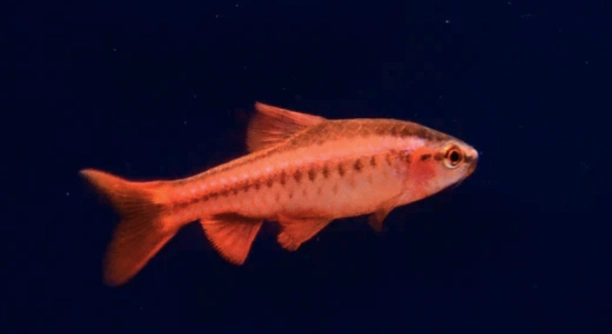
Cherry Barbs are lively and colorful fish, making them a popular choice for aquarium owners. However, like all fish, they are susceptible to certain health issues, including bacterial infections. Recognizing the signs early can help prevent serious problems.
Bacterial infections in Cherry Barbs often show clear signs, such as discoloration, swelling, and unusual swimming behavior. Early identification is key in ensuring proper treatment and minimizing harm to your fish. Regular monitoring of their health can help address any potential issues.
By knowing the early signs of bacterial infections, you can better care for your Cherry Barbs. This article will guide you through the warning signals to watch for and how to take action promptly.
Discoloration in Cherry Barbs
One of the first signs of a bacterial infection in Cherry Barbs is a noticeable change in their color. Healthy Cherry Barbs are vibrant with shades of red and orange, but when an infection sets in, their colors may fade or turn pale. The change can happen suddenly or gradually, depending on the severity of the infection. Sometimes, you might notice dark spots or blotches on their body. These changes indicate that something is wrong and should be addressed immediately. Early intervention is essential for preventing further health issues.
If the discoloration is coupled with other symptoms, it is more likely to be a sign of bacterial infection. Keep a close eye on any fish showing color changes, as it often signals that their immune system is struggling. The sooner you identify the issue, the better the chances of recovery.
Bacterial infections can weaken the fish’s immune system, making them more susceptible to additional stress. If untreated, the condition may worsen, leading to death. This is why prompt action is essential to ensure the well-being of your Cherry Barbs.
Unusual Swimming Behavior
A sudden change in swimming behavior can be a warning sign. Infected Cherry Barbs might swim erratically or remain near the surface of the water. This behavior suggests discomfort or distress, often caused by bacteria affecting their internal organs or skin. If you observe any unusual movement, it’s time to take action.
Bacterial infections may affect a fish’s ability to swim properly. This can result in them floating near the surface, struggling to move, or staying still for long periods. Stress from the infection can also cause them to appear lethargic and uninterested in food.
Swelling or Bloating
Swelling or bloating in Cherry Barbs is another early indicator of a bacterial infection. This could be in the abdomen or other parts of their body. The fish may appear unusually round or puffed up. This symptom is often a result of fluid retention due to infection, causing distress.
The swelling may also cause difficulty in swimming or eating. If you see any bloating in your Cherry Barb, it’s important to monitor them closely. Infected fish often struggle to move as their body is under pressure. Sometimes, bloating may also affect the fish’s posture, making them seem unbalanced.
If untreated, swelling can lead to more severe complications like internal organ damage. Prompt identification and treatment are crucial for preventing the condition from worsening. In severe cases, untreated swelling can cause long-term harm or even death.
Visible Sores or Ulcers
Visible sores or ulcers on the skin of Cherry Barbs are clear signs of a bacterial infection. These lesions may appear as open wounds or inflamed patches on their body. It’s often a result of bacteria breaking down the fish’s skin, leading to infection.
These wounds can spread quickly if not treated early, causing the fish further distress and weakening their immune system. The sores can also attract parasites or other pathogens that worsen the condition. If ulcers are present, immediate isolation of the affected fish is necessary to prevent spreading the infection to healthy ones.
Treating sores on your Cherry Barb requires maintaining clean water and possibly using medicinal treatments. It’s important to quarantine infected fish so that they don’t infect others. Regular water changes and ensuring the tank environment is free from stressors will help improve their healing process.
Rapid Breathing
Rapid breathing in Cherry Barbs can indicate stress caused by a bacterial infection. This symptom occurs when bacteria affect the gills, making it harder for the fish to breathe properly. You may notice them gasping at the surface or swimming quickly in a panicked manner.
If the fish’s breathing becomes shallow or irregular, it’s a sign the infection is impacting their respiratory system. Watching for rapid gill movement is key to detecting this issue early. You should consider checking water quality immediately, as poor conditions can exacerbate breathing problems and worsen the infection.
Ensuring your aquarium has clean water and proper filtration will help ease the strain on your Cherry Barbs. If the problem persists, you may need to consult a vet for advice on treatment options.
Loss of Appetite
A loss of appetite is common in fish suffering from bacterial infections. Cherry Barbs that are infected may refuse to eat or show little interest in food. This is due to the stress of the infection affecting their behavior and overall well-being.
Not eating can weaken the fish further and slow down recovery. If your Cherry Barb is not eating for more than a day or two, it’s essential to evaluate water quality and look for any signs of illness. A lack of nutrition can prevent the fish from fighting off the infection effectively.
Keep an eye on their condition, and remove any uneaten food promptly to maintain a clean environment. If they continue to refuse food, consider offering different types of food or medicated options to help them recover.
Clamped Fins
Clamped fins are another clear sign that your Cherry Barb might be battling a bacterial infection. When fish are stressed or ill, they tend to keep their fins close to their body, which can be an indication of discomfort.
Clamped fins limit movement and make the fish appear lethargic. This is usually accompanied by other symptoms, such as loss of appetite or unusual swimming behavior. It’s important to address the root cause by monitoring water conditions, as poor water quality can make bacterial infections more severe.
Treating clamped fins involves ensuring the fish is not under additional stress, offering a stable environment, and possibly isolating the infected fish for better care.
FAQ
What are the most common causes of bacterial infections in Cherry Barbs?
Bacterial infections in Cherry Barbs are often caused by poor water quality, overcrowded tanks, or stress. If the aquarium conditions aren’t kept clean or stable, bacteria can easily grow and infect the fish. High ammonia levels, insufficient filtration, or unbalanced water parameters weaken the fish’s immune system, making them more susceptible to infections. Another cause could be the introduction of new fish without proper quarantine, bringing in harmful bacteria. Keeping the tank environment stable and doing regular water changes can help prevent these issues.
How can I treat a bacterial infection in Cherry Barbs?
Treatment for bacterial infections usually starts with improving the water quality. Perform water changes regularly and check the water parameters to ensure they are within safe levels. If the infection is severe, medicated fish baths or antibiotics designed for fish may be necessary. Always follow the instructions carefully when using medication. In some cases, isolating the infected Cherry Barb in a quarantine tank can help prevent spreading the infection to others. It’s essential to keep the tank clean and monitor the fish closely during treatment. Consult a veterinarian or an aquarium expert if symptoms persist.
Can poor water quality cause bacterial infections in Cherry Barbs?
Yes, poor water quality is a primary factor in bacterial infections. When the water in the tank becomes polluted with excess waste, uneaten food, or decaying plants, it creates an environment that is conducive to bacterial growth. Ammonia and nitrite levels can increase, leading to stress for the fish and weakening their immune systems. This makes them more vulnerable to infections. Regular water testing, routine water changes, and proper filtration are key to maintaining healthy water quality and preventing infections. Always ensure that the water parameters like pH, temperature, and hardness are ideal for your fish.
Is it necessary to quarantine new Cherry Barbs before adding them to the tank?
Quarantining new Cherry Barbs is highly recommended to prevent introducing potential infections to your main tank. Even if the new fish appears healthy, they could carry bacteria or parasites that are not visible. Quarantine allows you to observe the new fish for any signs of illness or stress before they come into contact with your existing fish. A quarantine period of at least two weeks is ideal. During this time, you can treat the new fish for any issues and make sure they are healthy, preventing the spread of diseases.
What are some signs that a Cherry Barb is recovering from a bacterial infection?
Recovery signs include improved swimming behavior, more vibrant colors, and a return to normal eating habits. The swelling or bloating should decrease, and sores or ulcers should begin to heal, with the skin appearing smoother. If the Cherry Barb is more active and interacting normally with the other fish, it’s a good indicator that the infection is under control. However, recovery can take time, so it’s essential to continue monitoring the fish and maintain a clean, stress-free environment to help them regain their health fully.
Can I prevent bacterial infections in Cherry Barbs?
Prevention starts with maintaining optimal water conditions in the aquarium. Regular water changes, proper filtration, and monitoring water parameters can significantly reduce the risk of bacterial growth. Avoid overcrowding the tank, as this can increase stress and poor water quality. Additionally, providing a balanced diet and ensuring that the fish are not stressed by abrupt changes in the environment can boost their immune systems, making them less susceptible to infections. Quarantining new fish and cleaning tank equipment regularly also help prevent the introduction of harmful bacteria.
How long does it take for a Cherry Barb to recover from a bacterial infection?
The recovery time can vary depending on the severity of the infection. Mild infections may show improvement within a few days of treatment, while more severe cases can take weeks to fully heal. During the recovery period, it’s important to continue providing a clean environment, avoid stressing the fish, and ensure they are eating and swimming normally. Be patient and give your Cherry Barb the time it needs to recover fully. If symptoms persist after treatment, it may be necessary to consult an expert for further advice.
Should I remove infected Cherry Barbs from the main tank?
Yes, it’s a good idea to isolate infected Cherry Barbs to prevent the infection from spreading to the other fish. Moving them to a quarantine tank allows you to treat the fish without exposing the rest of the tank to the bacteria. It also reduces stress on the other fish, allowing them to remain healthy. If you have multiple Cherry Barbs showing symptoms, it might be necessary to treat the entire tank, but isolation should be the first step to contain the infection.
Can bacterial infections be fatal to Cherry Barbs?
Yes, if left untreated, bacterial infections can be fatal to Cherry Barbs. Bacteria can quickly spread and cause severe damage to the fish’s internal organs, skin, and gills. In advanced stages, infections can lead to death. That’s why early detection and treatment are crucial for preventing the infection from becoming life-threatening. Prompt action, including proper water quality maintenance and medication, can significantly improve the chances of recovery.
What is the best way to maintain a healthy tank environment for Cherry Barbs?
The best way to maintain a healthy environment is by ensuring clean water and a balanced ecosystem. Regularly check and adjust water parameters such as pH, temperature, ammonia, nitrites, and nitrates. Perform weekly water changes of about 20-30%, depending on tank size, and clean the filter as needed. Avoid overfeeding, as leftover food can pollute the water. Make sure the tank is not overcrowded and provide hiding spots and plants for your Cherry Barbs to feel secure. Regularly monitor fish behavior and health to catch any issues early.
What should I do if my Cherry Barb is still showing symptoms after treatment?
If your Cherry Barb is still showing symptoms after treatment, it’s important to reassess the situation. Ensure the water quality is optimal, as poor water conditions can delay healing. You may need to try a different type of medication, as some bacterial strains may be resistant to specific treatments. It’s also worth isolating the fish again to reduce stress and prevent further complications. If symptoms persist, consider consulting a vet or an aquarium specialist for a more thorough diagnosis and treatment plan.
Final Thoughts
Bacterial infections in Cherry Barbs can be concerning, but with the right approach, you can help your fish recover and maintain a healthy tank environment. Early detection of symptoms like discoloration, swelling, and unusual behavior is key to preventing the infection from spreading or worsening. Keeping an eye on your fish’s health and reacting promptly to any changes can make all the difference. It’s important to remember that a clean, stable environment is one of the best ways to prevent these types of issues in the first place.
Maintaining water quality is crucial for preventing bacterial infections. Poor water conditions, such as high ammonia or nitrite levels, can weaken your fish’s immune system, making them more susceptible to illness. Regular water changes, proper filtration, and ensuring that your tank is not overcrowded can help reduce stress and the chances of infections. Additionally, monitoring your fish for signs of illness and isolating any affected ones early will prevent the infection from spreading to other fish in your tank.
Treatment for bacterial infections often involves improving water quality, isolating sick fish, and using appropriate medications. However, recovery can take time, and patience is essential. It’s also important to provide a stress-free environment and offer proper nutrition during the recovery process. If the symptoms persist or worsen, seeking professional advice may be necessary to ensure your Cherry Barbs get the best care possible. By staying vigilant and following the right steps, you can keep your Cherry Barbs healthy and thriving in their aquarium.

Hello,
If you enjoy the content that we create, please consider saying a "Thank You!" by leaving a tip.
Every little bit helps us continue crafting quality advice that supports the health, happiness, and well-being of pets around the world, for pets of all shapes, sizes, and species.
We really appreciate the kindness and support that you show us!