
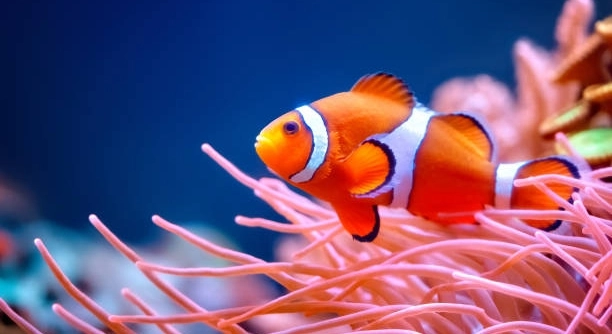
Are your young clownfish acting a little different lately, making you wonder if it means something more? Subtle behaviors can tell you a lot about how they connect with others in their tank.
Certain early behaviors in clownfish, such as synchronized swimming, gentle nudging, and territory sharing, strongly indicate the start of social bonding. These actions reflect their natural inclination to form pair bonds and establish a social hierarchy.
Recognizing these signs early can help you better support their development and ensure a peaceful, well-adjusted tank environment.
1. Synchronized Swimming
Clownfish that begin to swim in unison are often showing the first signs of social bonding. This behavior usually starts when two individuals begin to follow each other in calm, circular patterns throughout the tank. It is subtle but steady. They may not touch, but their coordination is noticeable. In the wild, this type of movement often helps clownfish understand who they can trust and who they want to stay close to. When they start matching pace and direction, it shows they’re becoming more comfortable with each other. It’s also a sign that their roles within the pair may be forming. While it might just look like relaxed swimming, it can actually say a lot about their comfort level. Not all clownfish do this immediately, so noticing it early may help predict which ones are forming a closer bond that might lead to pairing or shared territory over time.
This behavior usually becomes more regular with time, especially in stable environments with few changes.
Synchronized swimming helps clownfish understand spacing, limits, and rhythm with one another. It’s a low-stress way for them to stay connected without confrontation or noise. For tank owners, it’s a calm and reliable cue to watch for early bonding patterns.
2. Gentle Nudging
Gentle nudging usually begins during calm moments and tends to appear before more obvious signs of pair bonding.
When clownfish start nudging each other lightly with their noses or bodies, it often means they are testing boundaries in a non-aggressive way. This is common behavior in developing pairs or social groups. The nudging helps them get familiar with one another’s reactions and set a tone for how they will interact moving forward. It’s typically soft and non-threatening, with little to no chasing. These interactions help them sort out who may become dominant, but also who they’re comfortable around. While more aggressive behavior can follow in some cases, repeated gentle nudging without escalation is a positive sign. If the same two clownfish consistently nudge each other while avoiding conflict, it may mean they are building tolerance and even preference. This small sign can sometimes go unnoticed, but for observant tank keepers, it shows the early beginnings of a stable clownfish bond forming.
3. Hovering Near Each Other
When clownfish choose to hover close without touching, they are learning to tolerate one another’s space. This behavior often appears before physical contact and shows early acceptance. It’s a peaceful sign and suggests growing trust between the two fish.
Clownfish that hover near one another tend to stay in the same section of the tank, usually within a few inches apart. They may stay still for several minutes, occasionally adjusting their positions slightly. This proximity is more than coincidence. It’s one of the earliest signs that two clownfish are starting to form a preference for each other’s presence. You might notice them choosing the same area even when the rest of the tank is empty and quiet. While they are not touching or engaging in playful behaviors, this quiet closeness builds the foundation for deeper bonding patterns. It reflects growing comfort and shared tolerance in their chosen environment.
This behavior becomes more meaningful if it repeats over days. Clownfish that consistently hover near each other without signs of chasing or fin nipping are showing strong early signs of a bond. The calm nature of the behavior suggests that both fish are assessing one another and beginning to accept shared space as a normal part of their day.
4. Shared Territory Guarding
Two clownfish guarding a corner, rock, or anemone together shows they’re beginning to align their behaviors. They’re no longer competing for space but instead starting to defend and occupy it as a unit, which signals early bonding.
This kind of shared guarding usually begins quietly. One fish will choose a spot, and instead of the other avoiding it, they will linger close and help monitor it. This doesn’t mean they always guard aggressively—sometimes it’s just consistent hovering and blocking approaches by others. These behaviors can look like minor posturing or slow movement, but they mean the fish are slowly syncing their roles. One may take the lead, often the dominant female, while the other follows. This is natural. Over time, these small shared efforts show increasing cooperation and a growing sense of connection between the two fish. It’s subtle but signals real progress in how they interact daily.
5. Mimicking Movements
When one clownfish copies the movements of another, it shows a desire to follow and learn. This behavior usually starts when one fish leads and the other swims in a similar pattern seconds later.
This mimicry shows social awareness. It’s one way clownfish figure out roles and test compatibility without fighting.
6. No Aggressive Retaliation
A clownfish that gets nudged or blocked and does not respond with aggression is likely accepting the other fish’s presence. This lack of reaction shows trust and reduces tension between them over time.
Even when slightly challenged, holding back from aggressive moves is a clear sign of bonding. It signals comfort.
7. Resting Near One Another
If clownfish rest near each other without stress or fidgeting, they’re showing comfort and shared trust. Stillness in close range is one of the final early signs that bonding is strengthening. It means they feel secure and calm in each other’s presence.
FAQ
How soon can I expect to see bonding behaviors in clownfish?
Bonding behaviors often start within the first few weeks of introducing clownfish to a shared tank. Some signs, like synchronized swimming or hovering near each other, may appear quickly if the environment is calm. However, complete bonding can take months as they establish trust and social hierarchy.
Can clownfish bond with more than one partner?
Clownfish typically form monogamous pairs, especially in captivity. While some social interactions happen with other tank mates, strong bonding usually develops between just two fish. Multiple partners are rare and can lead to stress or aggression if space is limited.
What should I do if clownfish show aggression instead of bonding?
Aggression is normal at first as clownfish set boundaries. Provide plenty of hiding spots and space to reduce tension. If fighting persists or worsens, it might be necessary to separate the fish temporarily or adjust tank conditions to encourage calm behavior.
Do clownfish need an anemone to bond?
Anemones are natural homes for clownfish but are not required for bonding. Fish can bond without anemones by sharing other structures or territory. However, having an anemone may encourage natural behaviors and provide a comfortable base for bonds to develop.
How does tank size affect clownfish bonding?
Larger tanks allow more space for territory and reduce conflict, supporting healthy bonding. Small tanks can increase stress and aggression, making bonding harder. A tank that offers plenty of room for movement and hiding places helps clownfish feel secure and build better relationships.
Can stress prevent clownfish bonding?
Yes, stress from poor water quality, overcrowding, or sudden changes can hinder bonding. Stress causes defensive behaviors and reduces trust-building actions. Keeping stable conditions and low stress is key to allowing clownfish to bond naturally.
Is it possible for clownfish to break a bond?
Bonds can weaken if conditions change or stress increases. Introducing new fish, tank rearrangements, or health problems can disrupt established relationships. Monitoring behavior and maintaining a stable environment helps keep bonds strong over time.
How can I encourage bonding between clownfish?
Maintain stable water conditions, provide plenty of hiding spots, and avoid overcrowding. Introducing clownfish at the same time and keeping the environment calm supports natural social behaviors. Observing their interactions without interference often lets bonds form at their own pace.
What are signs that bonding is successful?
Successful bonding shows as peaceful coexistence, shared territory guarding, synchronized swimming, and resting near each other. Reduced aggression and mutual tolerance during feeding or movement also indicate a healthy bond.
Should bonded clownfish be separated for breeding?
Bonded pairs often breed more successfully together, so separation is usually not recommended. Keeping them in a stable environment encourages natural mating behaviors and better care of eggs when breeding occurs.
Final thoughts on clownfish bonding emphasize the importance of observing their early behaviors carefully. Each subtle action, from synchronized swimming to gentle nudging, gives clues about how the fish are developing relationships. Paying attention to these signs can help you understand which clownfish are starting to connect and form pairs. This understanding can improve how you manage your tank and support a peaceful environment for all its inhabitants.
Bonding in clownfish is a gradual process. It does not happen overnight and may take weeks or even months. Some fish show clear signs early, while others take more time to become comfortable with each other. This slow development is natural and reflects their social structure. Providing enough space, hiding places, and a stable tank environment reduces stress and helps bonding happen smoothly. When clownfish feel safe and relaxed, they are more likely to show positive social behaviors that lead to stronger bonds.
Supporting clownfish bonding also means accepting that some pairs may not form as expected. Not all fish will bond, and some may show more aggression or avoidance. This is normal in a community tank. The key is to monitor their interactions and step in if aggression becomes harmful. By creating the right conditions and watching for early bonding signs, you increase the chances that your clownfish will develop lasting, peaceful relationships. Understanding these behaviors gives you better control over your aquarium’s social balance and the well-being of your fish.

Hello,
If you enjoy the content that we create, please consider saying a "Thank You!" by leaving a tip.
Every little bit helps us continue crafting quality advice that supports the health, happiness, and well-being of pets around the world, for pets of all shapes, sizes, and species.
We really appreciate the kindness and support that you show us!