
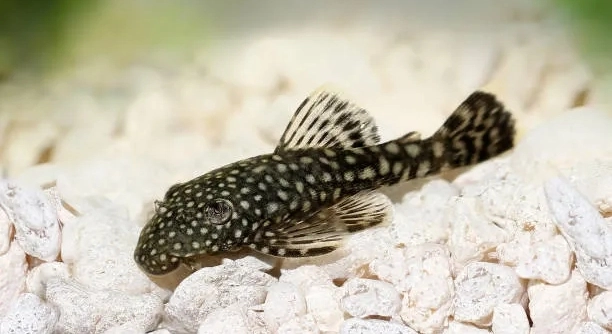
Driftwood is a popular addition to aquariums, especially for plecos. However, there are a few common mistakes that can harm your plecos and affect their well-being. Identifying these mistakes will help keep your tank healthy.
The most common driftwood mistakes affecting plecos include improper preparation, inadequate water conditions, and incorrect placement. Failing to properly clean or soak driftwood before placing it in the tank can lead to water quality issues, affecting your pleco’s health.
Understanding these mistakes can make a significant difference in the long-term health of your plecos and the success of your aquarium setup.
Common Driftwood Mistakes That Affect Plecos
Using driftwood in your aquarium can enhance the aesthetic and create a more natural environment for plecos. However, some mistakes can have a significant impact on the health of your fish. One common issue is failing to prepare driftwood properly before introducing it to the tank. Driftwood can leach tannins into the water, causing discoloration and altering the water chemistry. Soaking the driftwood for several days before use helps prevent this, ensuring your pleco’s environment remains stable.
Water quality is another factor to consider. Driftwood can lower the pH level of the water, which may not always be suitable for plecos, depending on the species. Regularly testing the water’s pH level and adjusting it as necessary is important for keeping your plecos comfortable and healthy. If the water quality becomes too poor, your plecos can develop stress and health issues.
Another mistake people make is improper placement of driftwood. Some people place the driftwood in spots where their plecos cannot interact with it. Plecos need driftwood to rasp and graze, so it should be placed where they can easily access it. Driftwood should not be placed in areas with strong water flow or too close to filtration equipment, as this can interfere with your pleco’s feeding habits and natural behavior.
How to Properly Prepare Driftwood
Proper preparation is essential to ensure driftwood does not negatively affect your aquarium. Soaking the driftwood is the best method to remove excess tannins and reduce its impact on water chemistry. You can soak driftwood in a separate container filled with water for several days, ensuring it stays submerged. During this time, the tannins will leach out, preventing them from staining your aquarium water.
You may also need to scrub the driftwood with a brush to remove any dirt or debris. This is especially important if the driftwood was sourced from outside, as it may have harmful bacteria or parasites. Cleaning the driftwood before introducing it to your aquarium reduces the risk of introducing contaminants.
The Importance of Correct Water Conditions
Maintaining the right water conditions is vital for plecos, and driftwood can influence this. When added to your tank, driftwood will release tannins, which can lower the pH and slightly soften the water. This can benefit plecos in some cases, as certain species prefer slightly acidic and soft water. However, it’s important to monitor these changes carefully, as rapid shifts in pH can stress your fish. Regular testing of your tank’s water quality is essential to ensure that any changes caused by the driftwood do not harm your plecos.
In addition to pH, the hardness of the water can be affected by driftwood. Plecos thrive in water with moderate hardness, but extreme softness or hardness can cause stress. It’s crucial to keep an eye on both pH and hardness levels, adjusting them as needed with water treatments or different water sources. By controlling the water conditions, you can maintain a healthy environment for your plecos and ensure that the driftwood is benefiting the tank, not causing harm.
Incorrect Driftwood Placement
Placing driftwood in areas where plecos cannot interact with it is a common mistake. Plecos need access to driftwood for rasping and grazing, and if it’s out of reach, they won’t benefit from it. Proper placement is key to ensuring your plecos get the most out of the driftwood.
Ensure driftwood is placed in spots that are easily accessible for your plecos. Avoid placing it near filtration equipment or in areas with strong water currents, as this can make it harder for your fish to interact with it. They need time to rasp the surfaces of the driftwood to fulfill their natural feeding behaviors.
Driftwood should also be positioned in a way that plecos can freely swim around it. If placed too close to other decorations or structures in the tank, your plecos might feel restricted and stressed. A good rule is to place driftwood in an open space where your plecos can comfortably explore and feed.
Potential Risks of Untreated Driftwood
Using untreated driftwood can lead to a variety of issues in your aquarium. Untreated driftwood, especially from outdoor sources, may contain bacteria, parasites, or other harmful contaminants. These can be introduced into the tank, putting your plecos at risk of disease.
Even if the driftwood looks clean, it’s essential to treat it before introducing it to your tank. Boiling the driftwood for a few hours helps sterilize it and remove potential harmful organisms. After boiling, let the driftwood cool and dry before adding it to your aquarium. This extra step prevents unnecessary risks and ensures the safety of your fish.
Aside from bacteria and parasites, untreated driftwood may also have sharp edges or rough surfaces. These can injure your plecos or other tank inhabitants. Carefully inspecting and preparing the driftwood helps avoid potential harm, making it a safer environment for your plecos to thrive.
Driftwood Size and Tank Space
Choosing the right size of driftwood is crucial for the health of your plecos. Large pieces can take up too much space, leaving your plecos with limited swimming room. Make sure the driftwood fits well in your tank without crowding the fish.
Driftwood that’s too large can also create water flow issues. Large pieces can block filtration or disrupt water circulation. This may cause dead spots in the tank, leading to poor water quality and increased waste buildup. Proper sizing ensures your plecos have enough room and the tank remains well-maintained.
Monitoring Water Quality
Keeping track of your tank’s water quality is essential when using driftwood. As the driftwood releases tannins, it can cause the water to become discolored. While this is generally harmless, excessive tannins may lower the water’s pH, which could stress your plecos.
Testing the water regularly for pH, ammonia, and nitrites will help you monitor any changes caused by driftwood. If the pH drops too much, it may be necessary to adjust it with appropriate additives. Ensuring stable water quality will keep your plecos comfortable and reduce the risk of health issues.
The Role of Driftwood in Pleco Diets
Driftwood provides more than just a natural look; it also serves as a source of food for plecos. Plecos are herbivores and enjoy scraping algae, biofilm, and other microorganisms off the surface of the driftwood. This behavior is vital for their well-being.
By adding driftwood to your tank, you create a natural feeding ground for your plecos. They will enjoy rasping at the wood, which helps wear down their teeth and provides essential nutrients. Without proper driftwood, plecos may struggle to get the nutrition they need, leading to dental issues or other health concerns.
FAQ
How do I prepare driftwood for my pleco tank?
Before adding driftwood to your aquarium, it’s important to prepare it properly. First, soak the driftwood in water for several days to remove tannins that can discolor your water. If the driftwood is too buoyant, you can weigh it down with rocks or other aquarium-safe materials. If you’ve collected the driftwood from the wild, it’s also essential to boil it to sterilize it. Boiling helps kill any bacteria, parasites, or unwanted organisms. Scrub it with a brush to remove dirt or debris, and let it dry before placing it in your tank.
Can driftwood harm plecos?
Driftwood, when used correctly, is generally safe for plecos. However, improperly prepared or untreated driftwood can cause problems. Untreated wood may have sharp edges or be home to harmful bacteria or parasites that can infect your plecos. Additionally, driftwood releases tannins into the water, which can lower the pH, making the water too acidic for certain species of plecos. It’s important to monitor the water quality and make sure the driftwood is safe for your fish.
How often should I clean the driftwood?
Cleaning driftwood isn’t something you need to do often. However, it’s a good idea to inspect it periodically for buildup, especially algae or biofilm. If you notice a significant amount of algae, you can use a soft brush to gently scrub the surface. Avoid using any harsh cleaning chemicals or soaps, as they can harm your plecos. Typically, driftwood will require cleaning once every few weeks, depending on the tank’s conditions and the amount of algae growth.
Can I use any type of wood for my pleco tank?
Not all wood types are safe for aquarium use. Certain types of wood, like pine, can release harmful resins or chemicals that can harm your fish. The best types of wood for aquarium use are hardwoods, such as oak, mopani, and Malaysian driftwood. These woods are dense, less likely to leach harmful substances, and provide a good surface for plecos to graze on. Always ensure that the wood you’re using is aquarium-safe and free from any contaminants.
What should I do if my driftwood keeps floating?
It’s common for some pieces of driftwood to float when first placed in the tank. This happens because they are filled with air pockets. To prevent this, you can soak the driftwood for several days or even weeks to allow it to absorb water and sink. If it still floats after soaking, you can weigh it down using rocks or aquarium-safe materials like clay pots until it becomes waterlogged and sinks on its own.
How does driftwood affect the water chemistry?
Driftwood can slightly alter the water chemistry in your aquarium. As it releases tannins, the water may become discolored, giving it a yellowish-brown tint. This is usually harmless and can even mimic the pleco’s natural environment. However, tannins can also lower the pH of the water, making it more acidic. This change can be beneficial for some pleco species, especially those that prefer slightly acidic conditions. Always monitor the water’s pH level to make sure it stays within the ideal range for your plecos.
Can plecos eat driftwood?
Yes, plecos can eat driftwood. In fact, driftwood is an important part of their diet. Plecos are herbivores and will rasp on the surface of the driftwood to consume the biofilm, algae, and other microorganisms that grow on it. This not only provides them with food but also helps wear down their teeth, which grow continuously. However, plecos do not consume the wood itself but rather feed on the organisms living on it.
Is driftwood necessary for plecos?
While driftwood is not strictly necessary for plecos, it is highly beneficial. Driftwood provides plecos with a natural surface to graze on, promoting healthy dental growth. It also helps create a more natural and comfortable environment by mimicking their habitat. Some plecos, especially species from slow-moving rivers and streams, benefit from the slightly acidic water driftwood creates. Without driftwood, plecos may become stressed or develop dental issues over time, as they rely on it for feeding and grazing.
What size driftwood should I get for my tank?
The size of driftwood you choose depends on the size of your aquarium. You should select a piece that doesn’t take up too much space or obstruct water flow. A large piece can crowd the tank and limit the swimming area for your plecos, which is important for their health. If you have a small tank, choose smaller pieces of driftwood to ensure your plecos have enough space to move around. In larger tanks, driftwood can be used more creatively to provide hiding spots and feeding areas.
Can I add multiple pieces of driftwood?
Yes, you can add multiple pieces of driftwood to your tank. Just be mindful of the size and placement to ensure that your plecos have enough space to move around and feed. Multiple pieces can create hiding spots and territories, which plecos enjoy. Ensure the driftwood is positioned to allow your plecos easy access for grazing. Also, keep in mind that multiple pieces may affect water chemistry more than a single piece, so monitor the pH levels and overall water quality.
Why does driftwood turn dark or black over time?
Driftwood naturally darkens or blackens over time due to the tannins that it releases into the water. This is a normal process and does not necessarily indicate a problem. The tannins leach out over weeks or months and cause the water to turn a yellow or brown color. While this change in color might not be aesthetically pleasing to some aquarium owners, it’s completely safe for your plecos. In fact, some species of plecos thrive in the slightly acidic conditions created by the tannins.
Final Thoughts
Driftwood can be an important addition to a pleco tank, offering numerous benefits for both the fish and the aquarium’s overall environment. It provides a natural surface for plecos to graze on, helping to maintain their dental health. The wood also helps in creating a more realistic habitat, as it mimics the slow-moving waters of their natural environment. While it does release tannins that may affect water quality, this can be managed with regular monitoring and adjustments to maintain a healthy tank.
However, using driftwood comes with certain considerations. It’s important to choose the right type of wood, as not all wood is safe for aquarium use. Always ensure that the driftwood is cleaned, boiled, or soaked to avoid introducing harmful substances into the tank. The size of the driftwood is also crucial, as large pieces can take up too much space and restrict the plecos’ movement. Overcrowding the tank with driftwood can also lead to poor water circulation, so it’s essential to use the right size and quantity of wood for your tank’s specific needs.
Ultimately, driftwood can greatly enhance the well-being of plecos, as long as it is used properly. Regular maintenance, such as cleaning the wood and monitoring water conditions, will help ensure that your plecos are comfortable and healthy. By following the proper care guidelines and choosing the right type and size of driftwood, you can create a thriving environment for your plecos.

Hello,
If you enjoy the content that we create, please consider saying a "Thank You!" by leaving a tip.
Every little bit helps us continue crafting quality advice that supports the health, happiness, and well-being of pets around the world, for pets of all shapes, sizes, and species.
We really appreciate the kindness and support that you show us!