
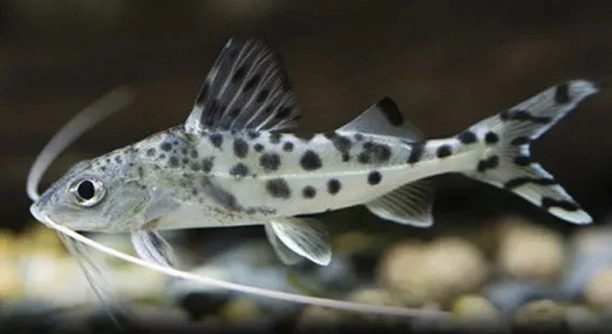
Hiding places can help keep your pictus safe and comfortable in their tank environment. Many aquarium owners look for simple ways to provide shelter and reduce stress for their fish. DIY options offer practical and affordable solutions.
Creating effective hiding spots for pictus involves using materials that blend naturally with their habitat and provide sufficient cover. Common choices include caves, plants, and driftwood, which mimic the fish’s natural environment and support their need for shelter and security.
These DIY ideas are easy to make and improve your pictus’s well-being. They also add to the overall look and feel of your aquarium.
Simple Rock Caves for Pictus
Creating rock caves is a popular DIY hiding place for pictus. Using smooth stones or aquarium-safe rocks, you can arrange them into small caves or tunnels that provide shelter. These caves mimic natural riverbeds where pictus often hide. Make sure the rocks are stable and won’t fall, which could harm the fish. Avoid sharp edges to keep the fish safe. Rock caves also encourage natural behavior like resting and exploring. They help reduce stress, especially in busy or brightly lit tanks. You can easily change the layout to keep the environment interesting for your pictus. Using a mix of small and larger stones helps create a more natural look. Additionally, rock caves can improve water flow around the tank, preventing dead spots. This simple addition is effective and visually pleasing, benefiting both the fish and the overall tank environment.
Rock caves give pictus a secure space to retreat and feel safe while adding natural beauty to the aquarium.
Arranging rock caves is affordable and requires minimal materials. The setup supports the pictus’s natural hiding instincts and helps keep the fish comfortable in their habitat. It also creates shaded areas that reduce light exposure, which pictus prefer. Using natural colors and textures helps the caves blend well with plants and substrate, offering a harmonious look. Changing the rock layout periodically can stimulate exploration and reduce boredom. This DIY option is practical and customizable, fitting most tank sizes and styles.
Using Live Plants as Hiding Spots
Live plants offer excellent shelter and improve water quality for pictus. They create natural shade and hiding places.
Plants like Java fern, Anubias, and Amazon sword provide broad leaves for cover. Their roots and stems create complex areas where pictus can hide easily. Live plants help keep the tank environment stable by absorbing excess nutrients and producing oxygen. They also reduce algae growth, maintaining cleaner water. The natural cover from plants helps pictus feel secure, which encourages calmer behavior and reduces stress. Plant placement can be adjusted to create dense hiding zones or open swimming areas, depending on your tank setup. While live plants require some care, their benefits to pictus health and tank aesthetics are significant. Additionally, plants contribute to a balanced ecosystem, supporting other tank inhabitants.
Live plants offer more than decoration; they enhance your pictus’s comfort and promote a healthy aquarium environment.
Driftwood Shelters
Driftwood provides natural hiding spots that pictus enjoy. Its shapes create caves and crevices perfect for shelter. It also helps maintain water chemistry by releasing beneficial tannins.
Driftwood offers both shelter and environmental benefits. The tannins it releases help lower pH levels slightly, mimicking the soft water conditions pictus prefer. Its irregular shapes create varied spaces, letting fish choose their favorite hiding spot. Driftwood also adds visual interest, enhancing the tank’s natural look. It is important to soak driftwood before placing it in the tank to remove excess tannins and prevent cloudiness. Over time, it may become a surface for beneficial bacteria and algae, which some fish nibble on. These features make driftwood a practical and natural choice for pictus hiding spots.
Carefully selecting and positioning driftwood ensures safe, effective shelters. Avoid treated or chemically coated wood, as this can harm fish. A stable base is important to prevent shifting. Regularly inspect the wood for decay or sharp edges. Adding driftwood along with plants and rocks creates a diverse habitat that keeps pictus comfortable. This variety supports their natural behaviors and adds depth to the aquarium landscape.
PVC Pipe Hides
PVC pipes are a budget-friendly option to create hiding spaces. They are easy to cut and customize to fit your tank.
These pipes can be painted with non-toxic, aquarium-safe paint to blend with the tank environment. Their smooth surface prevents injuries and provides secure shelters. Arranging PVC pipes in clusters or connecting sections can make tunnels or caves that pictus enjoy exploring. Their lightweight nature allows easy repositioning and cleaning. PVC pipes can also be combined with other materials, such as attaching plants or rocks around them to create a more natural appearance. Proper ventilation and water flow through the pipes ensure a healthy space for the fish. Using PVC as hiding spots balances practicality with the needs of pictus.
Coconut Shell Hideouts
Coconut shells make natural, durable hiding spots for pictus. They are easy to clean and provide a cozy shelter.
Cutting the shell in half creates a perfect cave shape. The rough texture offers grip for fish to rest safely. Coconut shells also add an organic look to the aquarium.
Clay Pots as Shelters
Clay pots are versatile and safe for fish hiding spots. They can be buried partially in substrate or placed on their side to create entrances for pictus. The porous material helps maintain stable water conditions by allowing beneficial bacteria to colonize. Pots can be decorated or left plain for a simple look. When using clay pots, avoid glazed or chemically treated ones to keep the environment safe. These shelters offer secure, quiet spaces, reducing stress and encouraging natural hiding behavior. Clay pots are easy to find and customize, making them an effective DIY option for pictus owners.
Plastic Plant Pots
Plastic plant pots work well as quick, inexpensive hiding places. They can be cleaned easily and arranged in various ways inside the tank.
FAQ
What materials are safe to use for DIY pictus hiding places?
Safe materials include smooth rocks, untreated driftwood, live plants, coconut shells, and unglazed clay pots. Avoid sharp edges and chemically treated items that may harm fish. PVC pipes can be used if cleaned properly and painted with aquarium-safe paint. Always rinse materials well before placing them in the tank.
How often should I clean the hiding spots?
Cleaning depends on the material and tank conditions but generally every few weeks or when you notice algae buildup or debris. Avoid harsh chemicals—use warm water and gentle scrubbing to keep hiding places clean without disturbing beneficial bacteria.
Can hiding spots affect water quality?
Yes, some materials like driftwood release tannins that slightly lower pH, which can benefit pictus. Porous materials like clay pots encourage beneficial bacteria growth. However, decaying plant matter or uneaten food trapped inside hides can reduce water quality if not cleaned regularly.
Will pictus use all hiding spots equally?
Not necessarily. Pictus often prefer spots that feel secure and mimic their natural environment, such as caves or dense plant areas. Observing their behavior helps identify favored hiding places, allowing you to adjust or add more similar shelters.
How many hiding spots should I provide?
Provide several options, generally one hiding place per fish or more in crowded tanks. Multiple shelters reduce competition and stress, allowing each fish to find a safe retreat when needed.
Are live plants better than artificial ones for hiding spots?
Live plants offer benefits like improved water quality and natural cover. Artificial plants can also provide hiding spaces but don’t contribute to the tank’s ecosystem. Combining both types is common, depending on tank maintenance and decoration preferences.
Can I use household items as hiding places?
Some household items like clean PVC pipes, coconut shells, or terracotta pots can work if safe and free of chemicals. Avoid anything treated with paint or varnish not rated safe for aquariums.
What should I avoid when creating hiding spots?
Avoid materials with sharp edges, toxic treatments, or that easily break down in water. Also, prevent overcrowding the tank with too many decorations, which can reduce swimming space and trap debris.
Do pictus need hiding spots all the time?
Hiding spots are important for reducing stress and encouraging natural behaviors. Even if fish do not use them constantly, the presence of secure shelters helps create a stable, comfortable environment.
How can I make hiding spots more natural looking?
Use natural materials like rocks, driftwood, and live plants in combination. Paint PVC pipes with natural colors or cover them with moss or aquarium-safe decorations. Vary shapes and sizes to mimic riverbeds or dense underwater vegetation. This creates a more inviting environment for pictus.
Final Thoughts
Creating effective hiding places for pictus is essential for their well-being. These fish naturally seek shelter to feel safe and reduce stress in their environment. Using simple DIY options like rock caves, driftwood, and live plants helps replicate their natural habitat. Providing a variety of hiding spots ensures pictus have plenty of secure areas to retreat to, which supports their health and encourages natural behavior. It is important to choose materials that are safe, non-toxic, and easy to maintain to keep the aquarium environment balanced and healthy.
Maintaining hiding spots also requires attention. Regular cleaning helps prevent buildup of algae or debris that can affect water quality and fish health. It is best to avoid harsh chemicals during cleaning to protect beneficial bacteria that live in the tank. Checking for stability and safety of structures is necessary to avoid injuries to the fish. Making small changes or rearranging hiding spots from time to time can also keep the tank environment interesting for pictus. This helps reduce boredom and encourages exploration, which benefits the overall behavior of the fish.
In summary, well-chosen and maintained hiding places greatly improve the quality of life for pictus in home aquariums. They provide comfort, reduce stress, and promote natural activities. Simple DIY solutions allow for customization to fit different tank sizes and styles while being cost-effective. Combining natural materials with careful care creates a healthy and visually appealing habitat. Taking the time to add these shelters shows attention to the needs of pictus, helping them thrive in a safe and supportive environment.

Hello,
If you enjoy the content that we create, please consider saying a "Thank You!" by leaving a tip.
Every little bit helps us continue crafting quality advice that supports the health, happiness, and well-being of pets around the world, for pets of all shapes, sizes, and species.
We really appreciate the kindness and support that you show us!