
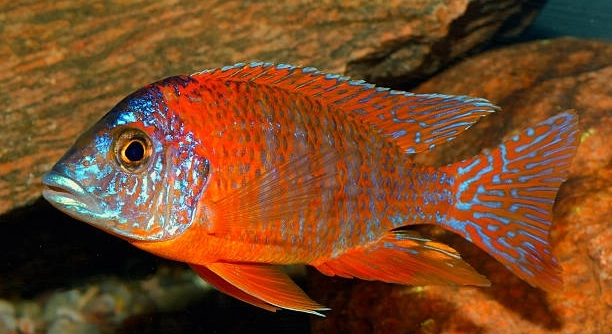
Cichlid aquariums require thoughtful decoration to create a healthy and appealing environment. Proper DIY decoration can improve the habitat while reflecting your personal style. This article offers practical ideas for enhancing your aquarium space effectively.
Creating DIY decorations for cichlid aquariums involves using safe, natural materials that mimic their natural habitat. These decorations should provide hiding spots, reduce stress, and encourage natural behaviors while maintaining water quality and ensuring durability in an aquatic setting.
Exploring these ideas can help you design a unique and functional aquarium that supports your cichlids’ well-being and complements your home.
Choosing Natural Rocks and Stones
Using natural rocks and stones is a simple and effective way to decorate a cichlid aquarium. These materials provide hiding places and territory markers for your fish, which helps reduce aggression. When selecting rocks, ensure they are aquarium-safe and free from harmful chemicals. Avoid limestone or rocks that can change water pH, as cichlids need stable conditions. Clean the stones thoroughly before placing them inside the tank to avoid contamination. Arranging rocks in small clusters or caves can mimic the natural rocky environments many cichlids prefer. This setup encourages natural behavior like hiding and exploring. A well-planned rock layout also enhances the tank’s visual appeal, making it more enjoyable to observe your fish. Simple tools such as aquarium-safe glue or silicone can be used to secure rocks safely. Balancing aesthetics with functionality ensures the aquarium remains a healthy space for your cichlids.
Natural stones create a secure environment and help maintain water stability by providing shelter and reducing stress for cichlids.
Adding plants or decorations around the rocks can complete the natural look. Plants also contribute to water quality by absorbing nitrates. Choose hardy plants that withstand cichlids’ digging habits, such as Java fern or Anubias. Combining rocks and plants creates a balanced habitat that supports both the fish and the ecosystem. Regular maintenance of rocks and plants is essential to prevent algae buildup and preserve water quality. These decorations are inexpensive and customizable, making them ideal for DIY aquarium projects. Overall, natural rocks and plants are key elements in creating a comfortable and attractive cichlid aquarium.
DIY Driftwood Decorations
Driftwood is a popular choice for cichlid tanks because it offers both decoration and function. It creates hiding spots and adds a natural, aged look to the aquarium. Before adding driftwood, soak it in water for several days to remove tannins that may discolor the water. Boiling the wood can speed up this process and kill any bacteria or parasites. Driftwood also releases beneficial tannins that can lower pH slightly and improve water quality, which some cichlids appreciate. Secure driftwood properly in the tank to prevent it from floating. Combine it with rocks or plants to build natural hiding places and territories for your fish. Regular inspection is needed to check for decay or mold, and replacement may be necessary over time. Overall, driftwood provides functional beauty and comfort for cichlids.
Driftwood offers natural shelter and improves the aesthetic of cichlid tanks while contributing to water quality in a subtle way.
Creating a setup with driftwood requires some preparation, but it’s worth the effort. Choose pieces that fit your tank size and avoid sharp edges that might harm fish. You can customize driftwood by attaching plants like moss or ferns to increase cover. This adds more complexity to the habitat and encourages exploration. Over time, driftwood weathers and blends into the aquarium, creating a stable environment. It also serves as a surface for beneficial bacteria growth, aiding in biological filtration. Driftwood’s unique shapes provide variety and texture, making your aquarium feel more dynamic. Proper care ensures it remains an asset for your cichlids’ health and happiness.
Creating Caves with PVC Pipes
PVC pipes can be used to create safe and customizable caves for cichlids. They provide ideal hiding spots and help reduce stress by offering private areas within the tank.
PVC pipes are affordable and easy to work with. Cut them into various lengths and smooth the edges to prevent injuries. Arrange the pipes in clusters or tunnels that mimic natural crevices. Covering them with aquarium-safe silicone and adding rock or sand around them helps blend them into the environment. These caves allow shy or territorial cichlids to claim their space, which can decrease aggressive behavior. Cleaning PVC caves regularly is important to avoid algae buildup. Using pipes offers flexibility since you can adjust or move them as needed. This DIY approach is practical and beneficial for maintaining a balanced aquarium.
To personalize the caves, consider painting the pipes with non-toxic, aquarium-safe paint. This adds color and helps the caves look more natural. Adding small openings or varying sizes creates different hiding options suitable for different cichlid species or sizes. PVC caves are durable and withstand frequent cleaning or rearrangement without damage. They are also lightweight, making maintenance easier. This option allows aquarium owners to provide secure spaces while customizing the look of the tank. With simple materials and effort, you can enhance your cichlid aquarium significantly.
Using Sand and Gravel Layers
A well-chosen substrate is essential for cichlids. Sand and gravel provide a natural base and affect the tank’s overall health and appearance.
Sand is preferred by many cichlid keepers because it mimics riverbeds and allows natural digging behaviors. Fine-grain sand is gentle on cichlid mouths and easy to clean with a siphon. Gravel, on the other hand, can add texture and color variation, but larger grains might be less comfortable for digging species. Combining sand and gravel can create an interesting layered effect that looks natural and supports fish behavior. Substrate depth should be enough for digging but not so deep that it traps debris. Regular cleaning is important to maintain water quality and prevent waste buildup.
Choosing the right substrate involves considering your cichlid species’ habits and your aesthetic preferences. Some species prefer softer sand to dig and sift through for food, while others appreciate rocky gravel beds for spawning. Substrate color also influences the tank’s visual impact and can make fish colors stand out. Lighter substrates can brighten the tank, while darker ones may reduce stress by providing a more natural environment. Balancing practicality and appearance ensures a healthy and attractive aquarium. Proper substrate choice enhances the comfort and well-being of your cichlids while making maintenance manageable.
Adding Aquarium Plants
Live plants improve water quality by absorbing nitrates and provide shelter for cichlids. They create a more natural, comfortable environment for the fish.
Choosing hardy plants like Anubias, Java fern, or Vallisneria ensures they survive cichlids’ digging and nibbling habits. These plants require minimal care and add greenery that softens the tank’s look.
Using Ceramic Pots
Ceramic pots serve as excellent hiding places and breeding sites. Their smooth surfaces prevent injury, and their shape offers privacy for territorial cichlids.
Painting Aquarium Backgrounds
Painting the aquarium background adds depth and enhances the tank’s appearance. Dark or natural tones help fish colors stand out and reduce reflections that can stress fish.
Incorporating Floating Decorations
Floating decorations offer shelter near the water’s surface. They provide shaded areas and create layers in the aquarium, encouraging natural behavior among cichlids.
FAQ
What materials are safe for DIY decorations in cichlid aquariums?
Safe materials include natural rocks like granite or slate, aquarium-safe PVC pipes, untreated driftwood, and certain ceramics. Avoid limestone or porous rocks that can alter water chemistry. Always ensure decorations are free of harmful chemicals, paint, or coatings. Cleaning all materials thoroughly before use is essential.
How do I prevent decorations from harming my cichlids?
Smooth any sharp edges on rocks or pipes to avoid cuts. Use aquarium-safe silicone or glue to secure decorations and prevent them from shifting or falling. Avoid decorations that can leach toxins or affect water pH. Monitor your fish for signs of stress or injury after adding new decorations.
Can driftwood affect water quality in my cichlid tank?
Yes, driftwood releases tannins that may slightly lower pH and tint the water. This can benefit some cichlid species that prefer softer, more acidic water. However, too much tannin release may require frequent water changes. Pre-soaking or boiling driftwood before adding it to the tank helps reduce tannins.
How often should I clean DIY decorations?
Cleaning frequency depends on algae growth and debris buildup but typically every 2 to 4 weeks. Use a soft brush or sponge with warm water—no soap or chemicals. Removing algae helps maintain water quality and keeps the tank visually appealing without stressing the fish.
Are live plants necessary for a cichlid aquarium?
Live plants are not strictly necessary but provide benefits like oxygenation, nitrate absorption, and shelter. Some cichlids may uproot or eat plants, so choose hardy species like Anubias or Java fern. Artificial plants can be an alternative but don’t offer the same water quality benefits.
How do I create hiding spots for aggressive cichlids?
Use natural rocks, caves made from PVC pipes, ceramic pots, or driftwood arranged to form secure hiding places. These areas reduce territorial aggression by giving fish their own space. Ensure hiding spots vary in size to accommodate different fish and allow retreat during conflicts.
Can I use painted decorations in my cichlid tank?
Only use paint specifically labeled as aquarium-safe and non-toxic. Regular paints can leach harmful chemicals into the water. If you choose to paint PVC pipes or ceramic pots, verify the paint’s safety and cure time before adding the decoration to the tank.
What substrate is best for cichlids?
Sand is often preferred because it mimics natural riverbeds and is gentle on cichlids’ mouths. Fine gravel is another option but can be less comfortable for digging species. Substrate depth should allow digging but not trap waste. Choose color and texture that enhance your tank’s look and fish colors.
How do I secure decorations to prevent them from floating or shifting?
Use aquarium-safe silicone or glue to attach decorations to the tank bottom or other stable structures. Heavier materials like rocks can be stacked carefully to create stable formations. Regularly check the decorations’ position to prevent accidents that may injure fish or damage the tank.
Can decorations affect water parameters?
Yes, some materials may raise or lower pH, hardness, or release substances into the water. Always research and test new decorations before use. Natural materials like driftwood can lower pH, while limestone can raise it. Stable water parameters are vital for cichlid health.
How do I customize DIY decorations to fit my tank size?
Measure your aquarium and plan decorations to avoid overcrowding. Use smaller or modular pieces like cut PVC pipes or stackable rocks. Consider fish size and swimming space when designing your layout. Customizing decorations helps maintain balance between aesthetics and function.
Are there any low-maintenance DIY decoration ideas?
Natural rocks, ceramic pots, and hardy plants like Anubias require minimal upkeep. PVC caves are also easy to clean and move. Avoid decorations prone to algae buildup or decay, such as untreated wood, unless you’re prepared for regular maintenance.
What is the best way to introduce new decorations to my tank?
Rinse and clean all new decorations thoroughly. Introduce them gradually to observe how fish react. Monitor water parameters after adding decorations to catch any sudden changes. Rearranging decorations slowly allows fish to adapt without stress.
Can decorations encourage natural behaviors in cichlids?
Yes, hiding spots, caves, and substrate suitable for digging support territoriality, breeding, and exploration. Plants and driftwood also provide cover that makes fish feel secure. Well-planned decorations enrich the environment and promote healthy activity.
How do I prevent algae growth on decorations?
Maintain good water quality with regular changes and balanced lighting. Avoid placing decorations in direct sunlight. Manual cleaning with a soft brush removes algae before it spreads. Adding algae-eating fish or snails may also help control growth.
What should I avoid when choosing DIY decoration materials?
Avoid sharp or porous rocks, treated wood, and any materials that may leach toxins. Stay away from plastics or paints not labeled aquarium-safe. Decorations that change water chemistry without control should be avoided to protect fish health.
Final Thoughts
Creating a well-decorated cichlid aquarium is important for both the health of the fish and the enjoyment of the keeper. Proper decorations provide hiding spaces, reduce stress, and encourage natural behaviors. When choosing materials for DIY decorations, safety and functionality should always come first. Using natural rocks, driftwood, or aquarium-safe PVC pipes ensures that the environment stays stable and secure for the fish. It is essential to avoid materials that can alter water chemistry or harm the cichlids. Simple decorations can have a big impact on the overall well-being of the aquarium’s inhabitants.
Maintenance plays a key role in keeping the aquarium attractive and healthy. Decorations such as rocks, plants, and caves should be cleaned regularly to prevent algae buildup and dirt accumulation. Live plants, when chosen carefully, not only enhance the look of the tank but also help maintain water quality by absorbing excess nutrients. Some cichlids may dig or nibble on plants, so selecting hardy species is important. Regular monitoring of decorations and water parameters will help detect any problems early. This proactive approach helps ensure the aquarium remains a safe and pleasant space for your fish.
Overall, DIY decoration ideas for cichlid aquariums allow for creativity and personalization. They can be both functional and visually appealing when planned with care. Simple changes like adding rocks, caves, or plants can transform a basic tank into a natural habitat that supports the health and behavior of cichlids. Taking time to prepare and maintain these decorations will pay off in a balanced, thriving aquarium. This approach provides satisfaction to the aquarium owner and comfort to the fish, creating an environment where both can flourish.

Hello,
If you enjoy the content that we create, please consider saying a "Thank You!" by leaving a tip.
Every little bit helps us continue crafting quality advice that supports the health, happiness, and well-being of pets around the world, for pets of all shapes, sizes, and species.
We really appreciate the kindness and support that you show us!