
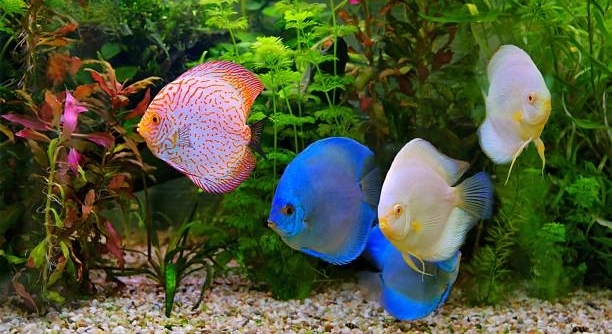
Keeping your discus tank clean is essential for the health of your fish, but cleaning mistakes can harm your aquarium. Whether you’re a beginner or experienced, avoiding common mistakes can make a big difference in tank maintenance.
The most common mistakes in discus tank cleaning include improper water changes, over-cleaning decorations, using the wrong cleaning products, and disturbing the biological filter. These errors can disrupt the delicate balance in the tank and stress your fish.
Correct tank maintenance will not only prevent these mistakes but also contribute to a healthier environment for your discus fish. Understanding what to avoid can make your cleaning routine more effective and stress-free for both you and your fish.
Mistake #1: Not Changing Water Regularly
One of the biggest mistakes when cleaning a discus tank is neglecting to change the water frequently enough. Discus fish are sensitive to water quality, and regular water changes are crucial to keeping them healthy. If the water isn’t changed often, toxins build up and the fish are more likely to get sick. Ideally, you should replace 20% to 30% of the water every week. This helps remove waste, uneaten food, and any harmful chemicals in the tank.
Changing the water regularly ensures that your discus fish live in a cleaner, healthier environment. It also keeps the tank looking clear and vibrant.
You might think it’s okay to go longer between water changes, but this can cause dangerous spikes in ammonia, nitrite, or nitrate levels. These spikes can stress your discus fish and affect their growth and color. By sticking to a consistent schedule, you’ll avoid these problems and maintain a healthier tank overall.
Mistake #2: Over-Cleaning Decorations
Cleaning decorations too often is another common mistake. While it’s important to keep your tank looking tidy, over-cleaning can be harmful. Decorations in the tank house beneficial bacteria that help maintain water quality. If you scrub them too much or too hard, you may remove these essential bacteria, which can throw off the tank’s biological balance.
Instead of scrubbing everything too often, just wipe down decorations lightly when needed. Only clean them fully when you notice a significant buildup of algae or waste.
Avoid using harsh chemicals or scrubbing brushes on tank decorations. A gentle rinse with tank water is usually enough to keep things clean. Over-cleaning disrupts the delicate ecosystem in your tank and can cause unnecessary stress for your discus fish.
Mistake #3: Using Tap Water Without Treating It
Using untreated tap water is a big mistake. Tap water often contains chlorine or chloramine, which can harm discus fish. Always treat the water with a water conditioner before adding it to the tank. This simple step helps ensure the water is safe for your fish and prevents unwanted chemical buildup.
Even though tap water may seem clean, it’s not always suitable for your discus fish. Chlorine and chloramine, if left untreated, can kill off beneficial bacteria in the tank and stress the fish. It’s a good idea to use a water conditioner designed for aquarium use to neutralize these harmful chemicals.
You might also want to test the water’s hardness and pH. While treating the water for chlorine is important, it’s just as crucial to ensure that the water parameters align with your discus fish’s needs. Keeping water at the correct temperature, hardness, and pH will help prevent health problems over time.
Mistake #4: Overfeeding Your Discus Fish
Overfeeding your discus fish is an easy mistake to make, especially when they seem eager to eat. However, this can lead to water quality issues and health problems for the fish. Uneaten food rots in the tank, causing ammonia spikes that can stress your fish.
The general rule is to feed your discus fish only what they can consume in 3 to 5 minutes. This helps prevent overfeeding and ensures that there isn’t excess food left to pollute the water. You can adjust the amount based on their size and activity levels.
If you notice leftover food sinking to the bottom of the tank, it’s a sign you’re feeding too much. This not only affects water quality but also increases the chances of developing unwanted algae growth. Feeding smaller amounts more often is often a better approach.
Mistake #5: Disturbing the Biological Filter
Your biological filter plays a vital role in maintaining a healthy tank environment by breaking down harmful toxins. Constantly disturbing or cleaning it too often can disrupt this important process. Only clean the filter when it’s necessary, such as when water flow slows down.
Cleaning the filter too frequently or aggressively can remove the beneficial bacteria that break down waste in your tank. This leads to water quality issues and creates a lot of extra work. Instead, try to clean the filter every few months or as needed to keep the bacteria colonies intact.
Maintaining your filter properly ensures that your discus fish thrive in a stable environment. Regular checks on the filter’s performance and a light cleaning schedule will help avoid problems in the long run.
Mistake #6: Using Too Many Chemicals
Using too many chemicals in your tank can be harmful to your discus fish. While some treatments are necessary, it’s best to avoid excessive use of products like algaecides, water clarifiers, or medications. Overuse can upset the balance of your tank.
It’s better to address issues naturally or use the minimum amount of chemicals necessary. For example, adding live plants can help naturally control algae growth. The more you rely on chemicals, the more likely you are to disrupt the tank’s natural processes.
Mistake #7: Not Monitoring Water Parameters Regularly
Water parameters can change over time, and not keeping track of them is a serious mistake. Testing for ammonia, nitrites, nitrates, pH, and temperature regularly is essential to your discus fish’s health. A simple test kit can provide all the information you need to avoid problems.
FAQ
How often should I clean my discus tank?
The general rule is to clean your discus tank every week. Regular maintenance, including water changes and light cleaning of decorations, will keep the tank healthy. However, avoid over-cleaning. Removing too many bacteria or disturbing the tank’s natural filtration system can lead to issues. A weekly 20%-30% water change should be sufficient to maintain a balanced environment. You can increase the frequency of cleaning if you notice any water quality problems, like cloudy water or excess algae growth. Just make sure not to overdo it, as excessive cleaning can stress your fish.
What type of water should I use for my discus tank?
Discus fish require soft, slightly acidic water. Tap water often contains chlorine or chloramine, which can harm them, so always treat it with a water conditioner before use. If your tap water is hard, you may want to soften it using reverse osmosis (RO) water or by adding products designed to lower water hardness. Regularly monitor your tank’s pH levels to ensure they stay within the ideal range (6.0-7.0). Keeping your water’s temperature around 82-86°F (28-30°C) is also essential for discus health.
Is it safe to use a gravel vacuum in a discus tank?
Yes, using a gravel vacuum is an effective way to remove debris and waste from the substrate without disrupting the tank too much. Just be gentle when vacuuming and avoid digging too deeply into the gravel to avoid disturbing the biological filter. A light vacuuming every week during your water change is sufficient. Vacuuming too often or too aggressively can remove beneficial bacteria from the substrate, so keep it mild. Focus on areas with visible waste or uneaten food.
How can I reduce algae in my discus tank?
Algae growth in your discus tank is usually caused by excessive nutrients in the water. To reduce algae, start by ensuring you’re not overfeeding your fish. Uneaten food can lead to excess nutrients, which fuel algae growth. Consider adding live plants, as they compete with algae for nutrients and help naturally control its growth. Regular water changes and maintaining proper water parameters will also help keep algae at bay. If algae becomes a persistent problem, you may need to manually remove it with a sponge or algae scraper.
Can I use an automatic fish feeder for discus?
Automatic fish feeders can be a useful tool for feeding discus fish, especially if you’re away for short periods. However, be cautious of overfeeding. Discus fish are prone to overeating, and an automatic feeder could dispense more food than necessary. Make sure the feeder is set to give small amounts at regular intervals, not large amounts at once. Also, remember that discus fish require high-quality food with specific nutritional content, so ensure the feeder uses a food type appropriate for them.
Should I remove my discus fish during tank cleaning?
Generally, there is no need to remove your discus fish during regular tank cleaning. However, if you plan on doing a major overhaul or cleaning the filter, it may be a good idea to temporarily move them to a quarantine tank. This minimizes the stress caused by significant changes in the tank environment. If you do leave them in, ensure that the water parameters remain stable during the cleaning process. Avoid sudden changes in temperature, pH, or water quality, as this can stress your fish.
How can I tell if my discus fish are stressed?
Discus fish can show signs of stress in several ways, including loss of color, erratic swimming, hiding, or rubbing against tank surfaces. They may also stop eating or display unusual breathing patterns. Stress can be caused by poor water quality, sudden changes in their environment, or overcrowding in the tank. If you notice these signs, check your tank’s water parameters immediately. Make sure the temperature is consistent and there are no aggressive tank mates. Keeping a stable, clean environment is crucial to maintaining healthy discus fish.
What is the best tank size for discus fish?
Discus fish grow to a fairly large size, and they need plenty of space to thrive. A minimum tank size of 55 gallons is recommended for a small group of discus. If you plan on keeping more than three or four fish, a 75-gallon tank or larger will be necessary to avoid overcrowding. Discus are sensitive to water quality, and larger tanks are easier to maintain as they provide better water stability. The more space your discus have, the healthier and less stressed they’ll be.
Can I use a filter that is too strong for my discus tank?
Strong filters can be stressful for discus fish, as they prefer calmer water. A powerful filter may create too much current, which can make it difficult for discus to swim comfortably. Choose a filter with an adjustable flow rate, and avoid positioning it directly where your fish swim. A sponge filter or canister filter with a gentle flow is often ideal for discus tanks. Make sure the filter size is appropriate for your tank and provides sufficient biological filtration without disrupting the water flow too much.
How can I prevent disease in my discus tank?
The best way to prevent disease in your discus tank is through consistent tank maintenance and good water quality. Regular water changes, a stable temperature, and proper filtration all help keep your discus healthy. Quarantine any new fish before adding them to your tank to avoid introducing diseases. Additionally, feed your discus high-quality food to boost their immune system and avoid overfeeding, which can lead to poor water quality. Keeping stress levels low in your tank is also essential for preventing disease.
Final Thoughts
Cleaning a discus tank isn’t difficult, but it does require consistency and attention to detail. Avoiding the common mistakes listed here will help you maintain a healthier environment for your fish. Remember, discus fish are sensitive creatures, and even small changes in their environment can lead to stress or health problems. Keeping water quality high and maintaining a proper cleaning schedule is key to their well-being. Regular water changes, gentle cleaning methods, and avoiding overfeeding will go a long way in keeping your discus healthy and happy.
While it’s important to maintain a clean tank, it’s equally crucial to avoid overdoing it. Excessive cleaning, especially of the filter or decorations, can disturb the beneficial bacteria that play an essential role in your tank’s ecosystem. This can lead to problems like spikes in ammonia or nitrates, which can stress your discus fish. Always clean the tank gently and don’t disrupt the biological filter too often. A balanced approach will ensure that both your tank and your fish thrive over time.
Ultimately, discus care comes down to understanding their needs and responding with patience. They may be a bit more demanding than other fish, but with the right care, they can be incredibly rewarding. By staying aware of water parameters, feeding appropriately, and avoiding common mistakes, you will create an environment where your discus fish can grow and flourish. With time, you’ll feel more confident in your ability to maintain a beautiful and healthy tank for your discus.

Hello,
If you enjoy the content that we create, please consider saying a "Thank You!" by leaving a tip.
Every little bit helps us continue crafting quality advice that supports the health, happiness, and well-being of pets around the world, for pets of all shapes, sizes, and species.
We really appreciate the kindness and support that you show us!