
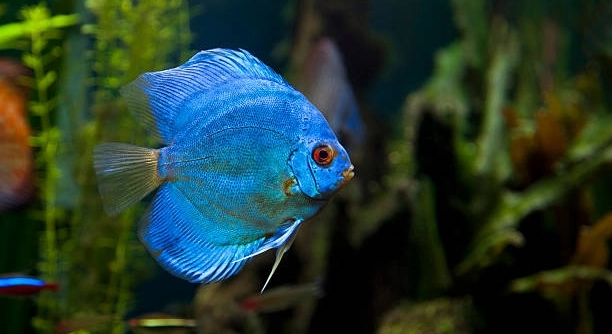
Discus fish are popular among aquarium enthusiasts for their bright colors and graceful shapes. Many people enjoy keeping them but might not know some interesting facts about these unique fish. This article shares surprising information about discus fish.
Discus fish are a group of cichlids native to the Amazon River basin, known for their round, laterally compressed bodies and vibrant colors. They require stable water conditions, specific diets, and careful care to thrive in captivity. Their social behavior and breeding habits are also distinct.
These facts will help you better understand and care for discus fish in your home aquarium. Learning about their nature can improve their well-being and your enjoyment.
Discus Fish Require Very Stable Water Conditions
Discus fish are sensitive to changes in their environment, especially water quality. They need clean, warm water with a temperature between 82 and 86 degrees Fahrenheit. Sudden changes in pH or temperature can stress them, leading to illness or even death. Because they come from the Amazon, their natural habitat has soft, slightly acidic water. Keeping their tank water close to these conditions is important. Regular water testing and frequent partial water changes help maintain stability. Filtration is also crucial, but it should not create strong currents since discus prefer calm waters. It may take time to get the conditions just right, but this care is essential for healthy fish.
Maintaining stable water conditions helps discus live longer and stay healthy. They thrive when their tank environment closely matches their natural habitat.
Paying attention to water quality is one of the most important steps for anyone keeping discus fish. It affects their behavior, coloration, and overall health. Even small fluctuations can cause stress that lowers their immune system. Many new owners underestimate how much work this requires. The tank should be cycled properly before adding discus, and equipment like heaters and filters must be reliable. Testing kits are helpful tools to check pH, ammonia, nitrite, and nitrate levels regularly. A gentle water flow with frequent but partial water changes keeps the fish comfortable and healthy. Keeping stable water conditions also supports breeding efforts, which can be difficult if the environment fluctuates too much.
Discus Fish Communicate Through Color Changes
Discus fish use their color to express moods and intentions. When relaxed, their colors are bright and vibrant. Stress or illness can cause colors to dull or darken. During breeding or territorial disputes, their colors may intensify or change patterns. These changes are subtle but important signals to other fish. Observing color shifts helps you understand how your discus are feeling. If a fish suddenly loses color or becomes very pale, it might need more care or a check for disease. Color changes also help discus establish hierarchy within their group. Watching these natural behaviors adds to the enjoyment of keeping them and helps you respond to their needs quickly.
Discus communicate visually, and understanding these cues can improve how you care for them. Recognizing color changes helps keep your fish healthy.
Noticing the color changes in discus fish can be both fascinating and useful. These fish rely heavily on visual signals to interact. When a discus feels safe, relaxed, and healthy, its colors shine. Stress from poor water quality, tank mates, or illness can cause colors to fade. Color shifts may also warn of aggression or the breeding cycle. For example, during mating, discus may display brighter patterns to attract partners. Observing these signs helps prevent conflicts and keeps the tank peaceful. Adjusting care based on color changes can lead to a more balanced aquarium environment. It also allows you to catch problems early, improving the chance of recovery. Overall, paying attention to these visual signals strengthens your connection with your fish and their wellbeing.
Discus Fish Prefer Group Living
Discus fish feel safer and more confident in groups of at least five or six. They are social creatures that form a hierarchy within their group, which reduces aggression and stress.
Keeping discus in groups mimics their natural behavior in the wild, where they live in schools. A larger group spreads out any aggression, so no single fish becomes a constant target. When kept alone or in very small numbers, discus may become shy or stressed. Group living encourages natural interactions, including schooling and breeding behaviors. It also helps maintain their mental well-being. Watching discus swim together calmly and interact can be very rewarding. Proper tank size is important to accommodate a group comfortably, usually at least 50 gallons for six fish. Group housing requires careful attention to water quality and feeding to support all individuals equally.
Feeding discus in groups means ensuring all fish get enough food without overfeeding. Careful observation helps prevent bullying during meal times, promoting harmony.
Discus Fish Can Recognize Their Owners
Discus fish learn to recognize the person who feeds and cares for them. They can associate humans with food and safety, often swimming to the front of the tank when their owner approaches.
This recognition is a result of regular interaction and feeding routines. Discus have good memories for fish and can distinguish between different people. They respond to the presence of their caretaker, showing signs of curiosity and even excitement. This behavior builds a bond that makes daily care more enjoyable. Consistent feeding times and gentle movements around the tank encourage discus to become comfortable and trusting. Over time, they may even take food from your hand. This connection makes caring for discus feel more personal and rewarding, improving their overall health and happiness.
Discus Fish Are Sensitive to Loud Noises
Discus fish react negatively to loud or sudden noises near their tank. Loud sounds can stress them and cause hiding or erratic swimming.
Keeping the environment around the tank quiet helps maintain their calm. A peaceful space supports their well-being and natural behavior.
Discus Fish Have Unique Parenting Habits
Discus parents care for their young in a special way. After hatching, the fry feed on a mucus layer produced by their parents’ skin. This is rare among fish and provides essential nutrients and protection. Both mother and father share this responsibility, staying close to the fry and guarding them from threats. This strong parental care increases the young fish’s chances of survival in the wild and in home aquariums.
Discus Fish Benefit from Regular Feeding Schedules
A consistent feeding routine helps discus stay healthy and reduces stress.
What do discus fish eat?
Discus fish eat a varied diet that includes high-quality flakes, pellets, frozen or live foods such as bloodworms, brine shrimp, and daphnia. They thrive on protein-rich foods that support their vibrant colors and growth. Feeding a mix of foods helps meet their nutritional needs and prevents boredom.
How often should I feed discus fish?
Feeding discus fish 2 to 3 times a day in small amounts is ideal. Overfeeding can pollute the tank and cause health problems. It’s better to offer only what they can eat within a few minutes. Regular feeding schedules help reduce stress and improve digestion.
Can discus fish live with other fish?
Discus fish can live with peaceful, slow-moving tank mates like tetras, corydoras, and dwarf cichlids. Avoid aggressive or fast fish that may stress or outcompete them for food. Compatibility depends on tank size and water conditions being suitable for all species involved.
How big do discus fish get?
Adult discus typically grow to about 6 to 8 inches in diameter. Their size depends on genetics, diet, and tank environment. Providing enough space is important for their health and natural behavior, especially when keeping a group.
What tank size is best for discus fish?
A minimum of 50 gallons is recommended for a small group of 5 to 6 discus. Larger tanks offer better water stability and more swimming space. Tank size should increase with the number of fish to maintain good water quality and reduce stress.
How do I breed discus fish?
Breeding discus requires stable water conditions and a healthy, compatible pair. Provide flat surfaces for egg laying, such as slate or broad leaves. Parents will guard the eggs and fry, feeding them with mucus from their skin. Raising fry needs extra care and clean water.
Why is my discus fish losing color?
Loss of color can be caused by stress, poor water quality, illness, or improper diet. Check water parameters carefully and watch for signs of disease. Improving tank conditions and nutrition often helps restore their vibrant colors.
How do I treat common discus fish diseases?
Common diseases include ich, fin rot, and internal parasites. Treatment usually involves improving water quality and using medications designed for freshwater fish. Quarantining new fish before adding them to the tank helps prevent spreading illness.
Can discus fish live for a long time?
With proper care, discus fish can live 10 years or more. Maintaining stable water conditions, a balanced diet, and a calm environment helps them thrive and reach their full lifespan.
Is it hard to care for discus fish?
Discus fish require more attention than many other freshwater fish. Their sensitivity to water conditions and diet means regular maintenance and observation are necessary. However, their beauty and behavior make the effort rewarding for many keepers.
Discus fish are special and beautiful pets that need careful care to stay healthy. They are not the easiest fish to keep, but many people find their bright colors and calm nature worth the effort. Understanding their needs, such as stable water conditions, a good diet, and the right social environment, helps ensure they live long and happy lives. When cared for properly, discus fish can be a stunning addition to any aquarium, bringing life and color to the tank.
One important thing to remember about discus fish is that they are sensitive to changes in their environment. They require clean, warm, and soft water to thrive, similar to the conditions found in their natural habitat in the Amazon River basin. Keeping these conditions steady takes time and attention. Regular water testing, partial water changes, and gentle filtration are key parts of their care routine. It may feel like a lot at first, but once the right setup is established, discus fish usually adapt well and show their best colors and behavior.
Lastly, discus fish are social creatures that do best when kept in groups. Their social behavior and color changes can be interesting to watch and add enjoyment to the experience of keeping them. They also recognize their caretakers and can respond positively to regular interaction. Providing a peaceful and stable environment, feeding them well, and paying attention to their signals all help discus fish stay healthy and happy. For those willing to invest time and care, discus fish offer a rewarding aquarium experience.

Hello,
If you enjoy the content that we create, please consider saying a "Thank You!" by leaving a tip.
Every little bit helps us continue crafting quality advice that supports the health, happiness, and well-being of pets around the world, for pets of all shapes, sizes, and species.
We really appreciate the kindness and support that you show us!