
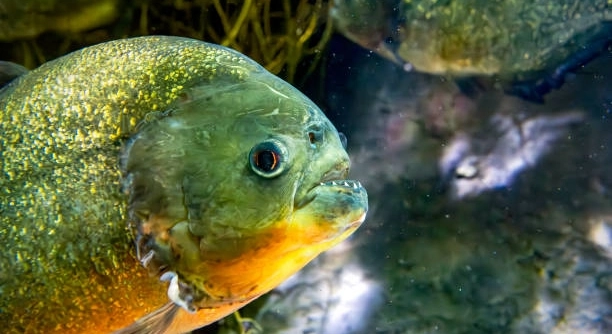
Piranhas are often seen as fierce fish, but their behavior changes depending on the time of day. Observing these differences can help us understand their habits better. Day and night bring out unique patterns in how they act and interact.
Piranhas show distinct behavioral changes between day and night. During the day, they tend to be more social and active in groups, while at night they become solitary and hunt more aggressively. These shifts are influenced by light levels and feeding needs.
Knowing how piranhas behave differently during day and night can help improve how we study and care for them in both natural and controlled environments.
Daytime Piranha Behavior
During the day, piranhas tend to gather in groups called schools. This social behavior helps protect them from predators and makes it easier to find food. They usually stay near the surface or around underwater plants where there is plenty of light. These fish are more active and swim around looking for small prey or scavenging leftovers. Daylight also makes it easier for them to spot threats, so they are alert and cautious. When food is available, piranhas communicate with quick movements to coordinate their actions. Their activity level during the day is generally moderate, balancing feeding and staying safe.
Piranhas’ daytime behavior is shaped by safety in numbers and the need to conserve energy.
The group behavior seen during daylight provides them with better defense and feeding chances. Being in schools reduces the risk for individual fish. It also helps them compete less aggressively for food. When the sun goes down, this pattern changes as piranhas become more independent and focused on hunting alone. This shift helps them take advantage of different food sources and avoid competition. Understanding these daytime habits is important for anyone observing or caring for piranhas, as their social structure plays a big role in their health and survival.
Nighttime Piranha Behavior
At night, piranhas usually separate from their groups and become more solitary.
Without daylight, their hunting behavior changes. Piranhas rely more on their sharp senses of smell and lateral line to detect movement in the water. Darkness encourages more aggressive feeding, often targeting larger prey. They move quietly and slowly, using stealth to surprise their targets. This change helps them avoid competition and take advantage of night-active animals. Their vision is less important at night, so they depend on other senses to navigate. Nighttime also brings a shift in activity, where they conserve energy between hunts and remain hidden from bigger predators. The balance between hunting and safety is different from the day.
This solitary hunting style shows how piranhas adapt to changing conditions to survive and feed efficiently. It also explains why nighttime observations reveal more aggressive behavior. Keeping this in mind helps with better care or study of these fish in captivity or nature. Adjusting tank lighting and feeding schedules can support their natural rhythms and improve their well-being.
Feeding Patterns
Piranhas eat differently during day and night. Their food choices and hunting methods change based on the time.
During the day, piranhas mostly feed on smaller fish, insects, and plant matter. They rely on sight to find food, so they focus on prey that is easy to spot in the light. Feeding often happens in groups, which helps them catch prey more effectively but reduces competition among individuals. They may also scavenge, eating leftovers from other animals.
At night, piranhas switch to hunting larger prey or animals that are active in the dark. They use smell and water vibrations to detect food. This feeding shift helps them avoid fighting over food during the day and makes the most of different food sources. Their night hunting is usually more aggressive and solitary.
Movement and Activity Levels
Piranhas move differently depending on the time of day. Daytime activity is more social and less intense.
During the day, piranhas swim in schools, which lowers their energy use and increases safety. They stay mostly near the surface or plants, where they can easily spot danger or food. This group movement is steady and calm, with occasional bursts of speed when hunting or escaping threats. Their activity levels balance feeding and resting periods to conserve energy.
At night, piranhas become more active in hunting. They move quietly and alone to avoid drawing attention. Their swimming is slower but more focused, using senses other than sight to track prey. Night movement requires more energy, but it increases their chances of catching food. This behavior shows how they adapt their activity to meet survival needs at different times.
Communication Methods
Piranhas use different ways to communicate during the day and night.
In daylight, they rely mostly on body movements and quick flashes to signal each other within the group. At night, they depend more on water vibrations and subtle changes in movement to stay aware of nearby fish.
Response to Threats
Piranhas respond to threats more actively during the day. Their schooling behavior helps them protect each other by confusing predators. At night, they rely on hiding and staying still to avoid danger, since being alone makes them more vulnerable.
Sensory Adaptations
Piranhas adjust their senses based on the light available. During the day, their vision is sharp, helping them spot prey and threats clearly. At night, they switch focus to smell and the lateral line system, which detects water movement, allowing them to hunt and navigate in darkness.
Rest and Recovery
Piranhas rest more during daylight hours, especially in the middle of the day when temperatures rise. This helps them save energy. Nighttime rest is minimal, as they remain alert and ready to hunt or escape danger.
What makes piranha behavior change between day and night?
Piranhas change their behavior mainly because of light levels and safety needs. During the day, there is more light, so they feel safer in groups and rely on sight to find food and watch for predators. At night, darkness limits their vision, so they depend on smell and water vibrations instead. This makes them more solitary and focused on hunting quietly. The switch helps them avoid competition and danger while using different senses to survive.
Do piranhas hunt more aggressively at night?
Yes, piranhas are generally more aggressive hunters at night. When they are alone, they rely on stealth and surprise to catch prey. Darkness gives them an advantage because many fish and animals are less alert. Without daylight, piranhas focus on sensing movement and smell to track food. This aggressive behavior is different from the daytime, where they hunt in groups and share food sources more peacefully.
How does schooling affect piranha behavior during the day?
Schooling provides safety and helps piranhas find food more easily. In groups, they can confuse predators and reduce the risk to individual fish. It also allows them to work together when hunting small prey or scavenging. Schooling lowers aggression because fish share resources more fairly. The group moves calmly but can quickly react to danger or food. This social behavior is less common at night when piranhas separate to hunt alone.
Why do piranhas rely less on vision at night?
At night, there is very little light, so piranhas cannot see well. Their eyes are adapted for daylight, so they switch to other senses to navigate. They use their lateral line system to detect vibrations and movement in the water. They also rely heavily on smell to find prey. These senses help them hunt in complete darkness without relying on sight, which reduces their chance of being spotted by predators.
Are piranhas more vulnerable at night?
Yes, being alone at night makes piranhas more vulnerable to larger predators. Without the protection of a group, they must hide or stay very still to avoid being seen. Their quiet and slow movements help them avoid danger. Still, night can be risky because they are out hunting and using more energy. Their survival depends on balancing the need to feed with avoiding threats.
How do feeding habits differ between day and night?
During the day, piranhas eat smaller fish, insects, and plant materials mostly found near the surface or plants. They hunt in groups and often scavenge leftovers. At night, they target larger or more active prey, using their senses to find food in the dark. Night feeding is more solitary and aggressive, allowing them to exploit different resources and avoid daytime competition.
Do piranhas rest differently in day versus night?
Piranhas rest mostly during the daytime, especially when it is hottest. Resting helps them save energy and avoid overheating. They stay in shaded or hidden areas within the group. At night, rest is limited because they stay alert to hunt and avoid predators. Their activity shifts to periods of quiet movement and focused hunting.
Can piranhas sense danger better during the day?
Yes, during the day piranhas use their sharp vision to spot threats early. Being in schools also provides many eyes to detect predators. This makes them more cautious and ready to swim away if danger appears. At night, without good vision, they rely on feeling vibrations and changes in water movement to sense danger, which is less precise but still effective.
How do piranhas communicate during different times?
In daylight, piranhas use body movements, quick flashes, and changes in swimming speed to signal each other. These visual signals help coordinate group behavior. At night, visual signals are less useful, so they depend on sensing water vibrations and subtle body shifts to stay aware of nearby fish. This allows them to avoid collisions and stay alert even in the dark.
Does light affect piranha activity levels?
Light strongly influences piranha activity. Daylight encourages social swimming and moderate feeding in groups, keeping activity steady but not too intense. Darkness triggers solitary, slow, and careful movements focused on hunting. The shift in light conditions leads to clear differences in how active piranhas are and what behaviors they display at any given time.
Are there any special adaptations piranhas have for night behavior?
Yes, piranhas have developed sensory adaptations that help them hunt and survive at night. Their lateral line system is very sensitive to water vibrations, allowing them to detect movement without seeing it. Their sense of smell is also well developed to find prey. These adaptations let them navigate and feed effectively in darkness, compensating for limited vision.
How can understanding day and night piranha behavior help in care or study?
Knowing these behavioral differences helps in setting up tanks and feeding schedules that match natural rhythms. For example, adjusting light cycles and providing food at night supports their hunting instincts. It also improves their well-being by reducing stress and encouraging natural activity patterns. Researchers can better observe and interpret piranha behavior by considering these day and night shifts. This knowledge is important for both hobbyists and scientists working with these fish.
Piranhas are often seen as just fierce fish, but their behavior is more complex and changes a lot between day and night. During the day, they gather in groups, swim near the surface, and use their sharp vision to find food and stay safe. This social behavior helps them protect each other from predators and makes feeding easier. In contrast, at night piranhas become more solitary and quiet, relying on their senses of smell and water movement to hunt. These changes are important for their survival and show how well they adapt to different conditions in their environment.
Understanding the differences in piranha behavior between day and night can help us care for them better, whether in the wild or in captivity. For example, knowing they are more active and aggressive hunters at night can guide feeding schedules to match their natural habits. Providing a tank environment that mimics day and night cycles also supports their well-being. This knowledge allows hobbyists and researchers to reduce stress on the fish and improve their health. It also gives a clearer picture of how piranhas live and survive in their natural habitats.
Overall, day and night bring unique behaviors that are essential to piranhas’ daily life. They balance safety, feeding, and energy use by changing their activity, group size, and hunting style. These adaptations help piranhas fit well into their ecosystems and avoid many dangers. Taking time to observe and learn about these differences can lead to a deeper appreciation of these fish beyond their fierce reputation. Knowing how piranhas act in both light and dark times adds to our understanding of aquatic life and the delicate balance in rivers and lakes where they live.

Hello,
If you enjoy the content that we create, please consider saying a "Thank You!" by leaving a tip.
Every little bit helps us continue crafting quality advice that supports the health, happiness, and well-being of pets around the world, for pets of all shapes, sizes, and species.
We really appreciate the kindness and support that you show us!