
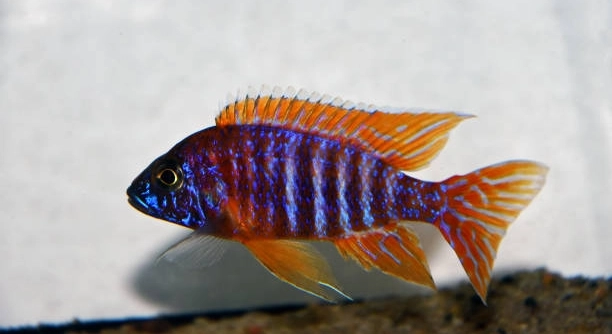
Convict cichlids are fascinating fish, often admired for their bold patterns and active behavior. Their environment plays a significant role in shaping their appearance, habits, and interactions, making wild and tank-raised convicts noticeably different in many ways.
Wild convict cichlids and tank-raised specimens differ in coloration, size, aggression levels, diet, breeding behavior, adaptability, and social interactions. Environmental factors, genetic variability, and human intervention influence these differences, resulting in distinct physical and behavioral characteristics between the two groups.
Recognizing these differences can help aquarists provide proper care and better understand the natural tendencies of these vibrant fish. It sets the stage for exploring their unique traits in detail.
Coloration Differences
Wild convict cichlids display darker, more defined stripes and often have a subtle bluish or greenish tint. Tank-raised convicts are usually lighter, with more faded or uniform stripes. These differences come from environmental factors, diet, and lighting conditions. Wild convicts adapt their coloration for camouflage, helping them avoid predators in rivers and lakes. In contrast, tank-raised fish grow in controlled environments with minimal threats, so their patterns are less vivid. Stress and water quality also influence coloration. Wild convicts tend to have more natural variation, while tank-raised fish often appear uniform across a group. Observing these differences can reveal insights into their behavior and health. For breeders, coloration is often a key factor in selecting fish for displays or competitions. Home aquarists may notice these traits while monitoring tank dynamics. Understanding how environment impacts color helps provide proper care for both types of convict cichlids, ensuring they thrive.
Wild convicts appear more vibrant due to natural light and varied diet, while tank-raised fish show softer, uniform patterns.
Tank-raised convicts may develop slightly different shades over generations due to selective breeding. Their diet in captivity, often consisting of flakes and pellets, provides less natural pigment than the diverse insects and plants wild convicts consume. Additionally, tank lighting does not replicate sunlight, which contributes to the muted coloration. Wild fish, exposed to sunlight and natural habitats, maintain sharper contrasts in their stripes. These variations affect mating and territorial behavior, as color intensity signals dominance and fitness. Aquarists who aim for natural appearance may adjust lighting and offer carotenoid-rich foods to enhance colors in captive fish. Observing these patterns can also indicate stress or illness, making color a practical indicator of health.
Size and Growth Patterns
Wild convict cichlids are generally smaller and leaner due to natural food scarcity and predation pressures.
Tank-raised convicts often grow larger because of consistent feeding and reduced threats, leading to more robust body structures.
In captivity, convicts receive regular portions of nutrient-rich food, promoting faster growth and increased weight. Wild fish must forage for limited resources, which naturally limits their size. The tank environment provides safety, reducing energy spent on escape and survival, further contributing to their larger size. Breeding practices can also select for bigger fish, amplifying the difference over generations. While larger size may seem advantageous, it can impact tank dynamics, as more robust fish may dominate smaller tank mates. Understanding growth differences helps aquarists plan tank space and population density, ensuring balanced social interactions. Recognizing these size patterns is important for breeding programs as well, especially when pairing fish for optimal health and minimizing aggression. Proper tank management ensures that both wild-type and tank-raised convicts maintain their well-being and natural behaviors.
Aggression Levels
Wild convict cichlids are naturally more aggressive, defending territory and resources vigorously.
This heightened aggression stems from survival pressures in rivers and lakes, where competition for food, shelter, and mates is intense. Wild convicts establish strong hierarchies, often chasing intruders and defending spawning sites fiercely. In contrast, tank-raised fish grow in controlled environments with fewer threats, so aggression is often milder and easier to manage. However, even captive convicts retain some territorial instincts, especially during breeding or when the tank becomes overcrowded. Observing behavior differences helps aquarists anticipate conflicts and plan tank layouts to reduce stress.
Aggression in tank-raised convicts can appear suddenly if their environment changes, such as adding new fish or rearranging decorations. These fish rely on visual cues and territory markers to maintain hierarchy, and sudden changes can trigger defensive behavior. Providing sufficient hiding spots and monitoring interactions allows for safer cohabitation. Over time, captive convicts may show predictable aggression patterns, which makes managing tank dynamics simpler than with wild counterparts. Understanding the roots of aggression ensures healthier interactions and a more balanced tank environment.
Wild convicts often display more complex aggression strategies. They use displays, chasing, and occasional nipping to establish dominance. This behavior is adaptive, helping them survive and reproduce in unpredictable habitats. Captive fish, having fewer threats, tend to show simpler, less frequent displays, conserving energy. Their aggression is usually triggered by breeding or overcrowding rather than survival needs. Recognizing these patterns can guide tank management and breeding practices.
Diet and Feeding Habits
Wild convict cichlids consume a varied diet of insects, crustaceans, and plant matter, adjusting based on availability.
In contrast, tank-raised convicts receive prepared foods like flakes, pellets, and occasional frozen or live options. The consistent, nutrient-rich diet in captivity promotes faster growth but lacks the variety found in the wild. Wild fish must forage, adapting to seasonal changes and unpredictable resources. This flexibility makes them more selective and cautious eaters. Tank-raised fish often eat more readily and may overconsume if not monitored.
Diet impacts not only growth and coloration but also overall behavior. Wild convicts spend significant time foraging, which keeps them active and lean. Tank-raised convicts expend less energy and may develop different feeding behaviors, sometimes becoming competitive over food. Providing enrichment, such as hiding food or introducing live options, helps mimic natural habits and maintain health. Monitoring diet quality is essential for both types, as deficiencies can affect immunity, breeding success, and longevity. Adjusting feeding routines to suit each group ensures balanced nutrition and supports their natural tendencies.
Breeding Behavior
Wild convict cichlids form strong pair bonds and fiercely guard their eggs and fry.
Tank-raised convicts also breed readily, but their parental behavior can be less intense due to predictable environments and lower threats, making fry survival easier in captivity.
Adaptability
Tank-raised convicts adjust more easily to varied water conditions, temperature changes, and diet modifications. Their controlled upbringing allows them to tolerate fluctuations that would stress wild fish, making them simpler to maintain in home aquariums.
Social Interactions
Wild convicts are selective with companions, often showing dominance hierarchies and clear territorial boundaries, while tank-raised fish are usually more flexible and tolerant of other tank mates, reducing conflicts in shared environments.
FAQ
What are the main differences between wild and tank-raised convict cichlids?
Wild convict cichlids have darker, more defined stripes and leaner bodies. They are more aggressive, selective in social interactions, and skilled foragers. Tank-raised convicts are lighter in color, grow larger due to consistent feeding, and show milder aggression. Their behaviors and adaptability are shaped by predictable environments.
Do tank-raised convict cichlids need the same diet as wild ones?
No. While wild convicts eat a varied diet of insects, crustaceans, and plant matter, tank-raised fish thrive on high-quality flakes, pellets, and occasional frozen or live foods. Offering occasional variety can improve coloration and stimulate natural foraging behaviors.
Are wild convict cichlids more aggressive than tank-raised ones?
Yes. Wild fish defend territory, resources, and mates vigorously. Tank-raised convicts still show territorial behavior, especially during breeding, but their aggression is usually milder and easier to manage due to fewer environmental pressures.
How do coloration and patterns differ between wild and tank-raised convicts?
Wild convicts display sharper, more contrasting stripes with subtle hues influenced by sunlight and diet. Tank-raised fish have softer, more uniform patterns because of indoor lighting and standardized diets. Color intensity may also indicate health and stress levels.
Do wild convict cichlids grow smaller than tank-raised ones?
Typically, yes. Wild fish remain leaner due to limited food and energy spent escaping predators. Tank-raised convicts have constant access to food and expend less energy, resulting in larger, more robust bodies. Size also affects social hierarchy and breeding.
Can tank-raised convicts adapt to new environments easily?
Yes. They tolerate changes in water conditions, temperature, and diet better than wild fish. Their upbringing in controlled conditions allows them to adjust to aquarium life without the stress wild fish experience when introduced to unfamiliar environments.
Do both wild and tank-raised convicts care for their fry the same way?
Wild convicts show intense parental care, guarding eggs and fry aggressively. Tank-raised convicts also care for their young, but parental behavior is usually less intense. Fry survival is higher in captivity due to fewer threats and controlled conditions.
Are social interactions different between wild and tank-raised convict cichlids?
Yes. Wild fish maintain strict hierarchies and territories, interacting selectively with companions. Tank-raised convicts are generally more tolerant and flexible, reducing conflict in shared tanks. Observing interactions can help determine compatibility in multi-fish setups.
How does aggression impact tank management?
Understanding aggression helps prevent fights and stress. Wild fish require more space and hiding spots. Tank-raised convicts are easier to manage but still need monitoring during breeding or when adding new fish. Proper tank layout reduces confrontations.
Should I mix wild and tank-raised convict cichlids?
Mixing can be challenging. Wild convicts may intimidate or outcompete tank-raised fish due to size, coloration, and aggression differences. Careful monitoring and ample space are essential to prevent stress and injuries in mixed groups.
Do diet differences affect health in captive convicts?
Yes. A balanced diet mimicking natural nutrients helps maintain coloration, immune function, and growth. Wild-type diets are diverse, while tank-raised diets are controlled but may need supplementation to prevent deficiencies and promote optimal health.
Can tank-raised convicts survive in natural habitats?
They may survive short-term but are less equipped for predators, scarce food, and environmental fluctuations. Lifelong captive conditions reduce survival skills, making adaptation to wild habitats difficult without careful acclimation.
How do breeders use the differences between wild and tank-raised convicts?
Breeders select traits like size, coloration, and temperament. Tank-raised convicts are often chosen for predictable behavior and growth, while wild traits can enhance natural patterns or aggression for breeding programs, creating desirable offspring.
Does aggression affect feeding behavior?
Yes. Wild convicts compete for limited resources, while tank-raised fish may overeat if food is abundant. Structured feeding routines and environmental enrichment help reduce competition and mimic natural foraging behavior.
Are there health risks for wild convict cichlids in aquariums?
Wild fish can be more sensitive to water quality changes and stress. They may carry parasites or illnesses not present in tank-raised fish. Quarantine and careful monitoring are essential to maintain health and prevent disease spread.
Do environmental conditions influence growth and behavior?
Strongly. Wild convicts grow lean and agile due to natural pressures, while tank-raised convicts grow larger and show milder behavior due to stable conditions. Lighting, temperature, and space also affect coloration, aggression, and social interactions.
How can I improve the coloration of tank-raised convicts?
Offering carotenoid-rich foods, maintaining clean water, and providing natural lighting or full-spectrum aquarium lights helps enhance natural colors. Stress reduction and environmental enrichment also improve vibrancy and overall health.
Are wild convict cichlids harder to care for than tank-raised ones?
Yes. Their sensitivity to environmental changes, aggressive tendencies, and selective diet make them more demanding. Tank-raised fish adapt more easily, tolerate varied conditions, and are generally less challenging to maintain in a home aquarium.
Do tank-raised convicts exhibit natural behaviors?
They do, but behaviors are often milder or modified. Activities like foraging, territorial displays, and parental care may be less intense. Providing environmental enrichment helps preserve these instincts and encourages natural activity.
How do I recognize stress in convict cichlids?
Signs include faded coloration, erratic swimming, hiding excessively, loss of appetite, or aggression spikes. Both wild and tank-raised fish show stress indicators, and addressing water quality, space, and social interactions can reduce these issues.
What is the best way to breed tank-raised convict cichlids?
Select compatible pairs, provide flat surfaces or caves for eggs, and maintain stable water conditions. Regular feeding with nutritious foods supports healthy fry development. Observation ensures parents are not stressed or aggressive toward their young.
Are there long-term behavioral differences between wild and tank-raised convicts?
Yes. Wild fish remain cautious, territorial, and skilled at foraging. Tank-raised fish are bolder, adaptable, and less defensive. These behavioral differences persist throughout life and influence interactions, breeding, and tank management strategies.
Can wild and tank-raised convicts be distinguished visually?
Generally, yes. Wild fish have darker, more vivid stripes, leaner bodies, and sharper color contrasts. Tank-raised fish often show uniform patterns, softer coloration, and a bulkier build due to diet and environment.
Do tank-raised convicts require hiding spots?
Yes. Even with milder aggression, they need territory markers and shelters to reduce stress, mimic natural behavior, and prevent conflicts during breeding or group interactions.
How does selective breeding impact tank-raised convict cichlids?
Selective breeding emphasizes traits like size, color, and temperament. Over generations, this can create more uniform fish with predictable behavior, which differs from the natural variability seen in wild populations.
Can tank-raised convict cichlids survive in poorly maintained tanks?
They are more resilient than wild fish but still need clean water, proper filtration, and a balanced diet. Neglect can lead to disease, stunted growth, and stress-related aggression.
Is there a difference in lifespan between wild and tank-raised convicts?
Tank-raised convicts often live longer due to consistent care, lack of predators, and steady nutrition. Wild fish face natural risks that can shorten their lifespan despite being well-adapted to survival.
How do I handle aggression when introducing new fish?
Provide hiding spots, rearrange decorations to reset territories, and monitor interactions closely. Gradual introductions and adequate space reduce conflicts and stress among both wild-type and tank-raised convicts.
Are tank-raised convicts suitable for community tanks?
Generally, yes. Their milder aggression makes them compatible with other species, but careful monitoring and sufficient space are necessary, especially during breeding periods or when tank density increases.
Can stress affect reproduction?
Yes. Stress from poor water quality, overcrowding, or frequent disturbances can reduce breeding success. Both wild and tank-raised convicts require stable conditions to spawn effectively and protect fry.
Do wild convicts require more space than tank-raised fish?
Typically, yes. Their territorial instincts and higher aggression demand larger territories. Providing ample space and hiding areas helps minimize conflicts and supports natural behaviors.
How important is water quality for convict cichlids?
Critical. Both wild and tank-raised fish need clean, stable water. Poor conditions lead to stress, illness, and behavioral changes, including aggression or loss of appetite. Regular monitoring and maintenance are essential.
Do tank-raised convicts need enrichment activities?
Yes. Providing hiding spots, varied surfaces, and occasional live or frozen food encourages natural behaviors, reduces stress, and keeps them active. Enrichment helps mimic wild conditions even in captivity.
Can tank-raised convicts interbreed with wild ones?
Yes. They are the same species, but offspring may show intermediate traits in size, coloration, and behavior depending on the mix of wild and captive genes.
How do I encourage healthy parental care in tank-raised convicts?
Provide flat surfaces or caves for eggs, maintain stable water parameters, and avoid disturbing the pair. Proper nutrition and monitoring reduce stress and improve fry survival.
Are there behavioral cues that distinguish wild from tank-raised convicts?
Yes. Wild fish are cautious, territorial, and reactive to threats, while tank-raised fish are more tolerant, bold, and adaptable to changes in their environment.
Do tank-raised convicts require specific lighting?
Yes. Full-spectrum or natural-style lighting enhances coloration and supports natural activity patterns. Light intensity and duration can influence feeding and social behavior.
Can diet changes affect aggression levels?
Yes. Nutrient-rich diets reduce stress and competition over food. In wild fish, scarcity drives aggression, while consistent feeding in captivity lowers territorial disputes and stress-related behaviors.
Are tank-raised convicts easier to handle than wild fish?
Generally, yes. Their tolerance to human interaction, milder aggression, and adaptability make them simpler to manage, whereas wild fish may react aggressively or hide frequently.
How can I mimic natural conditions for tank-raised convicts?
Provide varied diet, hiding spots, substrate for digging, and moderate water flow. Environmental enrichment encourages natural behaviors and reduces stress.
Do tank-raised convicts require quarantine when adding new fish?
Yes. Quarantine prevents disease spread, reduces stress, and allows observation before introducing fish to the main tank, even for captive-bred specimens.
Are aggression triggers different for wild and tank-raised convicts?
Yes. Wild fish react mainly to survival threats and territory challenges, while tank-raised fish respond to breeding, overcrowding, or sudden environmental changes.
How can I reduce stress in convict cichlids?
Provide stable water parameters, hiding places, consistent feeding schedules, and proper tank size. Observing behavior helps identify stress sources quickly.
Do tank-raised convicts maintain natural instincts?
Yes, but instincts like foraging, defending territory, and parenting may be less intense. Enrichment and proper care encourage expression of these behaviors.
Are wild convict cichlids more sensitive to changes than tank-raised ones?
Yes. Sudden changes in water quality, temperature, or tank layout can stress wild fish more severely than tank-raised counterparts accustomed to stable conditions.
How do I monitor health in convict cichlids?
Check coloration, appetite, swimming patterns, and aggression levels. Regular water testing and observation help detect early signs of illness or stress.
Can tank-raised convicts be trained to recognize feeding cues?
Yes. Consistent feeding routines and visual signals can condition fish to respond predictably, improving feeding efficiency and reducing stress during meal times.
Do tank-raised convicts require supplemental vitamins?
Occasionally. While high-quality diets cover most needs, occasional supplementation supports growth, coloration, and immune health, especially if diet lacks natural variety.
Are there signs that a convict cichlid is unhappy?
Faded colors, hiding, lethargy, or aggression spikes indicate stress or dissatisfaction. Adjusting tank conditions, diet, or social arrangements can improve well-being.
Do tank-raised convicts have the same lifespan as wild ones?
They often live longer due to controlled conditions, regular food, and absence of predators. Wild fish face natural risks that can shorten their lifespan.
Can wild convict cichlids adapt to tank life?
Yes, but adaptation requires careful acclimation. Sudden changes in environment, water chemistry, or food can cause stress or illness. Gradual adjustment is key.
Are tank-raised convicts suitable for breeding programs?
Yes. Their predictable behavior, size, and growth patterns make them ideal candidates for controlled breeding efforts, while wild traits may be introduced selectively to enhance natural characteristics.
Do wild and tank-raised convicts interact differently during breeding?
Wild fish display stronger pair bonds and aggressive parental care. Tank-raised fish also care for offspring but with less intensity due to reduced environmental pressures and consistent resources.
Is tank size important for convict cichlids?
Yes. Adequate space prevents aggression, supports territorial behavior, and allows natural activity. Larger tanks reduce stress and promote healthier social interactions.
Can stress affect coloration in convict cichlids?
Yes. Stress can cause fading, dull patterns, or irregular markings. Stable conditions, proper diet, and low aggression levels help maintain vibrant coloration.
Do tank-raised convicts require social groups?
Yes. They thrive in compatible pairs or small groups, which allows natural interaction, reduces boredom, and encourages healthy behaviors without excessive aggression.
Can environmental enrichment prevent aggression?
Yes. Providing hiding spots, caves, and territories reduces conflicts, encourages natural behaviors, and minimizes stress-related aggression in both wild and captive fish.
Are tank-raised convicts less wary of humans?
Yes. Accustomed to feeding routines and observation, tank-raised fish often approach humans with less fear, whereas wild fish are more cautious and reactive.
How do I prevent disease in convict cichlids?
Maintain clean water, quarantine new fish, provide balanced diet, and avoid overcrowding. Regular monitoring helps detect early signs of illness and ensures a healthy environment.
Do wild convicts have better survival instincts?
Yes. They are alert, agile, and cautious, skills developed to avoid predators, compete for food, and navigate variable habitats. Tank-raised fish rely more on human care.
Can tank-raised convicts coexist with other cichlids?
Yes, if tank size is sufficient and aggression is managed. Careful monitoring during introductions and providing territories reduce conflicts in community setups.
Do tank-raised convicts require specific water parameters?
They are adaptable but thrive in stable, clean water with consistent temperature, pH, and hardness. Sudden changes can stress them despite captivity.
Are wild convict cichlids more active?
Generally, yes. Foraging, escaping predators, and defending territory require constant activity. Tank-raised fish are less active due to abundant food and safe environments.
Do tank-raised convicts retain natural hunting behaviors?
Partially. While they may hunt live or frozen food, the intensity is reduced. Environmental enrichment helps stimulate these instincts and keeps them active.
Can diet influence reproductive success?
Yes. Nutrient-rich foods support egg development, fry health, and overall fertility. Lack of proper nutrition can reduce spawning success in both wild and captive fish.
Are tank-raised convicts easier to acclimate to new tanks?
Yes. Their adaptability and reduced fear of change make them simpler to transfer or rearrange, whereas wild fish need gradual acclimation to avoid stress.
Do wild convict cichlids show more complex behaviors?
Yes. They display varied aggression strategies, territorial marking, and selective social interactions shaped by environmental pressures and survival needs.
Can tank-raised convicts show similar behaviors if enriched?
Yes. Providing stimulation like varied diet, hiding spots, and interactive feeding encourages natural behaviors, though intensity may remain lower than in wild fish.
Is selective breeding necessary for tank-raised convicts?
Not strictly, but it helps produce desired traits like size, color, and temperament. Over generations, this creates predictable fish suitable for display, breeding, or home aquariums.
Do tank-raised convicts require monitoring during breeding?
Yes. Observation ensures parents are not stressed, aggressive toward fry, or affected by environmental changes. Stable conditions improve breeding success.
How do I distinguish between healthy and stressed convict cichlids?
Healthy fish have vibrant coloration, regular swimming patterns, and normal feeding behavior. Stress is indicated by fading colors, hiding, aggression spikes, or appetite loss.
Can tank-raised convicts thrive without hiding spots?
They survive, but stress may increase. Hiding areas reduce conflict, encourage natural behavior, and provide security, particularly during breeding or territorial disputes.
Are wild convict cichlids more prone to stress in captivity?
Yes. They are sensitive to water changes, handling, and confined spaces. Gradual acclimation and proper tank setup help reduce stress and support adaptation.
Can tank-raised convicts develop unique traits over generations?
Yes. Selective breeding and controlled conditions can produce fish with predictable size, coloration, and behavior, differentiating them from wild populations.
Do wild convict cichlids require larger territories?
Yes. Territorial instincts, aggression, and environmental awareness drive the need for more space than tank-raised fish, especially during breeding.
How important is observation for tank-raised convicts?
Regular monitoring helps detect health issues, stress, aggression, and breeding readiness. Observation ensures timely adjustments to water, diet, and social arrangements.
Can wild and tank-raised convicts cohabitate successfully?
Sometimes. Success depends on tank size, hiding spots, and monitoring. Wild fish may dominate or stress tank-raised fish, so careful management is essential.
Do tank-raised convicts require varied diets for optimal health?
Yes. Even with consistent food, adding occasional live or frozen options supports natural foraging, coloration, and overall well-being.
Are there long-term behavioral changes in tank-raised convicts?
Yes. They may be bolder, less cautious, and more tolerant of other fish. Environmental enrichment can maintain natural behaviors.
Do wild convict cichlids adapt to captivity easily?
With care, yes. Gradual acclimation, proper water quality, and suitable diet help wild fish adjust, though stress and sensitivity remain higher than in tank-raised fish.
Can tank-raised convicts coexist with non-cichlids?
Yes, with proper tank
Understanding the differences between wild and tank-raised convict cichlids is important for anyone caring for these fish. Their environment affects every aspect of their behavior, appearance, and health. Wild convicts are shaped by natural pressures, such as predators, competition, and the need to forage for varied food. This makes them leaner, more cautious, and highly territorial. Tank-raised convicts, on the other hand, grow in controlled conditions where food is abundant, threats are minimal, and water quality is maintained. These factors make them larger, more adaptable, and often less aggressive than their wild counterparts. Recognizing these distinctions helps aquarists manage their tanks effectively and provide care that suits each type of convict cichlid. Observing their behavior closely can also reveal signs of stress, illness, or aggression, which allows for timely interventions that improve the fish’s quality of life.
Parental care and social interactions differ significantly between the two groups. Wild convict cichlids tend to form strong pair bonds and exhibit intense care for their eggs and fry. Tank-raised fish also reproduce successfully, but their parental instincts are usually less intense because threats to offspring are minimal. Social hierarchies are more structured among wild convicts, with clear territorial boundaries and selective interactions. Tank-raised fish are often more flexible in group settings and can coexist more easily with other fish, though they still display territorial behavior during breeding. These behavioral differences affect tank setup and management, as providing adequate space, hiding spots, and enrichment can reduce stress and aggression. Understanding how environment shapes behavior ensures that both wild-type and tank-raised convicts remain healthy, active, and able to express natural instincts.
Diet, coloration, and adaptability are also key considerations. Wild convicts consume a diverse diet that includes insects, plant matter, and small crustaceans, which supports their vibrant colors and lean body structure. Tank-raised convicts rely on prepared foods but can benefit from occasional live or frozen options to maintain natural behaviors and enhance coloration. Environmental stability allows tank-raised fish to tolerate variations in water parameters and adapt more easily to new surroundings, while wild fish are more sensitive to change. For aquarists, recognizing these differences helps in planning feeding schedules, tank layouts, and breeding programs. Providing enrichment, monitoring health, and maintaining proper water conditions are essential for ensuring that both wild and captive convicts thrive. Understanding these factors creates a balanced environment that supports the long-term well-being of these fascinating cichlids.

Hello,
If you enjoy the content that we create, please consider saying a "Thank You!" by leaving a tip.
Every little bit helps us continue crafting quality advice that supports the health, happiness, and well-being of pets around the world, for pets of all shapes, sizes, and species.
We really appreciate the kindness and support that you show us!