
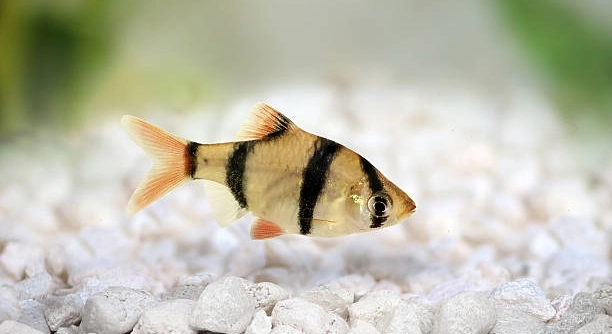
Male and female tiger barbs are popular freshwater fish known for their vibrant colors and lively behavior. Understanding the differences between the sexes can help aquarists provide better care and create a balanced tank environment. These differences affect appearance, behavior, and breeding potential.
Male and female tiger barbs differ mainly in body shape, coloration, fin size, and behavior. Males tend to be slimmer with brighter colors and longer fins, while females are generally rounder and less vividly colored. These distinctions aid in identifying and managing their care properly.
Recognizing these traits will improve your experience with tiger barbs and help maintain a healthy aquarium community. The following points highlight the key differences between males and females.
Physical Differences Between Male and Female Tiger Barbs
Male tiger barbs are usually slimmer and smaller compared to females. Their bodies tend to be more elongated, and they often show brighter and more vivid colors, especially during breeding season. The males’ fins, particularly the dorsal fin, are longer and sometimes have a reddish tint, which stands out clearly. On the other hand, female tiger barbs are generally rounder and fuller-bodied, especially when they are carrying eggs. Their colors are usually duller, and their fins tend to be shorter and less vibrant. These physical traits make it easier to tell them apart when observing a group of tiger barbs in an aquarium. Paying attention to these differences can help you identify males and females without stress, which is helpful when planning breeding or balancing your tank.
Identifying males and females by appearance helps in managing their behavior and breeding effectively.
Being able to distinguish the sexes based on physical features not only aids in proper care but also reduces conflict in the tank. Males can be more aggressive, especially when competing for mates, so knowing which fish is which helps in separating them if needed. Also, recognizing females by their rounder body shape can indicate when they are ready to spawn. This knowledge allows you to provide the right environment and conditions for successful breeding and healthier fish overall.
Behavioral Differences in Tiger Barbs
Male tiger barbs tend to be more active and aggressive, especially toward other males. This behavior helps establish dominance and breeding rights within the group.
Males often display more frequent chasing and nipping, which is natural but can sometimes stress females and weaker fish. Females usually show less aggression and prefer to stay in groups for safety. Understanding these behaviors helps create a peaceful aquarium by balancing the number of males and females. Providing plenty of hiding spots and space reduces aggression and keeps the community calmer. Observing these natural tendencies allows for better tank management and ensures the fish live in a less stressful environment.
Coloration Differences
Male tiger barbs generally display brighter and more intense colors compared to females. Their orange and red hues are more vivid, especially on the fins and body, making them stand out easily in a tank.
This difference in coloration is most noticeable during breeding season, when males become even more vibrant to attract females. The contrast between the black stripes and the bright orange or red patches is sharper in males. Females, by comparison, have a duller, less saturated color palette. Their colors tend to be more muted and consistent, which can make them blend into the background of the aquarium more easily. This natural color variation serves as a visual cue during mating and social interactions.
Coloration can also signal health and mood in tiger barbs. Bright colors usually indicate a healthy, well-fed fish, while faded colors might suggest stress or illness. Males that are less colorful could be feeling threatened or unwell. Observing these color differences regularly can help you monitor your fish’s wellbeing.
Breeding Behavior
Male tiger barbs often exhibit more active courtship behaviors, including chasing and displaying their brighter colors. This is part of their natural instinct to attract females and establish dominance.
Females respond by showing readiness through subtle changes like swelling of the abdomen when carrying eggs. Males may become more territorial during this period, sometimes increasing their aggression toward other males or tank mates. Creating a calm environment with enough space and hiding spots reduces stress for females, which encourages successful spawning. Monitoring their behavior during breeding helps prevent excessive fighting and promotes a balanced tank dynamic. Understanding these breeding behaviors is key to supporting the natural life cycle of tiger barbs in captivity.
Fin Shape and Size
Males have longer and more pointed dorsal fins compared to females. Their fins often show a reddish tint that is less common in females.
Females’ fins are shorter, rounder, and usually lack the bright red coloring found on males’ fins.
Size Differences
Female tiger barbs tend to grow slightly larger and have a rounder body shape. This fullness is more noticeable when they are carrying eggs. Males are generally slimmer and smaller, with a more streamlined appearance. These size differences help in telling them apart without confusion, especially when observing groups of tiger barbs.
Aggression Levels
Males show higher aggression, often chasing other males to assert dominance.
This behavior can increase during breeding but can be managed with proper tank conditions.
How can I tell if my tiger barb is male or female?
The easiest way to tell male and female tiger barbs apart is by looking at their body shape and coloration. Males are slimmer and usually have brighter colors, especially during breeding. Their fins, particularly the dorsal fin, are longer and sometimes have a reddish tint. Females tend to be rounder, especially when carrying eggs, and their colors are less vibrant. Observing these physical differences will give you a good idea of your fish’s sex without needing special tools.
Do male and female tiger barbs behave differently?
Yes, behavior is a key difference between male and female tiger barbs. Males are generally more active and aggressive. They chase other males to establish dominance and attract females. This behavior can sometimes stress the females or other tank mates. Females are less aggressive and prefer to swim in groups for safety. Knowing this helps you keep the right balance in your tank and prevents excessive fighting.
Why are male tiger barbs more colorful than females?
Male tiger barbs use their bright colors to attract females during breeding season. The vivid orange and red tones, combined with their sharp black stripes, make them stand out. Females, on the other hand, have duller colors to help them stay less visible to predators. Color intensity in males can also indicate health and mood; bright colors mean the fish is healthy and happy, while faded colors may show stress or illness.
Can female tiger barbs lay eggs without a male?
No, female tiger barbs cannot lay fertilized eggs without a male. They might release eggs, but without fertilization, these eggs won’t develop. For successful breeding, a male is necessary to fertilize the eggs. If you want to breed tiger barbs, make sure you have both males and females in the tank.
How do I reduce aggression among male tiger barbs?
Aggression among males is natural but can be managed. Providing a larger tank with plenty of hiding spots reduces stress and fights. Adding more females than males helps balance the aggression since males compete less when outnumbered. Plants, rocks, and decorations create territory boundaries that lessen conflicts. Also, avoid keeping too many males in a small space, as overcrowding increases aggression.
Is it important to separate males and females in a tank?
Not necessarily. Tiger barbs can live together in a community tank as long as the ratio is balanced. A good rule is to keep more females than males to reduce male aggression. If aggression becomes excessive, separating males temporarily can help. Otherwise, they usually coexist well if the environment suits their needs.
Do males and females have different care requirements?
In general, males and females need the same basic care—clean water, a balanced diet, and a well-maintained tank. However, females may require extra nutrition during breeding or when carrying eggs. Providing a high-quality diet with varied foods supports their health and reproductive success. Watching their behavior and appearance helps you adjust care when needed.
Can I breed tiger barbs at home?
Yes, breeding tiger barbs at home is possible with the right setup. You need a separate breeding tank with clean, warm water and gentle filtration. Males will chase females as part of courtship, and females will lay eggs among plants or spawning mops. After spawning, removing adults prevents them from eating the eggs. The eggs hatch in a couple of days, and fry need special care with tiny food until they grow bigger.
How long do tiger barbs live?
Tiger barbs generally live around 5 to 7 years with good care. Their lifespan depends on tank conditions, diet, and stress levels. Maintaining clean water, a proper diet, and a calm environment helps them live longer and stay healthy.
What signs show a female tiger barb is ready to breed?
A female ready to breed will have a noticeably rounder and fuller abdomen due to eggs. She may also become less active or hide more often. Watching for these changes helps you know when breeding conditions are right, so you can prepare the tank accordingly.
Understanding the differences between male and female tiger barbs can make caring for them easier and more enjoyable. Knowing how to tell them apart helps you manage their behavior and health better. For example, recognizing that males are more colorful and aggressive allows you to prepare your tank in a way that reduces stress for all the fish. It also helps if you want to breed them because you can identify which fish are males and which are females. This basic knowledge improves the overall experience of keeping tiger barbs.
When it comes to their physical features, males tend to be slimmer with brighter colors and longer fins, while females are usually rounder with duller colors. These differences are clear enough to spot without special tools, which is convenient for everyday care. Behavior also varies, with males often being more active and territorial, especially during breeding. Females prefer calmer group settings and are less likely to cause conflicts. By understanding these patterns, you can create a more balanced and peaceful aquarium where your fish thrive.
Taking care of tiger barbs means paying attention to their needs and natural behaviors. Providing enough space, hiding spots, and a good diet helps keep both males and females healthy and happy. Being aware of their breeding habits and aggression levels allows you to prevent problems before they start. Overall, learning about the distinctions between male and female tiger barbs is useful for anyone who enjoys keeping these colorful and lively fish. It leads to a better environment for the fish and a more satisfying hobby for the caretaker.

Hello,
If you enjoy the content that we create, please consider saying a "Thank You!" by leaving a tip.
Every little bit helps us continue crafting quality advice that supports the health, happiness, and well-being of pets around the world, for pets of all shapes, sizes, and species.
We really appreciate the kindness and support that you show us!