
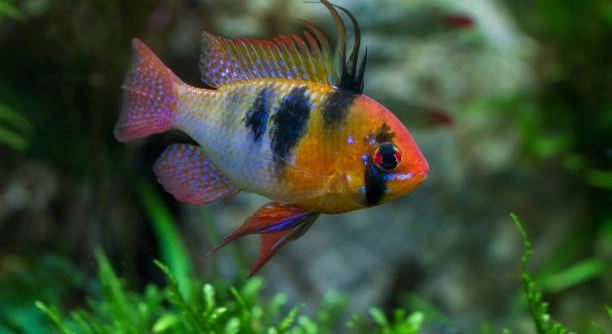
Cichlids are popular freshwater fish known for their bright colors and engaging behaviors. Many aquarium enthusiasts keep them, but identifying male and female cichlids can be challenging for beginners. Understanding the differences improves care and breeding success.
Male and female cichlids display distinct physical and behavioral traits. Differences include size, coloration, fin shape, mouth structure, aggression levels, breeding behavior, and territoriality. Recognizing these variations is essential for proper management, selective breeding, and maintaining a balanced aquarium environment.
Learning to tell males from females helps improve breeding outcomes and tank harmony. These distinctions are important for anyone caring for cichlids professionally or as a hobby.
Size Differences
Male cichlids are generally larger than females, making size one of the easiest ways to distinguish them. In most species, males grow taller and bulkier, while females tend to stay smaller and more compact. Size differences become more noticeable as the fish mature. Young cichlids may look similar, so patience is required when observing growth patterns. Growth rates can also be influenced by diet, water conditions, and tank space. Monitoring size over time provides a reliable method for identifying males and females. It is especially useful for breeders who need to separate sexes for controlled breeding. In territorial species, larger males often dominate tank space, while smaller females take more secluded areas. Correctly identifying size differences reduces conflicts and ensures healthier interactions in community tanks. Additionally, size awareness helps maintain balanced populations, preventing overcrowding or aggression from dominant males toward smaller fish, which can cause stress or injury. Size alone is not foolproof, but it remains a practical starting point for distinguishing sexes in most cichlid species.
Observing size differences early allows for better tank management. Larger males often need more space to thrive and avoid stressing females.
Recognizing these size patterns can improve breeding outcomes and reduce aggression. Separating males and females when necessary ensures a harmonious tank environment. Tracking growth over weeks helps confirm sex, especially in species where coloration or fins are not immediately distinct. Consistent feeding and proper nutrition support healthy size development, giving a clearer indication of sex. By focusing on size alongside behavior, aquarists can manage tanks more effectively, promote natural social structures, and prepare for breeding without unnecessary conflicts.
Coloration Patterns
Coloration is a key indicator of sex in many cichlid species. Males usually display brighter and more vivid colors, while females tend to have muted or duller shades. This difference becomes more pronounced during mating periods.
Brighter males attract females and establish dominance, whereas females use subtler coloration to stay less conspicuous.
Coloration changes can also reflect mood or health. Stress, poor diet, or illness can dull colors, making sex identification tricky. Observing multiple traits together, such as color, size, and behavior, provides a more accurate assessment. Seasonal or hormonal changes may temporarily alter color intensity in males and females. Understanding natural patterns prevents misidentifying a stressed or sick fish as the opposite sex. Additionally, maintaining high water quality and providing a balanced diet helps males retain their vibrant colors and females their natural tones. Careful observation over time ensures consistent recognition of sexual dimorphism. For breeding, selecting the most colorful males increases chances of successful pairings, while recognizing female coloration aids in identifying readiness for spawning. Combining visual cues with behavioral observations strengthens overall accuracy and tank management strategies.
Fin Shape
Male cichlids often have longer, more pointed fins, especially dorsal and anal fins. Females usually have shorter, rounder fins. These differences become clearer as fish mature, helping to distinguish sexes in many species.
Longer fins in males serve both display and territorial purposes. They make males appear larger and more dominant, which helps in attracting females and deterring rivals. Shorter fins in females reduce the risk of injury during spawning or aggressive encounters. Observing fin shape over time alongside size and coloration provides a reliable method for sex identification.
Fins can also reflect health. Torn or clamped fins may indicate stress, illness, or aggressive tank mates. Maintaining proper water conditions and reducing overcrowding ensures fins remain healthy and more easily distinguishable. For breeding, recognizing fin shapes helps separate males and females, reducing stress and promoting successful pairing in controlled environments.
Aggression Levels
Male cichlids are typically more aggressive than females, especially toward other males or intruders in their territory. Females show milder, defensive aggression.
Higher aggression in males is linked to protecting territory and attracting mates. Females prioritize nesting and brood care over territorial disputes.
Aggression can vary by species and individual temperament. Dominant males patrol larger areas and may harass other males or intruders to establish hierarchy. Females engage mainly in guarding eggs or fry, reacting only if threatened. Monitoring aggression is crucial in shared tanks to prevent injury. Adjusting tank layout, adding hiding spots, and managing population density reduces conflict. Recognizing these behavioral patterns allows for better separation during breeding and ensures balanced social interactions within the aquarium.
Mouth Structure
Male cichlids often have larger, more pronounced mouths than females. This helps in digging, defending territory, and displaying dominance in the tank.
Females usually have smaller, more delicate mouths, suitable for caring for eggs and fry. The difference is subtle but noticeable when observed closely.
Breeding Behavior
Males actively court females, often performing displays such as flaring fins, shaking, or cleaning a chosen spawning site. They are more persistent and territorial during this period. Females respond by selecting suitable males and preparing nesting sites. During spawning, females lay eggs while males fertilize them, and afterward, females usually take the lead in guarding eggs and fry. Observing these behaviors over time helps differentiate sexes, as males rarely engage in direct care of offspring. Recognizing these patterns allows proper separation for breeding and ensures the safety and development of young fish in controlled aquarium conditions.
Territoriality
Males are more territorial, marking areas and defending them aggressively. Females stay within safer zones, avoiding unnecessary confrontations.
FAQ
How can I tell male and female cichlids apart without breeding?
Observing physical traits and behavior is the best method. Look for size, fin shape, and coloration differences. Males are generally larger, more colorful, and have longer fins, while females are smaller, duller, and have rounder fins. Aggression and territorial behavior also indicate males, while females display more nurturing tendencies.
Do all cichlid species show obvious differences between sexes?
No, some species have subtle sexual dimorphism. In these cases, size and behavior are more reliable indicators than color. Young fish often look alike, so patience is required. Over time, observing interactions during feeding, territorial disputes, or spawning can reveal sex differences.
When do cichlids start showing sex differences?
Sexual differences usually become noticeable as fish mature. Depending on the species, this can occur between six months to a year. Males often develop brighter colors, longer fins, and more aggressive behaviors, while females remain smaller and more subdued. Monitoring growth and behavior consistently helps identify sex accurately.
Can diet influence physical differences between males and females?
Diet affects growth and coloration. Males fed high-quality, protein-rich food develop larger bodies and brighter colors, which enhance display traits. Females also benefit from nutritious diets, especially for egg production. Poor nutrition can blur sexual characteristics, making identification more difficult.
Is aggression always a reliable indicator of sex?
Aggression is common in males but can vary by species and individual temperament. Territorial disputes between males are more frequent, while females display defensive aggression primarily during spawning or when guarding eggs. Observing patterns over time increases accuracy in identifying males.
Do females ever display bright colors like males?
Females occasionally show enhanced coloration during spawning periods to signal readiness or attract attention from males. However, their colors are generally less intense and short-lived compared to males, returning to muted tones afterward. Consistent color differences across time provide more reliable identification.
How do fin shapes help in sex identification?
Males often have elongated dorsal, anal, and tail fins, while females have shorter, rounded fins. Long fins in males serve display and territorial purposes. Observing fin shape alongside size and coloration increases accuracy in distinguishing sexes, especially for mature fish.
Can stress or illness affect how males and females look?
Yes, stressed or sick fish may lose color, shrink fins, or hide behaviorally, making sex identification difficult. Maintaining proper water quality, tank space, and nutrition helps fish display natural traits clearly, ensuring accurate recognition of males and females.
Should males and females be separated in a community tank?
Separating aggressive males from females can reduce stress and injury, particularly in species with strong territorial instincts. Females may be protected during breeding or while caring for fry. Using tank dividers, extra hiding spaces, and monitoring interactions helps maintain a balanced environment.
How do I identify breeding readiness in cichlids?
Males display brighter colors, flare fins, and patrol territories. Females prepare nesting sites, lay eggs, and may clean surfaces. Observing these behaviors provides a clear indication of sexual maturity and breeding readiness, allowing proper management of tank pairings and protection of offspring.
What is the most reliable method for identifying cichlid sex?
A combination of size, coloration, fin shape, aggression, and breeding behavior offers the most reliable identification. No single trait is universally accurate, but observing multiple characteristics over time ensures correct distinction between males and females, supporting better care and successful breeding outcomes.
How long should I observe cichlids to confirm their sex?
Continuous observation over weeks or months is often necessary. Young or non-breeding fish may not show clear differences immediately. Watching feeding patterns, interactions, and responses to territory helps confirm sex before making tank adjustments or breeding decisions.
Caring for cichlids requires understanding the differences between males and females. Recognizing these differences helps maintain a balanced aquarium and reduces stress among the fish. Males are usually larger, more colorful, and have longer fins, while females tend to be smaller, less vivid in color, and have rounder fins. Observing aggression and territorial behavior also helps in distinguishing them, as males are more likely to defend space and display dominance. Size, coloration, fin shape, and behavior together provide the most reliable indicators of sex, especially in species where physical differences are subtle. Paying attention to these traits over time allows for more accurate identification, which is important for both general care and breeding purposes.
Breeding cichlids successfully depends on recognizing the right males and females. Males often court females with displays, patrolling territory and flaring fins, while females focus on preparing nesting sites and caring for eggs and fry. Understanding these behaviors is essential for separating fish when necessary, preventing aggression, and ensuring the safety of offspring. Providing proper nutrition and maintaining excellent water quality support the development of physical traits, such as coloration and fin length, which make sex identification easier. Even in community tanks, being aware of which fish are male and female allows for better management of interactions, reducing conflicts and promoting a harmonious environment where all fish can thrive.
Paying attention to these differences also helps prevent misunderstandings about fish behavior. For example, a male’s aggression is not a sign of poor care, but a natural instinct tied to territory and mating. Similarly, a female’s subdued appearance is normal and often linked to egg production or brood care. By observing size, color, fin shape, and behavior consistently, aquarists can make informed decisions about tank setup, breeding, and population management. Taking the time to learn these distinctions ensures healthier, more balanced tanks and a deeper appreciation for the complexity of cichlid species. Understanding these traits ultimately improves both the well-being of the fish and the satisfaction of caring for them.

Hello,
If you enjoy the content that we create, please consider saying a "Thank You!" by leaving a tip.
Every little bit helps us continue crafting quality advice that supports the health, happiness, and well-being of pets around the world, for pets of all shapes, sizes, and species.
We really appreciate the kindness and support that you show us!