
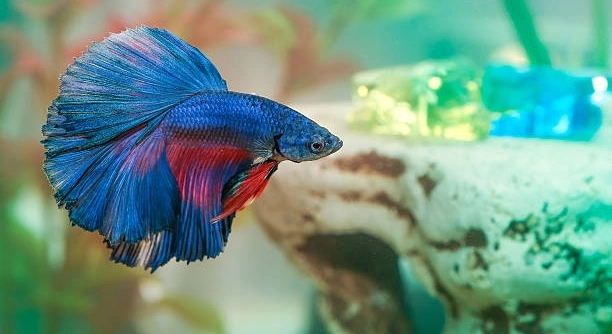
Male and female bettas are both beautiful, but their behavior can differ greatly. If you observe them closely, you’ll notice some interesting contrasts. These differences can help you better understand and care for them.
The main differences between male and female betta behavior stem from their physical traits, aggression levels, and breeding habits. Male bettas are typically more aggressive, especially toward other males, while females are more peaceful and exhibit less territorial behavior.
These differences impact their care and environment. Understanding their behaviors will help you create a better setup for both male and female bettas.
Male Bettas: Aggressive and Territorial
Male bettas are well-known for their territorial nature. They can become highly aggressive, especially when they sense another male nearby. This behavior is most evident when they flare their fins, creating a dramatic display of their vibrant colors. Male bettas also exhibit aggression toward their own reflection, making them seem like they’re constantly defending their space. In the wild, this aggression helps them establish dominance and territory. If you plan to keep multiple male bettas in one tank, it’s essential to provide plenty of hiding spots and separate areas to reduce fighting.
Male bettas are often more visually striking. Their long fins and vivid colors make them easy to spot. This physical beauty is also tied to their combative nature; the males use their display to impress females and warn other males.
Male bettas are more likely to show aggressive behavior toward other fish as well. If they are placed in a tank with tankmates that are too similar in size or color, this aggression can lead to stress, injuries, or even death. It’s important to monitor interactions between male bettas and other species closely.
Female Bettas: Calm but Still Territorial
Female bettas tend to be much calmer than males but can still exhibit territorial behavior.
Although they’re less aggressive, females often stake out their own space in the tank. They may not flare their fins as frequently as males, but they do have a hierarchy and prefer to have some control over their environment. Female bettas can show signs of aggression if they feel crowded or threatened. However, their behavior is typically less intense than their male counterparts.
Females are often kept in small groups called sororities. While they are usually less combative, the group dynamic can still cause occasional squabbles. These fights are usually less serious than those between males, but you’ll want to monitor them to ensure one female doesn’t dominate the group. The size of the tank and the number of hiding spots can help reduce conflicts.
Male Bettas: More Active and Energetic
Male bettas are often more active than females, swimming around the tank with purpose. Their behavior is typically driven by the need to assert dominance or seek out potential mates. Males will patrol their space, especially in smaller tanks. This constant movement is part of their natural instinct to protect their territory and keep an eye out for intruders. If the tank environment is large enough, you’ll notice that the male betta’s energy level is high, and he may even chase after any fish that enter his domain.
Their high activity level can also be linked to their need to impress females. During breeding seasons, the male will engage in bubble nest-building, adding to the energy they expend. This type of behavior isn’t limited to breeding, though; males often continue to patrol their area and showcase their strength through consistent movement.
This energetic nature may make male bettas more entertaining to watch. But if they are kept in tanks that are too small or don’t provide enough stimulation, they can become stressed or frustrated. Stress can lead to health problems, including loss of color and appetite.
Female Bettas: More Passive and Less Energetic
Female bettas generally exhibit a more passive nature. They tend to be less energetic than males and are more likely to stay in one area of the tank.
While they are still active and may swim around, their behavior is often less purposeful compared to their male counterparts. They may swim in short bursts or stay near the bottom of the tank. This passive movement is typical of female bettas, especially when they feel secure and aren’t being threatened. Unlike males, females aren’t as driven by territorial needs, so their activity level is often lower.
When females do interact, they may be social, especially in sorority setups. Their calmer, less energetic behavior contrasts with the more assertive nature of males. However, it’s important to understand that while they are less energetic, they still need an environment that offers sufficient space and hiding spots. If the tank is too small or overcrowded, females may become stressed or withdrawn.
Male Bettas: Fewer Tankmates
Male bettas often do better with fewer tankmates. Due to their territorial and aggressive nature, they may struggle to coexist peacefully with other fish, especially those with similar body shapes or bright colors. A male betta’s behavior can become more intense when another male is introduced to the tank, and they may fight for dominance.
This territorial aggression is why many owners prefer keeping male bettas in a species-only tank. Even in community tanks, they should have plenty of space and hiding spots to reduce stress and conflicts. Choosing the right tankmates is essential for a peaceful environment.
Female Bettas: Can Live in Sororities
Female bettas can live together in groups called sororities, though it’s important to carefully manage the setup.
While they are generally less aggressive than males, females still need space to establish their own territories. A sorority works best in larger tanks, where each female can claim her own corner. If the tank is too small or overcrowded, the females may engage in aggressive behavior. Sororities need careful monitoring and regular maintenance to ensure harmony among the group.
FAQ
What size tank is ideal for a male betta?
A 5-gallon tank is the minimum recommended size for a male betta. This allows enough space for him to swim around, establish territory, and display his natural behaviors. While a smaller tank may be used, it can lead to stress due to the limited space. A larger tank with decorations, plants, and hiding spots is always better to keep your betta healthy and happy. Make sure the tank is well-filtered and kept at the right temperature for optimal health.
What size tank is ideal for a female betta?
A female betta can thrive in a tank of at least 5 gallons, but a 10-gallon tank or larger is recommended, especially if you plan to keep her in a sorority. More space means less competition for territory, reducing aggression and stress. Additionally, a bigger tank offers more opportunities for hiding and exploration. Female bettas will appreciate the space to move freely, especially in a group.
Can male and female bettas live together?
Male and female bettas should not be kept together unless you’re breeding them. Males are highly territorial and will likely become aggressive towards females if they don’t feel there’s a clear space for both. In breeding situations, proper care should be taken to ensure the male and female bettas are only kept together for short periods under supervision. For regular tank setups, it’s best to keep male and female bettas apart to avoid stress and potential fights.
How can I tell if my male betta is stressed?
Signs of stress in male bettas include loss of color, erratic swimming, hiding more than usual, and refusing to eat. A stressed betta may also exhibit fin clamping, where his fins stay close to his body rather than being spread out. If you notice any of these signs, check the tank conditions such as water temperature, filtration, and tank size. Stress can also be caused by aggression from other tankmates or poor water quality.
How can I tell if my female betta is stressed?
A stressed female betta may show similar signs to a stressed male, such as lack of appetite, lethargy, or hiding. However, females in sororities may also become more aggressive towards each other when stressed. If one female is bullying the others, this is often a sign of stress or territorial disputes. Make sure there are enough hiding spots and space in the tank to prevent these issues.
How do I introduce a male betta to a new tank?
When introducing a male betta to a new tank, it’s essential to allow him time to acclimate. Gently float the bag containing your betta in the new tank for about 15-20 minutes, allowing the water temperature to match. Slowly release the betta into the tank once the temperature is balanced. Avoid any sudden changes in water parameters, as this can cause stress. Adding plants and decorations can provide hiding spots to help him feel safe in his new environment.
How do I introduce a female betta to a sorority tank?
When introducing a female betta to a sorority tank, do so gradually. Place her in a separate container within the tank for a few hours so the other females can get used to her presence. After this, release her into the sorority. Ensure the tank has enough space, plants, and hiding spots to reduce the chance of aggression. Monitor the tank closely for the first few days to check for bullying or dominance issues. Adding new females one at a time is a good strategy to maintain balance in the group.
Can male bettas live with other fish?
Male bettas can live with other fish, but only with species that won’t provoke them. Avoid keeping male bettas with other males or fish with long, flowing fins that might be mistaken for rivals. Peaceful species such as Corydoras catfish, neon tetras, or snails are ideal tankmates. Always make sure the other fish are not too similar in appearance or aggressive, as this could trigger territorial behavior.
Can female bettas live with other fish?
Female bettas can live with other fish, but it’s important to choose the right tankmates. Peaceful fish like neon tetras, shrimp, and snails can coexist with female bettas, especially if the tank is large enough for everyone to have their own space. Avoid keeping female bettas with overly aggressive or territorial fish, as this can lead to stress and aggression.
Why do male bettas flare at their reflections?
Male bettas flare at their reflections because they see it as a rival. This behavior is natural and part of their territorial instincts. When they spot their reflection in the glass, they perceive it as another male betta, which triggers a defensive or aggressive reaction. This is why it’s common for bettas to flare at mirrors or tank walls. While occasional flaring isn’t harmful, constant exposure to reflections can cause stress and exhaustion.
Why do female bettas sometimes fight in sororities?
Female bettas fight in sororities mainly due to territorial behavior. While females are generally less aggressive than males, they still establish their own territories, especially when space is limited. Fights often occur when one female feels threatened by another or is trying to establish dominance within the group. To reduce fighting, ensure that the tank is large enough with plenty of hiding spots and visual barriers. It’s also helpful to introduce females gradually to allow them to establish their roles in the group.
Do male and female bettas require different care?
Male and female bettas have similar care needs, but there are a few key differences. Male bettas typically require more space due to their territorial nature, and they may be more sensitive to tankmates. Female bettas, while less aggressive, also need plenty of space, especially in a sorority setup. Both require warm, clean water, a varied diet, and regular tank maintenance. However, the social environment differs—males should be kept alone unless breeding, while females can often be kept in groups.
Final Thoughts
Understanding the differences in behavior between male and female bettas is crucial for creating the best environment for them. While both genders share some basic care needs, their behavior can greatly impact how they should be housed and what kind of tank setup they require. Male bettas tend to be more aggressive and territorial, which means they do best in tanks where they are the only betta or with carefully selected tankmates. Female bettas, on the other hand, are generally less aggressive and can live in sororities if the tank is large enough and well-maintained. Their more peaceful nature allows for a bit more flexibility when choosing tankmates, but it’s important to still ensure they have plenty of space to avoid stress.
When considering betta care, always keep in mind that both males and females need a stable, warm environment to thrive. A properly sized tank, the right water conditions, and a well-balanced diet are key factors for keeping bettas healthy. In addition to physical care, understanding their behavior can help you provide a more enriching environment. Bettas are curious fish and, though their activity levels differ, they both enjoy exploring their space, building bubble nests, and interacting with their surroundings. Ensuring they have plants, decorations, and hiding spots will help them feel secure and reduce stress.
In the end, it’s about balance. Male bettas may need more attention in terms of managing aggression and territorial behavior, while female bettas benefit from a community setup that allows for some social interaction. Knowing what to expect from both genders will allow you to tailor your approach and create an environment that keeps them healthy, happy, and stress-free. Whether you’re keeping a single male betta or a sorority of females, understanding their behavior is essential for creating a peaceful tank environment that brings out their natural beauty.

Hello,
If you enjoy the content that we create, please consider saying a "Thank You!" by leaving a tip.
Every little bit helps us continue crafting quality advice that supports the health, happiness, and well-being of pets around the world, for pets of all shapes, sizes, and species.
We really appreciate the kindness and support that you show us!