
Do you ever notice how your cichlids behave differently as they grow? Juvenile cichlids often look and act unlike adults, showing changes in size, color, and social habits over time in the aquarium.
Juvenile and adult cichlids differ in physical appearance, feeding behavior, territory establishment, aggression levels, coloration, fin development, and reproductive readiness. Understanding these differences is essential for proper care, breeding management, and maintaining a healthy aquarium environment.
Recognizing these changes can help you care for your cichlids more effectively and ensure their environment meets their evolving needs.
Physical Differences Between Juvenile and Adult Cichlids
Juvenile cichlids are noticeably smaller than adults, with more delicate bodies and less pronounced fins. Their coloration is often muted or less defined, making them harder to distinguish between species at a young age. Adults, in contrast, have fully developed fins, vibrant colors, and stronger body structures. These physical changes are gradual and occur as the fish grow, influenced by diet, water quality, and overall health. Juveniles also have shorter tails and smaller mouths, which affects how they feed and interact with their environment. Observing these changes closely can help you predict growth patterns and ensure proper care. It is important to note that size and coloration differences are not uniform across all cichlid species; some species mature faster, while others retain juvenile features longer. Paying attention to these physical traits allows for better planning in tank setups and reduces stress among fish when introducing new individuals.
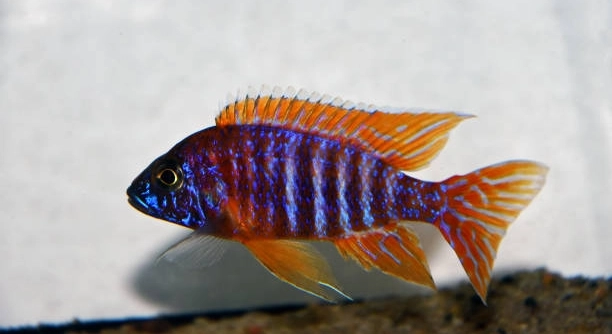
Adults display more vibrant coloration and larger, fully developed fins than juveniles, signaling maturity.
These physical transformations affect behavior and tank dynamics. Adults can claim territories and compete more effectively for food, while juveniles are more vulnerable and often hide. Recognizing these distinctions early ensures juveniles receive proper care, while adults maintain healthy interactions in the tank, promoting a balanced aquarium environment.
Feeding Behavior Changes
Juvenile cichlids eat smaller portions and require frequent meals to support rapid growth.
As juveniles develop, their diet gradually shifts from finely crushed foods or specialized fry diets to larger pellets and live foods suitable for adults. Feeding frequency also changes; adults typically eat once or twice daily, while juveniles may need four to six small meals to maintain steady growth. The digestive system matures alongside the body, allowing adults to process more complex foods efficiently. Feeding behavior is closely tied to social structure and activity levels. Juveniles are often shy and may struggle to compete with adults during feeding, which can impact growth rates if not monitored. Observing their eating patterns helps prevent overfeeding and ensures all fish receive adequate nutrition. Adjusting feeding strategies based on age and size supports healthy development and vibrant coloration, while also reducing waste that can affect water quality in the tank. Proper nutrition is key to long-term health and breeding readiness for adult cichlids.
Aggression and Territorial Behavior
Juvenile cichlids are generally less aggressive and more passive in the tank. Adults display stronger territorial instincts, often defending specific areas and showing dominance over other fish.
As juveniles grow, their social behavior gradually shifts. They may explore more of the tank but usually avoid conflict, preferring hiding spots or staying near familiar companions. Adult cichlids, in contrast, establish territories and defend them vigorously. This behavior includes chasing intruders, flaring fins, and sometimes nipping at other fish. Territoriality is influenced by species, tank size, and population density. Providing adequate hiding spaces and visual barriers can reduce stress among juveniles while allowing adults to assert themselves naturally. Observing these interactions helps maintain a stable tank environment.
Aggression levels also impact feeding and breeding behaviors. Juveniles often wait for adults to finish before eating, while adults may monopolize food or territory. Recognizing these patterns ensures juveniles are not outcompeted and adults maintain healthy social hierarchies. Adjusting tank layout and monitoring interactions is essential to prevent stress, injuries, or stunted growth in younger fish.
Coloration and Fin Development
Juveniles typically have duller colors and underdeveloped fins compared to adults, making species identification challenging.
Coloration becomes more pronounced as cichlids mature. Adults display vibrant patterns and deeper hues that signal health and reproductive readiness. Fins also elongate and develop sharper edges in adults, enhancing swimming efficiency and display behaviors. These changes are influenced by genetics, diet, water conditions, and age. Stress, illness, or poor nutrition can delay coloration and fin growth, so maintaining optimal tank conditions is crucial. Observing the gradual transformation helps track maturity and readiness for breeding or social integration with other adults.
Fin development affects movement, balance, and territorial displays. Juveniles may have shorter, rounded fins that limit their swimming range, while adults use long fins for precise maneuvering and signaling dominance. Proper nutrition and stable water parameters support full fin growth and vibrant coloration. Understanding these differences allows for better management of both juvenile and adult cichlids in a shared tank environment, ensuring healthy interactions and visual appeal.
Reproductive Readiness
Juvenile cichlids are not ready to breed and show no signs of spawning behavior. Adults reach sexual maturity, displaying courtship actions and preparing for reproduction.
Adults exhibit color changes, fin flaring, and specific movements to attract mates. Juveniles remain passive, focusing on growth rather than reproduction.
Social Interaction Differences
Juveniles are more likely to school together or stay close to safe areas, avoiding confrontations with older fish. Adults interact with purpose, establishing dominance and recognizing partners. Social hierarchies form more clearly in adults, while juveniles remain adaptable and cautious, observing tank dynamics before asserting themselves.
Size and Growth Patterns
Juvenile cichlids grow rapidly in the first months, gradually slowing as they approach adult size. Monitoring growth helps ensure proper nutrition and tank space. Growth rate depends on species, diet, and environmental conditions, making careful observation necessary for maintaining healthy development.
Feeding Competition
Adults often outcompete juveniles for food due to size and aggression. Proper feeding strategies are essential to ensure juveniles receive enough nutrition without being intimidated or displaced by adults.
FAQ
What is the easiest way to tell juvenile and adult cichlids apart?
Juveniles are smaller, have shorter fins, and duller colors compared to adults. Adults are larger, display vibrant coloration, and have fully developed fins. Observing these physical differences is the most reliable way to identify maturity in cichlids.
Do juvenile cichlids require different food than adults?
Yes, juveniles need smaller, more frequent meals to support fast growth. Fine crushed pellets, specialized fry food, or live foods work best. Adults can handle larger pellets or live foods and typically eat fewer times per day. Feeding strategies should adjust as the fish grow.
Are juvenile cichlids less aggressive than adults?
Generally, yes. Juveniles are more passive and tend to avoid conflict. Adults are territorial, defend their space, and show dominance through chasing or fin displays. Providing hiding spots for juveniles and adequate space for adults helps reduce stress and aggressive encounters.
When do cichlids develop full coloration?
Coloration develops gradually as cichlids mature. Juveniles often have muted or incomplete patterns, while adults display vibrant colors that indicate health and reproductive readiness. Diet, water quality, and genetics also influence the speed and intensity of color development.
How can I protect juvenile cichlids from adult aggression?
Separate tanks or using visual barriers can reduce conflicts. Juveniles also benefit from hiding spots like rocks, plants, or caves. Observing interactions regularly ensures juveniles are not stressed or injured, and maintaining proper tank population ratios helps balance social dynamics.
Do juveniles establish territories?
Not usually. Juveniles are more likely to move freely or stay in safe areas. Adults, however, establish territories, which they defend aggressively. Understanding these differences helps plan tank layouts and manage population density effectively.
Is it necessary to monitor growth in juvenile cichlids?
Yes. Rapid growth in juveniles requires proper nutrition and tank conditions. Monitoring growth ensures they develop evenly, prevents stunted growth, and allows adjustments to diet or space before reaching adulthood.
Can adult cichlids eat juvenile food?
Adults can eat juvenile food, but it may not meet their nutritional needs over time. Juvenile food is often higher in protein for growth, while adult diets should focus on maintaining health and coloration. Proper feeding supports long-term well-being.
When do juveniles reach reproductive maturity?
Maturity depends on species, diet, and environmental conditions. Generally, most cichlids reach sexual maturity several months after hatching, signaled by changes in size, coloration, and courtship behaviors. Monitoring these signs helps plan breeding or tank management.
How does fin development differ between juveniles and adults?
Juveniles have shorter, rounded fins that limit movement and display. Adult fins are elongated, sharper, and used for precise swimming, communication, and territorial displays. Proper nutrition and tank conditions support full fin development.
Do juvenile cichlids need special tank conditions?
Yes. Juveniles are more sensitive to water quality, temperature, and space. Stable conditions, gentle filtration, and hiding areas promote growth and reduce stress, allowing them to transition smoothly into adulthood.
How does size affect social interactions in juveniles versus adults?
Juveniles often avoid conflict due to smaller size, staying in groups or hiding. Adults dominate feeding and territory, and interactions involve establishing hierarchies. Recognizing these patterns helps maintain a balanced and healthy tank for all fish.
Are all cichlid species similar in juvenile development?
No. Growth rate, coloration, fin development, and aggression vary by species. Some retain juvenile features longer, while others mature quickly. Knowing species-specific traits ensures proper care and prevents misunderstandings in tank management.
Can stress affect juvenile development?
Yes. Stress from overcrowding, poor water quality, or aggressive tank mates can slow growth, delay coloration, and affect health. Minimizing stress with proper tank setup, nutrition, and monitoring ensures juveniles reach adulthood successfully.
How do I know when a juvenile is ready to join adults in the main tank?
Watch size, fin development, coloration, and behavior. Once juveniles show adult-like features, are confident in swimming, and can compete for food without stress, they are usually ready. Gradual introduction and monitoring reduce conflict and ensure safe integration.
Do juvenile cichlids show any unique behaviors?
Yes. They often stay near shelter, explore cautiously, and follow other juveniles. These behaviors protect them from aggression and help them learn social dynamics. Observing these actions helps understand their needs and ensures proper care.
Can adults harm juveniles if they are in the same tank?
Yes, adult aggression can injure or stress juveniles. Proper tank setup with hiding areas, size separation, and careful monitoring prevents harm. Balancing numbers and species reduces conflict and ensures all fish thrive.
How often should juveniles be fed compared to adults?
Juveniles require more frequent feedings, usually four to six times a day in small portions. Adults can eat once or twice daily, consuming larger amounts. Adjusting feeding schedules supports growth and prevents malnutrition or overfeeding.
Are juvenile cichlids harder to identify by species?
Yes. Duller coloration, smaller size, and underdeveloped fins make juveniles harder to identify. As adults, species-specific patterns and features become clear, helping with proper tank management and breeding plans.
Does water temperature affect juvenile development?
Yes. Temperature influences growth rate, metabolism, and coloration. Juveniles are more sensitive to fluctuations, so maintaining stable conditions ensures healthy development and reduces stress that could delay maturation.
What signs indicate a healthy juvenile cichlid?
Active swimming, consistent growth, clear eyes, intact fins, and gradual color development are signs of health. Observing these markers regularly helps catch issues early and maintain a thriving aquarium environment.
How long does it take for juveniles to fully mature?
It varies by species but generally ranges from several months to a year. Growth rate, diet, water quality, and social conditions all affect the speed of maturation, making careful monitoring essential.
Can I prevent aggression between juveniles and adults?
Yes. Using tank dividers, visual barriers, hiding spaces, and managing population density reduces aggressive encounters. Gradual introductions and monitoring social dynamics help maintain harmony and protect juvenile fish.
Do juveniles require different water conditions than adults?
Juveniles are often more sensitive to water quality, pH, and temperature fluctuations. Maintaining stable and clean conditions ensures healthy development, while adults tolerate slight variations better but still benefit from optimal water quality.
Is breeding juvenile cichlids advisable?
No. Juveniles are not sexually mature and cannot reproduce effectively. Attempting to breed too early can harm growth and health. Waiting until they reach adulthood ensures successful reproduction and proper care.
Can diet influence coloration in juveniles?
Yes. High-quality, protein-rich foods support growth and early coloration. Certain nutrients, like carotenoids, enhance color development. Proper diet from a young age ensures healthy, vibrant adults.
Do all juveniles grow at the same rate?
No. Growth varies due to species, genetics, diet, and environment. Some juveniles mature quickly, while others develop slowly. Regular observation and care help manage differences and prevent stunted growth.
How do I handle juveniles during tank maintenance?
Handle juveniles gently to avoid stress or injury. Use small nets or temporary containers during cleaning. Minimize handling and provide secure hiding spots to reduce anxiety and protect delicate fins and scales.
Are juveniles more prone to disease?
Yes. Immature immune systems make juveniles more vulnerable to infections. Maintaining clean water, proper nutrition, and observing for early signs of illness ensures healthy growth and reduces mortality risk.
Can juveniles live with other species safely?
It depends on tank mates. Small, non-aggressive species work best. Avoid larger or highly territorial fish until juveniles are older. Proper planning and monitoring help ensure safety and healthy social development.
Does tank size affect juvenile development?
Yes. Smaller tanks limit growth, increase stress, and cause aggression issues. Providing adequate space allows free movement, proper feeding, and reduces competition, promoting healthy development into adulthood.
How important is hiding space for juveniles?
Very important. Hiding spots protect them from adults, reduce stress, and allow safe exploration. Rocks, plants, and caves help juveniles feel secure and support natural behavior while maturing.
What are common mistakes with juvenile cichlids?
Overcrowding, improper diet, unstable water conditions, and mixing with aggressive adults are common mistakes. These factors slow growth, delay coloration, and increase mortality. Proper tank setup, monitoring, and care prevent these issues.
Do juveniles show early signs of aggression?
Some may display mild dominance, but overall aggression is limited. Most juveniles stay cautious, using hiding spaces and schooling behaviors to avoid conflicts with adults or larger tank mates.
Can I accelerate juvenile growth safely?
Yes, by providing high-quality food, stable water conditions, and proper space. Avoid overfeeding or stressful environments, as these can harm health. Steady growth ensures strong adults with vibrant coloration and full fin development.
How long should juveniles stay separated from adults?
Until they reach sufficient size, coloration, and fin development to compete for food and handle social interactions. Premature mixing can cause stress, injury, or stunted growth. Monitoring maturity is essential for safe integration.
Are there species-specific care tips for juveniles?
Yes. Some cichlids grow faster, mature earlier, or display unique behaviors. Researching each species’ needs ensures proper tank setup, diet, and social management for juveniles. Proper care supports healthy development and reduces conflicts with adults.
Can water quality changes harm juveniles more than adults?
Yes. Rapid pH, temperature, or chemical shifts stress juveniles, affecting growth and coloration. Adults tolerate minor changes better, but maintaining stable water conditions benefits all fish. Consistent monitoring is crucial for juvenile health.
Do juveniles require supplemental vitamins?
Occasionally, especially if diet lacks variety. Supplements support growth, immune health, and early coloration. Use carefully to avoid overdosing, and ensure a balanced diet first for optimal development.
How do I encourage social behavior in juveniles?
Provide hiding spots, allow schooling with other juveniles, and observe interactions. Gradual exposure to adults helps them learn tank dynamics while avoiding stress or injury. Safe socialization supports healthy behavior development.
Can lighting affect juvenile development?
Yes. Proper lighting enhances color development and regulates biological rhythms. Avoid overly bright or dim conditions, as extremes can stress juveniles and impact growth or feeding behavior.
Are juvenile cichlids more sensitive to tank chemicals?
Yes. Chemicals like medications, cleaning agents, or water conditioners can affect juveniles more. Always follow safe dosage instructions and avoid sudden chemical changes to protect growth and health.
How often should I check on juveniles?
Daily observation is ideal. Watch feeding, swimming, fin condition, and interactions. Early detection of issues prevents health problems, supports growth, and ensures a smooth transition to adulthood.
Do juveniles sleep differently than adults?
Juveniles may hide more at night and rest in protected areas. Adults often have established sleeping spots within territories. Observing these patterns helps ensure juveniles feel secure and stress-free.
Can overcrowding stunt juvenile growth?
Yes. Limited space increases stress, competition, and slows growth. Providing enough room and adjusting tank populations supports healthy development, proper coloration, and strong fin formation.
What are signs of stress in juvenile cichlids?
Hiding excessively, rapid breathing, poor appetite, faded colors, or clamped fins indicate stress. Addressing water quality, aggression, or tank conditions reduces stress and promotes healthy development.
Do juveniles require different water flow than adults?
Yes. Gentle currents suit juveniles, allowing easier swimming and conserving energy. Adults tolerate stronger flows, but juveniles need calm areas to feed, rest, and explore safely.
Is it necessary to quarantine new juveniles?
Yes. Quarantine prevents disease spread, allows observation of health, and protects existing tank inhabitants. It is an essential step before integrating juveniles into a main tank.
Can tank decorations affect juvenile behavior?
Yes. Rocks, caves, and plants provide hiding spots and reduce stress. Proper decoration supports exploration, growth, and safe social interactions with both juveniles and adults.
Do juvenile cichlids grow evenly?
Not always. Growth differences can occur due to genetics, diet, and social competition. Monitoring size and adjusting feeding ensures balanced development and prevents weaker individuals from being outcompeted.
Are juvenile cichlids hardy?
They are more delicate than adults and require stable water, proper nutrition, and minimal stress. With proper care, juveniles develop into strong, healthy adults capable of thriving in a community or breeding tank.
How do I know when juveniles are ready to breed?
Look for full coloration, elongated fins, size, and display behaviors. Only when juveniles reach sexual maturity should breeding be attempted to avoid health risks.
Can juveniles coexist with other juvenile fish safely?
Yes. Similar-sized juveniles often school together and show minimal aggression. This setup promotes natural social behavior, reduces stress, and allows gradual growth before interacting with adults.
Do juveniles need special water parameters for optimal growth?
Yes. Stable pH, temperature, and clean water are critical. Juveniles are more sensitive than adults, and maintaining ideal conditions supports healthy development, coloration, and fin formation.
How do I prevent fin damage in juveniles?
Avoid overcrowding, aggressive tank mates, and sharp decorations. Gentle handling and stable water conditions reduce fin stress, allowing proper growth and preventing deformities in adulthood.
Are juvenile cichlids more prone to disease than adults?
Yes. Their immature immune systems make them vulnerable. Maintaining clean water, proper nutrition, and minimizing stress helps prevent illness and supports healthy growth.
Do juvenile cichlids show early signs of personality?
Yes. Some are bolder, more active, or more cautious than others. Observing these traits helps plan social arrangements, feeding, and tank setup for balanced development.
Can diet changes impact juvenile growth speed?
Yes. High-quality, protein-rich diets accelerate growth, while poor nutrition slows development. Adjusting feeding based on age and size ensures juveniles reach adulthood healthy and fully developed.
How often should water be changed for juveniles?
Frequent, partial water changes maintain quality, remove waste, and reduce stress. Weekly or bi-weekly changes are standard, with adjustments based on tank size, population, and filtration.
Do juvenile cichlids need supplemental hiding places as they grow?
Yes. Expanding hiding spots supports exploration, reduces stress, and allows safe transition into adulthood, especially when introducing them to larger or more aggressive fish.
Can lighting schedules influence juvenile activity?
Yes. Consistent day-night cycles encourage natural behavior, feeding, and growth. Irregular lighting can cause stress, reduce appetite, and affect color development.
Is it normal for juveniles to school closely together?
Yes. Grouping provides security and protection from aggression. As they mature, schooling behavior diminishes, replaced by territorial or social dominance behaviors seen in adults.
Do juveniles need less filtration than adults?
Juveniles benefit from gentle filtration to avoid strong currents that can stress them. Adults tolerate stronger filters, but consistent water quality is essential for all life stages.
Can stress delay juvenile coloration?
Yes. Poor water quality, aggression, or inadequate nutrition can slow color development. Reducing stress and maintaining optimal conditions ensures vibrant adult coloration.
How do I monitor juvenile health effectively?
Watch for active swimming, feeding behavior, clear eyes, intact fins, and gradual coloration. Early detection of changes allows timely intervention and ensures proper development.
Are juvenile cichlids more sensitive to pH changes?
Yes. Juveniles are less tolerant of sudden pH shifts, which can stress them and affect growth. Maintaining stable water chemistry is critical for healthy development.
How do I integrate juveniles with adults safely?
Introduce gradually, provide hiding spots, and monitor interactions. Ensuring juveniles are large enough to compete reduces risk of stress or injury while allowing natural socialization with adults.
Can overcrowding affect juvenile social behavior?
Yes. Limited space increases stress, reduces hiding opportunities, and may cause aggression. Providing sufficient room ensures proper social learning and safe development.
Do juvenile cichlids require more frequent health checks?
Yes. Daily observation helps catch stress, disease, or injuries early. Regular checks support growth, prevent mortality, and ensure juveniles transition into healthy adults.
Can diet variety influence juvenile growth and behavior?
Yes. A balanced diet with protein, vegetables, and occasional live foods promotes growth, coloration, and healthy behavior patterns. Lack of variety may slow development and affect adult performance.
Do juveniles need softer water than adults?
Some species may tolerate softer water better during early development. Researching species-specific requirements ensures optimal growth and prevents health issues.
How do I prevent bullying in juvenile tanks?
Provide hiding spots, maintain proper population density, and monitor interactions. Separating overly aggressive juveniles or introducing them gradually reduces stress and ensures balanced growth.
Are juvenile cichlids more sensitive to temperature swings?
Yes. Rapid changes can stress juveniles, reduce appetite, and slow growth. Maintaining stable water temperature is essential for healthy development.
Do juveniles show early signs of reproductive behavior?
Rarely. Most reproductive behaviors appear only after sexual maturity, including courtship displays, color changes, and territoriality. Observing these signs helps identify readiness for breeding.
Can poor nutrition stunt fin growth in juveniles?
Yes. Insufficient protein or essential nutrients can limit fin development and elongation, affecting swimming, display, and adult behavior. Proper diet ensures full fin growth.
How do I track growth differences among juveniles?
Regular observation and measuring standard length help monitor growth. Identifying slower-growing individuals allows targeted feeding or care to ensure even development across the tank.
Do juveniles need lower light intensity than adults?
Yes. Gentle lighting reduces stress and encourages exploration, feeding, and healthy growth. Adults tolerate brighter light for display and activity.
Can stress impact juvenile feeding habits?
Yes. Stressed juveniles may hide, eat less, or be outcompeted by adults. Reducing aggression, providing hiding spots, and maintaining water quality encourages regular feeding and growth.
Are juvenile cichlids more sensitive to water hardness?
Yes. Extremes in hardness can stress juveniles, affecting growth and coloration. Maintaining appropriate levels for the species supports healthy development and overall well-being.
Can tank layout influence juvenile behavior?
Yes. Hiding areas, visual barriers, and open swimming zones promote safe exploration, reduce stress, and support learning of social hierarchy before adulthood.
**Do juveniles require different oxygen levels than adults
Caring for juvenile and adult cichlids requires attention to their distinct needs at each stage of life. Juveniles are smaller, more delicate, and require frequent, small meals to support their rapid growth. They also need stable water conditions, hiding spots, and a safe environment to avoid stress from larger or more aggressive tank mates. Observing their behavior, growth, and coloration closely helps ensure they develop properly and transition into healthy adults. By understanding the differences between juveniles and adults, you can prevent common issues such as stunted growth, injury, or stress-related health problems.
Adult cichlids, on the other hand, are larger, more vibrant in color, and often display territorial and aggressive behaviors. They require different feeding strategies, larger portions, and sufficient space to establish territories without causing harm to other fish. Adults also show reproductive behaviors, including courtship displays and spawning preparation, which require attention to water quality and tank setup. Providing an environment that accommodates both juveniles and adults involves balancing space, hiding areas, and proper nutrition. Paying attention to these details ensures a stable tank environment where all fish can thrive without undue stress or competition.
Successful cichlid care depends on observing these differences and adapting your approach as your fish grow. Juveniles benefit from protection and gentle care, while adults need room to assert their social behaviors and maintain healthy interactions. Regular monitoring of water parameters, diet, and tank dynamics helps prevent problems before they arise. By adjusting feeding, tank layout, and population management according to the age and maturity of your cichlids, you can create a harmonious environment. Understanding the progression from juvenile to adult stages allows you to support their development, maintain vibrant coloration, and encourage healthy behavior in your aquarium over the long term.

Hello,
If you enjoy the content that we create, please consider saying a "Thank You!" by leaving a tip.
Every little bit helps us continue crafting quality advice that supports the health, happiness, and well-being of pets around the world, for pets of all shapes, sizes, and species.
We really appreciate the kindness and support that you show us!