
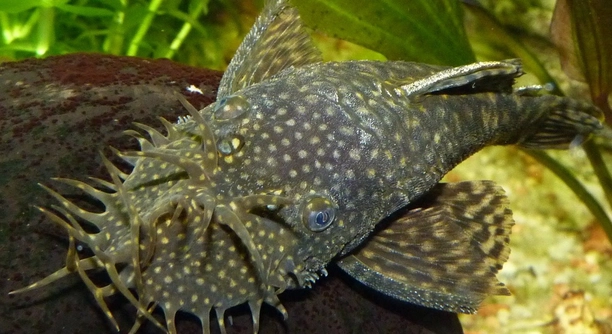
Day and night bring different behaviors in plecos, making it important to understand how these changes affect their activity. Observing your pleco’s actions during the day and night can provide insights into its health and habits.
Plecos exhibit distinct behaviors between day and night. During the day, they tend to remain hidden or rest, while at night, they become more active, exploring their environment and feeding. This nocturnal activity is typical of their natural instincts.
Understanding these differences helps create the best environment for your pleco. The following sections will explore the factors behind these behavioral shifts and how they influence their overall well-being.
Daytime Pleco Behavior: A Quiet Rest
During the day, plecos often rest in caves, crevices, or plants, blending in with their surroundings. Their behavior is more subdued, and they tend to avoid interaction, especially if they feel threatened or stressed. They may occasionally swim around, but their activity is limited.
This behavior helps them avoid predators and conserve energy. Plecos are naturally nocturnal creatures, meaning they are built to be more active during the night. The reduced activity during the day ensures they have enough strength to engage in their nighttime behaviors.
In an aquarium setting, understanding pleco behavior during the day is essential for creating a comfortable environment. Providing hiding spaces such as caves and plants will allow them to feel secure and reduce stress. A well-balanced tank with proper lighting and shelter can encourage your pleco to rest without disturbance, helping it remain healthy and at ease.
Nighttime Pleco Behavior: Active Exploration
As night falls, plecos become more active. They begin to swim freely around the tank, exploring different areas and often searching for food. Their nocturnal nature drives them to be more visible during these hours.
Nighttime is when plecos display their natural instincts, often engaging in foraging behavior. Their activity increases as they look for algae, detritus, and any leftover food in the tank. This behavior is crucial for their well-being, as it allows them to express their natural tendencies while maintaining their health.
Additionally, the darkness of night can help them feel safer, encouraging them to leave their hiding spots. Ensuring your pleco has access to areas to forage will keep them active and engaged. By understanding these behaviors, you can create an optimal environment that supports your pleco’s natural instincts while keeping them healthy.
Environmental Factors Affecting Pleco Behavior
Plecos are sensitive to changes in their environment. Water temperature, tank lighting, and water quality play significant roles in their behavior. If these factors aren’t ideal, plecos may remain hidden or become stressed.
Stable water conditions, including proper filtration and pH levels, encourage plecos to be more active. The ideal temperature for most plecos is between 74°F and 80°F. Consistent lighting schedules also help regulate their natural patterns, ensuring they rest during the day and become active at night. If their environment fluctuates, plecos may not engage in the same level of activity, affecting their health.
Regular water changes and monitoring temperature can keep your pleco comfortable. Adding plants, caves, and rocks will provide them with a safe space to retreat when needed, mimicking the conditions of their natural habitat.
Feeding Habits and Pleco Behavior
Feeding habits significantly impact pleco behavior, especially during the night. At night, plecos are most active when looking for food. Offering food in the evening encourages their nocturnal tendencies.
Plecos are omnivores, meaning they feed on both plant matter and small organisms. In an aquarium, it’s important to offer a variety of foods, such as algae wafers, vegetables, and occasional protein sources like shrimp. When they are well-fed, plecos tend to be more active, foraging and swimming around.
Not providing enough food can lead to boredom, causing them to become lethargic. Proper feeding habits also help maintain their health, ensuring they are strong and active during their nightly exploration. Offering food at night encourages their natural instincts, providing stimulation and promoting overall well-being.
Tank Setup for Pleco Comfort
Creating the right environment for your pleco helps encourage natural behaviors. Providing plenty of hiding spots, such as caves and plants, ensures they feel safe during the day. The tank should have a variety of surfaces for them to explore, mimicking their natural habitat.
Proper substrate is also important. Plecos like to graze on surfaces like rocks, driftwood, and plants. Choose smooth, safe materials to avoid damaging their delicate bodies. A substrate that promotes algae growth can encourage plecos to forage more actively, especially at night when they are most active.
The Role of Tank Mates in Pleco Behavior
Tank mates can influence pleco behavior in both positive and negative ways. Peaceful fish allow plecos to move freely, while aggressive tank mates can cause stress, making plecos more secretive.
Introducing plecos to tanks with non-aggressive species ensures they feel secure. Large, peaceful fish are best. Avoid small or overly active species that might harass the pleco. The presence of peaceful companions can also provide comfort, helping plecos feel less isolated.
Plecos and Their Unique Nocturnal Patterns
Plecos’ nocturnal behavior is key to their well-being. As creatures adapted to low-light environments, they are more active during the night, foraging and exploring. This behavior is deeply ingrained in their biology.
At night, plecos use their enhanced sense of smell and touch to locate food and explore their tank. It’s crucial to avoid disturbing them during this period to let them express these natural behaviors. With the right conditions, plecos thrive, becoming more active and engaged with their surroundings after dark.
FAQ
Why do plecos only come out at night?
Plecos are nocturnal creatures by nature. In the wild, they are more active at night to avoid predators. The low-light environment allows them to forage and explore more freely. In captivity, they retain this behavior, which is why they tend to be more visible at night. Their behavior is rooted in their biological rhythms, so you’ll often find them more active during the evening hours.
Do plecos need a lot of space to be active?
Yes, plecos benefit from having enough space to explore and exhibit natural behaviors. While they may seem like low-maintenance fish, they require room to swim, rest, and forage. A larger tank with plenty of hiding spots encourages them to be more active, especially during the night. If the tank is too small or crowded, they may not engage as much in these natural behaviors.
Can plecos eat during the day?
Plecos do eat during the day, but their feeding habits are generally more pronounced at night. They will occasionally nibble on algae or food leftovers in the tank during the day. However, they are primarily nocturnal feeders, and it’s best to provide food in the evening to encourage their natural foraging instincts. They’re more likely to engage with their food when it aligns with their nighttime activity.
How can I make my pleco feel more secure during the day?
To make your pleco feel secure during the day, provide plenty of hiding spaces like caves, plants, or driftwood. They tend to hide in these areas to rest and avoid the light. Keeping the tank environment stable in terms of temperature and water quality also helps reduce stress. A quiet, undisturbed area allows plecos to feel more comfortable, promoting healthy behavior.
Do plecos need specific lighting?
Plecos don’t require specific lighting, but their activity is influenced by the natural light cycles of the tank. To mimic their natural habitat, maintain a consistent day-night cycle with gentle lighting during the day. Dim lights in the evening help them feel more comfortable and encourage their nocturnal behavior. Avoid bright, harsh lighting that could stress them during their rest periods.
How often should I feed my pleco?
Plecos should be fed once or twice a day, depending on their age and size. Offer them food in the evening to align with their nocturnal activity. Plecos are omnivores, so providing a varied diet of algae wafers, vegetables like zucchini or cucumber, and occasional protein like shrimp helps maintain their health. Overfeeding can lead to water quality issues, so be sure to remove any uneaten food.
Are plecos aggressive?
Generally, plecos are not aggressive. They are peaceful creatures and usually keep to themselves, especially if they have enough space. However, they may become territorial with other bottom-dwelling fish or if they feel overcrowded. Providing enough hiding spaces and space for each fish in the tank can reduce any potential territorial behavior.
Do plecos need to be alone in a tank?
Plecos don’t necessarily need to be alone but should be housed with peaceful tank mates. Aggressive or overly active species might stress a pleco, causing it to retreat or hide more often. It’s best to keep plecos with larger, calm fish and avoid smaller or territorial species that may challenge their space. Proper tank size and hiding spots are key to ensuring peaceful coexistence.
Can plecos live with other species?
Yes, plecos can live with other species as long as they are peaceful. They are bottom-dwelling fish and often keep to themselves, but they do need a space where they can retreat and feel safe. Tank mates should not be overly aggressive or territorial to avoid stressing the pleco. Common tank mates include peaceful cichlids, tetras, and larger fish that won’t compete for the same bottom space.
How do I know if my pleco is stressed?
Stressed plecos may hide more than usual, display erratic swimming behavior, or become less active during the night. If they’re not eating or constantly staying in dark corners, these could be signs of stress. Poor water quality, tankmates, and sudden changes in their environment are common stressors. Regular water changes, maintaining proper tank conditions, and reducing disturbances can help relieve stress in plecos.
How long do plecos live?
Plecos can live for many years, typically around 10 to 15 years, depending on the species and care they receive. Larger plecos, like the common pleco, may live longer with the right environment, diet, and care. To ensure a long, healthy life, it’s important to provide them with a spacious tank, stable water conditions, and a balanced diet.
Do plecos need to be fed algae?
While plecos naturally graze on algae, they still require a varied diet for optimal health. Algae wafers and plant-based foods are essential, but they should also receive occasional protein like shrimp or other supplements. In a tank with little algae, providing algae-based foods will help meet their nutritional needs and satisfy their natural foraging instincts.
How big do plecos get?
The size of a pleco depends on the species. Common plecos can grow quite large, reaching lengths of 12-24 inches or more. Other species, like the bristlenose pleco, stay smaller, usually around 4 to 6 inches. It’s important to choose a pleco species that fits the size of your tank to prevent overcrowding and ensure they have enough space to thrive.
Can plecos live in small tanks?
While some smaller pleco species, like the bristlenose, can live in tanks as small as 20 gallons, larger plecos require much more space. A larger tank is necessary for plecos that grow bigger, like the common pleco. A small tank can cause stress, limit their natural behaviors, and result in stunted growth. It’s best to provide the largest tank possible for a healthy pleco.
Final Thoughts
Understanding the behavior of plecos, especially their differences between day and night, is essential for creating a healthy environment. These fish are nocturnal by nature, meaning they are most active when the lights are off. It’s important to set up their tank to accommodate these behaviors, such as providing hiding spots and ensuring there is enough space for them to swim. A quiet, undisturbed environment can help plecos feel secure and active during their peak hours. This will allow them to thrive and express their natural tendencies, like grazing on algae and exploring their surroundings.
When caring for plecos, one of the most important aspects to consider is tank setup. As bottom-dwellers, plecos benefit from tanks that have plenty of decorations, such as driftwood, caves, and plants, where they can hide and rest. Plecos are also very sensitive to water quality, so maintaining clean water and consistent parameters is crucial for their health. Feeding them a proper diet that aligns with their nocturnal habits will ensure they get the nutrition they need. Algae wafers, vegetables, and occasional protein help them stay healthy and active, particularly during the night when they do most of their foraging.
In conclusion, understanding your pleco’s day and night behavior can help you provide the best care for them. While they are not overly demanding, they do need the right environment to feel secure and active. A well-maintained tank with peaceful tank mates, appropriate lighting, and varied food will promote natural behavior and ensure a healthy, happy pleco. Whether you’re new to keeping plecos or have had them for a while, recognizing and accommodating their unique needs will allow them to thrive and become a rewarding part of your aquarium.

Hello,
If you enjoy the content that we create, please consider saying a "Thank You!" by leaving a tip.
Every little bit helps us continue crafting quality advice that supports the health, happiness, and well-being of pets around the world, for pets of all shapes, sizes, and species.
We really appreciate the kindness and support that you show us!