
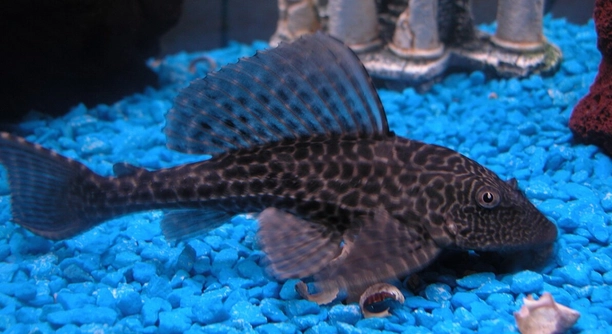
Have you ever looked at your plecos and started to wonder if you’re caring for a Bristlenose or a Common variety?
Bristlenose and Common Plecos differ in size, behavior, appearance, and tank needs. Bristlenose are smaller, easier to care for, and more peaceful. Common Plecos grow much larger and require more space and stronger filtration.
Knowing the key differences can help you choose the right pleco and keep your tank running smoothly with fewer surprises.
Size and Growth Rate
Bristlenose Plecos usually reach around 4 to 6 inches in length when fully grown, making them much more manageable for home aquariums. In contrast, Common Plecos can grow over 18 inches long and need significantly larger tanks. This size difference affects more than just the tank—filtration, food needs, and general care must be adjusted accordingly. Bristlenose Plecos are slow growers and rarely outgrow their tank quickly. Common Plecos, on the other hand, grow faster and can quickly outpace the space available in standard setups. Choosing between the two depends on how much room and equipment you’re ready to commit. Some aquarists start with a small tank and later upgrade, but that doesn’t always work with Common Plecos. They grow fast and need space early on.
Common Plecos are best suited for large aquariums or ponds due to their size and rapid growth.
Smaller tanks with limited space are more comfortable and stable when housing Bristlenose Plecos. Their size makes it easier to maintain water conditions and reduce stress on your equipment. With less bio-load and slower growth, Bristlenose Plecos are a solid option for beginners or those with mid-sized tanks.
Appearance and Features
Bristlenose Plecos are easily recognized by the fleshy bristles on their nose, especially noticeable in males. These bristles serve as a helpful visual cue when identifying them. Common Plecos lack this feature and have a sleeker, flatter appearance. Their colors and patterns can also help you tell them apart. Bristlenose tend to have more earthy tones and speckled patterns, while Common Plecos often display a darker base color with lighter markings. These visual distinctions become more apparent as the fish mature. Additionally, Bristlenose have a slightly more compact body shape, and their head is broader compared to the longer, flatter head of a Common Pleco. When selecting one for your tank, it’s helpful to observe these traits early. Juveniles might be harder to tell apart, but by adulthood, the differences are very clear. Appearance isn’t just for looks—it can also reflect how well your fish is adapting to its environment.
Behavior and Temperament
Bristlenose Plecos are generally peaceful and prefer to keep to themselves. They’re more active at night but won’t bother other tank mates. Common Plecos can become territorial, especially as they grow larger, which may cause issues in community tanks.
While Bristlenose Plecos enjoy hiding in driftwood and caves, they usually get along well with most fish species. They don’t get overly aggressive and tend to focus on scavenging for algae or leftovers. On the other hand, Common Plecos might start off peacefully when young but can grow more assertive over time. Their larger size and stronger nature can intimidate smaller or more passive tank mates. In some cases, they might latch onto slow-moving fish, mistaking them for food. Tank setup and space play a big role in reducing aggression. Adding multiple hiding spots and providing enough room can help ease tension, especially with larger or more territorial fish like the Common Pleco.
Bristlenose Plecos are easier to manage in community tanks because their behavior stays consistent as they age. Common Plecos can become problematic in smaller spaces, where their size and strength give them the upper hand. If you’re planning a peaceful setup, Bristlenose Plecos are the more reliable choice long-term.
Diet and Feeding Habits
Both types of Plecos are known for their algae-eating habits, but their diets go beyond that. Bristlenose Plecos are more efficient at cleaning algae and are content with plant-based food like zucchini, algae wafers, and cucumber slices.
Common Plecos also eat algae, but they tend to be more opportunistic feeders. As they grow, they may require more protein and variety in their diet. They’ll often eat leftover fish food, vegetables, and even driftwood. Because of their size, they produce more waste, which means overfeeding can easily affect water quality. Unlike Bristlenose Plecos, Common Plecos need more attention to feeding routines to avoid messy tanks. They’re more likely to uproot plants or leave food uneaten if it doesn’t suit them. Feeding schedules should include balanced options that mix plant-based foods with occasional protein like shrimp pellets or bloodworms. Monitoring their intake helps reduce buildup in the tank and keeps water stable.
Tank Requirements
Bristlenose Plecos do well in tanks that are at least 20 to 30 gallons. They need stable water conditions, moderate flow, and places to hide. Driftwood and caves help them feel secure and reduce stress.
Common Plecos need much more space—75 gallons or more is ideal. Their waste output is higher, so a strong filtration system is important. They also need room to move around and explore.
Lifespan and Health
Bristlenose Plecos live around 5 to 8 years with proper care. Clean water, a balanced diet, and stable tank conditions support their health. They’re generally hardy and less likely to suffer from stress-related illnesses. Common Plecos can live longer—up to 15 years—but only if housed in large, well-maintained tanks. Their size makes them more prone to injury in cramped spaces, and poor water quality affects them quickly. Bristlenose Plecos adapt well to smaller setups and are less demanding overall. If you’re looking for a low-maintenance pleco that still brings personality to your tank, Bristlenose is the safer, easier choice.
Breeding Behavior
Bristlenose Plecos are much easier to breed in home aquariums. They prefer caves for laying eggs and often care for their young.
FAQ
Can Bristlenose and Common Plecos live together?
It’s not recommended. While they might get along when young, Common Plecos grow large and can become territorial, especially in smaller tanks. Bristlenose Plecos are more passive and could end up stressed or injured. If you must keep both, provide a very large tank—over 100 gallons—with plenty of hiding spaces and territories for each fish. Still, the risk remains high, especially as the Common Pleco matures. It’s much safer to house them separately to avoid behavioral issues.
How fast do Common Plecos grow?
Common Plecos grow surprisingly fast. In their first year, they can easily reach 8 to 10 inches if fed properly and kept in a spacious tank. By their second year, many reach over a foot in length. Their rapid growth often surprises beginners who first bring them home at just a few inches long. Without a large enough tank, they may become stunted or develop health problems. Their size should always be considered before bringing one into your aquarium setup.
Do either of them eat live plants?
Yes, but it depends on the fish and the condition of the plants. Bristlenose Plecos generally don’t harm live plants unless they’re starving or the plants are already decaying. They may nibble soft leaves occasionally, but they’re mostly algae-focused. Common Plecos, however, are stronger and more destructive. They often uproot or chew through plants, especially when they’re large and hungry. Heavily planted tanks are safer with Bristlenose Plecos, as they are less likely to disturb the aquascape.
What is the best food for Bristlenose Plecos?
Bristlenose Plecos thrive on a diet of algae wafers, blanched vegetables like zucchini and cucumber, and the occasional protein treat like bloodworms. They’re mainly herbivores, so plant-based food should make up the bulk of their meals. You can also include sinking pellets made for bottom feeders. Providing driftwood is helpful, as they enjoy rasping on it for both food and digestion. Avoid overfeeding and rotate food options for balanced nutrition and cleaner water.
Why is my Pleco hiding all the time?
Both Bristlenose and Common Plecos are naturally shy and nocturnal. It’s normal for them to stay hidden during the day, especially in well-decorated tanks with caves or driftwood. They’re more active at night when lights are off. If your Pleco hides excessively or seems inactive even at night, check the water quality. Stress from poor tank conditions, overcrowding, or aggressive tank mates can cause them to retreat more than usual. A peaceful, stable environment helps them feel secure and behave normally.
Which Pleco is better for beginners?
Bristlenose Plecos are a better option for beginners. They stay smaller, require less space, and produce less waste. They’re hardy, easy to feed, and peaceful with other fish. Common Plecos are harder to manage due to their size, strong behavior, and heavy bioload. Many new fishkeepers choose Common Plecos without realizing how big they get, leading to tank problems. For a first-time aquarist, Bristlenose Plecos are a practical and rewarding choice with fewer long-term issues.
Do Plecos need a heater?
Yes, both Bristlenose and Common Plecos prefer warm water. A stable temperature between 72°F and 82°F (22°C–28°C) keeps them healthy and active. A heater helps maintain consistent warmth, especially in cooler climates or tanks near windows. Sudden temperature drops can stress them and lead to illness. Keeping your tank in a steady range is more important than chasing an exact number. Just avoid extremes, and your Pleco should do well in a properly heated environment.
Can they live with shrimp or snails?
Bristlenose Plecos usually do fine with shrimp and snails. They aren’t aggressive and tend to ignore smaller creatures. However, Common Plecos may see shrimp as a snack, especially as they grow larger. Even if they don’t eat them outright, their size and movement can crush or disturb delicate invertebrates. Bristlenose Plecos are more reliable tank mates for peaceful community setups that include shrimp or snails. Keep an eye out either way, especially if your tank is small or densely populated.
Final Thoughts
When choosing between Bristlenose and Common Plecos, it helps to think about your tank size, maintenance habits, and long-term plans. Bristlenose Plecos stay small, are easy to care for, and fit well into most home aquariums. They’re peaceful and usually get along with other community fish. Their small size makes them a practical choice if you don’t have a large tank or if you’re just starting out with fishkeeping. They’re also great for helping keep algae under control without causing much disruption to your tank layout.
Common Plecos, on the other hand, are much larger and require a lot more space. While they may seem like a fun choice at first, they grow quickly and can become harder to manage. As they get older, they may become territorial or even damage decorations and plants in your aquarium. Their size means they produce more waste, which can make tank cleaning more difficult. They’re best suited for very large tanks or outdoor ponds where they have enough room to move around comfortably. For many fishkeepers, the size and strength of a Common Pleco end up being too much work.
Both types of Plecos have their benefits, but it really comes down to what kind of setup you can offer. If you want a calm, manageable fish that won’t outgrow your tank, a Bristlenose Pleco is usually the better option. If you have a large tank and enjoy a challenge, a Common Pleco might be more appealing, but it does come with extra responsibility. Either way, doing a bit of research and thinking ahead can help prevent future problems. With the right care, both Plecos can live for many years and become a steady part of your aquarium. Being realistic about your tank’s limits and the type of fish you enjoy caring for will help you make the best choice.

Hello,
If you enjoy the content that we create, please consider saying a "Thank You!" by leaving a tip.
Every little bit helps us continue crafting quality advice that supports the health, happiness, and well-being of pets around the world, for pets of all shapes, sizes, and species.
We really appreciate the kindness and support that you show us!