
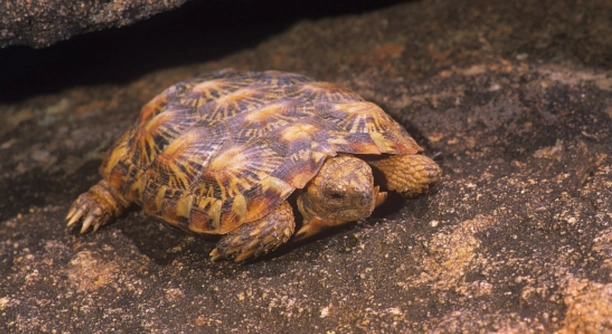
Pancake tortoises are fascinating creatures that can make great pets. However, understanding the differences between a happy and stressed pancake tortoise is crucial for their well-being. Their behavior can tell us a lot about their emotions.
The main differences between a happy and stressed pancake tortoise involve their body language, behavior, and overall health. A happy tortoise is active, eats well, and is relaxed, while a stressed tortoise may show signs of lethargy, loss of appetite, and defensive behavior.
By learning to recognize these signs, you can ensure your pancake tortoise stays healthy and content. Understanding their needs is essential for providing the best care possible.
Physical Appearance: Relaxed vs. Stressed
A happy pancake tortoise typically has a smooth, well-kept shell and body posture that is upright. Their shell will have vibrant colors, often showing a distinct pattern of light and dark sections. When content, these tortoises move with purpose, exploring their habitat without hesitation. You may notice that their head is slightly extended, and their limbs are relaxed. They don’t appear hunched or withdrawn, as a stressed tortoise might.
In contrast, a stressed pancake tortoise can look physically tense. Their shell may appear dull or lackluster, and they often seem smaller due to the way they pull in their limbs. You may observe a more defensive posture, with their head tucked into their shell. In this state, their movements are much slower or non-existent. These signs of stress are a signal that the tortoise is not comfortable in its current environment.
If your tortoise seems withdrawn, it’s important to check the conditions they’re in. A well-balanced environment with proper heating and humidity can help alleviate many of these stress signals. Being aware of your tortoise’s physical appearance is crucial for addressing their needs quickly.
Activity Level: A Clear Indicator
Tortoises that are happy and comfortable in their habitat are generally more active. They tend to explore their environment, search for food, and move around freely.
If you notice your pancake tortoise becoming lethargic and inactive for extended periods, it may be a sign of stress or health problems. Keeping track of their activity levels can help you spot changes early.
Eating Habits: Health and Behavior
Happy pancake tortoises have a healthy appetite. They eagerly search for food and eat consistently. Their diet mainly consists of greens, fruits, and some insects. When they are eating well, you can tell that they are content and receiving the nutrients they need.
If your tortoise is stressed, it may stop eating or only nibble at food. A decrease in food intake can be an indication of stress, illness, or environmental issues. Noticing a sudden drop in their appetite should prompt a closer inspection of their surroundings, as well as their diet and overall health.
Proper care involves ensuring their food is fresh and they have access to clean water. A stressed tortoise may also struggle with digesting food properly, leading to further health concerns. Always keep an eye on their eating habits to ensure they are in the best shape possible.
Shell Condition: An Unspoken Message
A healthy tortoise has a clean, smooth shell. There should be no signs of injury, damage, or excessive scarring. The shell’s shape should be even, with no unusual lumps or indentations. A well-maintained shell is an indication that the tortoise is happy and has a stable environment.
If your pancake tortoise is stressed, you may notice changes in the shell’s condition. The shell can become dull, brittle, or even show signs of deformity. These changes often signal poor health, likely caused by stress, inadequate care, or illness. For example, dehydration or insufficient UVB light can affect the shell’s health.
A stressed tortoise may not get enough proper nutrition to maintain shell integrity. Regular health checks are crucial to ensure that their shell remains in optimal condition. Make sure your tortoise has access to proper lighting, humidity, and a balanced diet for long-term shell health.
Breathing Patterns: A Sign of Stress
Happy pancake tortoises breathe calmly and steadily. Their breathing is usually slow and rhythmic, matching their relaxed behavior. This shows they are not stressed and are comfortable in their environment.
If your tortoise is stressed, you may notice irregular or faster breathing. Rapid or labored breaths can indicate discomfort, anxiety, or a health issue that needs attention. Pay attention to their breathing patterns during daily interactions to catch any signs early.
Hiding Behavior: When it Becomes Excessive
Pancake tortoises that are stressed often retreat into hiding spots more frequently than usual. They may seem withdrawn and not engage with their surroundings.
However, some hiding is normal, especially if they need rest. If your tortoise is constantly hiding and appears unwilling to explore, it might indicate anxiety or an unsafe environment. It’s essential to find a balance between allowing space and ensuring the tortoise’s comfort.
FAQ
What are common signs of a stressed pancake tortoise?
The most common signs of a stressed pancake tortoise include lethargy, lack of appetite, hiding more often than usual, and changes in their breathing pattern. You may also notice that they are pulling their limbs into their shell more frequently or that their shell appears dull. These signs indicate discomfort and may suggest issues with their environment or health.
How can I reduce stress in my pancake tortoise?
To reduce stress, ensure your tortoise has a suitable environment. This includes maintaining the proper temperature, humidity, and UVB light levels. A calm and quiet area free from excessive noise or disturbances is also important. Make sure your tortoise has enough space to roam and a clean, safe place to hide when they need rest. A balanced diet with fresh greens, fruits, and occasional insects will support their health.
How do I know if my tortoise is sick or just stressed?
Stress and illness can often present similar symptoms, such as lethargy or a loss of appetite. However, illness is usually accompanied by other signs, such as abnormal shell discoloration, mucus from the nose, or diarrhea. If stress does not seem to improve after adjusting environmental conditions, and you notice other symptoms like weight loss or unusual behavior, it’s best to consult a veterinarian.
What is the ideal temperature for a pancake tortoise?
The ideal temperature for a pancake tortoise is around 85-90°F (29-32°C) during the day. At night, it can drop to around 70-75°F (21-24°C). These temperatures help mimic their natural habitat. Ensure that your tortoise has a basking spot where they can warm up and a cooler area to retreat to if needed.
Can I keep multiple pancake tortoises together?
Pancake tortoises can sometimes live together if the enclosure is large enough to give each tortoise its own space. However, be cautious as they can become territorial, especially when food is scarce or when they feel threatened. It’s important to monitor their interactions and provide multiple food and water sources to prevent stress or aggression.
How often should I feed my pancake tortoise?
Pancake tortoises should be fed every day or every other day, depending on their age and health. Juveniles tend to eat more frequently, while adults can eat every other day. Provide fresh greens such as collard greens, dandelion greens, and a small amount of fruit. Occasional insects, like crickets or mealworms, can be offered as a supplement to their diet.
Is it normal for my pancake tortoise to be inactive during the winter?
Yes, pancake tortoises may become less active during the cooler months, as their metabolic rate slows down. However, they should still be provided with a suitable temperature range and access to water. If your tortoise becomes overly lethargic or stops eating completely, it could be a sign of illness, and you should seek veterinary advice.
How can I tell if my pancake tortoise is dehydrated?
Signs of dehydration include sunken eyes, dry or flaky skin, and a lack of appetite. Dehydrated tortoises may also become lethargic. To prevent dehydration, always provide access to fresh water and mist the enclosure regularly to maintain proper humidity levels. If dehydration persists, consult a vet.
What should I do if my pancake tortoise is not eating?
If your pancake tortoise refuses to eat, the first step is to check its environment. Ensure that the temperature and humidity are within the correct ranges. If these factors are in place and they still won’t eat, check for signs of illness or stress. If the issue continues for more than a few days, contact a veterinarian to rule out any underlying health concerns.
Can I use artificial lights for my pancake tortoise?
Yes, you can use artificial UVB lights to provide your tortoise with the necessary light for proper metabolism and calcium absorption. UVB light is crucial for their health, as it helps them synthesize vitamin D3, which is needed for strong bones and shell development. Make sure to replace the UVB bulbs regularly, as they lose effectiveness over time.
How do I keep my pancake tortoise’s shell healthy?
A healthy shell is a sign of a happy tortoise. To keep your tortoise’s shell in good condition, ensure they receive a balanced diet rich in calcium, provide access to UVB light, and maintain proper humidity levels. Also, avoid rough handling or environments where the shell could get scratched or damaged. Regular health checks can help detect shell issues early.
Are there any foods I should avoid feeding my pancake tortoise?
Yes, some foods should be avoided as they can harm your tortoise. Avoid feeding them high-oxalate greens, like spinach, as they can interfere with calcium absorption. Additionally, iceberg lettuce should be avoided because it offers little nutritional value. Avoid feeding them processed or sugary foods, as well as any toxic plants like azalea or oleander. Always research before offering new foods.
How can I tell if my pancake tortoise is stressed by other animals or people?
If your tortoise is stressed by other animals or people, you may notice defensive behaviors such as withdrawing into its shell, hissing, or attempting to escape. They may become more reclusive and spend time hiding more often. To reduce stress, keep the tortoise’s environment quiet and separate from loud or aggressive animals.
Final Thoughts
Taking care of a pancake tortoise requires attention to detail and understanding their needs. They are relatively low-maintenance creatures, but they do have specific environmental and dietary requirements that must be met for them to thrive. Keeping a close eye on their behavior, eating habits, and physical health will help you spot early signs of stress or illness. A happy tortoise will show signs of curiosity, activity, and a good appetite, while a stressed or unwell tortoise may become withdrawn, lose interest in food, or even show physical changes in their shell.
It’s important to create a balanced and stable environment for your tortoise. This includes providing proper lighting, temperature, and humidity levels. Without these, your tortoise may experience unnecessary stress, which can lead to health problems. Ensuring they have a clean and safe space to roam, along with a proper diet of fresh greens and occasional treats, will help keep them healthy. Regular monitoring of their behavior and environment will also ensure that you can address any issues promptly before they become serious.
Overall, the key to a happy pancake tortoise is consistency. They need a stable habitat with the right conditions to feel secure. By maintaining these conditions and keeping a watchful eye on your tortoise’s behavior, you can provide them with a stress-free life and a good quality of care. Understanding the differences between a happy and stressed pancake tortoise will make you more aware of their needs and help you respond appropriately to their needs.

Hello,
If you enjoy the content that we create, please consider saying a "Thank You!" by leaving a tip.
Every little bit helps us continue crafting quality advice that supports the health, happiness, and well-being of pets around the world, for pets of all shapes, sizes, and species.
We really appreciate the kindness and support that you show us!