
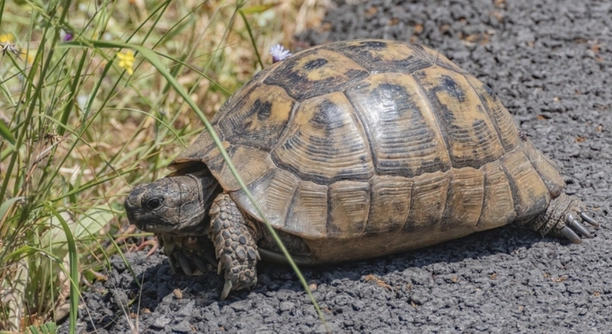
Greek tortoises are beloved pets, and keeping them healthy involves a proper diet. However, there are common mistakes that can harm these creatures. Knowing what to avoid will help ensure they thrive for years to come.
The most common diet mistakes that harm Greek tortoises include feeding them too many fruits, not providing enough fiber, offering inappropriate foods like dairy, and not varying their diet. These issues can lead to serious health problems and poor growth.
Proper nutrition is key to keeping your Greek tortoise happy and healthy. Avoiding these common diet mistakes can make a big difference in their well-being. Understanding what to feed them is an important part of their care routine.
Overfeeding Fruits Can Harm Your Greek Tortoise
Greek tortoises love fruits, but feeding them too much can cause problems. While fruits are high in vitamins, they also contain a lot of sugar. If given in large amounts, fruits can lead to obesity, digestive issues, and even kidney problems. A tortoise’s natural diet is low in sugar, consisting mainly of grass, weeds, and leaves. Too much sugar disrupts their ability to process nutrients properly, which can be harmful in the long run.
A balanced diet should prioritize leafy greens and grasses over sugary fruits. Providing fruits as an occasional treat, rather than a regular part of their diet, helps keep your tortoise healthy.
If you’re unsure about how much fruit to give, aim for no more than 10% of their overall diet. Fruits should only be an occasional addition, not a daily offering. Focusing on the right foods ensures that your tortoise maintains a healthy weight and avoids unwanted health issues.
Lack of Fiber Can Affect Digestion
Fiber plays a critical role in the digestive health of Greek tortoises. Without enough fiber, your tortoise may experience constipation or even metabolic disorders.
Greek tortoises need a high-fiber diet that mimics their natural habitat. They rely on grasses and weeds to get the fiber they need to support healthy digestion. Without this, they may struggle to process food properly. Consider adding fibrous greens like dandelion leaves, kale, and clover to their diet.
Feeding Dairy Products Is a Mistake
Dairy products are not suitable for Greek tortoises. Their digestive systems aren’t designed to process dairy, and feeding it to them can lead to serious issues like upset stomachs and diarrhea. Greek tortoises are strict herbivores, and dairy is simply not a natural part of their diet.
Tortoises lack the enzymes necessary to break down lactose, which can cause gut problems. Even small amounts of dairy can harm their digestion, making it harder for them to absorb essential nutrients. Stick to plant-based foods that align with their natural diet, such as leafy greens and grasses.
Over time, a diet that includes dairy can lead to more severe digestive issues. The best way to keep your tortoise healthy is to avoid feeding them anything that isn’t plant-based. This helps ensure they get the nutrients they need without unnecessary complications.
Not Varying Their Diet Is Harmful
Greek tortoises require a varied diet to stay healthy. Feeding them the same few foods every day can lead to nutritional deficiencies. Just like humans, tortoises need a range of nutrients that come from different types of plants.
A varied diet includes a mix of grasses, weeds, leaves, and flowers. These foods provide essential vitamins, minerals, and fiber. If you feed your tortoise only one type of food, they might miss out on key nutrients needed for their overall well-being.
Variety helps avoid nutrient imbalances and ensures that your tortoise stays strong and healthy. Offering different types of leafy greens, flowers, and grasses is the best way to give your tortoise everything it needs.
Offering Processed Foods Can Be Harmful
Processed foods, such as pre-packaged salads or snacks, are not appropriate for Greek tortoises. These foods often contain preservatives, sugars, or additives that can negatively affect their health. A tortoise’s diet should consist of fresh, natural plant-based foods.
Feeding processed foods regularly can lead to weight gain, digestive issues, and other health problems. They don’t provide the necessary nutrients that your tortoise needs for proper growth and a healthy immune system. Stick to whole, unprocessed plant material to support their well-being.
Overfeeding Supplements Is a Problem
While supplements can be helpful for Greek tortoises in certain situations, overuse can cause harm. Excessive amounts of calcium or vitamins can lead to health issues like kidney problems or shell deformities. It’s important to use supplements sparingly and only when necessary.
Tortoises that are fed a well-balanced diet typically don’t need extra supplementation. Too much calcium, for example, can cause calcium buildup, resulting in kidney strain or even organ damage. Only consult a veterinarian for advice on supplements if your tortoise shows signs of deficiency.
FAQ
What should I feed my Greek tortoise?
Greek tortoises thrive on a diet of leafy greens, grasses, weeds, and flowers. Foods like dandelion greens, clover, kale, and hibiscus flowers are excellent choices. These foods are high in fiber, vitamins, and minerals that support a tortoise’s digestive health and overall well-being. Avoid feeding them sugary fruits, processed foods, or anything high in fat. A varied diet that mirrors what they’d naturally eat in the wild is best for keeping them healthy.
Can Greek tortoises eat fruits?
Yes, Greek tortoises can eat fruits, but only in moderation. Fruits should be a small part of their diet, no more than 10% of what they eat. Too much fruit, especially sweet ones, can cause digestive issues and contribute to obesity. Safe fruits for tortoises include small amounts of apples, berries, and melons, but always make sure to remove any seeds or pits.
Is it okay to feed my tortoise lettuce?
Lettuce can be fed to Greek tortoises in small amounts, but not all types of lettuce are suitable. Iceberg lettuce should be avoided because it has little nutritional value and can cause diarrhea. Romaine or other darker leafy varieties are better options. However, lettuce should not be the main part of their diet. Tortoises need a variety of greens, so offer them a mix of lettuce and other more nutrient-dense options like dandelion leaves, collard greens, and mustard greens.
How often should I feed my Greek tortoise?
A juvenile Greek tortoise should be fed daily, while adult tortoises can typically be fed every other day. However, the quantity of food should be adjusted to their size and activity level. The goal is to offer them enough food to eat within a 30-minute window, and they should not be overfed. Make sure to provide fresh water daily, as hydration is crucial for their health.
Can I feed my Greek tortoise flowers?
Yes, flowers are a great addition to a Greek tortoise’s diet. Many edible flowers are packed with vitamins and minerals. Safe flowers include hibiscus, dandelions, nasturtiums, and clover. Make sure to avoid flowers that have been treated with pesticides or chemicals, as these can be harmful to your tortoise. Offering a variety of flowers helps provide additional nutrients and enriches their diet.
Is it safe to feed my tortoise vegetables?
Vegetables like kale, collard greens, and bell peppers are great for Greek tortoises. However, not all vegetables are suitable. Avoid feeding them starchy vegetables like potatoes, or those with high water content, like cucumber, as they may cause digestive upset. Leafy greens and non-starchy vegetables are the best options for a healthy diet.
How much calcium does my Greek tortoise need?
Greek tortoises require calcium to maintain strong bones and healthy shell growth. While they get most of their calcium from their diet, you may need to provide a calcium supplement if they’re not getting enough from their food. A calcium powder dusted on their greens a couple of times a week is a good option. However, too much calcium can lead to kidney problems, so be careful not to overdo it.
Can Greek tortoises eat mushrooms?
It’s not recommended to feed mushrooms to Greek tortoises. Some mushrooms contain toxins that can be harmful to tortoises. Even if the mushrooms are safe, they do not offer much nutritional value. Stick to more natural plant-based foods such as leafy greens and grasses that provide essential nutrients.
Can Greek tortoises eat nuts or seeds?
No, Greek tortoises should not eat nuts or seeds. These foods are too high in fat and can cause digestive problems or lead to obesity. They also lack the fiber content that is essential for a tortoise’s digestive health. Stick to a diet made up of fiber-rich plants to keep your tortoise healthy.
What happens if I feed my tortoise the wrong foods?
Feeding your tortoise the wrong foods, such as sugary fruits, dairy, or processed foods, can lead to a range of health issues. These include obesity, digestive problems, metabolic bone disease, and organ damage. In severe cases, it can shorten your tortoise’s lifespan. Providing a balanced, appropriate diet will ensure your tortoise thrives and remains healthy for many years.
Is it necessary to supplement my Greek tortoise’s diet?
In most cases, if your Greek tortoise is eating a varied and balanced diet of fresh greens, flowers, and grasses, supplementation is not necessary. However, in some instances, like if they have a calcium deficiency or if they’re not getting enough vitamin D, you may need to add supplements. Always consult with a veterinarian before adding supplements to ensure you’re doing what’s best for your tortoise.
Final Thoughts
Taking care of a Greek tortoise involves understanding their natural diet and providing them with the right foods to stay healthy. These tortoises require a diet high in fiber and low in sugars to prevent obesity, digestive issues, and other health problems. Leafy greens, grasses, and certain flowers should be the main components of their diet. Overfeeding fruits or offering processed foods can disrupt their digestion and cause serious harm. It’s essential to be mindful of what they eat and avoid common mistakes like feeding them dairy or too many fruits.
A well-balanced diet for your tortoise is key to their overall well-being. This includes offering them a variety of fresh greens, weeds, and flowers to ensure they get the nutrients they need. Some of the best foods for Greek tortoises include dandelion greens, clover, and hibiscus flowers. It’s also important to avoid feeding them vegetables with high water content, such as cucumber, as they can cause digestive upset. By sticking to foods that mimic what they would eat in the wild, you can help your tortoise live a long, healthy life.
Remember that Greek tortoises are herbivores and rely on plant-based diets for their nutrition. Always avoid feeding them nuts, seeds, or any processed foods, as these can be harmful. Supplements are only necessary if your tortoise shows signs of deficiency, and it’s best to consult a veterinarian before adding them to their diet. Overall, being mindful of their feeding habits and providing the right foods will go a long way in keeping your Greek tortoise happy and healthy.

Hello,
If you enjoy the content that we create, please consider saying a "Thank You!" by leaving a tip.
Every little bit helps us continue crafting quality advice that supports the health, happiness, and well-being of pets around the world, for pets of all shapes, sizes, and species.
We really appreciate the kindness and support that you show us!