
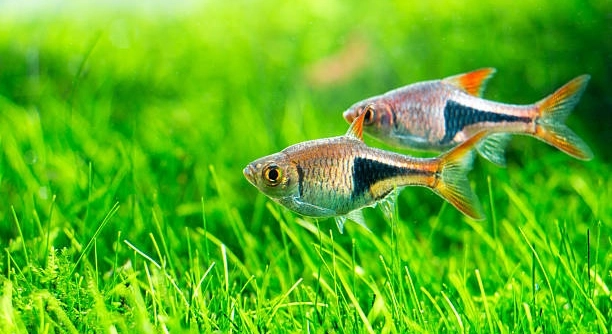
Rasboras are small, peaceful fish that enjoy calm and structured environments. Providing the right decorations can help them feel more secure and reduce stress in your aquarium. A well-thought-out setup improves their overall health and comfort.
Adding plants, hiding spots, and gentle lighting are key to creating a secure environment for rasboras. Decorations such as live or artificial plants, driftwood, smooth stones, and floating cover help mimic their natural habitat and reduce stress effectively.
Creating a safe space for rasboras goes beyond aesthetics and can influence their behavior positively. The right arrangement of elements will keep them calm and active throughout the day.
Dense Plant Clusters
Dense plant clusters give rasboras a sense of safety by providing cover where they can retreat when stressed. Using a mix of tall and short plants creates layers that resemble their natural river habitats. Live plants like Java fern, Amazon sword, and Vallisneria grow well in most community tanks and provide hiding spaces. Artificial plants can also work if you prefer low-maintenance options. Arrange them in corners and along the back of the tank to leave open swimming areas while still offering shelter. Plants also help improve water quality by absorbing nitrates, which adds to the overall health of the aquarium. Make sure to leave pathways between clusters so rasboras can swim freely and explore without feeling trapped.
Dense plant clusters reduce visible stress in rasboras by giving them consistent places to hide and feel secure. Their activity increases when they know cover is nearby.
Adding dense plants not only improves the visual appeal of your tank but also encourages natural behaviors. Rasboras will dart between leaves, explore shaded areas, and rest in the foliage. Providing this layered environment reduces aggression among tank mates, as fish can avoid confrontation. Plants also serve as breeding grounds for eggs, allowing fry to hide safely. In addition, live plants contribute to oxygenation, which benefits all aquatic life. Placement matters—densely packed corners with clear swimming lanes prevent overcrowding while maximizing comfort. Even small plants scattered throughout open areas can break the line of sight, making the tank feel less exposed. Maintaining plant health is essential: trim dead leaves, monitor growth, and ensure sufficient light. Both live and high-quality artificial plants help rasboras feel secure, resulting in more active and visually engaging fish behavior.
Driftwood and Rocks
Driftwood and smooth rocks create natural hiding spots for rasboras. Arranging them in small caves or clusters helps fish feel protected while adding texture and depth to the tank.
Using driftwood and rocks mimics riverbeds where rasboras naturally hide. Choose pieces with no sharp edges to avoid injury. Position them strategically to create shaded areas and small tunnels for swimming. Layer rocks with slight gaps for additional refuge. Combining driftwood with plants enhances the effect, offering multiple types of shelter. Driftwood also slightly lowers pH, which benefits rasboras accustomed to soft, acidic water. Avoid overcrowding to maintain open swimming space, keeping fish comfortable. Over time, algae may grow on wood and rocks, providing extra grazing opportunities. Clean decorations periodically to prevent water quality issues, but avoid disturbing the hiding areas too much. By carefully selecting shapes, sizes, and placement, driftwood and rocks contribute to a secure, visually appealing, and natural-feeling environment that encourages rasboras to explore confidently.
Floating Plants
Floating plants provide shaded areas at the water’s surface, helping rasboras feel safe. They reduce light intensity, creating calmer zones where fish can retreat without being exposed.
Floating plants like duckweed, frogbit, or water lettuce create natural shade and mimic river surfaces. Their roots hang down, offering additional cover for small or timid fish. These plants help break the line of sight across the tank, which lowers stress and encourages more natural swimming patterns. They also absorb excess nutrients, helping maintain water quality. Ensure some open water remains for swimming, but let the floating plants cover enough surface to give a sense of protection.
Maintaining floating plants is simple but requires occasional thinning to prevent overcrowding. Removing older leaves and trimming roots ensures sunlight reaches lower plants and prevents decay from affecting water quality. Regularly check that floating mats do not block filters or disturb water flow. The combination of shade, gentle current, and root cover gives rasboras a secure environment, supporting their active, social behavior while keeping them comfortable in the aquarium.
Caves and Hollow Decorations
Caves and hollow decorations give rasboras small, enclosed areas to hide in, reducing stress and creating a sense of security.
Ceramic or resin caves can be placed along the substrate or near plants to provide discreet hiding spots. Smooth interiors prevent injury while allowing fish to dart in and out freely. Arranging multiple caves of different sizes ensures all rasboras can find shelter without competition. Combining caves with plant cover enhances the protective effect. Hollow logs or PVC tubes can also serve as cost-effective alternatives. Placement should allow easy swimming access while leaving open areas for exploration. These enclosed spaces simulate natural hiding areas, encouraging natural behaviors like schooling and resting.
Rasboras feel safer when they have predictable, accessible shelters. Multiple caves reduce stress and aggression by letting fish retreat quickly when startled. Over time, they will establish preferred hiding spots, returning to the same areas consistently. Providing a mix of tall caves and shallow openings accommodates different sizes and temperaments within the school. Monitoring interactions ensures no single fish dominates a favorite cave. The combination of structure, cover, and accessibility fosters confidence, increases activity, and improves overall health by reducing chronic stress in the aquarium environment.
Leaf Litter
Leaf litter provides a soft, natural layer on the substrate where rasboras can hide and feel safe. It creates small nooks and reduces stress while giving the tank a natural look.
Using Indian almond leaves or dried oak leaves adds tannins that slightly soften water. The decomposing leaves provide microhabitats for tiny organisms, giving rasboras a foraging opportunity. Leaf litter also creates shaded areas near the bottom, making timid fish more comfortable. Replace leaves gradually to maintain cleanliness and avoid excessive buildup.
Low Lighting
Low lighting helps rasboras feel more secure by reducing exposure and creating a calmer environment.
Dim or indirect lighting mimics shaded areas of rivers and streams where rasboras naturally thrive. Bright lights can make them skittish, while lower intensity encourages normal schooling and feeding behaviors. Using adjustable LED lights or floating plant coverage helps control brightness. Consistent lighting schedules maintain a stable environment, supporting both fish and plants. This approach prevents stress-related health issues and promotes active swimming while keeping them comfortable in their habitat.
Soft Substrate
Soft substrate reduces the risk of injury and creates a gentle environment for rasboras to explore.
FAQ
How do I know if my rasboras feel secure in the tank?
Rasboras that feel safe usually swim confidently in groups, explore the tank, and show natural schooling behavior. They rest among plants or decorations without appearing skittish. Frequent hiding or darting in panic may indicate stress or insufficient shelter, so adding more cover can help.
Can artificial plants provide the same security as live plants?
Yes, artificial plants can offer similar protection if arranged thoughtfully. Choose soft, smooth materials and place them in layers to create hiding spaces. While they don’t improve water quality like live plants, they still help rasboras feel secure and reduce stress effectively.
How many hiding spots should I provide in my tank?
A good rule is to have at least one hiding spot per rasbora, plus extras to prevent competition. Mix caves, driftwood, and plant clusters to create varied shelters. Multiple options allow timid fish to retreat comfortably without disrupting the school’s social dynamics.
Do floating plants affect water quality?
Floating plants absorb nutrients and help reduce algae growth, which can indirectly improve water quality. They also create shaded zones that make rasboras feel safer. Monitor plant density to maintain adequate light and water circulation, preventing stagnation or debris buildup.
Will rasboras feel secure with only one type of decoration?
Relying on a single decoration type may not provide enough variety. Combining plants, caves, driftwood, and leaf litter creates a more natural, layered environment. This variety allows fish to choose their preferred hiding spot depending on mood or time of day.
Is it necessary to adjust lighting for rasboras’ comfort?
Yes, lighting directly affects their sense of security. Too bright light can stress fish, while dim or filtered lighting simulates natural habitats. Combining low-intensity lighting with floating plants or shaded areas offers both protection and encourages normal behaviors like schooling and feeding.
Can substrate type influence their feeling of safety?
Soft substrates like sand or fine gravel reduce injury risk and make bottom areas more comfortable for resting. Rough or sharp gravel can make rasboras hesitant to explore, increasing stress. Layering substrate with leaf litter also provides additional cover and natural hiding spots.
How often should I rearrange decorations for their comfort?
Frequent rearrangement can stress rasboras, as they rely on familiar landmarks. Minor changes are okay, but major shifts should be done gradually. Introducing new hiding spots one at a time helps fish adapt without increasing anxiety.
Do rasboras need cover during feeding times?
Providing nearby shelter while feeding reduces stress and encourages natural foraging. Fish feel safer if they can quickly retreat after picking at food. Scatter feeding or placing food near plants and caves ensures shy individuals get access without feeling exposed.
Will a heavily decorated tank limit their swimming space?
Decorations should balance cover with open areas. Dense clusters and caves provide safety, but maintaining clear swimming lanes prevents frustration and promotes active schooling. Proper arrangement ensures rasboras feel secure without feeling cramped.
Can other fish species affect rasboras’ sense of security?
Yes, aggressive or larger species can stress rasboras. Secure environments with ample hiding spots help them cope, but careful selection of tank mates is essential. Peaceful community species that respect their space maintain a calm and safe habitat.
Are there seasonal or environmental factors that influence their comfort?
Changes in temperature, light cycles, or water chemistry can stress rasboras. Consistent conditions combined with familiar decorations support their sense of security. Monitoring these factors ensures the tank remains a safe and comfortable space year-round.
How long does it take for rasboras to feel secure in a new tank?
Adjustment periods vary, but most rasboras start feeling comfortable within a week when provided with sufficient cover and stable conditions. Observing behavior helps gauge comfort levels, allowing adjustments in decorations or shelter as needed.
Does water flow affect their feeling of safety?
Moderate water flow is ideal, mimicking natural habitats. Strong currents may stress rasboras, while gentle flow around plants and caves creates safe zones. Positioning filters carefully ensures shelter areas remain calm and accessible.
Can adding leaf litter impact their health?
Leaf litter provides hiding spots and encourages foraging, but excessive buildup can degrade water quality. Replace leaves gradually, remove decaying material, and monitor water parameters to maintain both safety and health for your rasboras.
What is the best way to combine different types of decorations?
Mix plants, driftwood, rocks, and caves to create a layered environment. Place taller elements at the back, floating plants on the surface, and small caves near the substrate. This setup allows rasboras to choose cover while maintaining open swimming lanes and visual appeal.
How important is consistency in tank layout for their security?
Consistency is key. Rasboras rely on familiar landmarks to feel safe. Frequent, major changes can increase stress, while small, gradual adjustments allow them to adapt and continue exhibiting natural behaviors without anxiety.
Do rasboras prefer more cover in larger or smaller tanks?
Cover should scale with tank size. Larger tanks require more hiding spots spread throughout, while smaller tanks need fewer but strategically placed shelters. Ensuring every fish has access to refuge supports healthy social interactions and reduces territorial conflicts.
How can I monitor if my decorations are effective?
Observe fish behavior. Confident swimming, schooling, and use of hiding spots indicate a secure environment. Timid, erratic, or clumped behavior suggests a need for additional cover or rearrangement. Regular observation helps maintain an optimal balance between safety and space.
Can seasonal plant changes affect their sense of security?
Yes, seasonal growth or die-off of plants can alter cover density. Maintaining some permanent structures like caves or driftwood ensures continuous hiding spots, while trimming or replacing plants keeps the environment stable and reassuring for rasboras.
Do rasboras benefit from varied textures in decorations?
Varied textures mimic natural habitats, providing tactile stimulation and hiding options. Smooth rocks, driftwood, soft plants, and leaf litter all contribute to comfort and safety. Combining textures encourages natural exploration and reduces stress, supporting both physical and behavioral health.
Is it better to place hiding spots near the surface or substrate?
Both levels are important. Substrate shelters provide resting and foraging zones, while surface or midwater cover gives protection from light or perceived threats. Layered hiding spots across heights cater to different behaviors and preferences within the school.
How often should I clean decorations without stressing rasboras?
Clean decorations gently and gradually. Remove algae or debris while keeping some areas intact to maintain familiarity. Avoid sudden, full cleanings, as disturbing all hiding spots at once can increase stress and disrupt their sense of security.
Can decorations help during breeding?
Yes, plants, caves, and leaf litter provide safe areas for eggs and fry. Secure environments reduce predation risk from other fish and encourage natural breeding behaviors, supporting both comfort and reproductive success.
What is the role of shading in rasboras’ comfort?
Shading reduces stress from bright lights and provides visual cover. Floating plants, dense foliage, or caves create shaded zones that allow rasboras to rest and explore safely, enhancing their sense of security and overall well-being.
Do all rasboras react the same way to decorations?
Individual temperament varies. Some may prefer open swimming, others dense cover. Offering a variety of hiding spots ensures all fish feel safe, accommodating differences while promoting a harmonious school and reducing conflict.
How does decoration arrangement impact social behavior?
Strategic placement of shelters reduces competition and territorial disputes. Open areas encourage schooling, while nearby cover allows shy fish to retreat. Proper arrangement supports both activity and security, fostering balanced social interactions within the tank.
Can I use natural versus synthetic materials interchangeably?
Both can be effective if safe and smooth. Natural items like driftwood or stones offer a realistic environment, while synthetic pieces provide low-maintenance options. The priority is safe design and thoughtful placement to enhance security.
Is it necessary to replace decorations over time?
Some materials degrade or accumulate algae, which may reduce their effectiveness. Periodic replacement or maintenance maintains safety, hygiene, and comfort. Gradual changes prevent stress while keeping the tank visually appealing and functional for rasboras.
How do decorations interact with tank filtration?
Ensure decorations don’t block water flow or intake. Properly placed plants, rocks, and caves can coexist with filters, maintaining both water quality and accessible hiding spots. Balanced flow creates calm zones that enhance fish comfort without compromising circulation.
Do rasboras prefer decorations with color contrast or natural tones?
Natural tones often feel safer, blending with their environment. Subtle contrasts can create interest without overwhelming them. Avoid overly bright or reflective surfaces that may stress timid individuals while maintaining visual appeal for observers.
Can decorations help reduce aggressive behavior?
Yes, shelters allow fish to escape conflicts and reduce visibility, lowering stress-induced aggression. Multiple hiding spots and plant cover ensure all rasboras can avoid confrontation, encouraging peaceful schooling and balanced social dynamics.
How does tank size affect decoration strategy?
Larger tanks need more scattered shelters, while smaller tanks require fewer but well-placed hiding spots. Proper scaling ensures every rasbora has access to refuge without overcrowding, balancing security with open swimming areas.
Are decorations useful for acclimating new rasboras?
Yes, new fish feel safer when they can explore while hiding. Providing familiar structures during introduction reduces stress, helping them settle more quickly and encouraging normal behavior from the start.
What maintenance tips keep decorations safe and effective?
Regularly check for sharp edges, remove decaying plant material, and clean gently. Maintain consistent placement and gradually introduce changes. Well-kept decorations preserve safety, comfort, and the natural feel that rasboras rely on to feel secure.
Can multiple schools of rasboras share the same tank safely with decorations?
Yes, ample hiding spots and layered environments allow different schools to coexist without stress. Separate shelters and open swimming areas reduce competition and territorial disputes, supporting harmonious behavior across groups.
How do decorations influence feeding behavior?
Nearby shelters encourage natural foraging while giving timid fish a sense of safety. Scatter feeding around plants and caves ensures all individuals access food without stress, supporting healthy eating habits and social comfort.
Do seasonal water changes impact decoration effectiveness?
Water changes temporarily alter surroundings, but consistent decoration placement maintains security. Gradual changes prevent disruption of hiding spots, helping rasboras adjust while maintaining comfort in their environment.
How important is height variation in decorations?
Height variation allows fish to choose preferred levels for hiding or swimming. Tall plants, floating cover, and low substrate shelters create multiple zones, accommodating different behaviors and preferences, enhancing overall security.
Can decorations reduce stress from tank noise or movement outside?
Yes, dense plants, caves, and floating cover buffer visual and physical disturbances, helping rasboras feel safer. Providing adequate hiding spots mitigates stress caused by sudden movements or external activity.
Do all rasboras use decorations equally?
Some are bolder while others stay hidden. Multiple options ensure all fish feel safe, allowing shy individuals to retreat while more confident fish explore freely, supporting a balanced and harmonious tank environment.
Are decorations necessary if the tank is heavily planted?
Even in planted tanks, additional shelters like caves or driftwood improve security. Layers of plants alone may not provide sufficient hiding spots, especially for timid fish or during feeding and social interactions.
How does decoration placement affect breeding success?
Strategic placement of plants, caves, and leaf litter gives eggs and fry protection from other fish. Providing varied cover ensures higher survival rates and encourages natural breeding behavior, benefiting both security and reproduction.
Can decorations help acclimate new tank mates?
Yes, shelters reduce initial stress and allow new fish to explore gradually. Familiar structures give them control over their environment, improving adjustment speed and overall comfort within the tank.
Is it better to cluster decorations or spread them out?
A mix of clustering and spreading works best. Dense corners provide secure retreats, while open areas allow schooling and exploration. Balanced arrangement supports natural behaviors and reduces stress for all rasboras.
Do different rasbora species have unique decoration preferences?
Some species prefer dense foliage, others open swimming spaces. Observing behavior and providing a variety of hiding spots ensures all species feel secure, promoting healthy social interactions and minimizing stress.
How do decorations interact with water parameters?
Live plants and driftwood can slightly alter pH or hardness. Monitor water conditions to ensure decorations enhance rather than compromise comfort, keeping rasboras secure while maintaining stable chemistry.
Can decorations encourage natural behavior besides hiding?
Yes, they promote foraging, schooling, and resting in safe areas. Layered structures, leaf litter, and plant cover replicate natural environments, supporting instinctive behaviors while reducing stress.
Are decorations more important in community tanks or single-species tanks?
Both benefit, but community tanks need extra hiding spots to prevent stress from other species. Single-species tanks may require fewer shelters, but layering still supports comfort and natural behaviors.
How often should I reassess decoration effectiveness?
Observe fish behavior weekly. Look for signs of stress, underused hiding spots, or overcrowding. Adjust placement or add shelters gradually to maintain a secure, comfortable environment.
Can decorations help prevent disease?
Indirectly, yes. Secure, low-stress environments strengthen immune systems. Plants and soft substrates also improve water quality, reducing conditions that encourage illness, while safe hiding spots reduce injury risk.
Is there a best material for long-term decoration stability?
Driftwood, ceramic caves, and smooth rocks last long and remain safe. Avoid sharp edges or low-quality plastics that degrade over time, ensuring consistent security and minimal maintenance.
Do rasboras interact differently with natural vs. artificial cover?
Natural materials like wood or leaves provide tactile and visual comfort. High-quality artificial cover can replicate these benefits if designed carefully. Both types can reduce stress and encourage exploration when placed thoughtfully.
Can decorations influence activity levels?
Yes, secure hiding spots and shaded areas encourage confident swimming and schooling. Open lanes between shelters allow exploration, while dense zones reduce skittish behavior, keeping fish active and healthy.
Are decorations necessary if the tank has lots of plants?
Even heavily planted tanks benefit from caves, driftwood, or leaf litter. Varied textures and shelter types cater to different behaviors, ensuring all fish feel safe while maintaining a balanced environment.
Do decorations affect water flow patterns?
Yes, they can create calm zones and influence currents. Proper placement prevents stagnant areas while maintaining gentle flow around shelters, supporting comfort and natural swimming behavior.
Can too many decorations be harmful?
Overcrowding reduces open swimming space, increases debris accumulation, and may stress fish. Balance is key: enough hiding spots without restricting movement or creating clutter ensures a secure, healthy tank.
How do I balance aesthetics and security?
Prioritize fish comfort, then arrange decorations for visual appeal. Layered plants, smooth rocks, driftwood, and subtle color variation create a natural, attractive environment that keeps rasboras secure while looking appealing.
Are there decorations that encourage breeding and hiding simultaneously?
Yes, caves, dense plants, and leaf litter provide dual functions. They give fry protection while offering adults retreat zones, promoting both security and reproductive behavior.
Can decorations reduce bullying in the tank?
Yes, multiple shelters and visual barriers lower aggression by allowing shy fish to escape. Proper arrangement minimizes territorial disputes and supports peaceful social interactions.
Do rasboras prefer horizontal or vertical cover?
Both types are beneficial. Vertical plants and tall decorations provide midwater refuge, while horizontal shelters like leaf litter and caves offer substrate-level hiding. Layering enhances comfort across all tank zones.
Is maintenance of decorations stressful for rasboras?
If done gently and gradually, maintenance is not stressful. Avoid sudden full-scale rearrangements; clean decorations in place when possible and reintroduce them carefully to preserve familiarity and security.
How does decoration variety influence behavior?
Variety reduces stress, encourages exploration, and supports natural behaviors like schooling, hiding, and foraging. Mixed textures, heights, and materials create a dynamic environment that keeps rasboras confident and active.
Can decorations help with acclimation of newly introduced fish?
Yes, consistent and accessible shelters allow new rasboras to explore safely. Gradual introduction into a well-structured tank minimizes stress and promotes faster adaptation.
How important is spacing between hiding spots?
Proper spacing prevents competition and overcrowding. Multiple accessible shelters spread throughout the tank ensure all fish have safe retreats while maintaining open areas for swimming and social behavior.
Do rasboras need different types of cover at night?
Nighttime security is important. Floating plants, dense foliage, and caves provide darkened areas for resting, reducing stress and allowing fish to feel protected even when lights are off.
Can decorations help reduce the impact of sudden tank disturbances?
Yes, shelters buffer external movement or vibrations. Plants, caves, and driftwood provide visual and physical cover, helping rasboras feel safe during cleaning, feeding, or other routine disturbances.
Do all rasboras use the same hiding spots?
No, preferences vary. Some favor caves, others plants or leaf litter. Providing diverse options ensures all individuals feel safe and reduces stress or competition.
Can decorations support healthy schooling behavior?
Yes, open lanes between cover allow coordinated swimming, while nearby hiding spots let timid fish stay close without feeling exposed. Proper decoration layout enhances natural schooling dynamics.
Are decorations more effective in smaller or larger schools?
Both benefit, but larger schools require more shelters to prevent overcrowding. Adequate hiding spots ensure all individuals feel safe, maintaining social harmony and reducing stress.
Can decorations help with feeding competition?
Yes, scatter feeding near plants or caves allows shy fish to access food without confrontation. Multiple feeding zones reduce aggression and ensure all fish eat comfortably.
Do decorations impact tank oxygenation?
Indirectly, yes. Live plants contribute to oxygenation, while well-placed structures maintain water circulation. Proper design supports both security and a healthy aquatic environment.
Is it better to use decorations of uniform or varied size?
Varied sizes create layers and multiple retreat options. Small, medium, and large hiding spots accommodate different behaviors, temperaments, and sizes within the school.
How can I tell if my decorations need rearranging?
Watch for signs like constant hiding, overcrowding, or avoidance of certain areas. Gradual adjustments maintain security while improving accessibility and tank dynamics.
Do decorations affect interactions with tank mates?
Yes, shelters reduce visibility and aggression. Layered cover ensures peaceful cohabitation, allowing timid rasboras to avoid confrontation while more confident fish explore.
Are decorations necessary for every tank?
Yes, even minimal cover improves safety, reduces stress, and supports natural behaviors. Properly selected and arranged decorations create a secure and comfortable environment for rasboras.
How does tank depth influence decoration placement?
Deeper tanks benefit from vertical plants and floating cover, while shallow areas focus on substrate-level shelters. Layering across depth ensures security throughout the water column.
**Can decorations help during transport
Rasboras thrive in environments where they feel secure. Providing the right decorations in your tank helps create a safe and comfortable habitat. Plants, caves, driftwood, and leaf litter give them places to hide, rest, and explore. These elements mimic their natural surroundings, reducing stress and encouraging natural behaviors such as schooling, foraging, and resting. A well-structured tank with adequate cover not only improves their confidence but also contributes to their overall health and longevity. Observing how rasboras interact with different decorations can help you understand their preferences and adjust the tank setup accordingly, ensuring that every fish feels safe and comfortable.
Layering decorations thoughtfully is key to creating a balanced environment. Dense plant clusters provide shelter and shaded areas, while driftwood, rocks, and caves offer tactile and visual security. Floating plants reduce light intensity and create calm zones at the surface, which helps shy or timid fish feel less exposed. Even leaf litter on the substrate adds small hiding spots and encourages natural foraging behaviors. Combining different textures, heights, and materials allows rasboras to choose where they feel most secure. The variety of options prevents overcrowding, reduces competition, and ensures that all fish can access a retreat when needed. By paying attention to placement and spacing, you can maintain open swimming lanes while still providing ample cover for comfort and safety.
Maintaining a secure environment requires consistent observation and care. Decorations should be cleaned gently and monitored for wear, algae, or decay. Gradual rearrangements or additions help rasboras adapt without increasing stress. Water quality and lighting should also be considered, as these factors affect their sense of security. A stable environment with thoughtful decoration placement supports natural behaviors and reduces aggression, creating a calm and active tank. Over time, you will notice rasboras becoming more confident, exploring freely, and using hiding spots appropriately. By providing a variety of safe spaces and maintaining a balanced setup, you can ensure your rasboras live in a comfortable and secure habitat that meets both their physical and behavioral needs.

Hello,
If you enjoy the content that we create, please consider saying a "Thank You!" by leaving a tip.
Every little bit helps us continue crafting quality advice that supports the health, happiness, and well-being of pets around the world, for pets of all shapes, sizes, and species.
We really appreciate the kindness and support that you show us!