
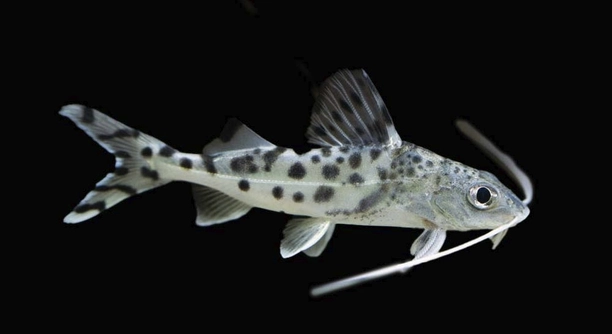
Are your Pictus catfish acting restless or hiding too often in their tank? Their environment may be missing the decorations they instinctively seek. Understanding their preferences can help improve both their behavior and overall tank health.
Pictus catfish commonly use decorations like caves, driftwood, PVC pipes, live plants, hollow ornaments, smooth rocks, and background cover. These items provide hiding spots, reduce stress, and mimic their natural habitat, supporting their nocturnal and bottom-dwelling behaviors.
Learning how each decoration supports their needs can help you create a safe, stimulating, and balanced space your catfish will thrive in.
Caves Are a Top Pick for Hiding
Caves are one of the most reliable decorations for Pictus catfish. These fish are naturally shy and nocturnal, so they need secure hiding spots to feel safe during the day. In the wild, they take shelter in crevices and rock formations. Aquarium caves recreate this kind of environment. Ceramic, resin, or natural rock caves give your fish a dark, peaceful space to rest. It’s important to choose caves with smooth edges to prevent injury. Properly sized openings allow them to enter and exit comfortably. Adding at least one sturdy cave can reduce stress and aggression among tankmates.
Choose a cave that fits the size of your Pictus catfish. It should be large enough to enter but small enough to feel enclosed.
A well-placed cave helps reduce territorial behavior and offers your catfish a calm spot away from brighter areas. It makes a noticeable difference in their daily activity and comfort.
Driftwood Adds Shelter and Security
Driftwood is another great option for Pictus catfish. It serves as both a shelter and a natural barrier in the tank.
Many Pictus catfish are drawn to driftwood because it mimics submerged roots and branches found in their native rivers. The wood creates shaded areas and soft hiding spots without taking up too much tank space. Some fish prefer to rest underneath the branches, while others slip between gaps to feel safe. Driftwood also helps lower the pH slightly over time, which can benefit soft-water species like Pictus catfish. Make sure any driftwood you add is aquarium-safe and properly soaked to prevent discoloration or floating. Cleaning it gently before adding it to the tank is also important. Avoid sharp pieces that could damage your fish’s delicate barbels or skin.
Adding driftwood not only improves the tank’s layout but also supports your catfish’s natural instincts to hide, rest, and feel protected.
PVC Pipes Offer Simple, Reliable Shelter
PVC pipes are an easy and affordable way to give your Pictus catfish the hiding spaces they need. Smooth and durable, they’re safe for the fish and fit well into most tank setups.
Cut sections of PVC pipe into short tunnels and place them along the bottom of the tank. Their dark interiors mimic natural crevices and provide a stress-free spot for resting. These pipes can be easily hidden with plants or rocks if you prefer a more natural look. Just make sure the openings are wide enough for your catfish to pass through without getting stuck. Pipes should be cleaned regularly, as waste can build up inside. If placed correctly, they offer a private and protective space that your catfish will return to often.
PVC pipes are especially helpful in community tanks. They reduce tension by giving each fish a place to retreat. Their low cost and long-lasting material make them a practical option.
Live Plants Provide Cover and Comfort
Live plants are more than decorative—they help your Pictus catfish feel secure. These fish naturally seek shaded spots under dense foliage, especially during daylight hours. The gentle sway of plants also mimics river currents, creating a calming effect.
Use hardy species like Java fern, Anubias, or Amazon sword, which can tolerate the moderate activity of Pictus catfish. Arrange the plants to form natural pockets of shade and hiding spaces throughout the tank. Rooted plants and floating varieties both work well. Floating plants dim the lighting, which helps your catfish feel more relaxed. Live plants also contribute to better water quality by absorbing waste and oxygenating the water. Avoid placing plants where water flow is too strong, as this may uproot them or limit their benefit as cover. Regular trimming will help keep them healthy and prevent overgrowth from limiting swim space.
Hollow Ornaments Are Functional and Decorative
Hollow ornaments serve as both hiding spots and visual interest in the tank. Pictus catfish often swim through them or settle inside during rest. Choose ornaments with smooth interiors and wide openings to ensure they’re safe and comfortable for your fish.
These decorations also help reduce visible stress behaviors. Providing a variety of shapes and sizes allows your catfish to explore and choose their preferred resting spot. Keep them clean and positioned securely to avoid shifting or trapping the fish underneath.
Background Cover Reduces Stress
Background decorations like aquarium posters, foam rock panels, or plant backdrops make the tank feel more enclosed. They help reduce outside movement and reflections that might startle your Pictus catfish. A secure backdrop lowers stress and encourages natural behavior.
Smooth Rocks Add Stability
Smooth rocks can be stacked or spaced to form gentle hiding spots along the tank floor. Their texture keeps the environment safe for delicate barbels and soft underbellies.
FAQ
What size tank is best for Pictus catfish and their decorations?
A single Pictus catfish needs at least a 55-gallon tank, but larger is better if you plan to add more fish or include multiple decorations. These fish are active swimmers and need open space alongside hiding spots. When planning decorations, avoid overcrowding the tank floor. Leave room for movement and feeding. Spread out the caves, plants, and rocks so your catfish can move freely between them without feeling cornered. A longer tank provides better swimming room than a tall one. Keep in mind that overdecorating may lead to more waste buildup and harder cleaning, so balance is key.
Do Pictus catfish prefer real or artificial plants?
Pictus catfish do well with both, but real plants offer extra benefits like water filtration and more natural coverage. Hardy live plants like Anubias and Java fern can tolerate their activity without damage. If you prefer artificial plants, choose ones with soft plastic or silk textures to prevent injuries. Avoid sharp or stiff artificial plants that may harm their barbels or sides. Position the plants around the tank edges or in clusters to create shade and open swim areas. Whether real or fake, plants are valuable for helping your catfish feel secure and less exposed.
How many hiding spots should I include in the tank?
It’s best to include multiple hiding options, even for one fish. A mix of caves, pipes, and dense plant areas lets your Pictus catfish choose where it feels safest. For a single fish, three to five hiding areas spread throughout the tank works well. For groups, increase the number so each fish has its own space. These hiding places help prevent stress and aggression, especially during the day. They also serve different purposes—some fish may prefer resting inside a cave while others hide under driftwood or behind plants.
Can decorations change the behavior of my Pictus catfish?
Yes, the right decorations can encourage natural behaviors like hiding, exploring, and swimming at night. When your catfish feels safe, it will come out more often and show better activity levels. Without enough cover, it may stay hidden all the time or become more stressed. Decorations create zones of comfort and help reduce erratic swimming or stress-related behaviors. You may also notice your fish resting more peacefully or using the same hiding spot regularly, which is a good sign they feel at home.
Is it safe to stack rocks and driftwood in the tank?
Stacking is safe if done carefully. Use wide, flat rocks at the base to prevent tipping. Make sure everything is stable before adding water or fish. You can use aquarium-safe glue or silicone to secure pieces together if needed. Avoid creating tight gaps where a fish could get stuck. Always rinse rocks and driftwood before placing them in the tank, and never use items collected from outdoors unless properly treated. Proper stacking can provide unique hiding spaces while keeping the tank safe.
How often should I clean around decorations?
Check and clean decorations during regular tank maintenance, about once every two weeks. Use a soft brush or sponge to remove algae or waste buildup. Pay close attention to caves, pipes, and hollow ornaments, since waste tends to collect in those areas. Avoid using soap or chemicals—only use warm water or aquarium-safe cleaning tools. If you notice an unpleasant smell or excessive debris, clean sooner. Keeping decorations clean helps maintain water quality and ensures your Pictus catfish stay healthy and active.
Can Pictus catfish live without decorations?
Technically, they can survive, but they won’t thrive. Without decorations, they feel exposed, which increases stress and can lead to illness. They need shelter to rest and feel safe during the day. Decorations also help simulate their natural environment, which supports better behavior and activity levels. A bare tank can cause your fish to hide more or swim frantically. Decorations give structure and comfort, making them a necessary part of a proper setup for these active bottom dwellers.
Do Pictus catfish care about tank lighting when using decorations?
Yes, lighting matters. Pictus catfish prefer dim or subdued lighting, especially if the tank has few decorations. Bright lights can cause stress and discourage them from exploring. Floating plants, caves, and driftwood help block and soften the light. Try using adjustable LED lights or a dark background to reduce glare. Decorations that create shaded spots give your catfish more control over their environment, allowing them to rest when needed. Low lighting paired with the right decor helps them feel comfortable and secure.
Final Thoughts
Pictus catfish are active, curious, and sensitive to their surroundings. Creating a tank that meets their needs is not just about appearance—it’s about giving them a space where they feel secure and at ease. The right decorations offer more than just shelter. They provide privacy, reduce stress, and allow these fish to follow their natural behaviors. Caves, pipes, plants, driftwood, and rocks all have their own role. When placed thoughtfully, these items can turn a plain tank into a well-balanced home. Each piece adds a sense of structure and helps the fish move around more confidently, knowing they have places to retreat to when needed.
It’s important to remember that Pictus catfish are bottom dwellers and nocturnal by nature. They rely on the tank’s lower levels for safety and rest. Decorations should be placed with this behavior in mind. Items that rest along the bottom, offer shade, and block strong light are especially helpful. A dark cave, a shaded driftwood corner, or a quiet spot behind a plant can make all the difference. When decorations are missing, fish may become anxious or inactive. But when their needs are met, you’ll notice more peaceful swimming, better appetite, and fewer signs of stress. A calm environment leads to healthier fish.
A thoughtful setup with proper decorations supports both your Pictus catfish and the tank as a whole. It creates a safe place for resting, a natural space for exploring, and better conditions for long-term care. Even simple changes—like adding a new hiding spot or shifting a few plants—can improve your fish’s comfort. You don’t need fancy or expensive items. What matters most is that the decorations are safe, suitable for the tank’s layout, and reflect the fish’s natural behavior. By choosing decorations with purpose, you help create a peaceful and balanced habitat that your Pictus catfish can truly enjoy.

Hello,
If you enjoy the content that we create, please consider saying a "Thank You!" by leaving a tip.
Every little bit helps us continue crafting quality advice that supports the health, happiness, and well-being of pets around the world, for pets of all shapes, sizes, and species.
We really appreciate the kindness and support that you show us!