
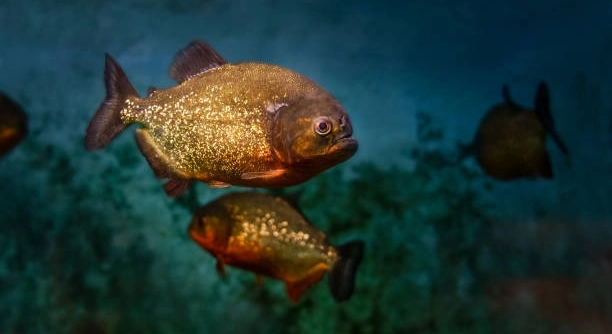
Piranhas are often misunderstood due to their fierce reputation. Caring for them properly involves daily attention to their environment and needs. Maintaining their health requires consistent effort to support their natural behaviors and well-being.
Seven daily tasks can significantly improve piranha health. These include monitoring water quality, providing a balanced diet, ensuring proper tank conditions, stimulating natural behaviors, and preventing stress. Each task plays a vital role in sustaining piranhas’ overall health and longevity.
Following these tasks helps create a thriving environment for piranhas. This guide will provide practical steps to support their health every day.
Monitor Water Quality Regularly
Maintaining clean water is essential for piranha health. Daily testing for ammonia, nitrites, and nitrates helps prevent toxic buildup that can harm fish. Proper filtration and regular partial water changes keep the tank environment stable. Water temperature should stay consistent, ideally between 75 and 80 degrees Fahrenheit, to support piranhas’ metabolism. Sudden changes can stress them, leading to illness. Using a water conditioner removes harmful chlorine and chloramine from tap water. Observing the water’s clarity and smell also helps identify issues early. Keeping a log of water tests can reveal trends that need attention. Regular water maintenance ensures piranhas live in conditions similar to their natural habitat. This reduces the risk of disease and promotes natural behavior. Avoid overfeeding, as leftover food decomposes and deteriorates water quality quickly.
Clean water is fundamental to sustaining piranha health, directly influencing their immune response and overall activity levels.
Daily water quality checks prevent long-term problems and support a balanced tank ecosystem.
Provide a Balanced Diet
Piranhas require a diet rich in protein to stay healthy. Feeding them a variety of foods such as fish fillets, shrimp, and insects mimics their natural intake. Avoid overfeeding, as excess food can foul the water. Portion sizes should be controlled to match the piranha’s size and appetite. Incorporating occasional live food encourages natural hunting behavior, but it should be disease-free and safe. Supplementing with vitamins or pellets designed for carnivorous fish can provide additional nutrients. Consistency in feeding times helps regulate their digestion and behavior. Avoid feeding fatty or processed foods which can cause health problems. Fresh food should be introduced gradually to prevent digestive issues. Feeding multiple smaller meals per day is better than one large meal to reduce waste and maintain energy levels.
Balanced nutrition supports strong immune function and healthy growth.
Understanding proper feeding habits helps prevent water contamination and health risks.
Ensure Proper Tank Conditions
Piranhas need ample space to swim comfortably. Overcrowding causes stress and aggression. The tank should be at least 20 gallons per fish to allow natural movement. Proper hiding spots and plants reduce tension and mimic their natural environment.
Maintaining stable water parameters is crucial. pH should range between 6.5 and 7.5. Frequent monitoring prevents sudden shifts, which can affect piranhas’ health. Use quality filtration systems to keep water clean but avoid strong currents that may tire the fish. Proper lighting mimics natural day and night cycles, helping regulate behavior and rest periods.
Tank decorations should avoid sharp edges to prevent injuries. Sand or smooth gravel substrates are preferable. This setup supports piranhas’ comfort and reduces the risk of infections. Regular cleaning of the tank and equipment also helps maintain an optimal environment.
Stimulate Natural Behaviors
Encouraging natural behaviors keeps piranhas active and healthy. Providing live or moving food triggers hunting instincts. This mental stimulation reduces boredom and stress. Regular interaction with the environment, such as rearranging decorations, can also promote activity.
Environmental enrichment involves varying the tank setup occasionally. Adding plants, rocks, or driftwood creates hiding spots and territory boundaries. This reduces aggression and encourages exploration. Monitoring interactions helps prevent bullying within groups.
Maintaining a balance between stimulation and calm allows piranhas to exhibit natural patterns. Avoid overstimulation, which can cause fatigue or stress. Consistent care and environmental variation support mental and physical health, improving overall well-being.
Prevent Stress in Piranhas
Stress weakens piranhas’ immune systems and makes them vulnerable to disease. Keeping the tank environment stable helps reduce stress. Avoid sudden changes in water temperature, lighting, or tank setup.
Limiting aggressive tank mates and providing hiding spaces lowers stress levels. Observing piranha behavior daily can identify early signs of distress. Quick action helps maintain their health.
Maintain Consistent Feeding Schedule
Feeding piranhas at regular times each day supports digestion and reduces competition among fish. Predictable routines create a sense of security.
Offering smaller, frequent meals prevents overfeeding and keeps water quality stable. A consistent schedule helps maintain piranhas’ energy levels and overall health.
Keep Tank Clean
Regular cleaning of the tank and equipment removes waste and prevents harmful bacteria growth. This practice is critical for piranha health and longevity.
How often should I change the water in my piranha tank?
Water changes are essential to maintain a healthy environment. Generally, replacing 20-30% of the water once a week is recommended. This keeps harmful toxins like ammonia and nitrites low. If the tank is heavily stocked or feeding is frequent, more frequent changes may be necessary. Always use a water conditioner to remove chlorine and chloramine from tap water before adding it to the tank. Avoid changing too much water at once, as it can stress the fish by altering water chemistry abruptly. Regular testing can guide you on when to increase water changes.
What is the ideal tank size for a piranha?
Each piranha requires at least 20 gallons of water. This space allows them to swim freely and establish territories. Larger tanks help reduce aggression and stress. Overcrowding can lead to fighting, injury, and poor water quality. A tank of 60 gallons or more is best for a small group of three piranhas. Providing hiding places like plants or driftwood helps break up sight lines, reducing confrontations. Proper filtration is necessary in larger tanks to maintain clean water despite the increased bio-load.
Can piranhas live with other fish?
Piranhas are aggressive and territorial, so tank mates must be chosen carefully. In general, they do better alone or in groups of their own kind. Larger, fast-moving fish that can handle themselves might coexist, but it’s risky. Smaller or slow-moving fish are likely to be attacked. If kept with other piranhas, providing enough space and hiding spots minimizes aggression. Always monitor interactions closely. Many piranha owners prefer a species-only tank to avoid stress and injuries.
What should I feed my piranha?
Piranhas thrive on a carnivorous diet. Feed them fresh fish fillets, shrimp, insects, and occasional live food. High-protein pellets designed for carnivores can supplement their diet. Avoid feeding fatty or processed meats, as they can cause health issues. Overfeeding is a common problem and can pollute the water. Feed only what they can consume in a few minutes. Offering a variety of foods ensures balanced nutrition and mimics their natural diet.
How do I know if my piranha is healthy?
Healthy piranhas are active, alert, and have clear eyes. Their fins should be intact without tears or discoloration. Skin and scales should appear smooth and free of spots or wounds. Healthy fish respond quickly to food and swim steadily. Lethargy, loss of appetite, or abnormal swimming are signs of stress or illness. Regular observation helps detect problems early, allowing for prompt treatment.
Why is my piranha acting aggressively?
Piranhas are naturally aggressive, especially during feeding or territorial disputes. Aggression can increase if the tank is too small or overcrowded. Stress from poor water quality or sudden changes can also trigger hostile behavior. Providing enough space, hiding spots, and regular feeding helps reduce aggression. If one fish is overly dominant, separating it may be necessary. Understanding their natural behavior helps manage aggression effectively.
What water parameters are best for piranhas?
Ideal piranha tank conditions include a temperature between 75-80°F (24-27°C), pH levels from 6.5 to 7.5, and low ammonia and nitrite concentrations. Stable conditions are critical; sudden changes can cause stress or illness. Regular testing with reliable kits ensures these parameters remain within safe limits. Proper filtration and routine water changes maintain balance and prevent toxin buildup.
Can I keep a single piranha?
A single piranha can live alone but may become bored or stressed without company. They are social in the wild but also territorial. If kept alone, extra attention to environmental enrichment is important. Some owners prefer small groups to observe natural behaviors, but this requires a larger tank and careful management of aggression.
How often should I clean my piranha’s tank?
Partial water changes weekly are best, with tank cleaning done as needed. Remove uneaten food and waste daily or every few days to prevent decay. Clean decorations and substrate regularly but avoid disturbing beneficial bacteria. Filter maintenance should follow the manufacturer’s instructions to avoid reducing its efficiency. A clean tank supports fish health and reduces disease risks.
What signs indicate a sick piranha?
Symptoms like faded colors, clamped fins, rapid breathing, or spots on the body suggest illness. Loss of appetite, unusual swimming patterns, or lethargy are also warning signs. Early detection improves treatment success. Quarantine new fish before adding them to the main tank to avoid spreading diseases. Consult a specialist for diagnosis and care advice when needed.
Taking care of piranhas requires attention to several important daily tasks. Ensuring proper tank conditions, feeding a balanced diet, and maintaining a clean environment are essential for their health. Piranhas are sensitive to changes in water quality and tank setup, so consistent care is necessary to avoid stress and illness. Following basic guidelines can prevent many common problems and help these fish thrive in captivity.
It is important to monitor piranhas regularly to notice any changes in behavior or appearance. Stress and disease often show early signs such as changes in appetite or swimming patterns. Providing enough space and environmental enrichment reduces aggression and encourages natural behaviors. Maintaining a regular feeding and cleaning routine supports their physical well-being. Keeping the tank stable and clean creates a healthy home for piranhas, which contributes to their longevity.
Overall, piranha care is manageable with some planning and commitment. They require an environment that mimics their natural habitat as closely as possible, including proper water parameters and tank decorations. While they can be aggressive, understanding their needs and behavior allows for effective management. Consistent daily tasks build the foundation for healthy piranhas and a balanced aquarium. Following these steps leads to a rewarding experience as these unique fish flourish.

Hello,
If you enjoy the content that we create, please consider saying a "Thank You!" by leaving a tip.
Every little bit helps us continue crafting quality advice that supports the health, happiness, and well-being of pets around the world, for pets of all shapes, sizes, and species.
We really appreciate the kindness and support that you show us!