
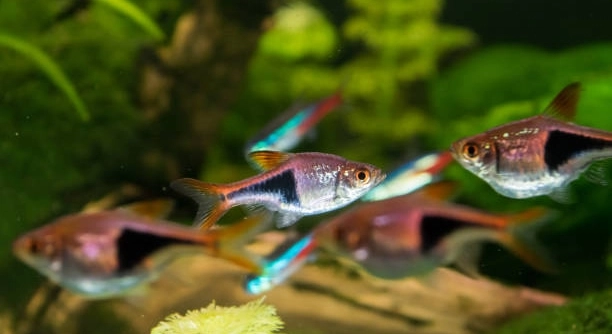
Healthy Rasbora are popular freshwater fish known for their vibrant colors and peaceful nature. Many fishkeepers want to ensure these small fish thrive every day in their aquariums. Consistent care plays a vital role in their well-being and longevity.
The daily habits of healthy Rasbora include maintaining clean water conditions, providing a balanced diet, ensuring proper tank temperature, offering adequate space for swimming, and monitoring their behavior regularly. These factors collectively support their immune system and reduce stress.
Understanding these daily care habits will help maintain your Rasbora’s health and vibrancy. Proper routine care is key to creating a stable environment for these delicate fish.
Maintaining Clean Water Conditions
Keeping the water clean is essential for healthy Rasbora. Dirty water can stress the fish and lead to illness. Regular water changes help remove waste and toxins that build up over time. Using a good filtration system supports the balance of beneficial bacteria, which keeps the water safe. Testing water parameters like pH, ammonia, nitrite, and nitrate levels ensures the environment stays stable. Rasbora thrive in slightly acidic to neutral water, typically around 6.5 to 7.5 pH. Avoid sudden changes in water temperature or chemistry, as these can shock the fish. When changing water, replacing about 20-25% weekly is ideal. It’s important to use dechlorinated water to prevent harmful chemicals from affecting the fish. A clean tank reduces disease risks and encourages natural behavior, allowing Rasbora to swim freely and display their best colors. Overall, consistent water care is the foundation for keeping Rasbora healthy.
Regular water checks prevent issues before they start. This simple step keeps Rasbora safe and comfortable in their habitat.
Routine water maintenance creates a stable home. It reduces stress and supports immune health. This daily habit is vital for your fish’s long-term wellness.
Providing a Balanced Diet
Feeding Rasbora a varied diet is important to meet their nutritional needs. A mix of high-quality flakes or pellets designed for small tropical fish works well. Supplementing with live or frozen foods like brine shrimp, daphnia, or bloodworms adds protein and helps mimic their natural diet. Overfeeding should be avoided, as excess food can pollute the tank and harm water quality. Feeding small portions once or twice daily is sufficient. Rasbora appreciate foods that sink slowly, allowing them to feed comfortably near the middle or bottom of the tank. A balanced diet supports growth, vibrant colors, and active behavior. Including plant-based foods or algae wafers occasionally can provide fiber and variety. Monitoring how your fish respond to different foods helps ensure they get the right nutrition. Feeding with care is a key daily habit that strengthens your Rasbora’s health and vitality.
Ensuring Proper Tank Temperature
Rasbora fish prefer stable temperatures between 72°F and 78°F. Sudden fluctuations can cause stress or illness.
Keeping the tank temperature steady helps maintain their metabolism and immune function. Using an aquarium heater with a reliable thermostat ensures the water stays within the ideal range. It is important to place the heater where water circulation is strong, so the temperature distributes evenly. Avoid placing the tank near windows or drafts that can cause temperature swings. Monitoring the temperature daily with a thermometer allows quick adjustments if needed. Consistent warmth supports Rasbora activity and feeding habits.
Temperature control also influences breeding behavior. When kept in stable conditions, Rasbora are more likely to display natural behaviors. Proper temperature reduces stress and helps prevent disease, making this daily habit crucial for healthy fish.
Offering Adequate Swimming Space
Rasbora are active swimmers and need enough room to move freely. Overcrowding limits their natural behavior and increases stress levels.
Providing a spacious tank with plenty of swimming room encourages healthy exercise. A minimum tank size of 20 gallons is recommended for a small group of Rasbora. Adding plants and hiding spots creates a comfortable environment, but keep open areas for swimming. Proper space allows the fish to form social groups and reduces aggression. A crowded tank leads to poor water quality and weaker immune systems. Regularly observing their movement helps ensure they have enough room. Adequate space contributes to overall well-being and vibrant coloration. Ensuring this daily habit supports the fish’s mental and physical health, making them more lively and resilient.
Monitoring Behavior Regularly
Watching Rasbora daily helps catch early signs of illness or stress. Changes in swimming or eating habits can indicate problems.
Early detection allows for quick action, preventing issues from worsening. Healthy Rasbora are active, social, and feed well. Noticing any lethargy or hiding is important to address their needs promptly.
Providing Proper Lighting
Balanced lighting supports Rasbora’s natural rhythms and enhances their colors. About 8 to 10 hours of light daily is ideal.
Too much light can cause stress or algae growth, while too little may dull their colors. Using a timer helps maintain consistent light cycles. Soft lighting mimics their natural habitat and keeps them comfortable.
Avoiding Overcrowding
Overcrowding raises stress and water quality problems. Keeping the tank population balanced promotes health.
Rasbora thrive in groups but need enough space to avoid conflict. Proper stocking prevents disease and supports their active lifestyle.
FAQ
How often should I change the water for my Rasbora?
Water changes should be done weekly, replacing about 20-25% of the tank water. This routine helps keep the water clean, reduces toxins, and maintains a stable environment. Consistent water changes prevent buildup of harmful substances that can stress or harm the fish.
What is the best diet for Rasbora?
A balanced diet includes quality flakes or pellets made for tropical fish, supplemented with live or frozen foods like brine shrimp or bloodworms. Feeding small amounts once or twice daily avoids overfeeding, which can pollute the tank and cause health issues.
Can Rasbora live with other fish?
Yes, Rasbora are peaceful and do well in community tanks with other non-aggressive species. It’s best to avoid larger or aggressive fish that may bully or eat them. Keeping Rasbora in groups of at least six supports their social nature.
What temperature range is best for Rasbora?
They thrive in water temperatures between 72°F and 78°F. Keeping the temperature stable within this range supports their immune system and natural behaviors. Sudden temperature changes should be avoided to prevent stress.
How many Rasbora should be kept together?
Rasbora are schooling fish and should be kept in groups of six or more. Smaller groups can cause stress or shy behavior. Providing enough swimming space for the group is essential for their health and happiness.
How do I know if my Rasbora is healthy?
Healthy Rasbora are active, swim freely, and show bright colors. They eat regularly and interact with their tank mates. Signs of illness include lethargy, loss of appetite, clamped fins, or unusual spots on their body.
What kind of tank setup do Rasbora prefer?
A well-planted tank with open swimming areas suits Rasbora best. They enjoy soft lighting and places to hide among plants or decorations. The tank should have stable water conditions and good filtration to maintain cleanliness.
Can Rasbora breed in a home aquarium?
Yes, Rasbora can breed in captivity if conditions are right. They prefer slightly acidic water and plenty of plants for egg-laying. Removing the adults after spawning helps protect the eggs from being eaten.
How long do Rasbora typically live?
With proper care, Rasbora can live between 3 to 5 years. Maintaining clean water, stable temperature, and a balanced diet helps extend their lifespan.
What are common signs of stress in Rasbora?
Stress signs include hiding more than usual, loss of color, erratic swimming, or refusing food. Stress often results from poor water quality, overcrowding, or incompatible tank mates. Addressing these issues quickly improves their well-being.
Final Thoughts
Caring for healthy Rasbora involves daily attention to their environment and needs. Maintaining clean water is one of the most important habits. Regular water changes and good filtration keep toxins low and water stable, which supports their health. Monitoring water parameters such as pH and temperature helps avoid sudden changes that can stress the fish. A clean and stable tank creates a safe space where Rasbora can swim actively and show their natural colors. Consistency in water care builds a strong foundation for their overall well-being.
Feeding a balanced diet is another key habit. Providing a variety of foods including flakes, pellets, and occasional live or frozen treats ensures Rasbora receive proper nutrition. Overfeeding should be avoided because leftover food can harm water quality. Feeding small amounts once or twice daily is best. Proper nutrition supports their growth, immune system, and vibrant appearance. Watching their behavior during feeding also helps notice any health concerns early. Healthy Rasbora are active and eager to eat, showing signs of good care.
Lastly, giving Rasbora enough space and a proper tank setup contributes to their long-term health. These fish are active swimmers and prefer living in groups with room to move freely. Providing plants and hiding places helps reduce stress and mimic their natural habitat. Keeping the tank temperature stable and providing balanced lighting encourages natural behavior and prevents illness. Regularly observing their behavior helps identify problems before they worsen. Developing these daily habits ensures Rasbora stay healthy, lively, and bright in any home aquarium.

Hello,
If you enjoy the content that we create, please consider saying a "Thank You!" by leaving a tip.
Every little bit helps us continue crafting quality advice that supports the health, happiness, and well-being of pets around the world, for pets of all shapes, sizes, and species.
We really appreciate the kindness and support that you show us!