
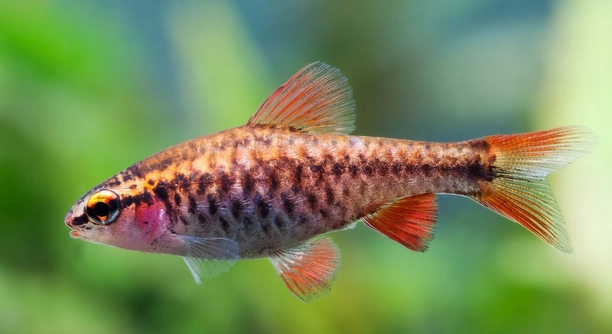
Cherry barbs are a popular aquarium fish, known for their striking colors and lively nature. Maintaining their health requires attention to various factors that ensure they thrive in your tank. Regular checks are essential to keep them healthy.
To keep your cherry barb healthy, perform daily checks that focus on water quality, tank conditions, and fish behavior. These checks help detect potential issues early and prevent common problems such as stress, disease, and poor water conditions.
By staying consistent with these checks, you can ensure a happy and thriving cherry barb in your aquarium.
Water Quality Checks
Maintaining optimal water quality is one of the most important aspects of keeping your cherry barb healthy. Check the water parameters such as pH, ammonia, nitrites, and nitrates daily. Cherry barbs thrive in a slightly acidic to neutral environment with a pH between 6.5 and 7.5. High levels of ammonia or nitrites are harmful and can lead to stress or illness. Test kits are widely available and easy to use. Performing these tests regularly ensures your fish are in a safe and stable environment.
Water changes should also be done consistently. A 20-30% water change every week is ideal to remove waste and maintain water quality. If your tank has a filtration system, make sure it is running efficiently. Regular maintenance, such as cleaning the filter and checking the water temperature, will prevent common water-related issues and keep your cherry barbs happy.
Water temperature should be monitored as well. Cherry barbs prefer temperatures between 72°F and 79°F (22°C to 26°C). Extreme fluctuations can cause stress and make them more susceptible to disease. A reliable aquarium thermometer will help you stay on top of this.
Tank Conditions
Check the tank conditions daily to ensure your cherry barb’s environment is suitable. Look for any signs of algae growth or debris in the tank. If left unchecked, algae can affect water quality, which in turn affects the health of your fish. Also, ensure that the substrate and decorations are clean and not causing harm to your fish.
The lighting should be moderate, as cherry barbs are used to low to moderate light. Too much light can lead to stress and algae bloom, while too little light can disrupt their natural behavior. Ensure your fish have places to hide, like plants or decorations, as this helps reduce stress and allows them to feel secure.
Regularly clean the tank and decorations to keep everything fresh. Remove uneaten food and any visible debris that could pollute the water. Proper tank conditions make a significant difference in the well-being of your fish.
Fish Behavior and Appearance
Monitoring your cherry barb’s behavior is just as important as keeping an eye on the water and tank conditions. Healthy cherry barbs are active, swimming around the tank and interacting with their environment. If your fish appear lethargic or are hiding for extended periods, it may be a sign of stress or illness. Another important behavior to note is their feeding habits. If they suddenly stop eating, it can indicate health problems, such as parasites or digestive issues.
Their appearance is also a good indicator of their health. Healthy cherry barbs have vibrant colors, especially in males. A sudden loss of color or any unusual markings, such as white spots or lesions, could point to a health concern. A close look at their fins and gills is also necessary. Ragged or clamped fins, or abnormal gill movement, are signs that something is wrong and may require immediate attention.
Monitoring these behaviors can help you catch any issues early, giving you a better chance of resolving them quickly. A healthy cherry barb should be active, colorful, and engaging with its environment.
Tankmates and Compatibility
Cherry barbs are generally peaceful fish, but it’s important to choose tankmates wisely. They do well with other peaceful species but can be stressed by overly aggressive fish. Before adding new fish to the tank, research their compatibility with cherry barbs. Aggressive species, such as cichlids or larger fish, may bully or outcompete them for food and territory.
When choosing companions, focus on fish that are similarly sized and have a calm temperament. Tetras, rasboras, and other small barbs can make excellent tankmates. Avoid overstocking the tank, as this can cause stress and disrupt the delicate balance of your aquarium.
Also, pay attention to the gender ratio of your cherry barbs. Keeping several females for each male can reduce aggression among males, ensuring a peaceful environment. A balanced and harmonious tank reduces the risk of stress and contributes to the overall health of your cherry barbs.
Feeding Routine
Establishing a consistent feeding routine is crucial for your cherry barbs’ health. Feed them small amounts of food 2-3 times a day, ensuring they finish it within a few minutes. Overfeeding can pollute the water, leading to health issues.
Cherry barbs are omnivores, so provide a varied diet. High-quality flakes or pellets designed for small fish should make up the base of their meals. Supplement with live or frozen foods like brine shrimp, daphnia, or bloodworms for added nutrients. This variety ensures they get the necessary vitamins and minerals for good health.
Avoid feeding them too much or too little. Uneaten food can quickly degrade water quality, leading to stress or illness. Keeping to a balanced feeding schedule will help your fish stay vibrant and energetic. A healthy diet contributes directly to their overall well-being and longevity.
Tank Maintenance
Regular tank maintenance is essential to ensure your cherry barbs thrive in their environment. Perform weekly water changes of 20-30% to keep water quality high and remove waste. This practice prevents harmful substances from building up in the tank.
Also, clean the filter monthly to ensure it’s running at full efficiency. A clogged or dirty filter can lead to poor water circulation and reduced filtration. Check the equipment regularly, including the heater and aerator, to ensure everything is functioning properly. A properly maintained tank helps avoid stress-related illnesses and supports a stable environment for your cherry barbs.
Monitor the substrate for any debris or waste buildup that could affect water quality. Regular maintenance of both the tank and the equipment keeps everything in balance and supports the overall health of your fish.
Regular Health Checks
Inspect your cherry barbs daily for any signs of illness. Look for symptoms like loss of color, clamped fins, or erratic swimming. These signs may indicate stress, parasites, or other health issues. Catching problems early helps prevent them from spreading.
If you notice any changes, isolate the affected fish if possible and seek advice on treatment. Treating problems quickly is key to maintaining a healthy tank.
Tank Temperature Monitoring
Maintain a consistent temperature for your cherry barbs, between 72°F and 79°F. Sudden fluctuations can stress the fish, making them more susceptible to diseases. Use an accurate thermometer to monitor the tank’s temperature regularly.
If the water temperature drifts too far outside this range, it may cause long-term harm. You can use a reliable aquarium heater to keep the water stable. This helps your cherry barbs remain active and healthy, promoting their natural behaviors and vibrant colors.
Aquarium Lighting
Ensure your aquarium lighting is moderate and consistent. Cherry barbs prefer a balanced light cycle, typically 10-12 hours per day. Too much light can lead to algae growth, which harms water quality.
Invest in a timer to regulate the light and keep it consistent, preventing overexposure.
FAQ
How often should I feed my cherry barbs?
Feed your cherry barbs 2-3 times per day, offering small amounts that they can finish in a few minutes. Avoid overfeeding to maintain water quality. Once or twice a week, consider offering live or frozen foods like brine shrimp or bloodworms to add variety to their diet.
What size tank do cherry barbs need?
Cherry barbs do well in a minimum tank size of 20 gallons. A larger tank provides better water quality and more space for them to swim. If you’re keeping multiple cherry barbs or other tankmates, consider going even bigger for a more stable environment.
Can cherry barbs live with other fish?
Yes, cherry barbs are peaceful fish and generally get along well with other calm species. Tetras, rasboras, and small peaceful barbs are suitable tankmates. Avoid aggressive fish that may bully your cherry barbs or compete for food and space.
What is the ideal water temperature for cherry barbs?
Cherry barbs thrive in water temperatures between 72°F and 79°F. Sudden temperature fluctuations can cause stress, so it’s important to maintain a stable environment. Use a reliable heater to regulate the temperature and a thermometer to monitor it regularly.
What water parameters are best for cherry barbs?
Cherry barbs prefer slightly acidic to neutral water, with a pH range of 6.5 to 7.5. Ammonia and nitrite levels should always be at 0, while nitrate levels should be kept below 20 ppm. Regular water testing helps ensure these conditions remain stable.
How can I tell if my cherry barb is sick?
Look for signs such as faded colors, clamped fins, or lethargy. Cherry barbs may also show unusual swimming patterns or rapid gill movement when stressed or ill. Any changes in appearance or behavior should prompt a closer examination or a visit to a vet for advice.
Do cherry barbs need a filter?
Yes, cherry barbs require a filter to keep the water clean and maintain good water quality. A good filter helps remove waste and excess food, ensuring the tank remains free of harmful substances. Make sure to clean the filter regularly to keep it running efficiently.
What kind of substrate is best for cherry barbs?
Cherry barbs prefer a soft substrate like fine gravel or sand, which won’t harm their delicate fins. Plants and rocks provide hiding spots and make the tank feel more natural for them. Avoid sharp or rough substrates that could injure your fish.
How long do cherry barbs live?
On average, cherry barbs live for about 3-5 years in a well-maintained tank. Providing a stable environment with regular water changes, proper feeding, and monitoring their health can help extend their lifespan.
Why are my cherry barbs not eating?
If your cherry barbs are not eating, it could be due to stress, illness, or water quality issues. Check for any signs of aggression or poor water parameters. Sometimes, new tank conditions can also cause fish to be temporarily hesitant to eat.
Can cherry barbs breed in captivity?
Yes, cherry barbs can breed in captivity if the conditions are right. You’ll need a separate breeding tank with slightly acidic water and a spawning medium like plants for the female to lay her eggs. Once the eggs are laid, remove the adults to avoid them eating the eggs.
How can I reduce algae in my cherry barb tank?
Algae can be controlled by maintaining proper lighting and limiting the amount of nutrients in the water. Use a light timer to control the hours of light, and perform regular water changes. Adding live plants can also help by competing with algae for nutrients.
Do cherry barbs need a lot of plants?
While not absolutely necessary, plants are beneficial for cherry barbs. They provide hiding spots, reduce stress, and help maintain water quality by absorbing excess nutrients. Low-maintenance plants like Java Fern or Anubias are good options for your cherry barb tank.
Are cherry barbs schooling fish?
Yes, cherry barbs are social fish and prefer being kept in groups of 5 or more. Keeping them in small groups reduces stress and promotes natural behavior. They are generally peaceful and can be kept with other non-aggressive species in a community tank.
What is the best lighting for a cherry barb tank?
Cherry barbs prefer moderate lighting. Too much light can promote algae growth, while too little can disrupt their natural behaviors. Aim for 10-12 hours of light each day, and use a timer to keep the lighting consistent.
Why is my cherry barb hiding?
If your cherry barb is hiding, it could be a sign of stress, illness, or environmental discomfort. Check the water parameters, tank mates, and overall setup. If the issue persists, monitor for any signs of illness or unusual behavior.
What is the ideal water hardness for cherry barbs?
Cherry barbs prefer soft to moderately hard water, with a hardness of 4-12 dGH. Regular water testing helps you maintain optimal hardness levels for your fish, preventing stress and health problems. If needed, adjust hardness with specific water treatments.
How do I prevent diseases in my cherry barb tank?
To prevent disease, ensure proper water quality, avoid overfeeding, and monitor your fish’s health regularly. Quarantine new fish before introducing them to your tank to avoid introducing potential pathogens. A clean and stable tank environment is key to minimizing the risk of disease.
Can cherry barbs jump out of the tank?
Although not common, cherry barbs can jump if startled or if the water conditions are not ideal. To prevent this, keep a lid or cover on the tank, especially if it’s near a loud or high-traffic area.
What are the common health problems in cherry barbs?
Cherry barbs are prone to common aquarium illnesses like Ich, fin rot, and external parasites. Keeping the tank environment stable and performing regular water changes helps reduce the risk. Early intervention is important if you notice any health problems.
Final Thoughts
Taking care of cherry barbs can be a rewarding experience, as these fish are not only vibrant but also quite peaceful. By maintaining proper water conditions, providing a balanced diet, and monitoring their health regularly, you can ensure that they thrive in your aquarium. Regular maintenance of the tank, such as performing water changes and keeping an eye on the temperature, helps prevent many common issues. If any signs of illness or stress appear, addressing them early can make a significant difference in the well-being of your fish.
Cherry barbs are relatively low-maintenance compared to some other fish species, but they still require attention to detail. The right tank size, appropriate tankmates, and adequate hiding spots make a big difference in their overall health. It’s important to keep in mind that these fish thrive in groups, so having at least five or more will help them feel secure and display their natural behaviors. By following the simple daily checks and offering them a healthy environment, you’ll likely enjoy watching your cherry barbs grow and flourish.
Ultimately, the health and happiness of your cherry barbs depend on the care you provide. With attention to their diet, water conditions, and overall environment, these colorful fish will reward you with their lively and peaceful presence. Keeping their tank stable and observing them regularly can help you address any potential issues before they become more serious. With these simple steps, you can ensure that your cherry barbs live a long and healthy life.

Hello,
If you enjoy the content that we create, please consider saying a "Thank You!" by leaving a tip.
Every little bit helps us continue crafting quality advice that supports the health, happiness, and well-being of pets around the world, for pets of all shapes, sizes, and species.
We really appreciate the kindness and support that you show us!