
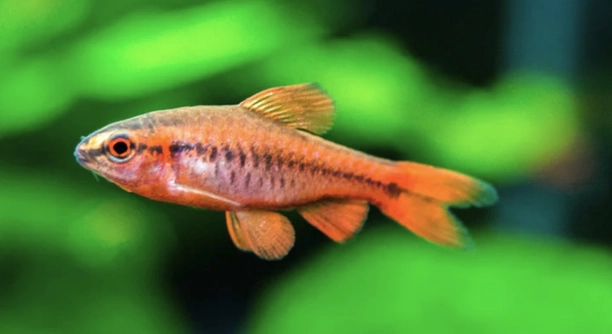
Cherry barbs are lively and colorful fish, making them a popular choice for many aquariums. To keep them thriving, regular care and attention are essential. Proper maintenance ensures their health and helps them live longer.
Regular checks for water quality, feeding, tank conditions, and health are vital for keeping cherry barbs in optimal shape. Consistent monitoring helps identify issues early, preventing illness and ensuring a stable environment for these vibrant fish.
Maintaining a consistent routine will keep your cherry barbs happy and healthy. Proper care ensures a thriving environment for them to flourish in your aquarium.
Water Quality and Temperature Management
Water quality is key to keeping cherry barbs healthy. They thrive in slightly acidic to neutral water, with a pH level between 6.0 and 7.5. Regularly test the water for ammonia, nitrites, and nitrates to avoid harmful spikes. Keep the temperature between 72°F and 80°F to ensure comfort and activity.
Proper filtration is essential to maintain clear, clean water. An efficient filter helps remove waste and chemicals that may harm the fish. Ensure the filter does not create too strong a current, as cherry barbs prefer calmer waters. Perform partial water changes weekly to keep their environment stable.
Monitoring water conditions frequently helps prevent issues before they arise. Keeping a reliable water testing kit on hand allows you to stay on top of any changes. Healthy water supports the overall well-being of cherry barbs, making them feel safe and secure in their tank.
Feeding Habits and Diet
Feeding cherry barbs regularly ensures they get the nutrients needed for proper growth. Provide a balanced diet with a mix of flake food, pellets, and occasional live or frozen foods like brine shrimp. Feed them once or twice a day, only giving them as much as they can consume in a few minutes.
Avoid overfeeding, as excess food can lead to poor water quality and health issues. Monitor their eating habits to make sure they’re getting the right amount. Cherry barbs are not picky eaters, but a varied diet helps them stay active and vibrant.
Overfeeding can lead to digestive problems and harm water quality. By feeding them appropriately, you help maintain their health while keeping the aquarium conditions stable.
Tank Size and Environment
The size of your aquarium plays a large role in keeping cherry barbs happy. These fish need plenty of space to swim and explore, with a tank size of at least 20 gallons being ideal for a small group. A larger tank allows for better water quality management and provides more room for plants and decorations.
Cherry barbs appreciate a well-planted tank with hiding spots, such as caves or driftwood. A tank filled with plants not only provides shelter but also helps maintain water quality by absorbing excess nutrients. Keep the tank clean and avoid overcrowding, which can cause stress.
Proper tank maintenance is important for keeping cherry barbs in optimal health. By offering a spacious and well-planted environment, you create a safe and thriving home for your fish.
Monitoring Fish Health
Keep an eye on your cherry barbs for signs of illness. Look out for faded colors, abnormal swimming patterns, or visible lesions on their skin. Early detection helps prevent the spread of disease. A healthy fish will remain active and show vibrant colors.
Stress is a common cause of illness in cherry barbs, often resulting from poor water quality, overcrowding, or sudden changes in tank conditions. Watch for behaviors like hiding or staying at the bottom of the tank. Regular water changes, proper feeding, and tank stability reduce the risk of stress-related problems.
If any signs of illness appear, it’s important to act quickly. Isolate the affected fish if necessary and adjust the water quality. Consulting an expert or taking the fish to a specialist can help prevent a minor issue from turning serious.
Tankmates and Social Environment
Cherry barbs are peaceful fish, thriving best when kept in groups. They enjoy the company of other non-aggressive species. When choosing tankmates, look for fish that are calm and of similar size. Avoid aggressive or fin-nipping species that might stress or harm them.
A well-balanced community tank is key to reducing territorial behavior. Cherry barbs can become shy if their tankmates are too dominant, so ensure there are enough hiding places for everyone. Regularly assess how well the fish get along and remove any potential troublemakers if needed.
When considering tankmates, it’s important to think about the entire environment. The tank’s layout, water conditions, and the temperament of other fish all contribute to a peaceful atmosphere. With the right balance, cherry barbs will thrive and interact positively with their neighbors.
Lighting and Photoperiod
Cherry barbs need a balanced light cycle. Too much light can encourage algae growth, while too little light can affect their color and activity. Aim for 10-12 hours of light per day, mimicking a natural day-night cycle. Adjust the light according to the needs of your tank.
Providing a consistent photoperiod helps keep the fish healthy. Use an aquarium light timer to regulate the light cycle. This not only benefits the cherry barbs but also ensures the growth of live plants in the tank, contributing to the overall health of the ecosystem.
Water Movement and Filtration
Cherry barbs prefer calm waters, so avoid strong currents. Use a gentle filter or a sponge filter to maintain clean water without disturbing the fish. Ensure the filter is appropriate for the size of the tank to prevent excess water movement.
Choosing the right filtration system is crucial for water quality. A sponge filter offers good filtration without causing turbulence, which keeps cherry barbs comfortable. Remember to clean the filter regularly to maintain its effectiveness and avoid clogging, which could lead to poor water conditions.
Regular Maintenance
Perform regular tank maintenance to keep the water clean and clear. This includes checking the filter, replacing water, and cleaning the tank walls. Remove any uneaten food promptly to avoid pollution. Keeping the tank in top condition prevents health issues and ensures a stable environment.
Keeping the tank clean and well-maintained is essential for the well-being of cherry barbs. Regular maintenance reduces the risk of disease and helps keep your aquarium looking great. Proper care will also make your tank easier to manage and more enjoyable to maintain.
FAQ
How often should I feed my cherry barbs?
Cherry barbs should be fed once or twice a day. Offer small amounts that they can eat within a few minutes. Overfeeding can lead to water quality issues and affect their health. Make sure to adjust feeding amounts depending on the size of the fish and the tank.
What should I feed cherry barbs?
Provide a varied diet that includes high-quality flake or pellet food. You can also offer occasional live or frozen foods like brine shrimp or daphnia. These additions give them extra nutrients and help keep them active. A balanced diet promotes strong growth and vibrant coloration.
Can cherry barbs live with other fish?
Yes, cherry barbs are peaceful and can live with many other non-aggressive species. They do well in community tanks, especially with fish of similar size and temperament. Avoid keeping them with fin-nippers or overly aggressive fish, as they may stress your cherry barbs.
How do I know if my cherry barbs are sick?
Watch for any changes in their appearance or behavior. Sick cherry barbs may lose their vibrant color, swim abnormally, or exhibit signs of distress like staying at the bottom of the tank or hiding. If you notice anything unusual, check water conditions and take action immediately.
Do cherry barbs need a heater?
Yes, cherry barbs thrive in warm water temperatures between 72°F and 80°F. A heater helps maintain the stable temperature they need to stay healthy. Make sure the heater is properly sized for your tank and use a thermometer to monitor the temperature regularly.
How can I prevent algae growth in my tank?
To prevent algae, manage the light cycle and avoid overfeeding. Keep the lighting to 10-12 hours per day, and be mindful of excess nutrients in the water. Regular water changes and cleaning tank surfaces help remove algae before it gets out of control.
Can I keep just one cherry barb?
It’s best to keep cherry barbs in groups of at least six. They are social fish and feel more secure when surrounded by others. A solitary cherry barb may become stressed, leading to a decline in health. A group will also encourage natural behaviors and interactions.
How do I ensure good water quality for my cherry barbs?
Regular water testing is key to maintaining good water quality. Check levels of ammonia, nitrites, and nitrates, and perform partial water changes weekly. Ensure the filtration system is appropriate for your tank size and regularly clean the filter to avoid clogging and poor water conditions.
What is the ideal tank size for cherry barbs?
The minimum tank size for cherry barbs is 20 gallons. This size provides enough space for a group of them to swim and interact comfortably. A larger tank is ideal, especially if you plan to keep other fish. More space improves water quality management and reduces stress.
Why are my cherry barbs losing their color?
Fading colors can indicate stress or poor water conditions. Check your tank’s water parameters, including temperature, pH, and ammonia levels. Ensure they’re getting a balanced diet and aren’t overcrowded. Stress from aggressive tankmates or inadequate hiding spots can also cause them to lose their color.
Can cherry barbs jump out of the tank?
Yes, cherry barbs can jump, especially if the water level is too low or the tank has gaps. To prevent them from jumping out, ensure the tank has a secure lid. Keeping the water level a few inches below the top also reduces the risk of escapes.
How do I care for baby cherry barbs?
Baby cherry barbs, or fry, require separate care from adults. They need very small, finely crushed food or live infusoria. Keep the fry tank well-filtered but with gentle water movement. Be mindful of water parameters, as they are more sensitive than adults.
What should I do if my cherry barbs are not breeding?
If your cherry barbs are not breeding, make sure they are in a suitable environment with stable water conditions and a proper diet. Increasing the temperature slightly can trigger breeding behavior. Provide hiding spots for the eggs and ensure the fish are well-fed to encourage spawning.
Do cherry barbs need plants in their tank?
While not absolutely necessary, plants are beneficial for cherry barbs. They provide hiding spots, reduce stress, and help maintain good water quality. Plants also offer a natural environment, which can make your cherry barbs feel more at ease and encourage natural behaviors like foraging.
Can cherry barbs live in soft water?
Cherry barbs are adaptable to a range of water types, but they prefer slightly acidic to neutral water. Soft water can be fine as long as you monitor the pH and hardness levels regularly. If the water is too soft, consider adding minerals to balance the conditions.
Final Thoughts
Maintaining cherry barbs in a healthy and thriving environment requires a combination of attention to water quality, proper feeding, and tank conditions. These peaceful fish are not difficult to care for, but their well-being is directly tied to the environment in which they live. Regular water changes and consistent filtration are essential for keeping their habitat clean and safe. Monitoring water parameters like temperature, pH, and ammonia levels will prevent common health issues and ensure a stable environment. Cherry barbs thrive when given a balanced, well-maintained aquarium with appropriate lighting and minimal stress.
Social fish by nature, cherry barbs flourish in groups of at least six. Keeping them with peaceful, compatible tankmates encourages natural behaviors and reduces stress. The addition of plants and hiding spots provides security and makes the tank feel more like their natural environment. Cherry barbs are not territorial, so they do well in community tanks. However, it’s important to avoid aggressive species that could cause unnecessary tension. By choosing suitable companions and offering a spacious and well-planted setup, you can ensure your cherry barbs feel secure and active.
Lastly, caring for cherry barbs is about creating a consistent and balanced environment. Regularly check the tank for signs of illness, and if needed, address water quality issues or stressors that might arise. They are fairly easy to breed when the conditions are right, and caring for their young requires a little more effort but can be a rewarding experience. By following the basic care guidelines, cherry barbs can live a long, healthy life, brightening up your aquarium with their vibrant colors and peaceful nature.

Hello,
If you enjoy the content that we create, please consider saying a "Thank You!" by leaving a tip.
Every little bit helps us continue crafting quality advice that supports the health, happiness, and well-being of pets around the world, for pets of all shapes, sizes, and species.
We really appreciate the kindness and support that you show us!