
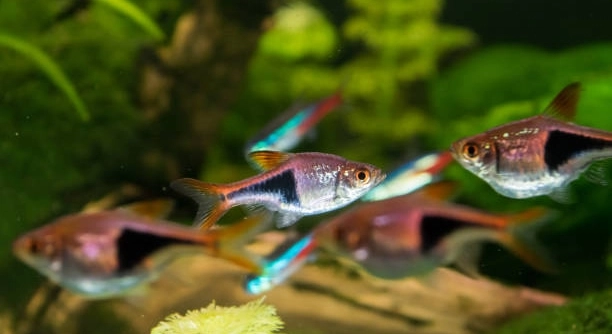
Have you ever caught your rasbora doing something odd and wondered what might be going through its tiny fish mind? These small, shimmering swimmers can be full of surprises if you watch closely enough.
Rasboras are naturally inquisitive fish that often explore their surroundings in unexpected ways. They may follow tank mates, chase bubbles, interact with their reflections, or rearrange small objects in their tank using their mouths.
While these behaviors might seem quirky, they can reveal a lot about their needs, moods, and environment. Let’s look at a few things rasboras might try that could surprise you.
Chasing Bubbles Like It’s a Game
Some rasboras seem to enjoy following air bubbles as they rise in the tank. It can look like they’re playing or chasing something invisible. This behavior is often harmless and can be a sign they are alert and energetic. Air stones, sponge filters, or other sources of bubbles can spark this activity. If your rasbora engages with bubbles, it might be using the movement as a way to stay stimulated. Watching them glide around the tank, darting after bubbles, can be both calming and entertaining. It’s one of those behaviors that doesn’t serve a clear purpose but adds character to their daily routine. Just make sure the current isn’t too strong, and the bubbles aren’t causing any stress. Some fish enjoy the flow, but others may prefer calmer spots to rest. Providing a balance allows them to explore and relax as they choose, keeping their environment more comfortable.
This behavior may become more noticeable after water changes or equipment cleaning, as the bubbles increase temporarily.
If you notice your rasbora chasing bubbles frequently, it could mean they enjoy the motion or are drawn to the sparkle. It’s not always about play — sometimes it’s simply about their interest in movement.
Rearranging Tiny Gravel Pieces
Some rasboras may move small pieces of gravel around with their mouths.
They usually do this when they are curious or trying to check if the item is food. It is not common in all rasboras, but in tanks with fine gravel, this behavior might show up more often. This small act can signal that they are feeling secure enough in their tank to explore closely. If you see this, it’s a good sign of comfort. Sometimes, they might also be reacting to changes in lighting or searching for bits of uneaten food. As long as they are not swallowing large pieces or showing signs of distress, it’s generally safe. Keep an eye on their surroundings. Rough or sharp gravel may harm their mouths or stress them out over time. Smooth, fine gravel is a better option if this behavior continues. It’s also a gentle reminder that your fish are more aware of their environment than we often assume.
Staring at Their Own Reflection
Some rasboras spend time staring at the glass, especially when the tank lighting highlights their reflection. It may seem odd, but they aren’t necessarily confused. They could be responding to what they think is another fish.
This behavior usually happens when the lighting angle or tank background makes their reflection more visible. A rasbora might flare slightly or hover in place, observing what it sees. It doesn’t always mean stress — it can simply be curiosity. If the behavior is brief and doesn’t include aggressive darting or fast swimming, it’s usually harmless. However, if it becomes constant or they start bumping into the glass, it may be worth adjusting the lighting or adding plants along the glass to reduce reflections. This can help keep their tank feeling safe. Like many fish, rasboras rely on subtle cues in their surroundings, and what they see can affect how they behave daily.
If your rasbora becomes fixated on its reflection often, consider using a background or dimming the light slightly during the day. Tank lights that are too bright or positioned at certain angles can bring out the reflection more clearly. Providing more plants or decorations helps block reflective surfaces. This encourages natural behavior and reduces unnecessary focus on the glass.
Following Larger Tank Mates
Some rasboras like to trail behind larger tank mates, swimming in sync as if trying to copy them. It may seem like they’re just tagging along, but it often signals a strong sense of safety or curiosity.
This behavior can be more common in community tanks, especially if the rasboras are new or adjusting to changes. They may view the larger fish as a guide or simply feel more comfortable staying close. It’s important to watch for signs of stress or bullying, though. If the larger fish becomes irritated or chases the rasbora away, the pairing may not be ideal. But if the interaction stays peaceful, it can be a sign of social learning. Rasboras are schooling fish and naturally drawn to group movement, even when the group isn’t their own kind. Just make sure everyone has enough space and hiding spots to reduce tension and keep all fish relaxed and healthy.
Hanging Near the Filter Flow
Some rasboras enjoy hovering close to the filter output, letting the current push them gently. It can look playful but also serves as a mild workout. The movement can keep them active and stimulated without overstressing them.
This behavior often shows up after water changes or feeding. They seem to enjoy the shift in flow and may return to that spot often. As long as they aren’t getting pushed too hard or showing signs of exhaustion, it’s usually fine. A gentle current can actually be good for their health.
Eating and Spitting Out Food
It’s not uncommon for rasboras to take food into their mouths, then spit it out before trying again. This might seem odd, but they’re likely testing texture or breaking it down before swallowing.
They often do this with flakes or pellets that are slightly too big or hard. Soaking dry food briefly before feeding can help soften it and make eating easier. If your rasbora consistently avoids a certain food, consider switching to a smaller size or trying a different type. Watch for patterns — if they spit out everything, it might signal a dislike or difficulty.
Resting in One Spot
Rasboras sometimes hover quietly in one place, usually near plants or decor. It’s not always a problem — they might just be resting.
FAQ
Why does my rasbora sometimes twitch or make quick darting motions?
Quick darting can be normal, especially if your rasbora gets startled or excited. A sudden shadow, a change in lighting, or tank mates moving too fast can trigger these bursts. It’s part of their natural response to sudden changes. However, if the darting happens often, check for stressors. Water quality, overcrowding, or too strong a filter flow can cause restlessness. Make sure your tank is calm, with enough plants or hiding places. Also test the water for ammonia or nitrites. If the twitching comes with rubbing against surfaces, it might point to irritation or parasites, which would need further attention.
Are rasboras happier in groups or alone?
Rasboras are schooling fish, so they do best in groups. Keeping at least six together helps them feel secure and allows them to show natural behaviors. When alone, they may act shy or hide often. In a group, they become more active, explore more, and show smoother swimming patterns. A group also lowers their stress levels, which supports their health long-term. If your tank is small, choose smaller rasbora species like chili or mosquito rasboras, which still prefer groups but need less space. Avoid keeping them solo unless absolutely necessary, and always try to create a calm, consistent environment for the whole group.
Is it normal for rasboras to stop eating sometimes?
A rasbora skipping a meal now and then isn’t always a problem. Sometimes they’re full, or adjusting to a new food. Stress, recent changes in the tank, or even a shift in lighting can affect appetite. If they refuse food for more than a couple of days, look closer. Check the water temperature, test the water parameters, and observe their behavior. Hiding, clamped fins, or staying near the surface could point to something being wrong. Offer a variety of foods — flakes, small pellets, frozen daphnia, or brine shrimp. Sometimes changing the form or type helps reignite interest in eating.
Why does my rasbora stay at the top of the tank?
If a rasbora spends a lot of time near the top, it might be seeking oxygen. This can happen if the water is too warm or poorly aerated. Warmer water holds less oxygen, so the top may feel better for breathing. Make sure your filter creates some surface movement, and consider adding an air stone if needed. Also, test the water. Poor quality can cause them to act this way. But sometimes rasboras just like exploring the upper areas, especially when they’re active or feeding. If the rest of their behavior looks normal, it may not be a concern.
Can rasboras get bored in a simple tank setup?
Yes, rasboras can become less active or show repetitive behavior in a tank that lacks variety. They enjoy swimming through plants, weaving around decor, and having space to move freely. If your tank has little structure, they may not be as curious or lively. Adding floating plants, driftwood, or smooth stones can make the tank more engaging. It’s not about decoration — it’s about creating places to explore and hide. Changing up their environment once in a while, even slightly, can bring out new behaviors. A well-designed tank encourages natural activity and helps them feel more secure overall.
Is it okay for rasboras to live with shrimp or snails?
Rasboras usually do well with shrimp and snails, especially if they’re small and peaceful species. Cherry shrimp, amano shrimp, and nerite snails are all common choices. However, rasboras might nip at baby shrimp if they fit in their mouths. Dense plants or hiding spots help shrimp stay safe. Most rasboras won’t go out of their way to hunt, especially if well-fed. Just monitor the group at first and make sure no one gets stressed. A balanced tank with enough food and space usually allows shrimp, snails, and rasboras to live together peacefully without issues.
Final Thoughts
Rasboras are small, active fish that can show a surprising amount of behavior for their size. If you spend time watching them, you’ll notice little habits that might not stand out at first. From chasing bubbles to resting near plants, these moments can seem simple, but they say a lot about the fish’s comfort and environment. Understanding these small actions helps you care for them better and keeps their tank more peaceful. These fish often respond to things around them like light, flow, and even other fish, so a calm, stable setup goes a long way. Keeping the tank consistent, quiet, and well-planted gives them a space where they can be curious without stress.
Not every rasbora will act the same. Some may be more playful, while others prefer to stay hidden. These differences are normal. It doesn’t always mean something is wrong. Instead, it shows that even in small fish, personality can shine through. That’s why observing them regularly is helpful. You can catch early signs if anything changes or seems off. If they stop schooling, start hiding too much, or eat less, it may be time to check the water or review any recent changes in the tank. Regular testing and gentle tank maintenance are simple ways to avoid problems and support healthy habits in your rasboras.
There’s something relaxing about watching rasboras swim in their usual quiet patterns. They don’t need a lot to stay happy, but they do need the right things — space to move, calm lighting, soft flow, and a group of their own kind. Paying attention to their small actions, like moving gravel or hovering in one area, helps you understand them better. These behaviors are not always serious, but they’re worth noticing. The more you learn about how your rasboras act, the easier it becomes to spot changes. Over time, this awareness builds a better bond with your tank and leads to healthier fish. A calm tank with curious rasboras is not just easier to care for — it’s more enjoyable to watch, too.

Hello,
If you enjoy the content that we create, please consider saying a "Thank You!" by leaving a tip.
Every little bit helps us continue crafting quality advice that supports the health, happiness, and well-being of pets around the world, for pets of all shapes, sizes, and species.
We really appreciate the kindness and support that you show us!