
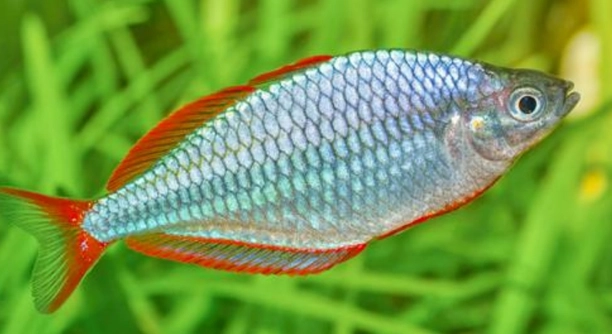
Rainbow fish are fascinating creatures, and their interactions with plants in their environment often go unnoticed. These colorful fish are not only beautiful but also have unique behaviors when it comes to their aquatic surroundings.
Rainbow fish engage in a variety of actions with plants, such as hiding, grazing, and using them as a place to lay eggs. Their behaviors demonstrate their adaptation to natural habitats, where plants provide shelter, food, and breeding grounds.
Understanding these actions will help enhance your aquarium setup and create a more vibrant and healthy environment for your fish. You’ll be amazed at how these behaviors contribute to their well-being and the overall ecosystem.
Hiding Among Plants
Rainbow fish often seek refuge in plants to feel secure. They use the dense vegetation in their environment to hide from potential threats and even from the other fish in the tank. The leaves and stems act as natural barriers that shield them from view. In the wild, this behavior is crucial for their survival, as plants help them avoid predators and find a safe spot to rest.
Their hiding behavior is not only about safety but also about comfort. Being able to retreat into the plants allows rainbow fish to rest and reduce stress. In an aquarium setting, this behavior should be encouraged by providing plenty of plants for them to hide among. The more hiding spots available, the more relaxed and confident your rainbow fish will feel in their environment.
Additionally, creating a well-planted tank with plenty of hiding spaces benefits the overall health of your fish. It mimics their natural habitat and promotes a balanced ecosystem. The right plant species, such as Java fern or Anubias, provide excellent hiding places, while also contributing to water quality. Your fish will thrive in an environment where they feel secure and can act naturally.
Grazing on Plants
Rainbow fish are known to nibble on aquatic plants. This grazing behavior is essential to their diet and provides them with necessary nutrients.
Though they primarily eat smaller organisms, they also benefit from eating plant matter. Rainbow fish will often graze on soft-leaved plants or algae growing in their tanks. This helps them fulfill their dietary needs while promoting natural behaviors.
This natural grazing also helps to keep unwanted algae in check, which can be a bonus for aquarium owners. By allowing rainbow fish to graze, you are encouraging a healthy, more self-sustaining environment in the tank.
Laying Eggs on Plants
Rainbow fish prefer to lay their eggs on plants, particularly those with broad, flat leaves. This is a safe and secure location for their eggs, keeping them hidden from predators. Plants provide the perfect surface for eggs to attach to, ensuring they stay in place until they hatch.
The choice to lay eggs on plants is also linked to the type of plant. Soft-leaved plants with plenty of surface area are ideal. Rainbow fish will lay their eggs on these leaves, which provide enough space for the eggs to develop without disturbance. Some fish species even choose plants with fine textures for extra protection.
Once the eggs are laid, the fish will continue to care for them by guarding the area around the plants. The presence of plants provides a natural, protective environment for both the eggs and the newly hatched fry. For aquarium owners, ensuring there are healthy plants in the tank is essential to the breeding process.
Cleaning Plants
Rainbow fish are also known to help keep plants clean. They do this by nibbling on algae that tends to accumulate on leaves. This behavior helps to maintain the overall health of the plants in the tank.
Algae buildup can quickly take over an aquarium, causing poor water quality and reduced light availability for plants. Rainbow fish play a natural role in controlling algae by constantly grazing on the surfaces of plants. Their grazing behavior helps prevent overgrowth while keeping the plants healthier in the long run.
In turn, cleaner plants contribute to a healthier environment for the fish. When plants are free from algae, they can better absorb nutrients and produce oxygen. A balance of plant life and algae grazing creates a thriving aquarium ecosystem, benefiting both the fish and the plants.
Using Plants for Shelter
Rainbow fish often use plants as shelters, particularly in the wild, where they can hide from predators. The dense vegetation provides them with a safe, secluded place to rest and avoid danger. This natural behavior also translates well to aquarium settings.
In your tank, rainbow fish will seek out plants that offer them security. Providing a variety of plants with different leaf shapes and sizes will encourage your fish to explore and settle into the tank. This creates a more active and relaxed environment for them. Plants also offer the perfect hiding spots when the fish are feeling stressed.
Protecting Fry in Plants
When rainbow fish give birth, they seek plants to provide safety for their fry. The young fish rely on the plants for shelter, protection, and access to food.
Plants give the fry space to hide and grow without the risk of being eaten by adult fish. Their leaves provide perfect hiding spots, making them an essential feature in breeding tanks. As the fry develop, they will slowly emerge, feeding off smaller particles of food while still finding safety in the plants.
Swimming Through Plants
Rainbow fish enjoy swimming through plants, using them as obstacles to navigate. This behavior allows them to feel more active and engaged in their environment.
The plants in your tank create a stimulating and enriching environment. Fish that swim through plants are more likely to exhibit healthy behaviors and remain active. A planted tank offers not just beauty but also a place for the fish to explore.
FAQ
What types of plants are best for rainbow fish?
Rainbow fish thrive in aquariums with plants that offer hiding spots, grazing areas, and suitable surfaces for egg-laying. Plants like Java Fern, Anubias, and Amazon Sword are excellent choices. These plants are hardy, can grow well in a variety of tank conditions, and provide plenty of surface area for fish to hide or lay eggs. For best results, choose plants that don’t require too much maintenance and can withstand the presence of rainbow fish. The fish enjoy plants that are not too delicate, as they may nibble or swim through them.
Can rainbow fish damage plants in the tank?
While rainbow fish generally do not destroy plants, they may nibble on softer varieties or graze on algae that forms on plant surfaces. However, this behavior is part of their natural feeding pattern. It’s important to select plants that are resilient, like Java Fern or Anubias, as they tend to withstand the grazing of rainbow fish without getting damaged. Some plants with delicate leaves, such as stem plants, might get eaten or damaged over time, so it’s a good idea to balance the plant types in the tank to avoid issues.
Do rainbow fish need live plants in their tank?
Rainbow fish don’t strictly need live plants to survive, but having them in the tank offers significant benefits. Live plants provide oxygen, help filter the water, and offer shelter and security for the fish. Without live plants, you can still keep rainbow fish, but the tank may lack the natural feel and benefits that plants provide. Live plants encourage natural behaviors, help improve the overall tank environment, and contribute to the health of your fish.
How can plants benefit rainbow fish in an aquarium?
Plants provide rainbow fish with natural hiding places, which reduces stress and makes them feel more secure. They also offer grazing opportunities, where rainbow fish can feed on algae, and provide surfaces for egg-laying. Additionally, plants contribute to the health of the tank by absorbing excess nutrients, thus preventing algae overgrowth and improving water quality. The oxygen plants release into the water enhances the overall tank environment, creating a more balanced ecosystem.
Can rainbow fish breed in a planted tank?
Yes, rainbow fish can breed in a planted tank. Plants offer the perfect environment for spawning, as they provide safe, secluded spots for the fish to lay their eggs. Fish usually attach their eggs to plant leaves, where they remain undisturbed until hatching. For breeding to be successful, it’s essential to include plant species with broad, sturdy leaves that will hold the eggs securely. Providing plants also helps the fry by offering hiding spaces until they are large enough to swim freely.
Are there specific plant types that help rainbow fish breed?
Broad-leaved plants like Java Fern, Anubias, and Amazon Sword are ideal for rainbow fish breeding. The flat surfaces of these plants allow rainbow fish to attach their eggs securely. Some fish species prefer plants with finer leaves, while others choose plants with more robust leaves to create a safe environment for their young. In general, plants that provide both surface area and protection for the eggs increase the likelihood of successful breeding.
How do plants help control algae growth in a rainbow fish tank?
Plants help control algae by competing for nutrients in the water. When plants are actively growing, they absorb nitrates and other nutrients that algae need to thrive. This reduces the amount of available nutrients in the tank, which limits algae growth. By adding plants to your tank, you create a natural balance where plants help keep algae in check. This not only improves the appearance of your tank but also maintains a healthier environment for your rainbow fish.
Should I prune the plants in my tank?
Yes, pruning your plants is necessary for keeping the tank healthy and ensuring that plants continue to thrive. Overgrown plants can block light, reduce oxygen levels, and create overcrowded spaces that are not suitable for rainbow fish. Regularly trimming plants helps maintain a well-balanced tank, allowing your fish to swim freely. It also ensures that the plants stay in good condition and don’t overtake the space meant for the fish. Always remove any dead or decaying plant matter to prevent water quality issues.
Can rainbow fish live in a tank without plants?
Rainbow fish can live in a tank without plants, but the absence of plants will remove many of the benefits that plants provide. Without plants, there are fewer hiding places for the fish, less oxygen production, and no natural surfaces for grazing or egg-laying. While rainbow fish can adapt to a more minimalist setup, they may become stressed or less active in a bare tank. It’s highly recommended to include plants to improve the health and well-being of your rainbow fish.
Do plants help improve the color of rainbow fish?
Yes, plants can help improve the color of rainbow fish. A well-planted tank creates a more natural environment, and rainbow fish tend to display brighter colors when they feel safe and comfortable. Plants reduce stress by providing hiding spots, and when the fish are less stressed, they are more likely to show off their vibrant colors. The balance of light, plant health, and water quality in a planted tank can also enhance the fish’s natural hues.
Final Thoughts
Rainbow fish are beautiful, active creatures that benefit greatly from the right tank environment. One of the key aspects of creating an ideal home for them is the presence of plants. Whether it’s for hiding, grazing, or breeding, plants offer many advantages to both the fish and the aquarium. They help replicate the fish’s natural habitat, which improves their overall health and behavior. The right plants can also contribute to a more stable and balanced ecosystem within the tank, reducing algae growth and maintaining better water quality.
While rainbow fish can survive without plants, having a variety of plant species in their tank enriches their experience. Plants provide shelter and security, which are important for reducing stress. These fish are naturally curious and active, and plants give them the opportunity to explore, hide, and feel secure in their environment. They may use the plants for resting, swimming through, or even laying eggs. The plants, in turn, benefit from the fish’s natural behaviors, such as grazing on algae or nibbling on plant matter, helping to keep the tank cleaner.
Ultimately, incorporating plants into your rainbow fish tank is a win-win for both the fish and the tank’s overall health. You can create a thriving, vibrant environment that supports natural behaviors and encourages healthy growth. While choosing the right plants requires some consideration, it’s not overly complicated. Hardy plants like Java Fern, Anubias, and Amazon Sword are great starting points. By providing plants in the tank, you’re not just adding beauty but also improving the quality of life for your rainbow fish. Healthy, happy fish are more likely to display their beautiful colors, making them a stunning focal point in any aquarium.

Hello,
If you enjoy the content that we create, please consider saying a "Thank You!" by leaving a tip.
Every little bit helps us continue crafting quality advice that supports the health, happiness, and well-being of pets around the world, for pets of all shapes, sizes, and species.
We really appreciate the kindness and support that you show us!