
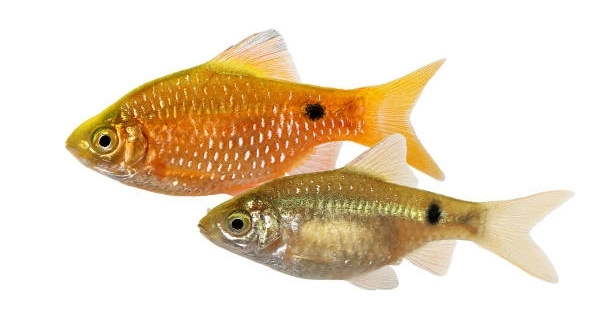
Rosy barbs are lively freshwater fish that bring color and activity to home aquariums. Their behavior is often interesting to watch and can reveal much about their needs and well-being. Encouraging certain habits can improve their health and happiness.
Seven curious habits of rosy barbs, such as their schooling behavior, foraging patterns, and interaction with their environment, play important roles in their survival and adaptation. Supporting these behaviors promotes a balanced and thriving aquarium ecosystem.
Knowing which habits to encourage helps you create a better environment for your rosy barbs. It also deepens your connection with these charming fish.
Schooling Behavior and Its Benefits
Rosy barbs naturally swim in groups, which helps them feel safe and secure. When they move together, it reduces stress and lowers the chance of aggression between fish. This schooling also makes them more active and visible in the tank. You might notice that when kept alone, rosy barbs seem less energetic and sometimes hide more. Keeping them in groups of at least five is ideal. This encourages their natural social behavior and keeps the tank lively. Their synchronized swimming is not only beautiful to watch but also important for their mental well-being. It mimics their natural habitat, where they rely on group movement to avoid predators and find food. In a home aquarium, replicating this group setting helps them stay healthy and confident. Observing a school of rosy barbs glide together adds a calm and natural rhythm to the aquarium environment.
Schooling reduces stress and promotes natural activity. It keeps rosy barbs healthier and more comfortable in captivity.
Encouraging this behavior means providing enough space and companions. A well-planned tank setup supports their need for social interaction and movement, making the environment more natural and balanced.
Foraging and Exploration
Rosy barbs spend much of their time searching for food, which keeps them active and engaged.
Providing varied food and tank decorations encourages natural foraging. This helps maintain their curiosity and prevents boredom. You can add live plants, floating leaves, and small hiding spots to create a stimulating environment. Offering a mix of flakes, pellets, and occasional live or frozen foods supports their dietary needs and promotes natural hunting instincts. Watching them explore and pick at different spots shows their healthy curiosity and vitality. This kind of stimulation improves their overall behavior and reduces stress-related issues. A busy, enriched tank keeps rosy barbs mentally sharp and physically active, which is key for their well-being. Their constant movement while foraging also benefits tank water circulation, preventing dead zones. Encouraging these habits supports their natural lifestyle even in captivity, leading to a happier, longer life for your fish.
Interaction with Tank Mates
Rosy barbs generally get along well with other peaceful fish, making them good community tank members.
They prefer active, non-aggressive companions that share similar water requirements. Aggressive or very slow-moving fish can stress them out or become targets of their playful chasing. Suitable tank mates include danios, tetras, and some types of gouramis. Keeping compatible species together reduces stress and encourages natural social behaviors. It also helps maintain a balanced environment where all fish can thrive without conflict. Observing healthy interactions between rosy barbs and their tank mates shows the tank is well managed and supports their overall happiness.
Choosing the right companions is key to preventing aggression and promoting peaceful coexistence. The presence of compatible fish encourages rosy barbs to display their natural behavior, which benefits the entire tank ecosystem.
Breeding Behavior
Rosy barbs become more vibrant and active during breeding periods, showing distinct courtship behavior.
Males develop brighter colors and chase females gently as part of the mating ritual. Providing plenty of plants and hiding places gives females safe spots to lay eggs and avoid constant pursuit. Spawning usually occurs in the early morning, and the eggs scatter among fine-leaved plants. Removing adults after spawning protects the eggs from being eaten. Maintaining clean water and stable conditions supports successful breeding. Encouraging this natural behavior helps maintain a healthy population and can be rewarding to watch. Understanding these patterns also allows better care tailored to their reproductive needs, contributing to the fish’s overall vitality.
Supporting breeding behavior requires a calm environment, good nutrition, and suitable plants. These factors increase the chances of successful spawning and healthy fry development.
Territorial Displays
Rosy barbs show mild territorial behavior, especially males during breeding. They mark small areas but rarely cause serious fights.
This behavior helps establish social order and reduces constant conflicts. Recognizing these displays allows you to adjust tank layout if needed to prevent stress.
Response to Light Changes
Rosy barbs react quickly to changes in lighting, becoming more active when lights come on. They use light cues to regulate daily routines.
Maintaining a consistent light schedule supports their natural rhythm and helps reduce stress. Sudden or extreme changes can cause agitation or hiding.
Resting Habits
Rosy barbs rest quietly near plants or decorations during low activity times. This behavior is important for their recovery and health.
FAQ
How many rosy barbs should I keep together?
Rosy barbs are schooling fish, so it’s best to keep at least five or more together. This number helps them feel secure and encourages natural social behavior. Smaller groups may cause stress or aggression, while larger groups create a lively, balanced tank environment.
What tank size is ideal for rosy barbs?
A minimum of 30 gallons is recommended for a small group of rosy barbs. This size gives them enough space to swim actively and establish social groups. Larger tanks are better if you want more fish or other tank mates, helping maintain water quality and reducing stress.
What water conditions do rosy barbs prefer?
They thrive in water temperatures between 64°F and 72°F (18°C to 22°C). The pH should be neutral to slightly alkaline, around 7.0 to 8.0. Rosy barbs need clean, well-filtered water with moderate hardness. Regular water changes help keep their environment stable and healthy.
Can rosy barbs live with other fish?
Yes, rosy barbs are generally peaceful but can be fin-nippers. They do well with fast-moving, non-aggressive fish like danios or tetras. Avoid slow-moving or long-finned fish like bettas or angelfish, as rosy barbs may nip their fins, causing stress or injury.
What do rosy barbs eat?
They are omnivores and accept a variety of foods, including flakes, pellets, frozen, and live foods. Feeding them a balanced diet with occasional protein-rich treats like bloodworms or brine shrimp keeps them healthy and active. Avoid overfeeding to prevent water quality issues.
How often should I feed rosy barbs?
Feeding once or twice a day in small amounts is ideal. Offer only what they can eat within 2–3 minutes to avoid leftover food. Consistent feeding helps maintain their health and prevents water pollution caused by uneaten food.
How can I encourage rosy barbs to breed?
To promote breeding, keep water clean and slightly warmer, around 72°F to 75°F (22°C to 24°C). Provide plenty of fine-leaved plants or spawning mops where eggs can attach. Feed high-quality live or frozen foods to improve their condition. After spawning, remove adults to protect the eggs.
Do rosy barbs require special tank decorations?
Yes, adding live or artificial plants, rocks, and hiding spots encourages natural behaviors like exploring and resting. Plants also provide spawning sites and help improve water quality. Avoid sharp decorations that could injure their fins.
What are common health issues in rosy barbs?
They can be prone to fin rot, ich, and fungal infections, especially if water quality is poor. Keeping the tank clean, avoiding overcrowding, and maintaining stable conditions reduce disease risk. Quarantine new fish before adding them to the tank.
How long do rosy barbs live?
With proper care, rosy barbs typically live 5 to 7 years. Good water quality, a balanced diet, and a stress-free environment contribute to their longevity. Regular observation and prompt care for any health issues also help them live longer.
Can rosy barbs tolerate different temperatures?
They prefer cooler water compared to many tropical fish but can tolerate a range of 64°F to 75°F (18°C to 24°C). Sudden temperature changes should be avoided, as they can cause stress and weaken the immune system.
Are rosy barbs good for beginners?
Yes, rosy barbs are hardy and adaptable, making them suitable for beginners. Their active nature and ease of care help new fish keepers learn about aquarium maintenance and fish behavior.
How often should I clean the tank for rosy barbs?
Perform partial water changes of about 20-25% every one to two weeks. Regular cleaning helps remove waste and maintain good water quality. Avoid cleaning the entire tank at once to preserve beneficial bacteria essential for a healthy environment.
Is it necessary to provide a varied diet for rosy barbs?
Yes, a varied diet prevents nutritional deficiencies and keeps them interested in food. Combining flakes or pellets with occasional live or frozen foods mimics their natural diet and supports vibrant colors and energy levels.
How do rosy barbs communicate?
They use body language, like chasing or displaying fins, to show dominance or courtship. Subtle changes in color and movement help them interact within their group, maintaining social order and reducing conflicts. Recognizing these signs can improve tank management.
What lighting conditions suit rosy barbs best?
Moderate lighting that mimics natural daylight works well. Bright lights enhance their colors but should be balanced with shaded areas or plants where they can rest. Consistent light cycles help regulate their behavior and health.
Rosy barbs are lively and interesting fish that bring life to any freshwater aquarium. They have many natural habits that show how they interact with each other and their environment. Watching them swim in groups, explore their tank, and respond to light changes can be very rewarding. These behaviors are not just entertaining but important for their health and well-being. By encouraging these habits, you create a better home for your fish and help them stay active and happy.
Taking care of rosy barbs means more than just feeding them and cleaning the tank. It involves understanding their social needs, such as keeping them in groups and choosing suitable tank mates. It also means providing an environment that supports their natural behaviors, like giving them space to swim, plants for hiding, and varied food to keep them interested. Paying attention to these details helps reduce stress and prevent common health problems. When their natural habits are supported, rosy barbs show brighter colors, better activity levels, and a stronger immune system.
In the end, the key to keeping rosy barbs healthy is observing their behavior and adjusting their care as needed. Small changes like rearranging decorations, improving water quality, or adjusting feeding routines can make a big difference. Encouraging their curious and social nature leads to a more enjoyable experience for both the fish and the keeper. With thoughtful care and attention, rosy barbs can thrive and bring long-lasting enjoyment to any aquarium setup.

Hello,
If you enjoy the content that we create, please consider saying a "Thank You!" by leaving a tip.
Every little bit helps us continue crafting quality advice that supports the health, happiness, and well-being of pets around the world, for pets of all shapes, sizes, and species.
We really appreciate the kindness and support that you show us!