
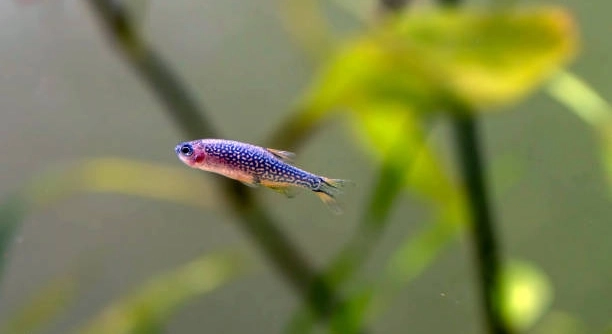
Do your danios seem restless in their tank, darting from one corner to another without any clear reason? Observing these movements can reveal much about their behavior, personality, and how they interact with their surroundings.
Danios exhibit seven distinct movements that indicate exploratory behavior, including darting, hovering, circling, inspecting surfaces, schooling variations, following objects, and subtle fin flicks. Each motion provides insight into their cognitive engagement and environmental assessment.
Recognizing these behaviors allows aquarists to better understand their fish and create a more enriching environment for them. This knowledge can improve both care and observation experiences.
Darting Movements
Danios often make sudden, quick movements across the tank. These darting behaviors can be observed when they are investigating new objects or changes in their environment. This action helps them assess potential threats and locate sources of food. In community tanks, darting can also signal social dynamics, showing which fish are more dominant or confident. These movements are usually brief but frequent, and they indicate that the fish are actively engaged with their surroundings. While it may seem erratic, darting is a natural exploratory instinct that helps danios adapt to their habitat. Observing this behavior over time allows you to understand patterns and preferences in their environment, such as favorite hiding spots or areas where they feel most secure. Recognizing darting as a normal activity helps reduce unnecessary concern and encourages proper observation techniques. It also demonstrates their alertness and overall vitality, which are key indicators of healthy fish.
Darting is primarily a sign that your danios are active and curious about their environment. It shows engagement and awareness.
Tracking these rapid movements provides insight into how your fish interact with each other and the tank itself. Over time, you can notice trends in preferred areas, reactions to new decorations, and how social hierarchies influence movement patterns. This behavior also indicates that your danios are comfortable exploring and maintaining a level of physical activity essential for their health. Noticing these subtle signs helps ensure the tank remains stimulating, balanced, and suited to their needs.
Hovering and Pausing
Hovering occurs when danios stay in one spot for several seconds. This behavior usually indicates careful observation of their surroundings, rather than resting or hiding.
Hovering allows danios to examine potential food sources, tankmates, or unfamiliar changes without immediate action. It is often followed by swimming or darting, depending on the perceived safety or interest in the object or area. This behavior reflects their cautious yet curious nature, showing that they are alert and processing information. In tanks with plants or decorations, hovering may also serve as a way to navigate tight spaces safely or evaluate hiding spots. Regular observation of this behavior can reveal preferences for specific tank zones or interactions with other fish. Recognizing hovering as a purposeful action helps aquarists understand mental stimulation and environmental comfort levels for their fish. This movement demonstrates a balance between caution and exploration, critical to maintaining healthy, engaged danios.
Circling Behavior
Circling is common when danios swim in loops or tight patterns. It often indicates that they are exploring specific areas or interacting with other fish in a social context. This repetitive motion shows focus and engagement with their environment.
When danios circle, they are usually investigating boundaries, objects, or tankmates. This movement helps them map their space and understand where hiding spots or food sources are located. Circling can also signal social interaction, as fish may follow each other or establish dominance through repeated loops. In planted or decorated tanks, circling allows danios to navigate around obstacles efficiently while maintaining awareness of other fish. Tracking this behavior can reveal patterns in territoriality, preferred swimming paths, or areas of interest within the aquarium. Circling is a natural and informative movement that demonstrates both spatial awareness and social behavior, highlighting how danios respond to environmental stimuli.
Observing circling helps identify how danios interact with their surroundings and tankmates. It also provides clues about comfort zones, activity levels, and areas of high interest in the aquarium.
Inspecting Surfaces
Danios often examine surfaces by brushing against them or swimming close to walls and decorations. This action helps them investigate textures, potential food, or environmental changes.
Surface inspection allows danios to learn about their tank’s layout and discover areas that might offer shelter or food. Fish may hover near rocks, plants, or substrate to detect changes or locate small organisms. This behavior demonstrates curiosity and problem-solving, as they adapt to different textures or obstacles. Regular observation of surface inspection can also reveal stress points or areas needing cleaning, since danios often check corners and edges before entering or interacting. Recognizing this behavior helps maintain a healthy tank environment and ensures fish are mentally stimulated, comfortable, and able to explore freely.
Repeated surface inspections can indicate strong environmental engagement. Danios use this behavior to familiarize themselves with new objects, detect subtle changes, and navigate safely. It also provides insight into their mental activity and physical well-being, showing which areas of the tank they favor and how they assess safety and resources. This consistent checking of surfaces is part of their natural behavior and contributes to overall tank harmony and fish health.
Schooling Variations
Danios often change their schooling patterns, spreading out or tightening their group. This behavior helps them explore more efficiently while staying aware of tankmates.
Shifts in schooling indicate environmental assessment or social interaction. A tighter formation can signal caution, while looser movement shows comfort and curiosity in their surroundings.
Following Objects
Danios frequently follow moving objects, including tank decorations, equipment bubbles, or fingers outside the tank. This tracking shows curiosity and cognitive engagement with motion.
Following movements allow danios to learn about potential food sources or changes in their environment. It demonstrates attention and responsiveness, reflecting a healthy and alert state. Observing this behavior provides insight into how they perceive and react to stimuli.
Subtle Fin Flicks
Subtle fin flicks occur when danios make small, quick fin movements without changing direction. These motions often indicate minor adjustments or careful exploration of nearby areas.
FAQ
Why do my danios dart so frequently?
Frequent darting is a natural exploratory behavior. Danios are active fish that constantly assess their environment for food, shelter, or changes in their surroundings. Quick movements help them remain alert and safe, especially in tanks with multiple fish or new decorations.
Is hovering a sign of stress or curiosity?
Hovering is usually a sign of curiosity rather than stress. When danios pause mid-water, they are observing their surroundings or evaluating potential food sources. Stress-related behaviors are often accompanied by hiding, rapid gill movement, or loss of appetite, which differ from simple hovering.
What does circling indicate in my tank?
Circling demonstrates spatial awareness and social interaction. Danios may circle around decorations, corners, or other fish to explore territory, establish dominance, or evaluate their environment. Consistent circling often signals a healthy level of engagement with the tank.
How can I tell if following objects is healthy behavior?
Following moving objects shows attention and cognitive engagement. Healthy danios track movement to explore and react to stimuli. If this behavior occurs alongside normal eating, swimming, and schooling, it is a positive sign of mental stimulation.
Are surface inspections necessary for danios?
Yes, surface inspections are part of normal exploration. Danios check walls, substrate, and decorations for food, shelter, or changes. This behavior allows them to navigate safely and stay familiar with their environment. Ignoring this instinct could reduce their environmental awareness.
Do schooling variations mean my fish are stressed?
Not always. Tight schooling may indicate caution, while looser formations usually show comfort. Changes in schooling reflect their social dynamics and environmental assessment rather than consistent stress. Monitoring other signs like color, appetite, and activity helps clarify their condition.
What are subtle fin flicks trying to communicate?
Subtle fin flicks indicate minor adjustments or exploration. These small movements help danios maintain balance, navigate around objects, and subtly interact with other fish. Regular fin flicks are part of normal behavior and suggest active and alert fish.
Should I be concerned about sudden changes in movement?
Sudden changes can signal environmental shifts, illness, or stress. Observing patterns over time helps distinguish normal exploratory variations from problematic changes. Ensuring water quality, proper tank mates, and consistent feeding routines supports healthy behavior.
Can observing these behaviors improve tank care?
Yes, watching darting, hovering, circling, surface inspections, following objects, schooling, and fin flicks provides insight into their comfort and engagement. Understanding these movements guides adjustments in tank setup, decorations, and social interactions. It also helps identify potential issues early.
How do I encourage exploration in my danios?
Providing varied decorations, plants, and safe open spaces encourages natural exploratory behavior. Small changes, like new hiding spots or moving objects, stimulate curiosity without causing stress. Observing reactions to these changes strengthens understanding of their preferences and activity levels.
Are these movements similar in all danio species?
While basic exploratory behaviors are common, intensity and frequency vary among species. Some danios may dart more, while others focus on schooling or surface inspection. Recognizing species-specific tendencies helps tailor care and environmental enrichment.
What signs suggest a problem rather than normal exploration?
Unusual lethargy, loss of appetite, erratic swimming, or rapid gill movements often indicate health issues rather than normal curiosity. Combining behavioral observations with regular water testing and feeding ensures early intervention.
Can I use these behaviors to bond with my fish?
Yes, understanding exploration patterns helps predict reactions and interactions. Offering stimuli or observing preferred areas creates a responsive environment. While not emotional bonding like mammals, this awareness strengthens your ability to provide optimal care and enrichment.
Do environmental changes affect these movements?
Absolutely. New plants, decorations, lighting, or tankmates can influence darting, hovering, and schooling. Gradual adjustments allow danios to explore safely and reduce stress. Tracking responses to changes provides useful insight into comfort and adaptation.
How often should I observe these behaviors?
Daily observation, even for a few minutes, helps identify normal patterns and early signs of stress or illness. Consistent monitoring ensures that your fish remain active, healthy, and mentally stimulated, while allowing you to adjust the tank environment effectively.
Final Thoughts
Observing danios in your tank reveals a lot about their behavior and how they interact with their environment. From darting quickly across the tank to pausing and hovering in one spot, each movement has a purpose. These behaviors are not random; they show curiosity, awareness, and engagement with the surroundings. Noticing these movements helps you understand their personality and preferences. Danios explore constantly, whether they are inspecting surfaces, following objects, or swimming in groups. Each of these behaviors contributes to their mental and physical health. By paying attention, you can identify which areas of the tank they prefer, how they react to decorations, and which spaces feel safe or open to them. This understanding allows you to provide a more suitable environment, making sure your fish feel comfortable and active.
Recognizing these movements also helps in monitoring their health. Healthy danios are active, alert, and consistently explore their tank. Changes in behavior can indicate stress, illness, or discomfort. For example, a fish that normally darts frequently but suddenly becomes lethargic may be showing early signs of a problem. Similarly, if schooling patterns or surface inspections change drastically, it can be a signal that water quality, temperature, or social dynamics need attention. By observing and recording their normal behaviors, you gain a baseline for what is typical. This makes it easier to spot deviations and take corrective actions quickly. Providing consistent care, clean water, and a well-organized tank encourages natural exploratory behaviors while minimizing stress and promoting overall wellbeing.
Finally, understanding danios’ exploratory movements enhances the enjoyment of keeping them. Watching them interact with their environment, investigate objects, and communicate through movement adds depth to their presence in the tank. Every dart, hover, circle, or fin flick tells a story about how they perceive and respond to the space around them. Incorporating decorations, plants, and open areas can further encourage exploration while keeping the tank visually interesting. By respecting their natural behaviors and providing the conditions they need, you create a healthier and more stimulating environment. Observing these small, curious movements regularly allows you to connect with your fish on a practical level, improving both their quality of life and your experience as a caretaker. Understanding these patterns is key to ensuring that your danios thrive in a comfortable, safe, and engaging habitat.

Hello,
If you enjoy the content that we create, please consider saying a "Thank You!" by leaving a tip.
Every little bit helps us continue crafting quality advice that supports the health, happiness, and well-being of pets around the world, for pets of all shapes, sizes, and species.
We really appreciate the kindness and support that you show us!