
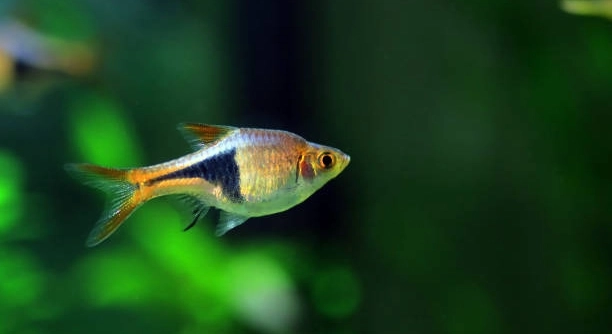
Rasboras are small, lively fish often found in home aquariums. They interact with their environment in unique ways that help them stay safe and healthy. Observing their behavior reveals how they test water conditions carefully.
Rasboras use several distinct actions to evaluate water quality, including flicking their fins, hovering near the surface, and making quick darting movements. These behaviors serve as sensory checks to detect changes in temperature, oxygen levels, and possible toxins.
Learning about these behaviors can improve aquarium care and help maintain a healthier habitat for these delicate fish. Understanding their water-testing habits offers useful insights for any fish enthusiast.
Fin Flicking Behavior
Rasboras often flick their fins gently when assessing water quality. This movement helps them sense vibrations and slight changes in water currents. By flicking their fins, they gather information about the water’s flow and any disturbances nearby. This behavior is subtle but consistent, showing how finely tuned they are to their surroundings. It also helps them detect if water is stagnant or moving properly, which is important for their oxygen intake. In home aquariums, observing fin flicking can indicate whether the water feels normal to the fish. If this action becomes more frequent or erratic, it may suggest that something in the water has changed, such as temperature or cleanliness. Watching this behavior closely can give clues about when it might be time to test water parameters or clean the tank to maintain a healthy environment.
Fin flicking is a natural and continuous test that helps rasboras stay aware of their environment.
This small action is a practical way rasboras monitor water movement and conditions. It reflects their sensitivity and need for balanced water flow to thrive. Recognizing fin flicking helps caretakers ensure the aquarium is stable and comfortable for the fish.
Surface Hovering and Breathing
Rasboras sometimes hover near the water surface to check oxygen levels. This behavior is brief but important.
When oxygen levels drop, rasboras move closer to the surface to access more air-rich water. Their hovering is a direct response to breathing needs and serves as a natural test of water quality. This action can signal poor aeration or water contamination. In an aquarium setting, surface hovering should not be ignored, as it may indicate that the water needs attention. It is a clear, visible way rasboras respond to their environment. Keeping the water well-oxygenated and clean prevents this behavior from becoming frequent or stressful for the fish.
Surface hovering is a simple but vital method rasboras use to sense oxygen availability in the water.
This behavior is easy to notice and can warn of potential problems with water quality. Maintaining good aeration supports rasboras’ health and comfort. Careful observation helps detect early signs of water issues.
Darting Movements
Darting is a quick, sudden swim that rasboras use to test their surroundings. It helps them detect changes in water quality or sudden disturbances.
This rapid movement allows rasboras to respond immediately if something feels off in their environment. Darting can signal discomfort caused by water pollutants, temperature shifts, or low oxygen. It is a clear sign that the fish are actively checking the water and reacting to potential threats. When rasboras dart frequently, it often means the water conditions are not ideal. This behavior is a natural alert system that helps them avoid harm.
Darting also encourages water circulation around their bodies, improving sensory feedback. It’s a way for rasboras to stay alert and maintain their safety through quick responses to any changes in water chemistry or cleanliness.
Mouth Opening and Sampling
Rasboras open their mouths slightly to test water taste and quality. This small action helps them sense chemical changes.
By briefly opening their mouths, rasboras take in small amounts of water to detect any harmful substances or imbalances. This behavior is subtle but effective in identifying toxins or pollutants early. Mouth sampling allows them to avoid dangerous conditions before they worsen. In home aquariums, noticing this behavior can indicate that water quality should be tested soon. It is a practical, sensory method used alongside other actions to keep them safe.
This behavior highlights how rasboras rely on multiple senses to assess their environment carefully. It is part of a broader set of actions that help them adapt and survive in changing conditions.
Tail Flicking
Tail flicking is a quick movement rasboras use to test water flow and detect vibrations. It helps them sense any sudden changes nearby.
This behavior also aids in sending signals to other fish, showing alertness about the water environment. Tail flicking is both a sensory and social action.
Scent Sampling
Rasboras use their sense of smell to evaluate water quality. They detect chemicals and changes by sampling water through their nostrils. This allows them to recognize harmful substances or shifts in their habitat.
This behavior is important because it helps rasboras avoid toxic water and maintain their well-being over time.
Substrate Nudging
Rasboras sometimes nudge the tank floor or plants to test the water around those areas. This helps them find safe spots and check for changes in water quality close to the substrate.
It is a subtle but useful way they gather information about their entire environment.
FAQ
Why do rasboras flick their fins so often?
Rasboras flick their fins to sense the movement and vibrations in the water. This helps them detect changes in water flow or disturbances caused by other fish or environmental factors. The fin flicking is a way for them to gather information about their surroundings without moving too much. It also helps them feel comfortable by checking if the water is calm and safe.
What does it mean when rasboras hover near the surface?
When rasboras hover close to the surface, they are often trying to get more oxygen. This behavior can indicate that the water does not have enough oxygen, which might happen if the tank is overcrowded or not well-aerated. It’s important to check the aeration and water quality if you see this behavior often because low oxygen can stress the fish.
How can darting movements show water quality issues?
Darting is a sudden, quick movement that rasboras use to test their environment. If they dart frequently, it might mean they feel uncomfortable or threatened by something in the water. This could be due to poor water conditions like pollutants, sudden temperature changes, or low oxygen. Monitoring this behavior can help you spot problems early.
Do rasboras really “taste” the water by opening their mouths?
Yes, rasboras slightly open their mouths to take in small amounts of water, helping them detect chemical changes or harmful substances. This mouth sampling is a subtle but important behavior that helps them avoid dangerous water conditions and stay healthy.
What role does scent sampling play in how rasboras test water?
Rasboras have sensitive nostrils that allow them to smell chemicals and toxins in the water. Scent sampling helps them detect pollutants or changes in water quality. This sense of smell is a vital part of how they monitor their habitat and avoid harmful conditions.
Why do rasboras flick their tails?
Tail flicking is another way rasboras sense their environment. It helps detect vibrations and changes in water currents. This movement also communicates alertness to other fish nearby, making it both a sensory and social behavior.
What is the purpose of substrate nudging?
By nudging the tank floor or plants, rasboras check the water conditions near the substrate. This helps them find safe resting spots and notice any changes in water quality at the bottom of the tank. It’s a quiet but important way they explore their environment.
How often should I check my aquarium water if I keep rasboras?
Regular water testing is key to keeping rasboras healthy. Checking parameters like temperature, pH, ammonia, nitrite, and nitrate at least once a week is recommended. Since rasboras are sensitive to changes, keeping the water stable prevents stress and promotes their natural behaviors.
Can changes in water quality cause stress in rasboras?
Yes, poor water quality can cause significant stress in rasboras. Stress makes them more prone to illness and can change their behavior, like increased darting or surface hovering. Keeping the water clean and stable is essential for their well-being.
What should I do if I notice unusual behavior in my rasboras?
If your rasboras show unusual behaviors such as constant darting, excessive fin flicking, or prolonged surface hovering, test your water immediately. Look for imbalances or toxins and perform a partial water change if needed. Observing these signs early can prevent bigger health problems.
Rasboras use many small but important actions to understand their water environment. These behaviors, like fin flicking, surface hovering, and darting, are ways for them to sense changes that might affect their health. Paying attention to these signs can help keep the water conditions safe and comfortable for the fish. When you watch rasboras closely, you can learn a lot about how they feel and whether the tank is suitable for them. These natural behaviors show how sensitive and aware rasboras are of their surroundings.
Maintaining good water quality is essential for rasboras to thrive. Their actions are early warnings that something might be wrong in their habitat. If the water becomes polluted, too warm, or low in oxygen, rasboras will change how they act. Recognizing these changes early can prevent health problems and stress. Simple steps like regular water testing, proper aeration, and cleaning the tank help keep the environment stable. This care supports the fish’s natural behaviors and helps them stay active and healthy.
Understanding how rasboras test their water gives valuable insight into their needs. These small fish rely on multiple senses to stay safe and comfortable. By paying attention to their curious behaviors, you can improve how you care for them. Watching for fin flicks, tail flicks, or surface hovering is not just interesting but practical. It allows for timely actions that protect the fish and create a balanced aquarium. Overall, knowing these behaviors helps ensure that rasboras live longer and happier lives in your care.

Hello,
If you enjoy the content that we create, please consider saying a "Thank You!" by leaving a tip.
Every little bit helps us continue crafting quality advice that supports the health, happiness, and well-being of pets around the world, for pets of all shapes, sizes, and species.
We really appreciate the kindness and support that you show us!