
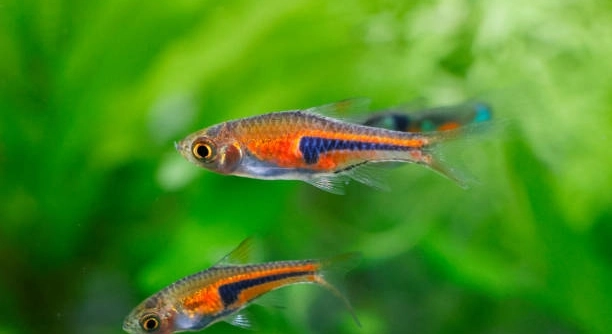
Rasboras are small, colorful fish often kept in home aquariums. They thrive best when they feel safe and secure in their environment. Noticing when they feel exposed helps maintain their well-being and comfort.
Rasboras exhibit signs of feeling exposed through behaviors like hiding, rapid swimming, clamped fins, reduced activity, loss of color, erratic movements, and staying close to tank edges. These cues indicate stress or discomfort in their surroundings.
Recognizing these signs early can improve your tank setup and help your rasboras feel more at ease. Understanding their behavior promotes a healthier and happier aquarium environment.
Signs of Rasboras Hiding More Than Usual
When rasboras feel exposed, one of the first things you may notice is that they start hiding more often. They might stay behind plants, decorations, or in darker corners of the tank. This behavior is a natural response to stress or perceived threats in their environment. Hiding helps them feel safer by reducing their visibility to potential dangers. If your rasboras are constantly seeking shelter, it could mean the tank conditions are not ideal. Overcrowding, sudden movements outside the tank, or bright lighting can make them uneasy. Observing their hiding patterns over time can help you identify when they feel uncomfortable. Making small adjustments, like adding more plants or dimming the lights, can create a better habitat for your fish. Providing plenty of places to hide will help rasboras feel more secure and less exposed.
Hiding often indicates stress, so it’s important to create a calm and safe space in the tank.
A well-planted aquarium with gentle lighting and minimal disturbances encourages rasboras to explore freely. Ensuring stable water conditions and avoiding rapid movements around the tank reduces their stress. When they stop hiding excessively, it’s a good sign they feel more at home.
Rapid Swimming and Erratic Movements
Rapid swimming or sudden, erratic movements can signal that rasboras feel exposed and threatened. This behavior is often a reaction to stress, making the fish appear restless or jumpy. It may happen after a loud noise, changes in water parameters, or when they feel there is not enough cover in the tank. These bursts of speed are an attempt to escape perceived danger, but constant rapid swimming can tire the fish and weaken their immune system. To help, reduce external disturbances and provide hiding spots to calm their nerves. Keeping the tank environment stable and peaceful is essential for their well-being. Observing these movements closely helps you understand when your fish need extra care and attention. Preventing stress through a calm environment keeps rasboras healthy and comfortable.
Clamped Fins
Clamped fins occur when rasboras hold their fins tightly against their bodies instead of spreading them out. This is a clear sign they feel stressed or exposed. It often happens when water quality is poor or they feel threatened by other tank mates.
Poor water quality, such as high ammonia or nitrate levels, can cause rasboras to clamp their fins as a protective reaction. Sudden changes in temperature or pH can also trigger this behavior. When fins are clamped, the fish may also seem less active and lose some of their natural color. Watching for this sign helps you catch problems early and improve their living conditions. Keeping water clean and stable is key to preventing clamped fins and stress in rasboras.
If aggression from other fish causes clamping, separating the rasboras or rearranging the tank can reduce tension. Providing plenty of hiding spots allows them to feel safer and relax their fins naturally.
Loss of Color
When rasboras feel exposed, their colors may fade or dull noticeably. This change is a stress response and signals discomfort. The brighter, healthy colors of a relaxed fish usually fade when they feel unsafe.
Color loss often results from poor water quality, sudden environmental changes, or stress from tank mates. Rasboras depend on their vibrant colors to communicate and attract mates, so fading hues can affect their overall health. Stress weakens their immune system and can lead to illness. By monitoring their color changes, you can identify issues before they worsen. Improving tank conditions and reducing stressors can restore their natural coloration over time. Maintaining stable water parameters, feeding a balanced diet, and minimizing loud noises or sudden movements around the tank all support healthy colors in rasboras.
Staying Close to Tank Edges
Rasboras feeling exposed often stay near the edges of the tank instead of swimming in open water. This behavior helps them feel more secure by limiting their exposure to threats.
By staying close to the glass or decorations, they reduce the chance of being noticed by predators or other aggressive fish. This is a subtle but clear sign that they are uncomfortable in their environment and seeking safety.
Reduced Activity
When rasboras feel exposed, their activity levels drop significantly. They may spend long periods resting or moving very slowly around the tank. This reduction in movement is a coping mechanism to avoid drawing attention to themselves. Lower activity can also signal stress or poor water quality, so it’s important to observe this behavior closely and take action if needed.
Erratic Swimming Patterns
Erratic swimming often shows that rasboras feel stressed or threatened. Sudden darting or zigzag movements are attempts to escape perceived danger in the tank.
Clustering Together
Rasboras tend to cluster tightly when they feel exposed. Grouping offers a sense of safety in numbers and helps reduce stress.
Why do my rasboras feel exposed even in a large tank?
A large tank does not always guarantee that rasboras feel safe. Factors like poor decoration, lack of hiding spots, or bright lighting can make them feel vulnerable. Even in a spacious aquarium, they need places to retreat and feel hidden. Open areas with little cover increase their stress, causing them to act exposed regardless of tank size. Adding plants, caves, or other decorations helps break up open spaces, giving rasboras areas to hide and relax.
How can I reduce stress for my rasboras quickly?
Start by checking water quality—clean water with proper temperature, pH, and ammonia levels is crucial. Next, reduce sudden noises and movements near the tank. Dim the lights or add floating plants to soften brightness. Rearrange the tank decorations to create more hiding spots. Avoid overcrowding and aggressive tank mates. These simple steps help rasboras feel safer almost immediately.
Can poor water quality cause rasboras to feel exposed?
Yes, poor water quality often leads to stress in rasboras, making them feel exposed and unsafe. High levels of ammonia, nitrites, or nitrates irritate the fish and weaken their immune system. Unstable pH or temperature swings also cause discomfort. These conditions trigger defensive behaviors like hiding, clamped fins, or rapid swimming. Regular water testing and maintenance prevent such stress and help rasboras stay healthy and relaxed.
Is it normal for rasboras to hide all day?
No, rasboras that hide constantly are likely stressed or uncomfortable. While they do enjoy resting in sheltered spots sometimes, excessive hiding usually means they feel exposed or threatened. This could be due to tank conditions, aggressive tank mates, or poor water quality. Observing their environment and adjusting factors that cause stress can encourage them to explore and swim more freely.
What types of tank mates make rasboras feel exposed?
Aggressive or overly active fish can intimidate rasboras, causing them to feel exposed. Larger or territorial species may chase or bully them. Even fast swimmers can stress rasboras by constantly disturbing the water or competing for space. Choosing peaceful, slow-moving, or similarly sized tank mates helps rasboras feel more secure and reduces stress.
How can I tell if my rasboras are stressed from exposure or illness?
Stress and illness often show similar signs, like clamped fins, loss of color, or reduced activity. However, illness usually comes with additional symptoms like white spots, ulcers, or abnormal breathing. If your rasboras display only behavioral changes without physical symptoms, it’s more likely stress from feeling exposed. Improving tank conditions and reducing stressors is the first step before considering medical treatment.
Will adding plants help rasboras feel less exposed?
Yes, live or artificial plants provide excellent cover and security for rasboras. Plants create shaded areas and hiding spots that reduce their feeling of vulnerability. Dense planting breaks up open water, making the environment feel safer. Rasboras also enjoy swimming among plants, which encourages natural behavior and reduces stress.
How often should I monitor my rasboras for signs of feeling exposed?
It’s best to observe your rasboras daily, especially during feeding and active times. Look for changes in behavior like hiding, clamped fins, or erratic swimming. Early detection allows you to adjust tank conditions before stress becomes harmful. Regular observation builds familiarity with your fish’s normal habits, making it easier to spot when something is wrong.
Can lighting affect how exposed rasboras feel?
Bright or harsh lighting can make rasboras feel exposed, as it removes shadows and hiding spots. They prefer dim or gently filtered light that mimics their natural habitat. Using floating plants or adjustable aquarium lights helps create softer lighting conditions. This reduces stress and encourages natural behavior.
Are there specific water parameters that help rasboras feel safe?
Rasboras thrive in stable water with a temperature around 72-78°F (22-26°C), a pH between 6.5 and 7.5, and low levels of ammonia and nitrates. Stability matters more than exact numbers—sudden shifts cause stress. Maintaining consistent, clean water supports their health and reduces feelings of exposure.
What should I do if my rasboras keep swimming at the tank surface?
Swimming near the surface can indicate stress or poor water quality, especially low oxygen levels. Check your filtration and aeration systems to ensure proper water circulation. Surface swimming may also mean they feel exposed or threatened near the bottom. Improving tank cover and water conditions usually corrects this behavior.
Can overcrowding cause rasboras to feel exposed?
Yes, overcrowding increases stress and competition for space, making rasboras feel vulnerable. Too many fish reduce hiding spots and cause more movement, which can overwhelm them. Keeping the tank at recommended stocking levels and providing enough decorations helps maintain a calm environment.
How long does it take for rasboras to stop feeling exposed after tank changes?
Adjustment time varies, but generally rasboras start to feel secure within a few days if changes improve their environment. Sudden moves or new decorations might initially cause stress, but providing proper cover and stable water helps them settle faster. Patience is key during transitions.
Is it normal for rasboras to school tightly when stressed?
Yes, tight schooling is a natural defense mechanism when rasboras feel exposed. Grouping together makes them feel safer and less vulnerable. While healthy schooling is normal, overly tight or constant clustering can signal ongoing stress that needs attention.
What are common mistakes that make rasboras feel exposed?
Common issues include poor water quality, lack of hiding spots, bright lighting, aggressive tank mates, overcrowding, and sudden environmental changes. Ignoring these factors can cause chronic stress. Regular tank maintenance and thoughtful aquarium design prevent rasboras from feeling exposed and promote their well-being.
Rasboras are small, peaceful fish that need a calm and secure environment to thrive. When they feel exposed, it affects their behavior and overall health. Understanding the signs of exposure, like hiding too much, clamped fins, or loss of color, helps you take the right steps to make them comfortable. Creating a safe space with plenty of hiding spots, stable water conditions, and peaceful tank mates is key. These simple changes can reduce their stress and encourage natural, healthy behavior.
Maintaining good water quality is one of the most important factors for keeping rasboras feeling safe. Regular testing and cleaning prevent harmful chemicals from building up in the tank. Stable temperature and pH levels also help reduce stress. Bright or harsh lighting can make rasboras feel exposed, so adjusting the light or adding plants can provide the gentle shading they prefer. Paying attention to their environment and making small adjustments when needed can greatly improve their quality of life.
Finally, watching your rasboras closely and learning their normal behavior is essential. This makes it easier to spot when something is wrong or when they feel exposed. Changes in behavior are often the first sign of stress or discomfort. By acting quickly to address these signs, you can help your fish stay healthy and happy. Overall, a thoughtful and steady approach to tank care creates the best conditions for rasboras to flourish.

Hello,
If you enjoy the content that we create, please consider saying a "Thank You!" by leaving a tip.
Every little bit helps us continue crafting quality advice that supports the health, happiness, and well-being of pets around the world, for pets of all shapes, sizes, and species.
We really appreciate the kindness and support that you show us!