
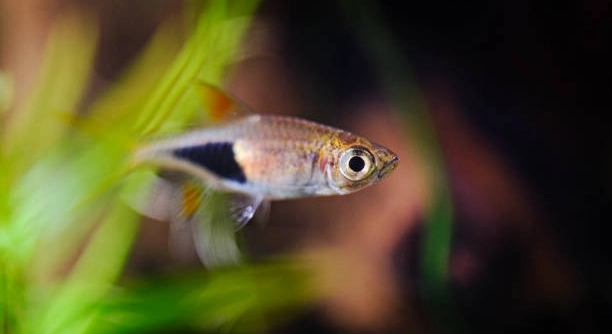
Rasboras are small, peaceful fish often kept in community tanks. When adding new tankmates, it’s important to observe their behavior carefully. Understanding when rasboras are ready for new companions helps maintain harmony in the aquarium.
Rasboras show readiness for new tankmates through several key signs: calm swimming patterns, balanced schooling behavior, consistent feeding habits, and minimal stress responses. These indicators reflect their comfort and social stability, essential for introducing new fish safely.
Recognizing these signs will help you create a peaceful and healthy environment for all your aquatic pets. The following cues provide clear guidance for timing new additions to your tank.
Calm and Steady Swimming
When rasboras swim calmly and steadily around the tank, it’s a good sign they feel secure in their environment. This steady movement shows they are not stressed or alarmed by their surroundings. Rasboras that dart nervously or hide often are not ready for new tankmates. A calm group indicates they have adjusted well to the current conditions and have established a comfortable routine. It is also important that they swim together in groups without showing aggression or fear. Watching their interactions over several days helps confirm their readiness. If their behavior remains consistent, it is safer to introduce new fish without risking disruption or stress.
Rasboras ready for new tankmates often swim confidently in open water. This behavior reflects a balanced and relaxed state.
Introducing new fish when rasboras are calm encourages peaceful cohabitation. It helps prevent fights and promotes a smooth transition for all fish involved.
Balanced Schooling Behavior
Rasboras naturally school together for safety and social reasons. When their schooling is balanced and coordinated, it signals strong group cohesion. If you notice the group splitting apart or some fish isolating themselves, it means they might be unsettled. Healthy schooling behavior means the fish trust each other and feel safe as a group. This trust is essential before adding new tankmates, as it reduces stress and aggression. New fish can disturb the established social structure, so waiting until the schooling is steady helps protect both the rasboras and the newcomers. Monitor their group dynamics closely to make sure they are stable.
Balanced schooling shows that rasboras are socially ready for newcomers.
When rasboras school tightly and move smoothly as a group, it reveals their comfort and readiness. This social stability allows for better acceptance of new fish in the tank. A strong school can also help reduce stress for all inhabitants during introductions. Adding new fish too soon may break this harmony, causing stress and possible aggression. Therefore, ensuring the rasboras have a solid, balanced group dynamic is crucial. It provides a stable foundation for new tankmates to settle in without conflict. This balance supports a peaceful tank environment where all fish can thrive together.
Consistent Feeding Habits
Rasboras that eat regularly and without hesitation show they feel safe. Sudden changes in appetite can mean stress or illness, which makes introducing new tankmates risky.
When rasboras feed consistently, it indicates they are comfortable in their space. They come out confidently during feeding times and do not hide or act skittish. This behavior shows their stress levels are low, which is crucial for accepting new fish. If the fish are refusing food or competing aggressively, it is better to wait. Feeding habits reflect overall health and mood, so stable eating patterns suggest the group is balanced and ready for change. Make sure to observe feeding for several days before adding new tankmates.
Introducing new fish during stable feeding routines helps reduce stress and prevents disruption of the established hierarchy. A well-fed, calm group adjusts better to newcomers and reduces the chances of aggression. Keeping feeding times consistent also reassures rasboras and supports their health during the transition. If new fish are added too early, it could cause competition or stress that interrupts feeding, leading to health problems.
Minimal Stress Responses
Signs of stress in rasboras include hiding, erratic swimming, and loss of color. When these signs are absent, they are more likely ready for new tankmates.
Stress weakens fish immune systems and can cause illness. Rasboras that appear relaxed and maintain their usual vibrant colors indicate good health. Avoid adding new fish if the current group shows any signs of anxiety or discomfort. Stress can also make rasboras more aggressive or shy, which upsets the balance in the tank. Waiting until stress signs disappear ensures a smoother introduction and helps protect both old and new fish.
Reducing stress during tankmate introduction is key for a healthy aquarium. Keeping the environment stable and watching for any behavioral changes supports rasboras through the process. Gradual introduction and observing responses helps maintain a peaceful atmosphere, making new additions more successful.
Exploring the Tank Calmly
Rasboras that explore their tank without frantic movements show comfort. Calm exploration means they feel secure and confident in their environment.
This relaxed behavior suggests they are ready to accept new tankmates. Fish that hide or freeze often are not prepared for changes.
Stable Water Parameters
Stable water conditions are essential for rasboras to feel safe. Sudden changes can cause stress, affecting their behavior and health.
Maintaining consistent temperature, pH, and cleanliness helps rasboras remain calm. When water parameters are steady, the fish are less likely to react negatively to new tankmates. Regular testing and careful adjustments keep the environment supportive.
No Signs of Illness
Healthy rasboras with no visible signs of illness are better candidates for new tankmates. Sick fish may spread disease or react poorly to newcomers.
Introducing new fish when everyone is healthy supports a balanced tank and reduces risks.
How do I know if my rasboras are stressed?
Stress in rasboras often shows through changes in behavior and appearance. They may hide more than usual, swim erratically, or lose their bright colors. You might also notice them gasping near the water surface or refusing food. Stress can be caused by poor water quality, overcrowding, or sudden changes in the tank. Watching for these signs regularly helps you understand when your fish are uncomfortable. If you see these behaviors, it’s best to avoid adding new tankmates until your rasboras return to their normal, calm state. Ensuring stable water conditions and a peaceful environment reduces stress.
What types of tankmates are best for rasboras?
Rasboras do well with other peaceful, small fish that share similar water needs. Avoid aggressive or large fish that might bully or eat them. Good tankmates include other small schooling fish like tetras, danios, or peaceful bottom dwellers such as corydoras catfish. It’s important that the new fish can live in the same temperature and pH range as rasboras. Introducing compatible species helps maintain a calm tank and reduces the risk of stress or aggression. Always research new tankmates before adding them to ensure they fit well with your rasboras.
How should I introduce new fish to my rasbora tank?
Introducing new fish slowly helps reduce stress for everyone. Start by quarantining new fish in a separate tank to check their health. Once ready, place them in a clear container inside the main tank for a day or two. This lets rasboras see the newcomers without direct contact, helping them adjust. After this period, release the new fish gently. Watch closely for signs of aggression or stress in both groups. Keeping the tank well-planted and providing hiding spots also helps all fish feel secure during introductions.
Can I add multiple new fish at once with my rasboras?
Adding multiple new fish at the same time is possible but requires caution. Introducing several newcomers together can reduce stress because no single fish feels singled out. However, ensure the tank is large enough to support the extra fish and that water quality stays stable. Overcrowding can quickly lead to stress and health problems. Also, make sure all new fish are compatible with rasboras and each other. Monitor the tank carefully after adding new fish to catch any problems early. If you notice aggression or hiding, separate the fish as needed.
What should I do if my rasboras show aggression after new fish are added?
Some initial chasing or minor aggression is normal as fish establish their social order. However, if aggression is persistent or harmful, take action quickly. Try rearranging decorations to break up territories and reduce conflicts. Adding more hiding places can help stressed fish escape. If aggression continues, you may need to remove the aggressive fish or separate them in another tank. Feeding fish well also reduces competition. Always observe your fish closely after new introductions and be prepared to intervene if their behavior threatens their well-being.
How long should I wait before adding new tankmates to a rasbora tank?
Wait until your rasboras show stable behavior for at least a week before adding new fish. This includes calm swimming, balanced schooling, consistent feeding, and no signs of stress or illness. The tank’s water parameters should also be steady during this time. Rushing to add new fish too soon can upset the balance and cause stress or aggression. Patience ensures your rasboras are fully comfortable, making it easier for new tankmates to settle in smoothly and safely.
Can introducing new tankmates affect the health of my rasboras?
Yes, new tankmates can impact rasboras’ health if introduced improperly. New fish might carry diseases or parasites that can spread quickly in a small tank. Stress from new additions also weakens immune systems, making rasboras more prone to illness. Quarantining new fish, maintaining good water quality, and observing all fish carefully help reduce these risks. Healthy rasboras adapt better to new companions, so avoiding rushed introductions and keeping the tank clean supports long-term health for everyone.
When it comes to adding new tankmates to your rasbora aquarium, patience and observation are very important. Rasboras are peaceful fish that need time to feel safe and comfortable in their environment. Watching how they behave before introducing new fish helps prevent problems like stress and aggression. Signs like calm swimming, steady schooling, and consistent feeding show that your rasboras are ready. Waiting until they are stable ensures a smoother and safer transition for everyone in the tank. Taking the time to understand these cues can save you from having to deal with avoidable issues later.
Maintaining a healthy tank is not only about the fish but also about the water and environment. Stable water parameters like temperature, pH, and cleanliness make a big difference in how well your rasboras adjust to new tankmates. Sudden changes or poor water quality cause stress, which makes introducing new fish risky. Before adding anything new, make sure the water conditions are steady and that your rasboras are free of illness. Keeping the tank clean and well-maintained supports all the fish and helps them live peacefully together. Providing plenty of hiding spots and plants can also make new introductions easier and reduce stress for everyone.
Lastly, choosing the right tankmates matters a lot. Rasboras do best with peaceful, small fish that won’t compete aggressively for space or food. Avoid adding large or aggressive species that may harm or scare your rasboras. Introducing new fish slowly and carefully, such as using a quarantine period and acclimation steps, protects your current fish. Watching all fish closely after new additions allows you to spot problems early and take action if needed. By paying attention to your rasboras’ behavior and the tank environment, you help create a calm and healthy aquarium where all fish can thrive together.

Hello,
If you enjoy the content that we create, please consider saying a "Thank You!" by leaving a tip.
Every little bit helps us continue crafting quality advice that supports the health, happiness, and well-being of pets around the world, for pets of all shapes, sizes, and species.
We really appreciate the kindness and support that you show us!