
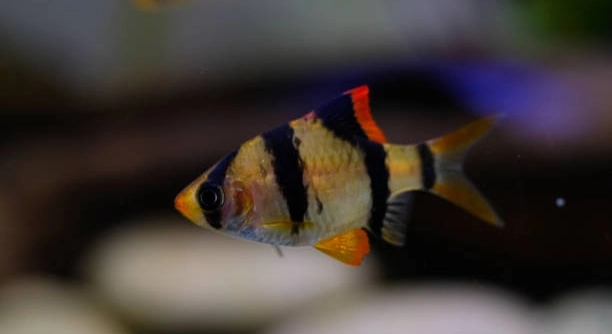
Are your tiger barbs swimming around in a plain, uninspired tank that doesn’t bring out their natural energy and beauty?
Creating a visually appealing and functional tiger barb tank layout requires thoughtful planning. Tiger barbs thrive in spaces that offer hiding spots, open swimming areas, and stimulating environments. Well-designed layouts can enhance their behavior, health, and color vibrancy.
Each layout in this article offers something unique to help you improve your tank while keeping your tiger barbs happy and active.
Natural Riverbed Layout
This layout mimics the appearance of a shallow stream or river where tiger barbs might swim in the wild. Use a mix of fine gravel, smooth stones, and driftwood placed at angles to create a natural flow. Add low-growing plants like Anubias or Java fern attached to rocks or wood for a more authentic look. Make sure the open areas are wide enough for active swimming, as tiger barbs are fast and energetic. This layout also reduces stress by giving them places to explore and retreat. Keep lighting moderate to maintain a calm and balanced atmosphere in the tank.
The natural riverbed layout is great for showing off the barbs’ movement and color without overwhelming the space.
Keeping the tank clean is easier with this setup. Minimal clutter helps reduce debris buildup. Make sure to anchor plants securely and use smooth stones to prevent injuries during chasing and play. Tiger barbs often show more natural behaviors in this setup, like schooling and exploring. Regular water flow and slightly dim lighting will add to the riverbed feel. This type of tank also creates a peaceful focal point in any room without looking overly decorated or artificial. It offers both beauty and comfort for your fish with little maintenance.
Jungle Cluster Layout
This layout uses dense planting to form clusters of greenery in specific sections of the tank, leaving other areas clear for movement.
Choose fast-growing plants like hornwort, water wisteria, or hygrophila to create full, leafy groups in two or three corners of the aquarium. These plants offer shade and help reduce aggression by giving tiger barbs areas to hide or retreat to when needed. In between the plant clusters, keep wide lanes open so the fish can dart around freely. Jungle clusters also provide great cover for smaller tank mates, if you have them. To keep it looking neat, trim plants regularly and watch for overgrowth. Add dark substrate to bring out the color of the fish, and keep filtration steady to prevent debris buildup. Lighting should be moderate to high to keep the plants healthy and vibrant. This layout offers a strong mix of function and beauty with little extra effort required.
Rocky Canyon Layout
This layout focuses on stacked stones and ledges to create a canyon-like space with height and depth. Use smooth rocks to avoid injury and arrange them to form caves, slopes, and walls. Tiger barbs enjoy weaving through narrow passages and chasing each other around corners.
Start with a strong base of larger stones to support the structure and prevent collapses. Stack mid-sized rocks in varying directions to create depth and ledges. Use aquarium-safe glue or silicone if needed to hold formations in place. Leave a clear middle space for swimming, and place small plants like crypts or moss in crevices. This setup mimics natural stone formations and adds visual interest without crowding the tank. It also gives your fish more ways to explore and interact. Strong filtration is helpful to remove debris from behind the rocks, and regular checks will keep everything safe and secure.
Tiger barbs respond well to this type of environment because it encourages movement and keeps them active. The mix of open space and shelter reduces stress and gives them places to rest between bursts of energy. It also works well with overhead lighting, which casts shadows across the stones and highlights the tank’s structure. If the rocks are dark or textured, they help bring out the stripes and colors of your fish. This layout is also easy to adjust over time. You can move a few stones or shift the formation without disturbing the tank too much. Just remember to check stability if you make changes, especially during cleaning.
Open Water Layout
This layout is focused on wide, clear swimming space with only a few decorations. Use fine sand or smooth gravel for the base and keep hardscape minimal. Place a few background plants along the edges to frame the tank without cluttering the center.
Tiger barbs are very active and enjoy open layouts where they can swim in large groups. This setup helps reduce stress-related aggression by giving them enough room to establish a loose hierarchy. It’s also easier to clean and gives the tank a neat, modern look.
Sunken Root Layout
Use a large piece of driftwood as the centerpiece, ideally one with twisting roots or an arching shape. Anchor it securely into the substrate and surround it with low-light plants like Java moss or anubias. The wood should stretch across the tank, allowing fish to swim around, behind, and through it. This layout mimics a sunken tree or root system found in slow-moving waters. It offers a natural look while providing great shelter and a sense of depth. Make sure the wood is aquarium-safe and pre-soaked to prevent floating. Keep the lighting soft for a calm, earthy atmosphere.
Column Stack Layout
Stack narrow rocks or slate in vertical columns, either in one area or spread across the back of the tank. This adds height and texture while keeping floor space open.
How much space do tiger barbs need in a tank?
Tiger barbs are active swimmers that require ample space. A minimum of 20 gallons is recommended for a small group of six or more fish. This size allows them enough room to swim freely and reduces aggression. More space helps maintain water quality and provides room for plants and decorations, which promote a healthy environment.
What kind of plants work best in tiger barb tanks?
Tiger barbs do well with hardy plants that can withstand their occasional nibbling and active swimming. Plants like Java fern, Anubias, Amazon sword, and Cryptocoryne are ideal. These species tolerate moderate light and don’t need frequent trimming. Fast-growing plants such as hornwort and water wisteria can also be used to add coverage and absorb excess nutrients.
Can tiger barbs live with other fish species?
Tiger barbs can live with other fish but are known for fin nipping and territorial behavior. Choose tank mates that are fast swimmers and can handle their energetic nature. Suitable companions include danios, barbs, larger tetras, and some catfish species like Corydoras. Avoid slow-moving or long-finned fish that may become targets.
How often should I clean a tiger barb tank?
Regular maintenance is essential to keep water quality high. Partial water changes of 20-25% every one to two weeks are recommended. Cleaning the substrate and removing uneaten food will help prevent ammonia buildup. Filter media should be rinsed in tank water monthly, but not replaced too often to maintain beneficial bacteria.
What decorations are safe for tiger barb tanks?
Smooth stones, driftwood, and aquarium-safe ceramics work well as decorations. Avoid sharp or rough materials that could injure the fish. Decorations should provide hiding spots and break lines of sight to reduce aggression. Plants—either live or silk—add natural cover and improve tank aesthetics.
Do tiger barbs need special lighting?
Tiger barbs do not require special lighting, but moderate light levels help plants thrive and show off the fish’s colors. Avoid very bright lighting that may cause stress or algae growth. A timer can help maintain a consistent day-night cycle for the fish and plants.
How do I prevent aggression among tiger barbs?
Keeping tiger barbs in groups of six or more spreads out aggression and encourages schooling behavior. Providing plenty of hiding spots and plants helps fish escape conflict. Avoid overcrowding, maintain good water quality, and feed a balanced diet to reduce stress, which can trigger aggression.
What substrate is best for tiger barb tanks?
Fine gravel or sand substrates are best for tiger barb tanks. They allow easy rooting for plants and prevent injury to the fish. Darker substrates often enhance the fish’s colors and provide a natural look. Avoid coarse or sharp substrates that can damage barb barb’s delicate fins.
Can tiger barbs live in cold water?
Tiger barbs prefer tropical water temperatures between 74°F and 79°F (23°C to 26°C). They are not suited for cold water tanks. Maintaining a stable temperature with a heater is important to keep the fish healthy and active.
How do I acclimate new tiger barbs to my tank?
Float the sealed bag with the new fish in your tank for 15 to 20 minutes to equalize temperature. Then gradually add small amounts of tank water into the bag every 5 minutes for about 30 minutes. This process reduces stress and helps the fish adjust to water chemistry. After acclimation, gently release the fish into the tank.
Creating a well-planned tank layout for tiger barbs is important for their health and happiness. These fish are active and social, so they need enough space and places to explore. The right setup can reduce stress, encourage natural behaviors, and improve their colors. Whether you choose a natural riverbed, rocky canyon, or jungle cluster layout, providing a mix of open swimming areas and hiding spots is key. Decorations like smooth rocks, driftwood, and hardy plants help create a comfortable environment. Keeping the tank clean and maintaining good water quality also supports your fish’s wellbeing.
When designing your tiger barb tank, consider their energetic nature and tendency to nip fins. Grouping them in schools of six or more can help reduce aggression and encourage schooling behavior. It’s also important to select suitable tank mates that can handle their lively personality. Regular trimming of plants and monitoring the stability of decorations will keep the tank safe and visually appealing. Lighting should be moderate to support plant growth while avoiding stress for the fish. A consistent maintenance routine including water changes and filter cleaning will keep the environment balanced and healthy.
Taking time to plan your tank layout pays off in the long run. A thoughtfully arranged tank will highlight your tiger barbs’ natural beauty and provide them with a stimulating, secure space. This helps them live longer, stay active, and show their best colors. Remember to adapt the layout over time as your fish grow and change. Regular observation will help you notice their behavior and make improvements when needed. A well-maintained, creative layout not only benefits your fish but also makes your aquarium an attractive, peaceful part of your home.

Hello,
If you enjoy the content that we create, please consider saying a "Thank You!" by leaving a tip.
Every little bit helps us continue crafting quality advice that supports the health, happiness, and well-being of pets around the world, for pets of all shapes, sizes, and species.
We really appreciate the kindness and support that you show us!