
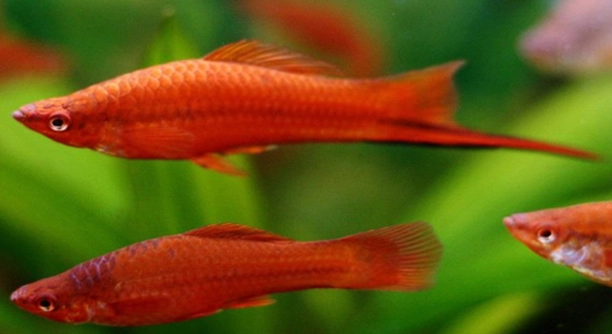
Are your swordtails swimming in circles or seeming a bit bored in their tank, despite your best care efforts?
Swordtails enjoy a variety of tank toys that mimic their natural environment and keep them stimulated. Items like floating logs, moss balls, tunnels, and bubble walls can help promote activity and reduce stress in these lively freshwater fish.
Adding the right toys can improve your swordtail’s mood, encourage natural behaviors, and make their tank a more exciting place to explore.
Floating Logs for Rest and Play
Floating logs are a great choice for swordtails. These logs offer a space for swimming, hiding, and resting near the surface. Swordtails often enjoy darting in and out of them. The gentle movement of the log adds a little interest to their swimming routine without being too overwhelming. This toy mimics natural debris they might encounter in a stream or river, helping to satisfy their curiosity. Logs with a wide opening are best, especially for adult swordtails. Look for logs made of safe, aquarium-approved materials that won’t alter water chemistry or grow sharp edges over time.
Swordtails use floating logs both for shelter and active swimming, which helps reduce boredom and creates a more peaceful tank.
When introducing a floating log, make sure it doesn’t crowd the surface or block the light too much. It’s helpful to position it away from the filter’s flow so it stays in place. Keep an eye on algae growth and clean it during water changes. A floating log doesn’t just make the tank look better—it gives swordtails something consistent to return to. If your tank has a few fish, you may notice one claiming the log as a resting zone. Others may just swim through it often.
Leaf Hammocks for Lounging
Leaf hammocks give swordtails a soft place to pause and float near the surface, which they often enjoy after swimming.
These hammocks are usually made from silk or other safe materials that won’t harm fins. They are typically suction-cupped to the side of the tank a few inches below the waterline. Swordtails tend to hover near the top, and a hammock provides an easy resting place when they want to slow down. Some even nap briefly on them. Positioning the hammock near plants or other décor can make it feel more secure. While originally used for bettas, these hammocks are just as helpful for other surface-loving fish. Choose a leaf that is wide enough to support your swordtail’s body without bending too much. It should not be placed too close to filters, as strong water flow can make resting difficult. Clean it gently to avoid wear and tear over time.
Moss Balls for Gentle Interaction
Moss balls are low-maintenance and soft, making them ideal for tanks with active fish like swordtails. These green spheres don’t just look nice—they offer something fun to bump, roll, and explore.
Swordtails tend to interact with moss balls throughout the day. The texture is gentle on their bodies, and the movement it allows adds light stimulation without stress. Moss balls can help improve water quality slightly by absorbing nitrates, though they shouldn’t replace proper filtration. You can place them directly on the substrate or wedge them between décor pieces to keep them from floating. If your fish push them around too much, consider anchoring them with small rocks. Rinse moss balls gently in tank water every few weeks to remove any debris. Avoid placing them in strong current zones, where they may drift too much or collect waste.
Some swordtails may lose interest if the moss balls remain in the same spot. Try shifting their location during tank cleanings to spark renewed curiosity. If algae begins to grow on the surface of the moss, gently roll them between your hands while rinsing. Some owners even divide larger moss balls into smaller ones for variety. These toys are especially nice in tanks with gravel or sand that stays clean easily.
Bubble Walls for Constant Movement
Bubble walls add a moving stream of tiny bubbles that swordtails enjoy swimming through. They help break up the tank’s stillness and improve oxygen exchange at the surface.
Installation is simple. Bubble walls are long, flexible tubes that sit along the tank bottom and connect to an air pump. They release streams of bubbles that rise gently to the top. The constant movement gives swordtails something active to explore, especially in areas of the tank that otherwise stay calm. Position the bubble wall along the back or side glass to prevent too much disturbance in the middle swimming space. You can also place it near plants or rocks to create soft barriers and increase the visual effect. Clean the tubing occasionally to avoid buildup that could block airflow. The air pump should stay quiet to avoid stressing the fish. A well-placed bubble wall adds life and energy to a tank without needing constant attention.
Tunnel Caves for Exploration
Tunnel caves are helpful for swordtails that like to hide or swim through tight spaces. These toys offer shelter, reduce stress, and give fish a place to rest or play without blocking too much space in the tank.
Choose smooth, rounded designs that won’t snag fins. Place them near plants or in quieter areas of the tank where swordtails can retreat if they feel overwhelmed. Avoid stacking them too high, as swordtails prefer horizontal swim paths over vertical climbing or squeezing through narrow spots.
Mirror Toys for Short Playtime
Mirror toys can provide quick bursts of stimulation. When used for just a few minutes at a time, swordtails may display more active swimming and brighter colors. Limit use to prevent stress, and avoid leaving mirrors in the tank long-term.
Ping Pong Balls for Surface Fun
Floating ping pong balls bounce gently with the water movement and attract swordtails that like staying near the surface. These toys are simple, but they give fish something new to push or chase. Use plain, smooth balls without paint, and clean them regularly to avoid debris buildup.
FAQ
What type of toys do swordtails enjoy the most?
Swordtails enjoy toys that mimic natural elements in their environment. Floating logs, moss balls, and tunnel caves are great choices. These toys give swordtails a chance to explore, hide, and rest, all while adding some stimulation to their tank. Items that provide variety, movement, and texture can keep them active and reduce stress. Swordtails are curious creatures, so they tend to appreciate toys that allow them to engage in different ways, whether it’s hiding, swimming through, or interacting with objects.
How do I clean aquarium toys for swordtails?
Cleaning aquarium toys is important to maintain water quality and ensure they remain safe for your fish. For most toys, a gentle rinse with tank water during your regular water changes is enough. For items like floating logs or moss balls, use a soft brush to remove algae or debris without damaging the surface. Avoid using soap or chemicals, as they can harm the fish. For plastic or silicone toys, a quick rinse with warm water should do the trick. Be sure to dry any items thoroughly before returning them to the tank.
Can swordtails play with ping pong balls in the tank?
Yes, ping pong balls can be a fun and simple addition to a swordtail’s tank. They float on the surface and bounce gently with the water’s movement. Swordtails enjoy pushing them around or chasing them. These toys are inexpensive, easy to clean, and they don’t take up much space. Make sure to remove any paint or coating from the ball to avoid toxic materials in the tank. Keep in mind that too many toys may crowd the tank, so use ping pong balls sparingly and clean them regularly to prevent mold or algae buildup.
How often should I change or replace tank toys for swordtails?
While tank toys don’t need to be replaced as frequently as the water, it’s a good idea to switch them out every few months. This keeps the tank environment fresh and exciting for your swordtails. Over time, toys may accumulate algae or wear down, so keeping an eye on their condition is essential. Also, periodically rearranging the placement of the toys or introducing new ones can reintroduce some novelty, which swordtails appreciate. If you notice any cracks or damage, replace the toy to avoid sharp edges or potential harm.
Are there any tank toys that could stress swordtails out?
While most toys are beneficial, certain items might cause stress if they don’t fit well with the tank’s setup. Toys that create strong currents, like large bubble walls, could overwhelm swordtails, who prefer calm swimming environments. Toys with sharp edges or those that are too large for the tank can also cause anxiety. Swordtails are social, active fish, so toys that block too much space or are too small might frustrate them. It’s essential to observe their behavior and ensure toys don’t hinder their natural swimming patterns.
Can swordtails get along with other fish and enjoy toys together?
Yes, swordtails generally do well in community tanks and can share toys with other peaceful fish. They often interact with different species around the tank and may use toys together, especially if they’re small or have multiple access points. Just be mindful of any more aggressive species that could stress the swordtails. It’s always a good idea to monitor interactions and ensure the toys don’t get hoarded or overly contested. Providing enough hiding spaces and play areas for all the tank’s inhabitants can reduce competition.
Do I need special toys for baby swordtails?
Baby swordtails, or fry, don’t require toys in the same way adults do. They need secure hiding spots to avoid larger fish. However, small plants, soft decorations, or gentle decorations they can explore are suitable for encouraging natural behaviors. Avoid placing large toys that may block the fry’s path or become too difficult for them to navigate. The primary goal for fry is to ensure they have a safe, stress-free environment where they can grow and swim freely.
Do floating plants count as toys for swordtails?
Floating plants can certainly act as a form of natural enrichment for swordtails. These plants provide a place to rest, hide, and swim through, much like toys do. Swordtails love having something to interact with on the surface of the tank. Floating plants also help improve water quality by absorbing excess nutrients and offering hiding spots for shy fish. They can also provide a more natural, lush look in the aquarium. Just be sure to trim them periodically so they don’t overcrowd the tank.
Final Thoughts
Swordtails are active and curious fish that thrive in an environment filled with different types of toys. These toys not only keep them entertained but also help reduce stress and encourage natural behaviors like exploring, hiding, and resting. Floating logs, moss balls, tunnel caves, and bubble walls are just a few examples of items that can make their tank more engaging. By providing a variety of toys, you can ensure that your swordtails have the mental and physical stimulation they need to stay healthy and active.
When choosing toys for your swordtails, it’s important to consider the size of the tank and the type of fish in it. Some toys may be too large or create too much current, which could stress out the fish. Always check that the materials used are safe for aquarium use and that they won’t harm your swordtails in any way. It’s also a good idea to rotate toys in and out of the tank to keep things interesting for your fish and to prevent them from becoming bored with the same items over time. Simple changes, like rearranging the toys or adding new ones, can make a big difference in how your swordtails interact with their environment.
Overall, providing tank toys for swordtails is an easy and effective way to enhance their quality of life. By paying attention to their needs and preferences, you can create a more stimulating and comfortable environment for them to thrive in. With the right toys, your swordtails will not only be happier but also healthier, as they’ll have the opportunity to express their natural behaviors. It’s worth taking the time to experiment with different toys and find out what works best for your swordtails, ensuring they stay active, engaged, and content in their home.

Hello,
If you enjoy the content that we create, please consider saying a "Thank You!" by leaving a tip.
Every little bit helps us continue crafting quality advice that supports the health, happiness, and well-being of pets around the world, for pets of all shapes, sizes, and species.
We really appreciate the kindness and support that you show us!