
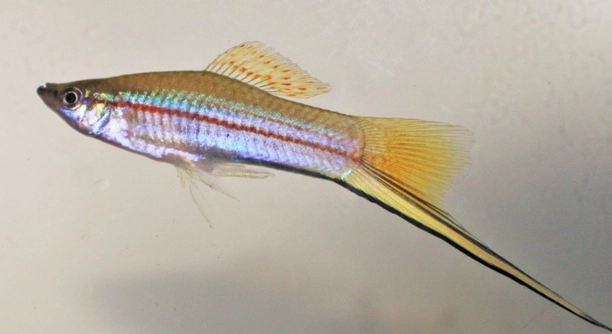
Swordtails are a popular choice for aquarium enthusiasts due to their striking appearance and active nature. These fish are known for their distinctive tail shape and vibrant colors, which make them stand out in any tank.
There are various swordtail varieties, each with unique colors, patterns, and tail shapes. These varieties include the popular red, black, and golden swordtails, as well as hybrid varieties, offering a wide range of options for aquarium hobbyists.
Swordtails are versatile fish, and knowing more about these unique varieties will help you choose the best one for your aquarium. Understanding their differences can lead to a more colorful and dynamic tank environment.
Red Swordtail
Red swordtails are one of the most recognizable and vibrant varieties. Their fiery red color stands out, making them an attractive choice for many aquarium setups. These fish are hardy, active, and easy to care for, which makes them popular among hobbyists. The males of this variety are known for their bright red tails, which resemble a sword. Over time, selective breeding has resulted in even more intense colors and better-defined tail shapes.
Red swordtails are generally peaceful, but they can be territorial with their own kind. They do well in community tanks with other peaceful species. It is important to maintain water quality and provide plenty of space for them to swim. The males, in particular, are very active swimmers, often showing off their bright tails in an effort to attract females.
When it comes to breeding, red swordtails are quite prolific. They give birth to live young, and it’s not uncommon for a female to have multiple batches of fry in a short period. If you’re interested in breeding, ensure there are enough hiding places in the tank for the fry to avoid predation.
Black Swordtail
Black swordtails are striking in appearance with their deep black bodies and contrasting tails. This variety is often sought after for its bold and sleek look. Black swordtails make a unique addition to any tank, especially when paired with lighter-colored fish.
These fish thrive in similar conditions as other swordtail varieties. They are hardy and can live in a variety of water temperatures. However, their black coloring can sometimes fade if the water quality isn’t properly maintained. Regular water changes and proper filtration are crucial for keeping their appearance at its best. They tend to be more relaxed and less aggressive compared to some other swordtail types, making them suitable for peaceful community tanks.
They also adapt well to various water conditions, but the key is keeping the water clean and the temperature stable. Black swordtails may require more attention to detail in tank maintenance, but their elegant look is worth the extra care.
Golden Swordtail
Golden swordtails are known for their stunning golden-yellow coloration. These fish shine brightly in any aquarium, adding a touch of warmth to the tank. Their bright bodies often have a slight shimmer, making them a favorite among those who enjoy visually striking fish.
This variety is typically peaceful and easy to care for. Golden swordtails prefer slightly alkaline water and moderate temperatures, but they can tolerate a range of conditions. Their hardiness makes them suitable for both beginners and experienced aquarists. When they feel comfortable, they tend to swim actively, especially the males, who will often display their tails to attract females.
Breeding golden swordtails is straightforward, as they are livebearers. Expect frequent births if males and females are kept together. However, the fry may need protection from adult fish, as the parents could eat them. Providing hiding spots for the newborns can help them survive and grow.
Pineapple Swordtail
Pineapple swordtails stand out with their distinctive yellow and black markings, which resemble the colors of a pineapple. These fish are less common than red or black swordtails but offer a unique visual appeal for those seeking something different.
This variety can thrive in a community tank with other peaceful fish. Pineapple swordtails are known for being slightly more temperamental than other varieties. They may exhibit more aggressive behavior, especially when competing for food or mates. It is important to keep an eye on tank dynamics and ensure that all species coexist peacefully.
Like other swordtail varieties, pineapple swordtails are livebearers, and they breed prolifically in the right conditions. These fish do best when kept in schools, which helps reduce territorial behavior and stress. A good balance of males and females can keep the breeding process steady while minimizing aggression.
Yellow Swordtail
Yellow swordtails are admired for their vibrant, bright yellow color. Their cheerful appearance makes them an eye-catching addition to any aquarium. The males often display their swordtails, which stand out against their golden bodies.
These fish are easy to care for and adapt well to various water conditions. Yellow swordtails are peaceful but can be territorial, especially during mating season. Providing plenty of space and hiding spots can reduce aggression. They are hardy, making them suitable for beginner aquarists looking for a low-maintenance species to add to their tanks.
They are also livebearers, so breeding them is simple, but it’s important to separate the fry from the adults to prevent predation. Ensuring a healthy, balanced environment will help keep their color vibrant and the fish happy.
Blue Swordtail
Blue swordtails are less common but equally beautiful. Their deep blue hue and sharp tail extensions make them an alluring choice for those looking to add variety to their tanks. These fish are graceful swimmers and show off their striking coloration with pride.
They are relatively low-maintenance, though blue swordtails can be sensitive to water conditions. Regular water changes and maintaining stable water temperatures are essential. These fish are peaceful and do well in community tanks but can become shy around more aggressive tank mates. It’s important to choose companions carefully for a harmonious environment.
Blue swordtails can breed quickly, and like other varieties, the females give birth to live young. Since they tend to reproduce often, controlling the population by separating fry from adults is necessary. Providing adequate hiding spaces is essential for young fish to survive.
Green Swordtail
Green swordtails are unique for their vibrant green coloring. They’re not as commonly found as other varieties, but their distinct hue makes them stand out in a tank. These fish are easy to care for and can adapt to different water conditions.
Green swordtails can be a bit more territorial compared to other varieties, especially when it comes to mating. Keeping multiple females for every male will help reduce aggression. These fish are peaceful but will defend their space when necessary. They do well in schools, which helps spread out any territorial behavior.
Breeding green swordtails is a smooth process, but, like all swordtail species, fry should be separated from adults. Creating a safe environment for the young fish to grow will ensure they have a better chance of surviving.
FAQ
What is the ideal water temperature for swordtails?
Swordtails prefer water temperatures between 72°F and 79°F (22°C to 26°C). Maintaining a stable temperature within this range ensures their health and promotes breeding. If the water is too cold or too hot, swordtails can become stressed and more prone to disease. A reliable aquarium heater will help regulate the temperature and keep it consistent.
Can swordtails live with other fish?
Yes, swordtails are generally peaceful and can live with many other species, especially those that are calm and non-aggressive. They do well in community tanks with fish of similar size and temperament. However, avoid pairing them with overly aggressive fish that may harm them. Swordtails can sometimes become territorial, especially males during breeding, so it’s important to provide plenty of space and hiding spots.
How often should I feed swordtails?
Swordtails are not picky eaters, but it’s important to feed them a balanced diet. Offer them high-quality flakes, pellets, or live foods like brine shrimp or daphnia. Feeding them once or twice a day is usually sufficient. Be careful not to overfeed, as leftover food can pollute the water. It’s a good idea to remove any uneaten food after a few minutes to maintain water quality.
Are swordtails easy to breed?
Yes, swordtails are livebearers, meaning they give birth to fully formed, free-swimming fry rather than laying eggs. They breed easily under the right conditions, and females can store sperm to have multiple batches of fry without needing to mate again. To encourage breeding, ensure they have a stable, clean environment and are well-fed. Separating males and females will help prevent overpopulation. It’s also a good idea to provide hiding spots for the fry, as adult swordtails may eat them.
What is the lifespan of a swordtail?
Swordtails typically live for 3 to 5 years, though some can live longer if well cared for. Factors like water quality, diet, and tank environment can affect their lifespan. Keeping their tank clean, maintaining proper water parameters, and reducing stress will help extend their lives. Regular monitoring for signs of illness and keeping the tank free from diseases also contribute to their longevity.
Do swordtails need a lot of space?
Swordtails are active swimmers and benefit from a larger tank where they have plenty of room to move. A minimum of 20 gallons is recommended for a small group of swordtails. If you plan on keeping more swordtails or other species in the tank, consider upgrading to a larger tank to prevent overcrowding. Providing plenty of space and plants or decorations for hiding will help reduce territorial behavior, especially in males.
Why are my swordtails’ colors fading?
Fading colors in swordtails can be a sign of stress, poor water quality, or inadequate lighting. If the water parameters are off, swordtails may lose their vibrant hues. Make sure to regularly test the water for ammonia, nitrite, and nitrate levels. Also, ensure the tank has proper lighting, as swordtails tend to look their best under bright but not harsh lighting. If you notice fading, address any water quality issues and ensure your swordtails are not stressed.
How do I know if my swordtail is pregnant?
Pregnant swordtails will show noticeable signs. The most common indicator is a dark spot near the rear of the fish, known as a gravid spot. As the pregnancy progresses, this spot becomes darker and larger, eventually becoming more visible. The female may also appear rounder in the belly area. Swordtails typically carry their young for about 3 to 4 weeks before giving birth. Once the fry are born, it’s a good idea to separate them from the adults to prevent them from being eaten.
What can I do to prevent disease in my swordtails?
Maintaining good water quality is the key to preventing disease. Perform regular water changes, monitor the water parameters, and keep the tank well-filtered. Avoid overcrowding, as this can lead to stress and increase the likelihood of disease. Quarantine any new fish before adding them to your tank to avoid introducing potential pathogens. Additionally, make sure your swordtails are eating a nutritious diet to keep their immune system strong. If any signs of illness appear, take action immediately by isolating the affected fish and treating the tank if needed.
Are swordtails affected by tank mates?
Yes, swordtails can be affected by their tank mates, especially if they are aggressive or overly territorial. Some species may nip at the fins of swordtails, causing stress or injury. Choosing peaceful tank mates is important for keeping swordtails happy and healthy. Fish like tetras, mollies, and guppies usually make good companions. Avoid placing them with larger or more aggressive fish, as they could intimidate or harm your swordtails.
What size tank do swordtails need?
Swordtails need a minimum of 20 gallons of space for a small group. If you’re keeping several swordtails, a larger tank is recommended to give them enough space to swim and reduce territorial conflicts. The size of the tank also depends on the number of fish you intend to keep and the types of other species in the tank. A well-planted tank with plenty of swimming room is ideal for maintaining healthy and active swordtails.
Do swordtails need a filter?
Yes, swordtails need a filter to maintain good water quality. A filter helps remove waste, excess food, and other impurities that can harm the fish. A strong filtration system ensures that the water stays clean and well-oxygenated. Regularly clean and replace the filter media as part of your maintenance routine to prevent buildup and keep the water conditions stable.
Can swordtails live in brackish water?
Swordtails can tolerate slightly brackish water, though they do best in freshwater. Some swordtail species, especially those in their natural habitat, may be found in brackish water, but they are more commonly kept in freshwater aquariums. If you choose to keep swordtails in brackish water, monitor the salinity carefully, as excessive salinity can lead to health issues over time. It’s always a good idea to do research on the specific variety you’re keeping to understand its needs more accurately.
Final Thoughts
Swordtails are a great choice for aquarium owners who want colorful and active fish. They come in many different varieties, each with unique features that can add beauty to any tank. Whether you prefer the bright red hues of the red swordtail or the striking blue of the blue swordtail, there’s a variety to fit your style. Their vibrant colors and interesting tail shapes make them stand out, but they are also relatively easy to care for, making them perfect for both beginners and more experienced aquarium enthusiasts.
When it comes to keeping swordtails, the key is maintaining a clean and stable environment. They are hardy fish, but their health and vibrant appearance depend on good water quality and the right temperature. Regular water changes, monitoring water parameters, and a balanced diet are essential to keeping your swordtails happy and healthy. Their peaceful nature makes them ideal for community tanks, though it’s still important to choose their tank mates wisely to avoid stress or aggression.
Overall, swordtails are a rewarding fish to keep. They breed easily, so you can enjoy watching new generations grow, but it’s also important to manage the population to avoid overcrowding. With proper care and attention to their environment, swordtails will thrive in your aquarium. Their colorful appearance and lively behavior will continue to bring enjoyment to your tank for years to come.

Hello,
If you enjoy the content that we create, please consider saying a "Thank You!" by leaving a tip.
Every little bit helps us continue crafting quality advice that supports the health, happiness, and well-being of pets around the world, for pets of all shapes, sizes, and species.
We really appreciate the kindness and support that you show us!