
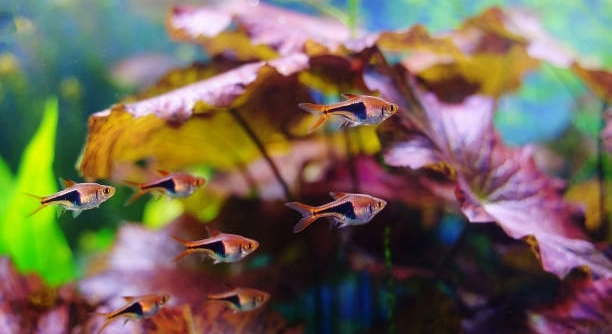
Rasboras are small, colorful freshwater fish popular among aquarium enthusiasts. They offer variety and charm that can brighten any tank. Exploring different rasbora types is an enjoyable way to expand your aquatic collection.
The seven cool rasbora varieties highlighted in this article represent a diverse range of colors, sizes, and patterns. Each species has unique care requirements and behaviors, making them suitable for different aquarium setups and hobbyist preferences.
Learning about these distinct rasbora types can enhance your knowledge and appreciation of freshwater fishkeeping. This guide will help you discover varieties worth considering for your aquarium.
Harlequin Rasbora
The Harlequin Rasbora is one of the most popular and recognizable rasbora species. It has a distinct black triangular patch on its body, contrasted against a shiny orange-red hue. These fish are peaceful and do well in community tanks. They prefer slightly acidic to neutral water conditions and thrive in well-planted tanks with moderate lighting. Their size is modest, usually around 2 inches, making them suitable for smaller aquariums. They are schooling fish, so keeping them in groups of six or more helps reduce stress and brings out their natural behavior. Their diet is simple, as they accept flakes, pellets, and live foods. Because of their active swimming and vibrant colors, Harlequin Rasboras add a lively touch to any aquarium.
Harlequin Rasboras require stable water conditions and plenty of swimming space. Group size greatly affects their wellbeing.
Maintaining a group of Harlequin Rasboras ensures a dynamic display. Their hardy nature and adaptability make them excellent choices for both beginner and experienced keepers alike.
Lambchop Rasbora
Lambchop Rasboras are smaller and less common but equally fascinating. They feature a unique, broad black band across their body resembling a lambchop, which makes them stand out among other rasboras.
This species prefers cooler water temperatures compared to other rasboras and needs clean, well-oxygenated water. They thrive in tanks with subdued lighting and dense plants that provide hiding places. Lambchop Rasboras can be shy, so a calm tank environment is essential. They are omnivores and enjoy a diet of small live or frozen foods, supplemented with high-quality flakes. Their schooling behavior is subtle but noticeable, and they do best in groups of at least five. Lambchop Rasboras are an excellent choice for those looking to diversify their aquarium with less common species while maintaining peaceful community tank dynamics.
Glowlight Rasbora
Glowlight Rasboras are small, slender fish with a striking orange stripe running along their body. They are peaceful and active swimmers, making them a lively addition to community tanks.
These rasboras prefer slightly acidic to neutral water with temperatures between 72-79°F. They thrive in well-planted tanks that mimic their natural habitat. Glowlight Rasboras are schooling fish, so keeping at least six together helps reduce stress and encourages natural behavior. Their diet is simple, as they accept flakes, micro pellets, and small live or frozen foods. Because of their gentle nature and bright coloration, they pair well with other peaceful species and bring a warm glow to aquarium settings.
Glowlight Rasboras do best when provided with plenty of swimming space and a calm environment. Maintaining good water quality is essential for their health and vibrant color. They can live happily for several years when their needs are met.
Chili Rasbora
Chili Rasboras are tiny, measuring less than an inch, but their vibrant red color makes them stand out. They are shy and require calm tank conditions.
This species demands stable water parameters and slightly acidic, soft water. They thrive in heavily planted tanks with subdued lighting, which helps them feel secure. Because of their size and temperament, Chili Rasboras do best in species-only tanks or with very small, peaceful tank mates. They feed mainly on tiny live foods like microworms or daphnia but will accept high-quality micro-pellets as well. Their schooling nature means they should be kept in groups of eight or more to display their best colors and behavior. Patience is key when keeping Chili Rasboras, as they can be sensitive but rewarding to care for.
Celestial Pearl Rasbora
Celestial Pearl Rasboras are small, about an inch long, with shimmering blue spots and red fins. Their delicate appearance makes them a standout in peaceful tanks.
They need very clean, soft, and slightly acidic water. A planted tank with hiding spots helps reduce their shy nature and keeps them comfortable.
Espei Rasbora
Espei Rasboras show off a shiny, metallic body with a sharp black horizontal stripe. They are active swimmers and peaceful, making them suitable for community tanks. Their care requirements include stable water conditions, neutral pH, and moderate lighting. Espei Rasboras do best in groups of six or more, as they rely on schooling behavior to feel secure and exhibit natural activity levels. Their diet should include a variety of flakes, pellets, and occasional live or frozen foods to maintain vibrant colors. This species adapts well to different tank setups but prefers planted environments with open swimming areas.
Lambchop Rasbora (additional care notes)
Lambchop Rasboras benefit from regular water changes and consistent feeding. Avoid strong currents to keep them calm.
FAQ
What water conditions do rasboras generally prefer?
Most rasboras thrive in slightly acidic to neutral water, with a pH between 6.0 and 7.5. They prefer soft to moderately hard water and stable temperatures ranging from 72°F to 79°F. It’s important to maintain good water quality through regular changes to keep them healthy and active.
How many rasboras should be kept together?
Rasboras are schooling fish and feel more comfortable in groups. Keeping at least six of the same species is ideal. Larger groups help reduce stress and bring out their natural behaviors, making the tank more lively and balanced.
Are rasboras suitable for beginners?
Many rasbora species, like the Harlequin Rasbora, are quite hardy and suitable for beginners. However, some, such as the Chili Rasbora and Lambchop Rasbora, require more precise water conditions and a peaceful environment, so they may be better for hobbyists with some experience.
What do rasboras eat?
Rasboras are omnivores. They eat a variety of foods, including high-quality flakes, pellets, and live or frozen options like daphnia, brine shrimp, and microworms. Offering a balanced diet ensures their health and vibrant coloration.
Can rasboras live with other fish?
Yes, rasboras are peaceful and generally get along well with other non-aggressive fish of similar size. Ideal tank mates include small tetras, Corydoras catfish, and peaceful rasboras. Avoid housing them with large or aggressive species that may bully or eat them.
What size tank is best for rasboras?
A tank of at least 10 gallons is recommended for small groups of rasboras. Larger tanks allow for bigger schools and provide ample swimming space. Well-planted tanks with open areas help simulate their natural environment and keep them comfortable.
Do rasboras require special tank setups?
While rasboras are adaptable, they thrive best in tanks with plenty of plants, moderate lighting, and hiding spots. Plants help mimic their natural habitat and provide shelter, reducing stress. Gentle filtration and a calm water flow are preferred.
How can I encourage rasboras to breed?
To encourage breeding, provide soft, slightly acidic water with temperatures on the higher end of their range. A well-planted tank with fine-leaved plants or spawning mops offers places for eggs. Feeding live foods and maintaining pristine water conditions improves chances of successful breeding.
Are rasboras prone to diseases?
Rasboras are generally healthy if kept in good conditions. Stress from poor water quality, overcrowding, or aggressive tank mates can lead to illness. Common diseases include ich and fin rot, which are preventable with proper care and quarantine of new fish.
How long do rasboras typically live?
Most rasboras live between 3 to 5 years with proper care. Some species may live longer if their environment is well-maintained, diet is balanced, and stress is minimized. Regular monitoring helps catch issues early to extend their lifespan.
Final Thoughts
Rasboras offer a variety of choices for anyone interested in freshwater fish. Their different colors, sizes, and behaviors make them appealing for many aquarium setups. Whether you prefer the popular Harlequin Rasbora or the smaller Chili Rasbora, each species brings its own unique charm. These fish generally have simple care needs, but paying attention to water conditions and keeping them in groups is important for their wellbeing. Their peaceful nature allows them to coexist with other calm fish, adding movement and color to the tank.
Caring for rasboras is straightforward if basic requirements are met. Clean water, stable temperature, and appropriate tank mates create a healthy environment for them to thrive. A planted tank with hiding spots helps reduce stress and encourages natural behaviors. Their diet is flexible, including flakes, pellets, and live or frozen foods. This makes feeding easier compared to some more demanding species. Watching rasboras swim together in a group can be rewarding, as their schooling behavior brings life and energy to the aquarium.
Choosing the right rasbora depends on your tank size and experience level. Some species, like the Glowlight and Espei Rasboras, are hardy and adapt well to community tanks. Others, such as the Lambchop and Chili Rasboras, need more specific conditions and care. Understanding their individual needs ensures a better experience for both the fish and the keeper. By selecting varieties suited to your aquarium and lifestyle, you can enjoy the beauty and calm presence rasboras bring without extra challenges. Overall, rasboras remain a great choice for those seeking colorful, peaceful fish that brighten freshwater tanks.

Hello,
If you enjoy the content that we create, please consider saying a "Thank You!" by leaving a tip.
Every little bit helps us continue crafting quality advice that supports the health, happiness, and well-being of pets around the world, for pets of all shapes, sizes, and species.
We really appreciate the kindness and support that you show us!