
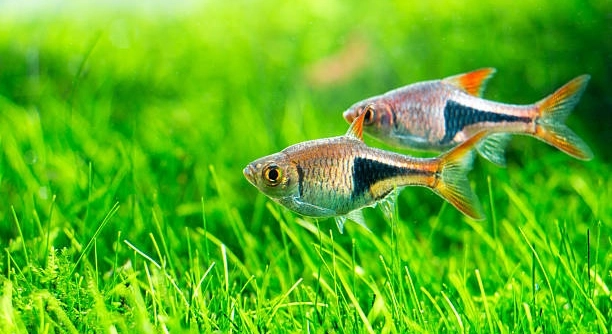
Rasboras are small, colorful fish that add life to any aquarium. Aquascaping with rasboras can create a peaceful and beautiful underwater scene. Choosing the right design enhances both the fish and the plants in the tank.
The key to successful aquascaping for rasboras lies in balancing plant placement, open swimming areas, and suitable decorations. These elements support their natural behavior and ensure a healthy, visually appealing environment.
Exploring different aquascape styles can help you find the perfect setup for your rasboras’ needs and personality.
Natural Riverbed Layout
Creating a natural riverbed look in your aquarium mimics the rasboras’ original habitat. Use smooth stones of various sizes and fine sand to replicate the riverbed texture. Place stones unevenly to create small hiding spots and visual interest. Add some hardy plants like Java fern or Anubias attached to the rocks or driftwood to keep the setup low maintenance. This layout encourages rasboras to swim freely while offering shelter and places to explore. The gentle flow of water should be maintained with a suitable filter, as rasboras enjoy moderate currents. Lighting should be soft to avoid stressing the fish but bright enough for plants to thrive. Maintaining a clean substrate helps prevent algae growth and keeps the water clear. This style balances aesthetics with the practical needs of your rasboras, creating a calming environment for both the fish and the observer.
Smooth stones and soft sand work best to recreate the natural riverbed feel for rasboras.
Setting up this layout requires patience but rewards with a peaceful and realistic aquarium environment. Adding a few floating plants on top can soften the light further and make the tank feel more enclosed and secure for your fish. The subtle current and textured substrate allow rasboras to exhibit natural schooling and foraging behaviors. Regular water changes and substrate cleaning help maintain water quality. This design is ideal if you want an aquarium that is both attractive and comfortable for your rasboras without demanding high maintenance.
Minimalist Style
Minimalism focuses on simplicity and clean lines, perfect for small tanks.
This style uses fewer plants and decorations, emphasizing open swimming space for rasboras. Choose a fine gravel or dark sand substrate to highlight the fish colors. A couple of well-placed tall plants like Vallisneria or Cryptocoryne provide vertical structure without overcrowding. The minimalist design is easy to maintain and keeps the tank looking tidy. It also reduces places for debris buildup, which is better for water quality. Lighting should be moderate to show off the rasboras’ vibrant hues without promoting excessive algae. This approach suits people who want a neat, modern aquarium that highlights their fish’s natural beauty with little fuss.
Jungle Style Aquascape
This style uses dense plant growth and natural driftwood to create a lush, wild feel. Rasboras enjoy swimming through the thick vegetation and hiding among the roots.
Dense planting with species like Amazon swords and hornwort offers plenty of shelter and foraging areas. Driftwood adds structure and mimics natural branches found in their native streams. Using a darker substrate enhances the jungle effect and supports plant growth. Lighting should be moderate to strong to encourage healthy plants but balanced to avoid stressing the fish. This environment helps rasboras feel secure and stimulates natural behaviors like schooling and exploring.
Maintaining a jungle-style tank means regular trimming to prevent overgrowth and ensuring good water circulation. The plants provide natural filtration, but water changes remain essential. The complexity of this setup adds visual depth and creates a peaceful, natural habitat for rasboras to thrive.
Zen Garden Layout
A Zen garden style aquascape focuses on simplicity and balance with few plants, smooth stones, and clean lines.
Using carefully placed stones and minimal greenery creates a calming, meditative feel in the aquarium. This layout highlights open swimming space, perfect for rasboras to move freely. Plants like moss or small Anubias add subtle touches of green without overwhelming the tank. The simplicity reduces maintenance and keeps the aquarium looking elegant. Lighting should be soft to maintain the peaceful atmosphere and support plant health. This setup suits those who want a visually clean tank that still provides comfort for their rasboras.
Water flow is gentle, and substrate is usually fine sand or dark gravel to contrast the stones and plants. Regular cleaning and water changes keep the Zen garden pristine, supporting both fish and plant health. This style offers a perfect balance between aesthetics and practicality, promoting relaxation through its minimalist approach.
Biotope Inspired Design
This design replicates the natural habitat of rasboras using native plants, substrate, and decorations. It helps the fish feel comfortable and behave naturally.
Choosing authentic elements like leaf litter, soft sand, and slow-growing plants improves water quality and mimics their environment.
Floating Plants Addition
Adding floating plants provides shade and reduces light intensity. This benefits rasboras by creating a more secure and natural atmosphere. Floating plants also help absorb excess nutrients, improving water clarity. Popular choices include duckweed, water lettuce, or frogbit, which are easy to care for and spread gently across the surface.
Driftwood and Moss Combo
Driftwood paired with moss creates natural hiding spots and adds texture to the tank. Moss like Java moss attaches easily and grows well on driftwood, offering shelter for baby rasboras and improving the tank’s aesthetics. This combination is low maintenance and enhances the natural look.
FAQ
What type of substrate is best for rasbora aquascapes?
Rasboras do well with fine sand or smooth gravel substrates. These mimic their natural riverbeds and are gentle on their delicate fins. A lighter or neutral color helps plants stand out and keeps the tank looking clean. Avoid sharp or rough substrates that can harm your fish. Substrate choice also affects plant growth, so pick one that suits your selected plants.
How many plants should I include in a rasbora tank?
Rasboras enjoy having plenty of plants for shelter and exploration but also need open swimming space. Aim for a balance: about 50 to 70 percent of the tank covered with plants works well. Tall background plants, mid-level bushy plants, and some floating plants can provide a layered effect that feels natural.
Can I keep other fish with rasboras in the same aquascape?
Yes, rasboras are peaceful and get along well with other small, calm fish. Avoid aggressive or large species that might stress or eat them. Good tank mates include small tetras, danios, and peaceful bottom dwellers like Corydoras catfish. Always consider water parameter compatibility when selecting companions.
How often should I trim plants in my rasbora tank?
Regular trimming keeps plants healthy and prevents overcrowding. In fast-growing setups, trimming every two to three weeks is typical. Remove dead or decaying leaves promptly to maintain water quality. Trimming also helps maintain open swimming areas, which rasboras need.
Is CO2 injection necessary for a planted rasbora aquarium?
CO2 injection is not always required but can benefit plant growth in densely planted tanks or those with demanding species. For low-tech setups with hardy plants like Java fern or Anubias, CO2 is optional. If you want lush, fast growth, adding CO2 can improve plant health and overall tank appearance.
What lighting is best for rasbora aquascapes?
Moderate lighting suits both rasboras and most aquarium plants. Too bright light can stress the fish and encourage algae growth. Use adjustable LED lights to control intensity. Adding floating plants helps diffuse light and provides shaded areas, which rasboras appreciate.
How do I maintain water quality in a planted rasbora tank?
Regular water changes, around 25% weekly, help maintain stable water conditions. Use a gentle filter that provides good circulation without strong currents. Avoid overfeeding, which can pollute the water. Healthy plants also aid in filtering by absorbing nitrates and other waste products.
Can I use artificial decorations in a rasbora aquascape?
While natural elements are preferred, some artificial decorations can work if they don’t have sharp edges or toxic materials. Smooth, inert items can add visual interest but should not overcrowd the tank. Natural decorations usually promote better fish health and look more authentic.
What water parameters do rasboras prefer?
Rasboras thrive in soft to moderately hard water with a pH between 6.0 and 7.5. Temperatures from 72°F to 79°F (22°C to 26°C) are ideal. Keeping stable water parameters helps reduce stress and supports healthy behavior and coloration.
How do I encourage rasboras to school and show their best colors?
Keep them in groups of at least six, as rasboras are schooling fish. Providing plenty of plants and open swimming spaces makes them feel safe and comfortable, which encourages natural schooling behavior. A well-planted, calm tank helps bring out their vibrant colors and active movement.
Creating a beautiful aquascape for rasboras is about finding the right balance between their needs and the design you want. These small fish thrive in environments that offer both open swimming areas and plenty of plants or hiding spots. Choosing natural materials like smooth stones, driftwood, and live plants helps create a healthy and comfortable habitat. Keeping the tank clean and maintaining stable water conditions also supports the well-being of your rasboras. It is important to remember that the setup should be practical as well as visually pleasing, so it is easier to care for the fish and plants over time.
Each aquascape style offers something unique for rasboras. Whether you prefer the dense greenery of a jungle-style layout, the clean simplicity of a minimalist tank, or the calm atmosphere of a Zen garden, rasboras adapt well as long as their basic needs are met. Floating plants can add shade and improve water quality, while carefully chosen substrate and decorations help mimic their natural environment. Regular maintenance, like trimming plants and changing water, keeps the aquarium healthy and attractive. This way, the rasboras can display their natural behavior and colors, making your tank more enjoyable to watch.
It’s important to plan your aquascape with the rasboras in mind, considering their size, temperament, and natural habitat. Keeping a group of rasboras encourages schooling and adds movement to the tank, enhancing the overall appearance. Lighting and water flow should be gentle to avoid stressing the fish but enough to support plant growth. Taking the time to set up and maintain the right environment will pay off with a vibrant, balanced aquarium that benefits both the fish and the plants. A thoughtful aquascape not only creates a beautiful display but also provides a peaceful space where your rasboras can thrive.

Hello,
If you enjoy the content that we create, please consider saying a "Thank You!" by leaving a tip.
Every little bit helps us continue crafting quality advice that supports the health, happiness, and well-being of pets around the world, for pets of all shapes, sizes, and species.
We really appreciate the kindness and support that you show us!