
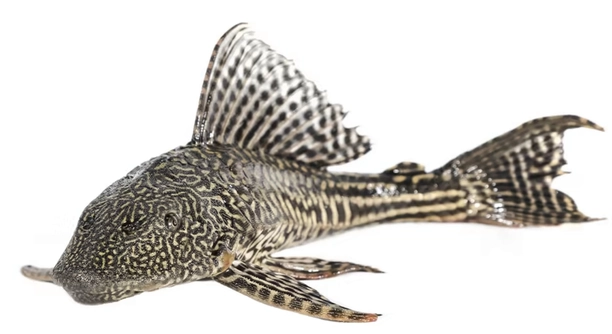
Do you ever find yourself worried about the health of your pleco’s fins, especially when they start to look frayed or damaged?
Fin damage in plecos is often caused by poor water quality, aggressive tank mates, improper diet, infections, sharp decorations, stress, or inadequate tank space. Addressing these conditions is key to preventing further harm.
By identifying these common causes, you can make small but important changes to improve your pleco’s overall health and well-being.
Poor Water Quality
Water quality is one of the most important factors in keeping plecos healthy. Dirty or unbalanced water can cause stress and lead to fin damage over time. High levels of ammonia, nitrites, or nitrates can burn delicate fin tissue, making the fish more vulnerable to infections. Regular water changes and testing are essential to keep levels safe. Plecos also produce a lot of waste, which makes good filtration even more important. Overfeeding can add to the problem, as uneaten food breaks down and pollutes the water. Keep your tank clean, use a reliable filter, and avoid overcrowding. Adding live plants can help improve water conditions by absorbing waste. Make sure to vacuum the substrate during cleanings to remove hidden debris. If your pleco’s fins appear ragged or dull, checking water parameters should be your first step. Fixing water issues early can prevent more serious health problems from developing.
Check water parameters weekly and change 25–30% of the water regularly to keep things balanced and safe.
Improving water quality doesn’t need to be complicated. Using a good test kit, watching your feeding habits, and cleaning the tank regularly can go a long way. Clean water supports healing and helps prevent fin damage from getting worse.
Aggressive Tank Mates
Plecos are usually peaceful, but they can suffer if kept with aggressive or territorial fish.
Fins are a common target during fights or bullying. Some fish may nip at them out of curiosity or dominance, especially if the tank is too small. Plecos are bottom dwellers and tend to keep to themselves, so when housed with fish that patrol all levels of the tank, they may be seen as intruders. Stress from repeated attacks or threats can weaken the immune system, making the pleco more likely to develop fin rot or other infections. It’s important to research compatibility before adding new fish. Giving your pleco places to hide, like caves or driftwood, offers protection and helps reduce stress. Observe behavior closely when introducing new tank mates. Signs like hiding all the time or tattered fins can be red flags. Sometimes, rehoming the aggressive fish or upgrading to a larger tank with more space can solve the issue.
Improper Diet
A poor diet can weaken your pleco’s fins over time. Without the right nutrients, fin tissue doesn’t grow properly and becomes more prone to damage. Feeding only one type of food can also lead to deficiencies.
Plecos need a balanced diet that includes both plant-based and protein-rich foods. While they are often labeled as algae eaters, algae alone isn’t enough to keep them healthy. Offer a mix of sinking pellets, fresh vegetables like zucchini or cucumber, and the occasional protein like bloodworms or shrimp. Too much protein, though, can cause digestive issues, so moderation is key. Rotating food types a few times a week helps ensure they get everything they need. If your pleco’s fins look thin or torn, a better diet may help them heal faster and stay stronger. Watch how much food they actually eat, and remove any leftovers to keep the water clean.
Overfeeding can lead to poor water conditions, which causes stress and worsens fin damage. Feeding small portions once or twice daily is usually enough. Don’t rely solely on algae wafers or leftover scraps from other fish. Plecos need a diet tailored to their species and size. Adding fresh veggies and keeping a feeding routine can really make a difference.
Infections and Parasites
Fin infections in plecos often start with small tears that become worse over time. Bacteria and parasites can enter through damaged tissue, causing redness, fraying, or white edges. These infections can quickly spread if not treated early.
One common issue is fin rot, which often develops in tanks with poor water conditions. It can be bacterial or fungal and leads to the gradual breakdown of fin tissue. Parasites like ich can also irritate the skin and fins, causing the fish to scratch or rub against objects. This behavior leads to more tears and opens the door for more infections. Isolate any sick plecos and start treatment quickly using aquarium salt, medications, or natural remedies depending on the cause. Keep the tank clean and reduce stress during recovery. Feeding nutrient-rich foods can help the fins regrow. Always finish the full course of treatment, even if the fins begin to look better early on.
Sharp Decorations
Decorations with rough edges can easily tear pleco fins. These fish like to rest on driftwood, rocks, or in caves, so anything sharp in their environment can cause small cuts that worsen with movement.
Use smooth, rounded items only. Sand down sharp edges if needed, and avoid decorations made from low-quality materials that can splinter or crack over time.
Inadequate Tank Space
Plecos need enough space to swim, graze, and hide without stress. In tanks that are too small, they may scrape against surfaces or fight for territory, leading to damaged fins. A cramped tank also leads to faster waste buildup, poor water quality, and higher stress levels. Most plecos need at least a 30-gallon tank, with larger species needing even more. Always research your pleco’s adult size before choosing a tank. Give them enough room to move freely, and include hiding spots spread across the tank. A well-planned layout can reduce injury risks and help your pleco stay calm and healthy.
Stress
Chronic stress weakens a pleco’s immune system and slows healing. Constant hiding, lack of rest, or frequent disturbances can lead to fin damage over time. A peaceful tank setup with proper care routines helps keep stress low.
FAQ
How can I tell if my pleco has fin damage?
Fin damage in plecos usually looks like frayed, torn, or ragged fin edges. In some cases, the fins may appear shorter than usual or develop a white or red edge, depending on whether an infection is present. You might also notice the pleco hiding more, moving less, or acting stressed. Torn fins don’t grow back overnight, but with proper care, healing is possible. Compare the appearance of your pleco’s fins regularly so you can spot any changes early. If the damage gets worse over time, it’s best to check for other issues in the tank.
Can pleco fins grow back after being damaged?
Yes, pleco fins can grow back if the damage is not too severe and the root of the problem is addressed. Clean water, a stress-free environment, and a balanced diet are key to healing. The regrowth may take several weeks or more, and it often starts with a thin, clear membrane at the fin’s edge. If the fish continues to face poor conditions, the healing will be slower or may stop altogether. Make sure to fix whatever caused the fin damage in the first place to give your pleco the best chance at recovery.
What should I feed my pleco to help with fin healing?
Offer a variety of foods to boost their recovery. Plecos benefit from fresh vegetables like zucchini, cucumber, and spinach. Supplement with algae wafers and sinking pellets designed for bottom feeders. Add some occasional protein like bloodworms or shrimp, but avoid giving it too often. A good mix of food helps support the immune system, which is important during healing. Rotate food items throughout the week to make sure they’re getting enough nutrients. Feeding smaller, more frequent portions is better than one large feeding, and always remove uneaten food to keep the water clean.
How often should I change the water in my pleco’s tank?
Change 25–30% of the water once a week to keep things clean and safe. If you have a larger pleco or more than one fish, you may need to do it more often. Use a water test kit to check ammonia, nitrite, nitrate, and pH levels. Even if the tank looks clean, toxins can build up quickly. Clean water helps reduce stress and prevents bacteria from infecting damaged fins. Make sure the new water is treated and close to the same temperature as the tank water to avoid shock. Always clean filters regularly as well.
Can tank mates cause fin damage even if they’re not aggressive?
Yes, even peaceful fish can sometimes cause fin damage by chasing or accidentally nipping at your pleco. Fast-swimming fish may stress out a pleco that just wants to rest or hide. Overcrowding makes it worse, as fish compete for space. Some tank mates may also try to eat the same food, leading to competition and nips during feeding time. Watch how your pleco interacts with others in the tank, especially after adding new fish. If the fins look more torn after new additions, you may need to rearrange or remove some fish to restore peace.
Should I treat fin damage with medication right away?
Only use medication if you’re sure there’s an infection or parasite involved. Mild fin damage usually heals on its own with better water quality and food. Adding aquarium salt can sometimes help, but always follow dosage instructions carefully. If you see signs like white fuzz, redness, or fin loss that’s spreading, it’s time to use an antibacterial or antifungal treatment. Always treat in a separate tank if possible to avoid affecting other fish or the tank’s balance. Don’t over-medicate—too much can do more harm than good, especially to sensitive fish like plecos.
Final Thoughts
Taking care of a pleco may seem easy at first, but there are many small details that make a big difference. Fin damage is one of those things that can sneak up on you if you’re not paying close attention. It often starts with something simple—like a missed water change or a sharp decoration—and then turns into something more serious. The good news is that most causes of fin damage can be fixed with a few small changes. Clean water, the right food, and a calm tank go a long way. It’s not about doing everything perfectly, but about staying consistent and checking on things before they become problems.
Every pleco is different, and some may be more sensitive than others. A larger pleco in a small tank may get stressed faster. A young pleco might not handle certain tank mates well. That’s why it helps to learn about your specific pleco species, including its size, needs, and behavior. Observing your fish regularly will help you notice things early, like torn fins, slow movement, or hiding more than usual. These signs usually mean something isn’t right. Sometimes it’s easy to fix, like adjusting the diet or moving a tank decoration. Other times, it may take more effort. But with patience and care, most plecos can heal and stay healthy.
Owning a pleco is more than just feeding it and watching it eat algae. They are unique fish that need stable conditions to thrive. Fin damage can affect their comfort, movement, and long-term health if it’s ignored. But by understanding the common causes—like poor water quality, aggressive tank mates, and diet issues—you can prevent a lot of stress and harm. Keep things simple: test your water often, don’t overcrowd the tank, offer a varied diet, and give your pleco places to rest. Small efforts like these add up. Whether you’re new to keeping plecos or have had them for a while, paying attention to the basics helps them live longer, healthier lives.

Hello,
If you enjoy the content that we create, please consider saying a "Thank You!" by leaving a tip.
Every little bit helps us continue crafting quality advice that supports the health, happiness, and well-being of pets around the world, for pets of all shapes, sizes, and species.
We really appreciate the kindness and support that you show us!