
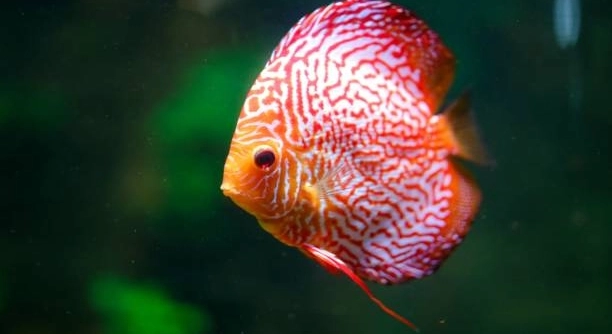
Discus fish are known for their vibrant colors and graceful swimming. Many aquarists enjoy keeping them, but maintaining calm behavior can be a challenge. Understanding what helps them stay calm is important for a peaceful aquarium.
Seven key conditions contribute to long-term calmness in discus fish: stable water parameters, proper tank size, minimal stressors, balanced diet, consistent lighting, suitable tank mates, and regular maintenance. Together, these factors create an environment that supports their well-being and reduces stress.
Knowing these conditions can improve the overall health and behavior of your discus, creating a more enjoyable experience for both you and your fish.
Stable Water Parameters
Maintaining stable water parameters is crucial for keeping discus calm over time. These fish are sensitive to changes in temperature, pH, and water hardness. Ideally, the water temperature should stay between 82°F and 86°F, while the pH should be slightly acidic, around 6.0 to 7.0. Sudden fluctuations in these factors cause stress, which leads to restless behavior. Consistent water quality also means keeping ammonia, nitrite, and nitrate levels as close to zero as possible. Frequent water testing and regular partial water changes help achieve this balance. It may seem like extra work, but stable water conditions create a comfortable and safe environment for discus to thrive.
Stable water parameters help discus stay relaxed and healthy. Keeping the temperature, pH, and chemical levels steady avoids stress and agitation.
Many fishkeepers overlook how sensitive discus are to water changes. Even small shifts can make them uneasy or sick. Using a reliable test kit allows you to monitor parameters easily. Water changes should replace about 20% to 30% of the tank volume weekly, which refreshes the environment without shocking the fish. Avoid sudden temperature swings by using a quality heater and keeping the tank away from drafts or direct sunlight. Additionally, removing uneaten food and debris prevents harmful buildup. These steps support a peaceful tank where discus feel secure and calm, making their colors brighter and their behavior more predictable.
Proper Tank Size and Setup
Discus need enough space to swim comfortably and establish their territory. A tank size of at least 50 gallons is recommended for a small group. Overcrowding leads to stress and aggression, which disrupts their calm nature.
A well-planned tank setup promotes tranquility. Provide hiding spots with plants or driftwood and maintain gentle water flow to mimic their natural habitat.
Minimal Stressors
Stressful situations cause discus to become restless and unhealthy. Avoid sudden loud noises, rapid movements near the tank, and constant disruptions around the aquarium.
Reducing stress means controlling the environment. Keep the tank in a quiet area, away from heavy foot traffic or household noise. Avoid tapping on the glass or sudden light changes. Consistent feeding times also help discus feel secure and less anxious. Providing a stable routine minimizes stress and promotes calm behavior.
It’s important to watch for signs of stress like hiding or erratic swimming. Removing any aggressive tank mates and ensuring water quality are also key. A peaceful atmosphere supports discus wellbeing over the long term.
Balanced Diet
A balanced diet keeps discus healthy and calm. Feeding a variety of high-quality foods ensures they get necessary nutrients and stay satisfied.
Include a mix of pellets, frozen foods like bloodworms or brine shrimp, and occasional fresh vegetables. Avoid overfeeding, which can pollute the water and cause stress. Feed small amounts two to three times daily, allowing discus to eat within a few minutes. This routine supports digestion and energy levels. Proper nutrition helps maintain their vibrant colors and calm demeanor, making them more enjoyable to keep.
Consistent Lighting
Discus prefer a regular light schedule that mimics natural day and night cycles. Too much light or sudden changes can cause stress.
Using a timer to provide about 10 to 12 hours of light daily helps maintain a calm environment and supports healthy behavior.
Suitable Tank Mates
Choosing the right tank mates is essential for discus peace. Avoid aggressive or overly active fish that disturb them.
Ideal companions are peaceful species that share similar water needs, like tetras or corydoras catfish. They help keep the tank lively without causing stress.
Regular Maintenance
Keeping the tank clean and well-maintained supports discus health. Regularly remove waste and check equipment to ensure everything works properly.
How often should I test the water for my discus tank?
Testing the water once a week is usually enough if the tank is well established and stable. Key parameters to monitor include temperature, pH, ammonia, nitrite, and nitrate. If any levels are off, more frequent testing is recommended until the problem is resolved. Regular checks help catch issues early and keep discus calm by maintaining ideal water conditions.
What is the best way to introduce new discus to an existing tank?
Acclimate new discus slowly by floating their bag in the tank for about 20-30 minutes to match temperatures. Then gradually mix tank water into the bag over an hour. This reduces shock from sudden changes. Avoid adding too many new fish at once to prevent stress and aggression. Monitor their behavior closely for signs of distress or illness during the first week.
Can discus tolerate other fish species in their tank?
Discus can live peacefully with certain calm species that have similar water needs. Ideal tank mates include small tetras, corydoras catfish, and some dwarf cichlids. Avoid aggressive or fast-moving fish that might harass discus. Compatibility is key to keeping discus stress-free and calm in a community setup.
How important is diet variety for discus health?
A varied diet is very important for discus health and calm behavior. Feeding only one type of food can lead to nutritional gaps and weaken their immune system. Offering pellets, frozen foods like bloodworms, and occasional fresh veggies ensures balanced nutrition. This variety keeps discus energetic and reduces stress-related issues.
What are common signs of stress in discus fish?
Signs of stress include hiding excessively, loss of appetite, faded colors, rapid breathing, and erratic swimming. Discus may also cling to one spot or stay at the bottom of the tank. These behaviors indicate environmental problems or health issues that need prompt attention to prevent long-term harm.
How can I prevent diseases in my discus tank?
Prevent diseases by maintaining excellent water quality and a clean tank. Quarantine new fish before adding them to the main tank to avoid introducing infections. Avoid overcrowding and provide a balanced diet to support immunity. Watch for early signs of illness and act quickly with treatment if needed.
Is it necessary to have a heater and filter running 24/7 for discus?
Yes, discus need stable conditions, so keeping a heater and filter running continuously is important. The heater maintains consistent temperature, while the filter keeps water clean and oxygenated. Turning these off can cause sudden changes that stress discus and harm their health.
How much space does each discus need in a tank?
Each discus needs about 10 gallons of water for proper swimming space and territory. Overcrowding causes stress and aggressive behavior. For a group of five discus, a minimum 50-gallon tank is recommended. Providing enough room supports calm and natural behavior.
What is the best way to perform water changes for discus tanks?
Perform weekly water changes of about 20% to 30% of the tank volume. Use dechlorinated water matched to the tank’s temperature and pH. Avoid sudden large water changes, which can shock discus. Consistent partial changes keep the environment stable and support their long-term calmness.
Can lighting affect discus behavior?
Yes, lighting affects discus behavior and stress levels. Too much or irregular lighting can cause anxiety and disrupt their natural cycles. Using a timer to provide 10 to 12 hours of gentle light daily helps maintain their calm and encourages healthy activity patterns.
Keeping discus calm long-term requires careful attention to several key conditions. Stable water parameters, including consistent temperature and pH, create a comfortable environment for these sensitive fish. Sudden changes can cause stress, so regular testing and gradual adjustments are important. A clean tank with regular maintenance also helps maintain water quality, preventing harmful substances from building up and disturbing your discus.
Proper tank size and a peaceful setup contribute significantly to their calm behavior. Overcrowding can lead to aggression and stress, so providing enough space for each discus is essential. Including hiding spots with plants or decorations offers a sense of security, which helps reduce anxiety. Choosing suitable tank mates that are gentle and compatible with discus also supports a peaceful community, allowing your fish to thrive without constant disturbances.
Feeding a balanced diet and maintaining consistent lighting cycles further promote calmness. A variety of quality foods ensures discus get the nutrients they need for good health and energy. Overfeeding should be avoided, as it can pollute the water and stress the fish. Consistent lighting helps regulate their natural rhythms, while avoiding sudden changes or too much brightness prevents stress. By following these conditions, you create a stable and healthy home where discus can stay calm and display their best colors for years to come.

Hello,
If you enjoy the content that we create, please consider saying a "Thank You!" by leaving a tip.
Every little bit helps us continue crafting quality advice that supports the health, happiness, and well-being of pets around the world, for pets of all shapes, sizes, and species.
We really appreciate the kindness and support that you show us!