
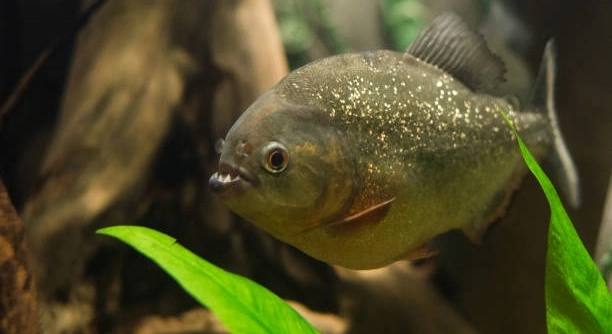
Piranhas are known for their sharp senses and quick reactions in the water. Their alertness plays a crucial role in survival, feeding, and social behavior. Several environmental and biological conditions can influence how alert these fish remain in their habitat.
Piranha alertness is affected by factors such as water temperature, oxygen levels, light conditions, presence of predators, availability of food, social interactions, and overall health status. These conditions collectively impact their sensory responses and activity levels.
Understanding these conditions can improve knowledge about piranha behavior and their adaptation strategies in different environments. This insight is essential for both researchers and enthusiasts observing these fascinating fish.
Water Temperature and Piranha Alertness
Water temperature greatly affects piranha alertness. Warmer water increases their metabolism, making them more active and responsive. Conversely, colder water slows their reactions and can reduce their willingness to hunt or defend territory. In tropical habitats, slight changes in temperature can cause noticeable shifts in behavior. When the temperature drops too low, piranhas become sluggish, limiting their ability to react quickly to threats or prey.
Temperature also influences oxygen availability in water. Warmer water holds less oxygen, which can affect piranha stamina. These fish rely on quick bursts of energy for survival, so any factor that lowers oxygen can decrease their alertness. Maintaining stable water temperatures helps piranhas stay alert and active, supporting natural behavior patterns in both wild and captive environments.
Keeping aquarium water within the ideal temperature range ensures piranhas remain responsive. Temperature fluctuations should be minimized to avoid stress, which can further impair alertness and overall health.
Oxygen Levels and Alertness
Oxygen concentration in water is critical for piranha activity. Low oxygen levels reduce their energy and alertness significantly.
Oxygen supports cellular functions needed for movement and sensory processing. When oxygen is scarce, piranhas slow down and become less responsive to environmental cues. This can affect feeding efficiency and increase vulnerability to predators. Aquatic systems with adequate oxygen promote higher alertness and activity levels.
In natural settings, oxygen varies with water flow and temperature. Stagnant or warm waters often have lower oxygen, causing lethargy in piranhas. In captivity, aeration systems help maintain oxygen levels, keeping fish healthy and alert. Monitoring dissolved oxygen is essential for managing piranha behavior and welfare effectively.
Light Conditions and Piranha Alertness
Light affects piranhas’ activity and alertness directly. They tend to be more active in dim or shaded environments. Bright light can stress them, reducing responsiveness.
Piranhas are adapted to murky river waters where light levels are low. Excessive brightness can overwhelm their senses, causing them to hide or become less aggressive. In dimmer settings, their hunting instincts and social behaviors are heightened, increasing alertness. Adjusting light intensity in captivity helps maintain natural behavior and reduces stress, supporting their well-being.
Light changes throughout the day also influence piranha activity. Dawn and dusk typically trigger higher alertness as these are prime feeding times. Sudden or harsh lighting disrupts this cycle, which can decrease their responsiveness. Consistent, moderate lighting encourages normal activity levels and helps piranhas stay alert and engaged.
Presence of Predators and Alertness
Piranhas increase their alertness when predators are nearby. This defensive behavior helps them detect danger and respond quickly.
In environments with frequent predator threats, piranhas develop heightened sensory awareness. They stay vigilant, often schooling tightly to reduce risk. This increased alertness helps them react faster to potential attacks. Predator presence also influences feeding and social habits, making piranhas more cautious and selective in their movements.
In captivity, introducing predator cues such as visual or chemical signals can stimulate natural alert behaviors. Without these stimuli, piranhas may become less active or bored. Simulating natural predator presence encourages a more dynamic and healthy environment, keeping their senses sharp. Awareness of surroundings remains critical for their survival instincts.
Availability of Food
Food availability directly impacts piranha alertness. When food is scarce, they become more vigilant and active to find meals.
In contrast, when food is abundant, piranhas may reduce their alertness since the need to search intensively decreases. Regular feeding supports balanced activity levels, avoiding stress or lethargy.
Social Interactions
Piranhas rely on social cues to maintain alertness. Group behaviors like schooling increase their awareness of surroundings and potential threats. Communication through movements and sounds helps synchronize their responses.
Overall Health Status
Poor health diminishes piranha alertness significantly. Illness or injury lowers energy and sensory responses. Healthy piranhas are more active and responsive.
Maintaining water quality, nutrition, and stress-free conditions supports their alertness and general well-being.
How does water temperature affect piranha alertness?
Water temperature controls metabolic rates in piranhas. Warmer water speeds up metabolism, making them more active and alert. Colder water slows their metabolism, reducing responsiveness and activity. Sudden changes in temperature can cause stress, which also lowers their alertness. Keeping a stable, appropriate temperature range helps maintain natural behavior and sharp reactions.
What role does oxygen play in their alertness?
Oxygen is essential for piranha energy and brain function. Low oxygen levels cause lethargy and slower reflexes. In natural habitats, oxygen varies with water flow and temperature, affecting alertness. In captivity, proper aeration and regular monitoring of oxygen levels keep piranhas active and attentive.
Can lighting influence piranha behavior?
Yes. Piranhas prefer dimmer, shaded environments like their native rivers. Bright light can cause stress, reducing their alertness and causing them to hide. Gradual light changes aligned with natural day-night cycles help maintain normal activity and alertness.
Do piranhas become more alert in the presence of predators?
Piranhas naturally increase vigilance when predators are near. This heightened alertness aids in early detection of threats and faster escape responses. In groups, they rely on social cues to stay aware and coordinated, improving survival chances.
How does food availability impact their alertness?
When food is limited, piranhas become more alert and actively search for meals. When food is plentiful, their alertness may decrease because the need to hunt intensively lessens. Balanced feeding supports consistent energy and natural behaviors.
What effect do social interactions have on their alertness?
Piranhas use schooling and social behaviors to boost collective awareness. Group communication increases sensitivity to environmental changes, enhancing alertness and defensive actions. Social isolation may reduce their natural responsiveness and increase stress.
Can poor health reduce piranha alertness?
Illness and injury weaken piranhas, lowering energy and sensory sharpness. Stressful conditions and poor water quality worsen this effect. Maintaining good health through proper care helps preserve their natural alertness and activity.
How can aquarium conditions influence piranha alertness?
Aquarium setups that mimic natural habitats promote better alertness. Stable temperature, adequate oxygen, appropriate lighting, and social groups all contribute. Poor maintenance or stressful conditions lead to reduced activity and dull behavior.
Are there signs that a piranha’s alertness is declining?
Yes. Signs include lethargy, reduced feeding response, slow reactions to movement, and hiding excessively. These often indicate stress, illness, or poor environmental conditions needing correction.
What steps can improve piranha alertness in captivity?
Ensuring proper water temperature, oxygen levels, and lighting is vital. Feeding on a regular schedule with varied diets supports energy levels. Keeping social groups and minimizing stress through clean, stable environments also helps maintain natural alertness.
Understanding the factors that influence piranha alertness is important for maintaining their health and natural behavior. Alertness in piranhas depends on several environmental and biological conditions, such as water temperature, oxygen levels, light, presence of predators, availability of food, social interactions, and overall health. Each of these factors plays a role in how responsive and active these fish are in their habitats. When these conditions are stable and suitable, piranhas remain alert, showing natural behaviors that help them survive and thrive.
Maintaining ideal water temperature and oxygen levels is crucial, especially in captivity. Fluctuations can cause stress and reduce alertness. Light conditions also matter since piranhas prefer dim environments similar to their natural river habitats. Bright or harsh lighting can make them less active and more prone to hiding. The presence of predators or cues signaling danger naturally raises their vigilance. Similarly, food availability affects how alert and active they are—scarcity increases alertness, while plenty of food may lower it. Social interactions are another key element; piranhas tend to be more aware and responsive when they are part of a group. Lastly, good health supports sharp senses and energy, while illness or stress lowers alertness.
Careful attention to these factors improves the overall well-being of piranhas. For those keeping piranhas in aquariums, replicating natural conditions as closely as possible is essential. Proper care involves regular monitoring of water quality, temperature, oxygen, lighting, and social grouping. Addressing any signs of poor health or stress quickly can prevent long-term problems. Understanding what affects piranha alertness provides valuable insight for ensuring these fish remain active, healthy, and engaged with their surroundings. This knowledge benefits both their natural survival in the wild and their care in controlled environments.

Hello,
If you enjoy the content that we create, please consider saying a "Thank You!" by leaving a tip.
Every little bit helps us continue crafting quality advice that supports the health, happiness, and well-being of pets around the world, for pets of all shapes, sizes, and species.
We really appreciate the kindness and support that you show us!