
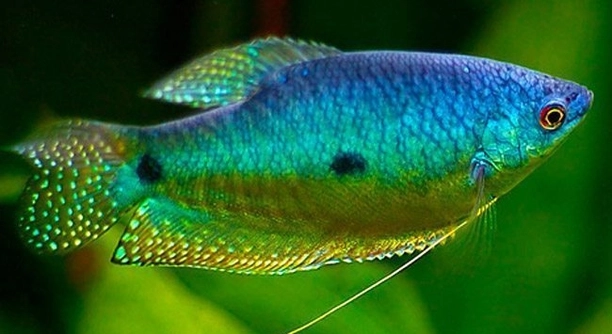
Gouramis are popular freshwater fish often kept in home aquariums. After a water change, their environment shifts, and they respond to specific water conditions to stay healthy and stress-free. Knowing these conditions helps ensure their well-being.
Gouramis prefer stable water parameters after a water change, including a temperature around 75–82°F, pH between 6.0 and 7.5, low ammonia and nitrate levels, gentle water flow, moderate hardness, and proper oxygenation to maintain comfort and health.
Understanding these factors will help you create a better environment for your gourami, improving their health and happiness after each water change.
Stable Temperature Is Key
Maintaining a stable temperature after a water change is very important for gouramis. These fish come from warm, tropical environments where the water temperature usually stays consistent. Sudden drops or rises in temperature can cause stress and make them more prone to illness. Ideally, the water should be kept between 75°F and 82°F. When doing a water change, it’s best to prepare new water that matches the tank’s temperature closely. Using a reliable heater can help keep the temperature steady throughout the tank. Avoid adding cold or hot water directly to prevent shocking the fish. Small temperature fluctuations can be tolerated but frequent changes will affect their health. Taking time to measure and adjust the water before adding it will protect your gouramis and help them settle quickly after the change.
Temperature control improves fish comfort and supports their immune system, reducing the risk of disease after water changes.
Consistent warmth keeps gouramis active and stress-free. They rely on steady heat to regulate metabolism and digestion. Sudden temperature shifts can slow down their immune responses, making them vulnerable. A steady temperature environment ensures their natural behavior continues, such as proper feeding and swimming. Keeping a thermometer in the tank can help monitor changes. This way, you can take action before problems arise. Gouramis also tend to be less aggressive and more social when their temperature needs are met. Overall, temperature stability is one of the simplest ways to keep your gourami healthy and thriving after every water change.
Balanced pH Level
Gouramis thrive best in water with a pH level between 6.0 and 7.5.
Keeping the pH stable within this range is essential after a water change. Sudden shifts in pH can cause stress, damage their slime coat, and reduce their ability to fight infections. To avoid this, test both the tank water and new water before adding it. Use pH buffers if needed to maintain stability. Proper filtration and avoiding over-cleaning also help keep the pH steady. If your tap water has an unsuitable pH, consider using filtered or conditioned water. Some plant species in the tank can also influence pH, so choose plants wisely. By maintaining a balanced pH, you support your gourami’s overall health and reduce stress during water changes. This simple step prevents many common health issues and promotes a stable living environment.
Low Ammonia and Nitrate Levels
Ammonia and nitrate are harmful chemicals that build up in tanks.
Keeping ammonia and nitrate levels low is critical after a water change. Ammonia comes from fish waste and decaying food, while nitrates are the product of bacteria breaking down ammonia. High levels can stress gouramis and damage their gills, causing illness or even death. Testing water regularly with a reliable kit helps monitor these chemicals. Performing partial water changes reduces toxin buildup, keeping the environment safe.
Filtration plays a big role in controlling ammonia and nitrates. Biological filters use beneficial bacteria to convert ammonia into less harmful substances. Proper tank maintenance, such as removing leftover food and cleaning the substrate gently, prevents excess waste from accumulating. Avoid changing all the water at once, as this can disrupt beneficial bacteria. Gradual water changes support a healthy balance, making your gouramis more comfortable and less prone to stress.
Gentle Water Flow
Gouramis prefer calm water with gentle flow rather than strong currents.
Strong water movement can tire out gouramis and make swimming difficult. After a water change, it’s important to adjust the filter flow or add decorations to slow water movement. This mimics their natural habitat, where water is slow and peaceful. Gentle flow helps gouramis conserve energy and reduces stress, promoting healthier behavior. Too much current may cause them to hide or become less active, so observe their reaction after changes.
Creating a balanced water flow is about controlling the filter settings and tank design. Some filters have adjustable flow controls—lowering the flow after a water change is beneficial. You can also use plants or driftwood to break the flow and create sheltered spots for your fish. These natural breaks give gouramis places to rest and feel secure. Maintaining gentle flow encourages normal swimming patterns and reduces aggressive behavior caused by stress. This environment supports the overall well-being of your gouramis day after day.
Moderate Water Hardness
Gouramis do well in moderately hard water. Soft or very hard water can stress them.
Water hardness affects how minerals like calcium and magnesium dissolve in the tank. Keeping hardness balanced supports their bodily functions and overall health.
Proper Oxygenation
Gouramis breathe both from water and air using their labyrinth organ. Still, good oxygen levels in the water remain important. Proper aeration after water changes keeps oxygen stable and helps fish stay calm and active. Avoid strong bubbles that might disturb them, and use gentle air stones or well-placed filters for steady oxygen supply.
Clean Environment
A clean tank reduces stress and illness risks for gouramis. Regularly remove debris and uneaten food during water changes. This helps keep water clear and chemicals low, creating a safe home for your fish.
FAQ
How often should I change the water for my gourami?
It’s best to change about 20-25% of the water every week or every two weeks. This keeps the water clean without stressing the fish too much. Frequent partial changes help remove toxins and keep the water fresh, supporting gourami health over time.
Can I use tap water directly for water changes?
Tap water often contains chlorine and other chemicals that can harm gouramis. Always treat tap water with a water conditioner to remove chlorine and chloramine before adding it to the tank. Letting tap water sit out for 24 hours can reduce chlorine but doesn’t remove chloramine, so conditioners are safer.
What temperature should the new water be during a change?
The new water should match the tank temperature closely, ideally between 75°F and 82°F. Sudden temperature differences can shock gouramis, causing stress or illness. Use a reliable thermometer to check and adjust water temperature before adding it to the aquarium.
How do I test for ammonia and nitrates?
Use a water testing kit from a pet or aquarium store. These kits are easy to use and provide quick results. Test both the tank water and the new water before and after changes to ensure safe levels. Ammonia should be at zero, and nitrates kept below 20 ppm for best health.
Why is my gourami hiding after a water change?
Hiding is a common response to stress. Changes in water chemistry, temperature, or flow can make gouramis feel unsafe. Usually, they return to normal behavior within a day or two. Maintaining stable conditions helps reduce hiding and keeps gouramis relaxed.
Is it necessary to adjust pH after every water change?
Not always. If the pH of the new water is close to the tank’s pH, there’s usually no need for adjustment. Large pH swings are harmful, so it’s best to test both waters and use buffers only if the difference is significant. Stability is more important than hitting a specific number every time.
How can I reduce water flow without turning off the filter?
Most filters have adjustable flow settings—lower the speed to create gentler water movement. Adding decorations like plants or driftwood near the filter outlet can also break the flow and reduce current strength. This creates calmer areas where gouramis feel comfortable.
What should I do if my gourami looks stressed after a water change?
Check the water temperature, pH, and chemical levels immediately. If any are outside the preferred range, adjust accordingly. Make sure the water flow is gentle, and avoid feeding for a few hours to reduce stress. Providing hiding spots helps gouramis feel safe while they recover.
Can I change all the water at once?
Changing all the water at once is not recommended. It can shock the fish by suddenly altering water chemistry and removing beneficial bacteria. Partial water changes are safer and help maintain a stable environment for gouramis.
How long should I wait after a water change before feeding my gourami?
Wait about 2 to 4 hours after a water change before feeding. This allows your fish to settle and reduces the chance of stress-related digestion problems. Feeding too soon can cause uneaten food to pollute the water quickly.
Final Thoughts
Keeping gouramis healthy after a water change requires attention to several key factors. Stable water temperature is one of the most important. Sudden changes can shock the fish and cause stress, so always prepare new water that matches the tank’s temperature closely. Using a thermometer and heater helps keep the environment steady. Along with temperature, maintaining a balanced pH is essential. Gouramis do best in slightly acidic to neutral water, so avoid large shifts in pH when adding fresh water. Testing the water regularly will help you catch any changes early and keep conditions safe.
Another important part of caring for gouramis after water changes is keeping ammonia and nitrate levels low. These chemicals build up from waste and can harm fish if they become too concentrated. Using a good filter and performing regular partial water changes helps keep these toxins under control. It’s important not to change all the water at once because this can remove helpful bacteria and disturb the tank’s balance. Instead, do smaller changes regularly to maintain a clean but stable environment. Also, gouramis prefer gentle water flow rather than strong currents. Adjust your filter or add plants and decorations to slow down water movement. This helps gouramis feel comfortable and reduces stress.
Finally, good oxygenation and a clean tank contribute greatly to gouramis’ well-being. Although gouramis can breathe air from the surface, having enough oxygen dissolved in the water supports their health and activity. Using gentle aeration devices or ensuring good water circulation can improve oxygen levels without stressing the fish. Keeping the tank clean by removing leftover food and debris regularly prevents water quality problems. A healthy environment helps gouramis stay active and vibrant. Paying attention to these details during and after water changes ensures your gouramis will live longer and enjoy a better quality of life in your aquarium.

Hello,
If you enjoy the content that we create, please consider saying a "Thank You!" by leaving a tip.
Every little bit helps us continue crafting quality advice that supports the health, happiness, and well-being of pets around the world, for pets of all shapes, sizes, and species.
We really appreciate the kindness and support that you show us!