
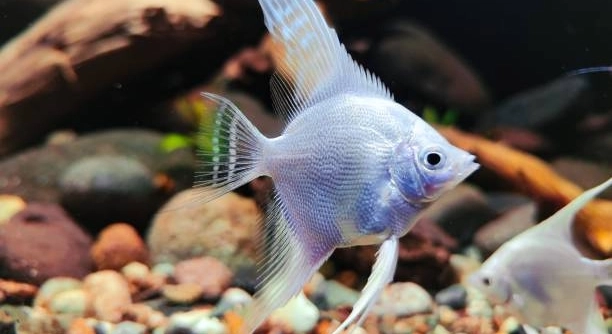
Are your angelfish acting strangely or showing signs of stress even though you’re following all the usual care steps at home?
Angelfish are sensitive to changes in water quality, and common issues such as ammonia spikes, pH imbalances, and temperature fluctuations can lead to health problems. Identifying and correcting these conditions is essential for their overall well-being.
From murky water to unexpected illnesses, these common water issues may be the hidden cause behind your angelfish’s behavior and appearance.
Ammonia Spikes in the Tank
High ammonia levels are one of the most dangerous problems for angelfish. Ammonia comes from fish waste, uneaten food, and decaying plants. If the tank isn’t cycled properly or cleaned regularly, ammonia can build up fast. Even small traces of it can cause stress, burns on the gills, and even death. Angelfish exposed to ammonia may gasp at the surface, appear sluggish, or lose their appetite. Regular water changes, a good filtration system, and not overfeeding are the most effective ways to prevent this. Always test your water, especially after introducing new fish or changing the setup.
Increased ammonia levels can harm your angelfish quickly. Symptoms include red or inflamed gills, erratic swimming, and sudden lethargy. Early detection and prompt action are important.
Test water weekly, especially after a water change or when adding new fish. Using a liquid test kit helps you detect and fix ammonia levels before they get worse.
Drastic pH Swings
Angelfish prefer a stable pH, ideally between 6.8 and 7.8. Sudden swings in pH can lead to stress and illness. These changes can be caused by tap water additives, too many tank decorations, or poor buffering capacity.
To keep the pH steady, start by checking your tap water’s pH before every water change. If the pH differs significantly from your tank, consider aging your water for 24 hours or using a water conditioner. Avoid adding too many pH-altering substances unless absolutely necessary. Driftwood and certain substrates can also affect pH. Use a reliable test kit to monitor changes and make adjustments gradually. A stable pH helps reduce stress and supports strong immunity in angelfish. If your fish are showing signs of irritation or acting out of the ordinary, test the water right away. Stability is more important than chasing a perfect number. Let your angelfish adjust to one consistent environment to stay healthy.
Poor Water Circulation
Weak water movement leads to uneven oxygen distribution, waste buildup, and poor filtration. Angelfish may become sluggish or stay near the surface, especially if the oxygen levels drop. Proper circulation keeps the water clean and supports your fish’s overall health and comfort in the tank.
Water movement affects every part of your tank. Without it, leftover food and fish waste settle, and the filter becomes less effective. Angelfish thrive in water that stays fresh and oxygen-rich. You don’t need a strong current, just enough flow to gently move water across the tank. Position your filter outlet to encourage circulation and avoid dead zones. Adding an air stone can help in larger tanks. Watch how your angelfish behave—if they’re crowding near the surface or corners, it may be time to improve circulation. Keeping your equipment clean and checking for blockages also ensures a more stable environment for your fish.
Consistent water flow ensures your angelfish aren’t stressed or deprived of oxygen. In planted tanks, good circulation also helps distribute nutrients and CO₂ evenly. Over time, low circulation leads to cloudy water and potential health problems. Don’t ignore subtle signs like clumped debris or slow-moving surface water. A small adjustment in equipment can make a big difference.
Chlorine and Chloramine in Tap Water
Tap water often contains chlorine or chloramine to make it safe for people, but these chemicals can harm angelfish. They irritate gills, damage tissue, and kill beneficial bacteria in your tank. Always treat tap water before using it for any water changes or top-offs.
Use a reliable water conditioner that removes both chlorine and chloramine. Some products also detoxify ammonia, which is released when chloramine breaks down. Always check the label to be sure your water treatment covers both chemicals. Never assume leaving tap water out overnight will be enough—it works for chlorine, but not chloramine. For large tanks, consider filling a separate container with treated water first, then add it slowly to the tank. If your angelfish show signs of stress right after a water change, check your dechlorination process. Clean, treated water is a simple but essential step to keeping your angelfish safe from chemical exposure.
Temperature Fluctuations
Angelfish need stable water temperatures between 76°F and 82°F. Sudden drops or rises in temperature can weaken their immune system and lead to stress. Heaters, tank placement, and room temperature changes can all affect stability. Always use a reliable heater and thermometer.
Quick temperature changes may not be visible right away, but they can cause long-term damage. Chilly water can make angelfish sluggish, while overheating speeds up metabolism and raises oxygen demand. Watch for subtle signs like clamped fins or reduced activity. Avoid placing tanks near windows or vents that cause inconsistent temperatures.
Hard Water and Mineral Imbalance
Angelfish do better in soft to moderately hard water. When the water is too hard or has high mineral content, it can interfere with nutrient absorption and stress their internal systems. Use a test kit to measure general hardness (GH) and carbonate hardness (KH). If your tap water is naturally hard, consider blending it with reverse osmosis (RO) water or using aquarium-safe products that soften water gradually. Don’t make rapid changes—stability is key. Maintain a balance that supports fish health and biofiltration. Hard water isn’t always harmful, but extremes should be avoided to keep angelfish comfortable and thriving.
Dirty or Neglected Filters
Dirty filters can’t remove waste or toxins properly, leading to poor water quality. Rinse filter media in tank water, not tap water, to protect beneficial bacteria. Regular maintenance keeps the tank balanced and healthy.
FAQ
How often should I test the water for angelfish?
Test your water once a week using a reliable freshwater aquarium test kit. Focus on ammonia, nitrite, nitrate, pH, and hardness. Sudden changes can harm angelfish, so regular testing helps catch issues early. Also, test after water changes, adding new fish, or adjusting tank equipment.
Can I use tap water for angelfish tanks?
Yes, but it must be treated first. Tap water usually contains chlorine or chloramine, which can harm fish. Use a water conditioner to neutralize these chemicals. Also check the pH and hardness of your tap water to ensure it falls within safe ranges for angelfish.
What pH level is best for angelfish?
Angelfish do best in a pH range between 6.5 and 7.5. Slight variations are usually okay, but avoid sudden changes. If your pH is too high or too low, adjust it slowly using products designed for freshwater tanks. Stable pH is more important than exact numbers.
Why is my angelfish gasping at the surface?
This usually means the oxygen level in the tank is too low. Poor circulation, high temperatures, or too many fish can cause this. Make sure your filter is working well, and consider adding an air stone or increasing surface agitation to improve oxygen exchange.
How can I keep my tank temperature stable?
Use a reliable aquarium heater with a built-in thermostat. Place the tank away from windows, radiators, or vents to avoid temperature swings. A digital thermometer helps track changes. Check the water temperature daily, especially during seasonal changes or if the room isn’t climate-controlled.
Can poor water quality cause angelfish to stop eating?
Yes. High levels of ammonia, nitrite, or nitrate can stress angelfish and suppress their appetite. They may also stop eating if the temperature is too low or the pH is off. Always test the water first if your angelfish stops eating for more than a day.
How do I know if my filter is too strong for angelfish?
If your angelfish are struggling to swim or being pushed around, the flow may be too strong. Angelfish prefer calm water with gentle circulation. Adjust the filter output, or use a sponge pre-filter to reduce the current while still keeping the water clean.
Is cloudy water a sign of poor water quality?
Often, yes. Cloudiness can be caused by excess waste, uneaten food, or a bacterial bloom. It may also happen after cleaning or disturbing the substrate. Test the water to rule out spikes in ammonia or nitrite, and avoid overfeeding. Regular maintenance helps prevent this.
Can hard water hurt angelfish?
Very hard water may cause stress over time and affect internal regulation. While angelfish can adapt to a range of hardness levels, extreme conditions aren’t ideal. Use test kits to check GH and KH levels. Soften the water slowly if it’s consistently above the recommended range.
How do I clean the filter without harming good bacteria?
Rinse the filter media in a bucket of tank water, not tap water, during water changes. Tap water contains chlorine, which can kill beneficial bacteria. Only clean the filter when necessary, and avoid replacing all media at once to keep the bacteria colony intact.
Why are my angelfish hiding more than usual?
This can happen when the water parameters are off, or the tank is too noisy or bright. It may also mean they’re stressed from a recent change, illness, or aggression. Always check the water first, then review tank setup and interactions with other fish.
Can temperature swings overnight stress angelfish?
Yes. Even a few degrees of change can weaken their immune system and lead to illness. Use a heater that maintains a stable temperature around the clock. If your room gets cold at night, consider an insulated tank cover or adjusting your heater settings slightly.
How do I remove excess minerals from the tank?
Use reverse osmosis (RO) water to dilute mineral levels. Mix it with your tap water until you reach a suitable hardness level. Make changes gradually to avoid stressing the fish. Monitor GH, KH, and pH closely while making adjustments over several water changes.
Final Thoughts
Keeping angelfish healthy starts with paying attention to water quality. These fish are sensitive to their environment, and even small changes can affect how they behave, eat, and grow. Common water problems like high ammonia, low oxygen, or incorrect pH often go unnoticed until the fish begin to show signs of stress. Taking the time to check your water regularly helps you catch problems early. It also gives you more control over how your tank is running and how your fish are feeling. Clean water is one of the most important things you can offer your angelfish, no matter the tank size or setup.
Water changes, filter maintenance, and careful feeding are simple ways to prevent most water quality issues. Skipping these steps might not cause problems right away, but over time the tank can become unstable. A sudden shift in ammonia or temperature can make angelfish sick, stressed, or even lead to death. Even if your fish look fine, that doesn’t always mean the water is in good shape. Test kits make it easier to know what’s going on in your tank without guessing. They show you the exact numbers for ammonia, nitrite, nitrate, pH, and hardness—so you can take action before anything serious happens.
Paying attention to small details in your tank routine goes a long way. Watching your angelfish for changes in behavior or appearance can tell you when something is wrong, even before testing confirms it. If your fish are hiding more, swimming oddly, or losing interest in food, it could be related to water quality. Treating the tank with care helps angelfish live longer, grow well, and stay active. It also keeps the tank looking clear and healthy. Good water quality benefits every part of your tank—from the plants to the filter bacteria to the fish themselves. With a little consistency and attention, you can create an environment where your angelfish will thrive.

Hello,
If you enjoy the content that we create, please consider saying a "Thank You!" by leaving a tip.
Every little bit helps us continue crafting quality advice that supports the health, happiness, and well-being of pets around the world, for pets of all shapes, sizes, and species.
We really appreciate the kindness and support that you show us!