
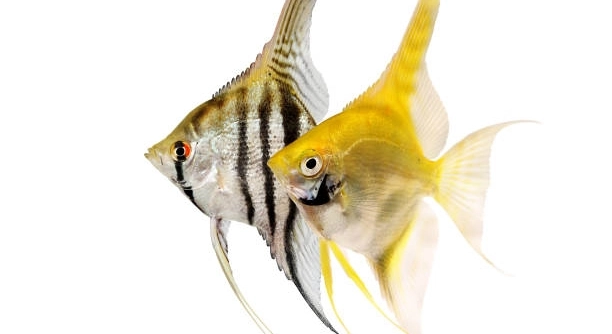
Keeping angelfish healthy requires attention to water quality, yet many aquarium owners make simple mistakes. These mistakes can harm the delicate balance of the tank and affect your angelfish’s well-being.
The most common water quality mistakes include improper filtration, incorrect pH levels, overfeeding, and neglecting regular water changes. These issues disrupt the delicate balance that angelfish need for optimal health, leading to stress, disease, and sometimes death.
By addressing these common mistakes, you can improve the living conditions for your angelfish. Understanding the importance of water quality will help you maintain a healthy aquarium environment for your fish to thrive.
1. Improper Filtration Can Harm Angelfish
Filtration is essential for maintaining clean water in an aquarium. Without proper filtration, waste builds up quickly, which leads to poor water quality. Angelfish are particularly sensitive to toxins in their environment, so inadequate filtration can cause stress and health problems. It’s important to regularly check your filter and ensure it’s working efficiently. The filter should be able to handle the tank’s size, providing consistent water circulation and removing harmful particles.
It’s recommended to clean the filter regularly, at least once a month, to prevent clogging. A filter that isn’t cleaned often enough may not be able to do its job effectively, leaving the water dirty and unsafe for your angelfish.
A good filtration system will remove debris, excess food, and harmful chemicals from the water. Angelfish thrive in clean, oxygen-rich environments, which means an effective filtration system is a must. If your filter is underperforming, consider upgrading to one that is better suited for your tank’s needs.
2. Incorrect pH Levels Can Stress Angelfish
Angelfish require a specific pH range to stay healthy. Too high or too low a pH can lead to stress, poor growth, and disease. Regularly test your water’s pH to ensure it falls within the ideal range for angelfish, which is between 6.8 and 7.8. If the pH is out of range, use appropriate water conditioners or adjust the tank’s environment to bring it back to normal levels.
Incorrect pH levels affect angelfish’s ability to absorb nutrients and can cause internal damage. Even slight fluctuations can stress the fish, weakening their immune system and making them more vulnerable to disease.
3. Overfeeding Angelfish Can Pollute the Water
Overfeeding is a common mistake that leads to water quality issues. Excess food left in the tank breaks down and releases harmful toxins like ammonia. These toxins can build up quickly, making the water unsafe for angelfish. Always remove uneaten food after feeding to prevent this problem.
Angelfish only need to be fed once or twice a day, with the amount of food that can be eaten in a few minutes. Overfeeding doesn’t help them grow faster; it only creates waste that pollutes the water. When the tank is overcrowded with waste, the risk of disease increases. Keeping the feeding schedule on track helps maintain water quality.
Feeding angelfish in moderation is key. The goal is to keep the tank clean and prevent excess waste from accumulating. Angelfish do well when they’re fed just enough, and keeping their environment clean will support their long-term health.
4. Neglecting Regular Water Changes
Water changes are essential for keeping an aquarium healthy. If you don’t change the water regularly, harmful chemicals and waste accumulate, creating an unhealthy environment. It’s important to change about 25% of the tank water every two weeks, depending on the tank’s size and stocking level.
Water changes help maintain the right balance of minerals and pH in the tank. By removing debris, excess nutrients, and waste, you ensure the water remains safe for angelfish. Skipping water changes puts stress on your fish, causing them to be more susceptible to illness. Regular maintenance is the best way to keep your aquarium thriving.
During water changes, be sure to also clean the decorations, plants, and substrate. It’s crucial to remove buildup from these areas to keep the water fresh. Regular water changes are one of the easiest ways to prevent water quality issues and support healthy, happy angelfish.
5. Poor Tank Location Affects Water Quality
The location of your tank plays a big role in maintaining water quality. Tanks placed in direct sunlight can cause water temperature fluctuations, promoting algae growth. It also makes it harder to regulate pH and oxygen levels. Place the tank in a stable environment with indirect light.
A tank near heaters, air conditioners, or windows can cause temperature swings that stress your angelfish. Rapid temperature changes affect the tank’s ecosystem, causing issues like low oxygen levels or excessive algae growth. Keeping the tank away from these extremes helps ensure the environment remains balanced.
6. Using Tap Water Without Proper Treatment
Tap water often contains chlorine or chloramine, which is harmful to fish. You must treat the water before adding it to the tank. Using a water conditioner can neutralize these chemicals and make the water safe for angelfish. Never skip this step, as chlorine can cause severe stress.
Testing the water quality is also crucial when using tap water. Make sure the water matches the ideal parameters for your fish. This includes checking the hardness, pH, and ammonia levels. Without proper treatment, your angelfish won’t thrive in untreated tap water, leading to long-term health problems.
FAQ
How often should I change the water in my tank?
It’s best to change about 25% of the water every two weeks. If you have more fish or a smaller tank, you may need to do it more often. Regular water changes help maintain a healthy environment and prevent the buildup of waste and toxins. Don’t forget to clean the filter too.
Can I use water straight from the tap?
Tap water contains chlorine or chloramine, which is harmful to fish. Always treat the water with a water conditioner before adding it to your tank. Testing the water’s quality ensures it is safe and suitable for your angelfish. Skipping this step can lead to stress and health issues for your fish.
What’s the ideal temperature for my angelfish tank?
Angelfish thrive in temperatures between 76°F and 82°F (24°C to 28°C). A stable temperature within this range is crucial for their health. Use a reliable aquarium heater and thermometer to maintain the right temperature. Fluctuations can stress your angelfish and make them more vulnerable to disease.
How can I tell if my angelfish is stressed?
Stress in angelfish can manifest in various ways, including faded colors, unusual swimming behavior, or loss of appetite. If you notice these signs, check your water quality, temperature, and tank setup. Stress is often caused by poor water conditions, overcrowding, or incompatible tank mates.
Is it okay to feed my angelfish once a day?
Feeding your angelfish once a day is fine as long as you provide an appropriate amount of food. They usually need food they can eat in a few minutes. Overfeeding can pollute the water, leading to problems like algae growth and poor water quality.
What type of food should I feed my angelfish?
Angelfish are omnivores and can eat a variety of foods. You can feed them high-quality flake food, pellets, and occasional live or frozen foods like brine shrimp or bloodworms. A balanced diet helps ensure they get the necessary nutrients to stay healthy.
Can I keep angelfish with other species?
Angelfish are generally peaceful but can become territorial, especially during breeding. It’s important to choose tank mates that won’t harass them. Avoid small fish that might be eaten and aggressive species that may cause stress. Good companions include tetras, gouramis, and certain species of catfish.
How do I maintain good water quality in a tank with angelfish?
To maintain good water quality, ensure your tank is properly filtered, feed your fish the right amount, and perform regular water changes. Test the water regularly for pH, ammonia, nitrite, and nitrate levels. Keeping the tank clean, avoiding overfeeding, and ensuring proper filtration will all help.
What is the ideal pH level for my angelfish?
Angelfish prefer a pH between 6.8 and 7.8. They are fairly adaptable, but extremes in pH can cause stress and health problems. Regularly test the water to make sure the pH is stable and within this range. If adjustments are needed, use appropriate water conditioners.
How do I prevent algae growth in my tank?
Algae growth is often the result of excess nutrients in the water, usually from overfeeding and infrequent water changes. To prevent algae, remove uneaten food, perform regular water changes, and use a filter that provides adequate water flow. Keeping the tank in an area with indirect sunlight also helps limit algae growth.
How can I ensure my angelfish stay healthy long-term?
To ensure your angelfish remain healthy, maintain stable water conditions, feed them a balanced diet, and avoid overstocking the tank. Regular water testing and cleaning will help keep their environment optimal. Observe them closely for signs of stress or illness, and address any issues promptly.
Can I use live plants in my angelfish tank?
Yes, live plants are beneficial for angelfish tanks. They provide hiding spots and help maintain water quality by absorbing excess nutrients. However, make sure the plants are not too large or aggressive, as angelfish can be territorial and may damage smaller plants.
How do I treat illness in my angelfish?
If your angelfish show signs of illness, first check the water quality. Many problems arise from poor water conditions. If the water is fine, research the specific symptoms your fish are showing and treat accordingly. Common treatments include using aquarium medications or salt baths, depending on the illness.
Final Thoughts
Maintaining good water quality is essential for the health of your angelfish. By avoiding common mistakes like overfeeding, neglecting regular water changes, and not properly treating tap water, you can create a stable and safe environment for them. Healthy water means healthier fish, with vibrant colors, active behavior, and an overall better quality of life. It’s important to keep track of the water’s temperature, pH, and ammonia levels, as these can all affect the wellbeing of your fish.
Consistency is key when it comes to tank maintenance. Regular water changes, feeding in moderation, and ensuring the tank is in a stable location will reduce stress on your angelfish. Additionally, choosing the right tank mates can help prevent aggression and ensure your angelfish thrive in a peaceful environment. Keep in mind that any small change in their surroundings can have a significant impact on their health. Even though angelfish are resilient, they need a balanced environment to truly thrive.
Taking the time to properly care for your angelfish will reward you with healthy, beautiful fish that will bring joy to your home. It may seem like a lot of work at first, but once you establish a routine, it becomes second nature. Regularly check water parameters, keep the tank clean, and provide the right food. This will help you avoid common water quality mistakes and ensure your angelfish live a long, happy life.

Hello,
If you enjoy the content that we create, please consider saying a "Thank You!" by leaving a tip.
Every little bit helps us continue crafting quality advice that supports the health, happiness, and well-being of pets around the world, for pets of all shapes, sizes, and species.
We really appreciate the kindness and support that you show us!