
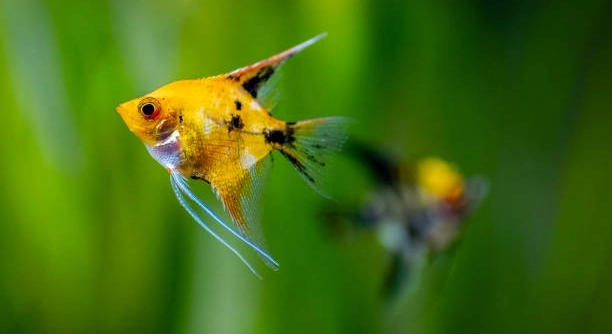
Do your angelfish sometimes look stressed or act strangely even though their tank seems clean and well-maintained? You may be overlooking key water quality mistakes that affect their health and behavior.
The most common water quality mistakes angelfish owners make include irregular water changes, poor filtration, inconsistent temperature control, and not monitoring pH or ammonia levels. These factors can lead to stress, illness, and even premature death in angelfish.
Understanding these mistakes can help you create a more stable and healthy tank environment that supports your angelfish’s well-being every day.
Not Testing Water Parameters Regularly
Skipping regular water testing is one of the biggest mistakes you can make as an angelfish owner. Even if the water looks clear, harmful substances like ammonia, nitrite, or fluctuating pH levels can still be present. Angelfish are sensitive to changes in their environment, and poor water quality can quickly lead to stress and sickness. Using test kits weekly helps you spot imbalances before they become serious. Keep an eye on temperature, too, since even small changes can affect your fish. A reliable thermometer and a consistent testing schedule can make all the difference in maintaining a safe tank.
Without consistent testing, you are more likely to miss early warning signs that your tank is becoming unsafe for your angelfish.
Test strips or liquid test kits are affordable and easy to use. You don’t need to be an expert to get accurate results. Just test once a week and record the numbers. Over time, you’ll notice patterns in your tank’s conditions. This helps you make small adjustments instead of big fixes later. Don’t wait until your fish shows signs of illness. Prevention through regular testing is much easier than recovery after something goes wrong. Clean water starts with knowing exactly what’s going on inside the tank.
Infrequent Water Changes
Changing your tank’s water less often than needed can cause waste and toxins to build up quickly.
Angelfish thrive in stable, clean water. But many owners don’t realize how fast conditions can worsen without regular water changes. Waste from uneaten food and fish waste breaks down and releases harmful substances like ammonia and nitrites. Over time, this puts stress on your fish, weakens their immune systems, and increases the chance of disease. Performing partial water changes every week—about 25 to 30 percent—is usually enough to keep things balanced. Use a siphon to remove debris from the gravel, and replace the old water with clean, treated water at the same temperature. This helps keep ammonia levels low and replenishes important minerals. A regular schedule makes it easier to stay on top of maintenance and gives your angelfish the healthy, steady environment they need. It doesn’t take long, but the difference it makes is important.
Using Tap Water Without Conditioning
Tap water often contains chlorine or chloramine, which can harm your angelfish. Adding it directly to the tank without treating it first can cause gill damage, stress, and even death. A water conditioner is always needed before adding tap water.
Always treat tap water with a reliable water conditioner before adding it to your tank. These products neutralize chlorine, chloramine, and heavy metals that are unsafe for fish. Some conditioners also protect the slime coat of fish, adding extra support against stress and disease. Let the treated water sit for a few minutes before adding it to the tank, especially during water changes. Skipping this step can have quick and harmful effects on your angelfish. Be sure to follow the dosage instructions on the bottle. Using too much or too little can also cause problems. Conditioning tap water should become a regular part of your routine.
Many owners think if the water looks clean, it must be safe—but this isn’t true. Municipal water may be perfectly fine for humans but harmful to fish. Angelfish rely on clean, chemical-free water to breathe and stay healthy. Even small traces of chlorine can hurt their gills and reduce oxygen exchange. This can lead to labored breathing or listlessness. Conditioning only takes a few seconds, and it protects your fish from invisible damage. Once you make this a habit, you’ll notice more consistent behavior and health in your angelfish. Always double-check your supplies to make sure you never run out of conditioner between water changes.
Ignoring Tank Temperature Swings
Angelfish are sensitive to temperature changes, and sudden shifts can quickly stress them out. The ideal temperature range is between 76°F and 82°F. Anything outside of that can weaken their immune system or affect their appetite and energy.
Many tanks are placed near windows, air vents, or in rooms with fluctuating temperatures. These spots can cause the water temperature to rise or drop too quickly. Heaters that are too weak or not calibrated can also lead to problems. Use a digital thermometer to check your tank’s temperature daily, even if you have a heater. It’s also smart to monitor temperature during water changes—make sure new water matches the tank temperature closely. Even small shifts of just a few degrees can make angelfish feel uneasy. When the temperature remains stable, angelfish tend to be more active, display brighter colors, and show fewer signs of stress. Stable temperature is one of the easiest ways to support their overall health.
Overfeeding and Its Impact on Water
Overfeeding angelfish leads to uneaten food sinking and breaking down in the tank. This increases ammonia and nitrate levels quickly, which harms water quality. Feed small amounts and remove leftovers within a few minutes to keep the tank cleaner.
Extra food doesn’t just pollute the water—it also stresses the filter. Filters work harder to clean up waste, which shortens their lifespan and lowers efficiency. Keep feeding light and consistent. It’s healthier for your angelfish and better for the tank’s balance.
Not Cleaning the Filter Properly
Filters need regular maintenance, but many owners either overclean or neglect them completely. Rinsing filter media in tap water kills good bacteria, which disrupts the nitrogen cycle. Always clean filter parts using tank water during a water change. This keeps beneficial bacteria alive while removing built-up debris. Don’t replace all filter media at once—stagger changes to avoid a sudden loss of helpful bacteria. A dirty or poorly maintained filter can’t remove waste properly, and this affects the entire tank’s health. Set a monthly schedule to inspect and clean your filter. A healthy filter means cleaner water and healthier fish.
Using the Wrong Tank Size
Angelfish need space to swim and grow. A tank that’s too small limits movement and creates unstable water conditions more quickly. A 20-gallon tank is the minimum for a pair, but larger is always better for stability and health.
FAQ
How often should I test my water for angelfish?
You should test your tank water at least once a week. This helps you stay on top of key parameters like ammonia, nitrites, nitrates, and pH. Regular testing allows you to spot any changes before they stress your fish. If you notice any irregularities, take action immediately to correct them. Testing frequently helps you maintain consistent water quality and keeps your angelfish healthy. Remember, even if the water looks clear, there could still be hidden issues that are harmful to your fish.
What’s the best way to clean my tank filter?
When cleaning your filter, always use tank water to rinse out the filter media. Tap water can kill beneficial bacteria that are crucial to maintaining the nitrogen cycle. You only need to clean your filter once every 3 to 4 weeks unless it becomes visibly dirty. During cleaning, gently rinse the sponge, pads, or other filter media with water from the tank to preserve the helpful bacteria. Be careful not to clean all the filter media at once. Doing so can disrupt the biological filtration process, which may lead to an increase in toxic substances in the tank.
How much food should I give my angelfish?
Angelfish are prone to overfeeding, so it’s best to give small amounts of food twice a day. Only offer enough food that your fish can consume within 2 to 3 minutes. Any leftover food should be removed promptly to prevent it from decaying in the tank. Overfeeding leads to water quality issues, as uneaten food creates excess waste. Additionally, overfeeding can cause obesity and other health issues for your angelfish. If your angelfish are still hungry after feeding, you can always offer more at the next meal.
Why is my angelfish acting strangely?
If your angelfish is showing unusual behavior like swimming erratically, hiding, or rubbing against objects, it could be a sign of poor water quality, illness, or stress. First, test the water to check for any imbalances in ammonia, nitrites, or pH. If the water quality is fine, then check for any signs of disease or parasites on the fish’s body. If your angelfish is stressed, consider if the tank environment has been disturbed recently. It could be caused by temperature fluctuations, aggressive tank mates, or changes in the lighting.
How do I prevent my angelfish from getting sick?
The best way to prevent illness is to keep your tank’s water clean and stable. Regular water changes, maintaining proper filtration, and consistent water testing are key. Additionally, avoid overcrowding the tank, as this can lead to stress and higher risk of disease. You should also feed your angelfish a varied, nutritious diet and monitor their health regularly. Quarantining new fish before introducing them to the tank can prevent the spread of any potential illnesses. Keep the tank temperature within the recommended range to reduce the risk of temperature-related diseases.
Can I keep other fish with my angelfish?
Yes, angelfish are generally peaceful but can become territorial, especially when they are breeding. It’s best to keep them with other peaceful species that thrive in similar water conditions. Avoid keeping them with smaller fish that might be viewed as food, or aggressive fish that could bully them. Good tank mates for angelfish include tetras, gouramis, and certain types of plecos. Make sure to give them enough space in the tank so they can establish their own territory. Always observe your fish after introducing new tank mates to ensure they’re getting along.
How do I know if my angelfish is stressed?
Stressed angelfish often display signs like hiding, a lack of appetite, rapid breathing, or erratic swimming patterns. They may also have faded colors or appear lethargic. Stress can be caused by poor water quality, overcrowding, inappropriate tank mates, or fluctuations in temperature. It’s essential to identify the source of the stress and address it as soon as possible. Monitoring their environment regularly and maintaining stable water conditions is key to preventing stress-related health issues.
Is it okay to use tap water for my angelfish tank?
You can use tap water, but it must be treated before adding it to the tank. Tap water often contains chlorine or chloramine, which can be harmful to fish. Always use a water conditioner that neutralizes these chemicals before introducing tap water into your tank. Also, ensure that the temperature and pH of the tap water match that of the tank to avoid stressing your fish. If you have concerns about your tap water’s quality, consider using filtered or dechlorinated water to reduce any potential risks.
How often should I change the water in my angelfish tank?
Water changes should be done every week, with about 25 to 30 percent of the water being replaced. This helps remove excess nutrients, waste, and toxins while maintaining stable water conditions. If you notice that the water appears murky or there is a spike in ammonia or nitrites, you may need to do more frequent changes. Regular water changes are one of the most effective ways to keep your angelfish healthy. It also ensures that any harmful substances are diluted, creating a safer environment for your fish.
What type of filter is best for an angelfish tank?
For an angelfish tank, a filter with medium to strong filtration is recommended. Canister filters or hang-on-back (HOB) filters work well as they offer good mechanical, biological, and chemical filtration. It’s essential to choose a filter that can handle the size of your tank and provide adequate circulation without creating too much current. Angelfish prefer calm waters, so look for a filter that offers gentle flow. Regularly clean the filter to ensure it’s working efficiently and not overburdened by waste buildup.
Final Thoughts
Maintaining proper water quality is essential to keeping your angelfish healthy and happy. Small mistakes like infrequent water changes, improper filtration, or not monitoring water parameters can quickly lead to problems. Angelfish are sensitive creatures, and their well-being depends heavily on the stability of their environment. The more consistent you are with testing the water, cleaning the tank, and feeding properly, the fewer issues you’ll face in the long run. It may take some effort, but keeping your tank clean and balanced is key to having thriving angelfish.
A good rule of thumb is to stay proactive in your tank care. Regular water testing helps you spot problems before they get out of hand. Keeping your filter clean, changing the water consistently, and conditioning tap water are simple tasks that prevent major water quality issues. By staying on top of these daily routines, you create a healthier environment for your fish, which in turn, lowers the risk of diseases and stress. Angelfish thrive when their water is clear, stable, and well-maintained, so this effort will always pay off.
In the end, taking care of your angelfish is about more than just feeding them and keeping the tank clean. It’s about being mindful of their needs and ensuring their environment stays as stable as possible. Regular water testing, proper filtration, and mindful feeding are some of the most important aspects of fishkeeping. Once you establish a routine, it becomes second nature. With the right care, your angelfish will not only survive but flourish in their environment.

Hello,
If you enjoy the content that we create, please consider saying a "Thank You!" by leaving a tip.
Every little bit helps us continue crafting quality advice that supports the health, happiness, and well-being of pets around the world, for pets of all shapes, sizes, and species.
We really appreciate the kindness and support that you show us!