
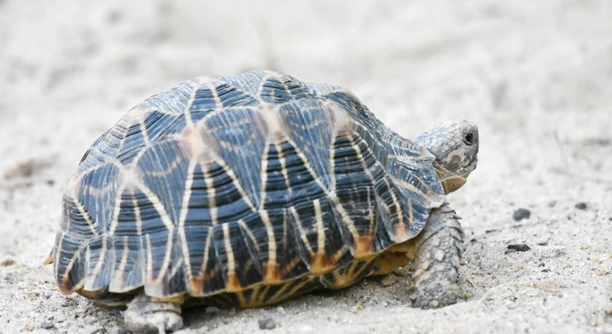
Turtles are fascinating creatures, and their behaviors can reveal a lot about their health, environment, and mood. Understanding their actions helps provide better care and creates a stronger bond with these remarkable animals.
Turtles display a variety of behaviors, including basking, head bobbing, and digging. Each action serves a specific purpose, whether it’s regulating body temperature, communicating, or preparing for nesting. Recognizing these behaviors can improve your understanding of their needs.
By recognizing common behaviors, you can better meet your turtle’s needs and ensure they stay healthy and happy in their environment.
Basking: A Sign of Comfort and Health
Basking is one of the most common turtle behaviors. Turtles often spend time on rocks or logs in the sun, using this opportunity to regulate their body temperature. Since they are cold-blooded, basking helps them maintain their warmth, which is essential for digestion and overall health. Turtles may bask for hours, soaking up sunlight to stay active and healthy.
In the wild, turtles bask to avoid predators and to help their bodies function properly. This behavior is not just about sunbathing; it’s crucial for their wellbeing. When kept in captivity, it’s important to provide a basking area that mimics natural conditions.
If your turtle is constantly basking, it’s usually a good sign that they are comfortable in their environment. However, it’s important to monitor the temperature of their basking area. Too much heat can cause stress, while too little can lead to health issues.
Head Bobbing: Communication and Courtship
Head bobbing is an interesting behavior in turtles. It can signal different things depending on the situation.
Turtles may bob their heads to communicate with others. This can occur in both wild and captive environments. In males, head bobbing is often part of courtship rituals, where they signal interest to females. Females may also engage in head bobbing as a response or in territorial displays. This behavior is part of the turtle’s natural social structure and can sometimes be observed during mating seasons.
In some cases, turtles may bob their heads to assert dominance or show aggression toward other turtles. It’s important to watch for other signs that might indicate aggression, such as biting or chasing.
Digging: Preparation for Nesting or Hiding
Digging is a common behavior in turtles, especially during nesting seasons. Female turtles dig to create a safe spot to lay their eggs. They often dig multiple holes before settling on the right one. Turtles may also dig to create burrows or hide from predators.
If you notice your turtle digging frequently, it could be a sign of readiness to lay eggs, even if no male is present. In captivity, providing a suitable substrate for digging is important to allow natural behavior. Avoid disturbing them when they are digging, as it’s an instinctual action tied to their survival and reproductive needs.
Sometimes, turtles dig to find cooler or more comfortable areas. When they feel unsafe or stressed, they might also dig as a way to hide. Providing your turtle with an enriched environment can help reduce unnecessary digging behavior.
Swimming: A Sign of Active Health
Swimming is a natural and healthy behavior for turtles. Turtles are excellent swimmers, using their strong legs and webbed feet to move through water with ease. When given a clean and spacious tank, turtles will spend a lot of time swimming.
For a healthy environment, make sure your turtle has enough space to swim freely. A tank that is too small can lead to stress, and a lack of swimming space can impact their physical health. Turtles need exercise to stay in shape and avoid obesity, which can be a common issue if they’re not given room to swim.
Swimming also plays a vital role in a turtle’s mental health. A tank with the right water depth, filtration, and cleanliness will encourage natural swimming behavior. If your turtle is swimming less than usual, it may be an indicator of discomfort, illness, or poor water conditions.
Mating Behavior: Signaling Interest
Turtles have distinct mating behaviors. During courtship, males may approach females and exhibit head bobbing or circling. They may also use their front claws to gently touch the female’s shell. These actions are signals of interest and readiness to mate.
Mating behavior can sometimes be observed in males as they become more active and assertive around females. In captivity, males may show interest even when no female is present, leading to repeated behaviors like circling or attempting to mount. Understanding these actions can help identify mating readiness and avoid confusion.
Shell Biting: A Form of Aggression or Play
Shell biting is typically seen in younger turtles. They often nip at each other’s shells either as a form of play or in displays of aggression. Older turtles, however, may only engage in biting when territorial disputes arise.
In some cases, turtles may bite each other’s shells during courtship rituals, though this is usually not harmful. However, if the behavior is frequent or aggressive, it could signal stress or discomfort in the environment. Ensure that your turtles have enough space to avoid territorial conflicts and minimize biting.
FAQ
Why is my turtle not eating?
If your turtle isn’t eating, it could be due to a variety of reasons. Changes in temperature or water quality are common causes. Turtles are sensitive to their environment, and if the water is too cold or too warm, they may lose their appetite. Stress, illness, or improper diet can also affect eating habits. If the problem persists, it’s important to check the tank’s temperature and water condition, ensuring that it’s within the proper range for your species of turtle. Additionally, providing a variety of foods might help to stimulate their appetite.
How often should I feed my turtle?
Turtles typically eat every other day, but the frequency depends on their age and species. Younger turtles are more active and grow faster, requiring more frequent feedings. Adult turtles can generally be fed less often. It’s essential to adjust the feeding schedule based on the turtle’s age and size. Overfeeding can lead to health issues, including obesity, so it’s important to offer the right portion size. A balanced diet with vegetables, protein, and occasional fruits should be included in their meals.
How do I know if my turtle is sick?
Sick turtles often show signs like loss of appetite, lethargy, or unusual behavior. Their shells might look soft, cracked, or discolored. Respiratory issues, such as wheezing or bubbling from the nose, are also signs of illness. A lack of movement or swimming can indicate that the turtle is not feeling well. If you notice any of these symptoms, it’s best to consult a veterinarian who specializes in reptiles for an accurate diagnosis. Early detection can prevent the issue from becoming more severe.
What type of tank is best for my turtle?
A spacious tank is crucial for a turtle’s well-being. Turtles need enough room to swim, bask, and move freely. The tank should have a proper filtration system to keep the water clean and maintain water quality. The minimum size for a tank depends on the size of your turtle, but generally, a 40-gallon tank is recommended for one adult turtle. The tank should also include a basking platform, a UVB light for proper shell health, and a heat lamp to regulate temperature. Ensure the water is deep enough for your turtle to swim comfortably.
Can I keep more than one turtle together?
Turtles can be kept together, but it’s important to ensure they have enough space to avoid territorial conflicts. Males, in particular, may become aggressive toward each other, especially during mating season. It’s essential to monitor their behavior closely when introducing new turtles. If you notice any aggression, such as biting or chasing, it may be best to separate them. Some species of turtles are more compatible with each other than others, so researching the specific needs and behavior of your turtle species will help.
How can I tell if my turtle is happy?
A happy turtle is typically active and alert. They will swim, bask, and explore their environment with curiosity. If your turtle has a good appetite, moves around frequently, and spends time basking under the light, it is a sign that they are content. They will also interact with their surroundings and exhibit natural behaviors, like swimming or digging. It’s important to provide a comfortable environment with proper water quality, temperature, and space to keep your turtle healthy and happy.
Why does my turtle spend so much time basking?
Turtles bask to regulate their body temperature. Since they are cold-blooded, they rely on external heat sources to stay warm. Basking helps them digest food, maintain their metabolism, and stay active. Turtles will often bask for long periods to soak up UVB light, which is essential for shell and bone health. If your turtle is basking a lot, ensure that the basking area is at the right temperature and that they have a UVB light source available. However, if your turtle spends an excessive amount of time basking and shows little interest in swimming, it could be a sign of an underlying issue.
How do I clean my turtle’s tank?
Regular cleaning is essential to keep your turtle’s environment healthy. Start by removing any uneaten food and waste daily. Every week, clean the tank thoroughly by changing a portion of the water, scrubbing the sides, and cleaning the filter. Make sure to use reptile-safe cleaners to avoid harmful chemicals. It’s important to monitor the water quality regularly, checking for the right pH levels and temperature. A clean environment reduces the risk of illness and keeps your turtle healthy. Consider using a siphon or aquarium vacuum to clean the substrate.
Can turtles live without water?
No, turtles cannot live without water. While they do spend time on land basking, they are aquatic creatures that need water to survive. The water provides them with the opportunity to swim, soak, and maintain their hydration. For land turtles like box turtles, their water needs are still important, though they may require a smaller, shallow dish for drinking. Aquatic species, like red-eared sliders, need a proper water habitat to swim and dive. Keeping your turtle out of water for extended periods can cause dehydration and health issues.
How long do turtles live?
Turtles have a long lifespan, especially compared to other pets. Many species can live for 20 to 30 years, with some reaching 50 years or more in the right conditions. The lifespan depends on the species and the care provided. Some aquatic species, like the red-eared slider, may live around 20 years in captivity, while land turtles like the box turtle can live up to 50 years. It’s important to be prepared for the long-term commitment of caring for a turtle and providing a proper environment throughout its life.
Final Thoughts
Understanding turtle behaviors is essential for ensuring their well-being and happiness. Turtles may exhibit a variety of actions that can seem unusual or confusing at first, but they are simply expressing their natural instincts. Observing these behaviors allows you to better care for them, making sure their physical and emotional needs are met. It’s important to remember that each turtle is unique, and their actions can differ based on species, age, and individual temperament. Whether it’s mating rituals, feeding habits, or interactions with their environment, all behaviors serve a purpose in the life of a turtle.
By recognizing common turtle behaviors, you can create a more suitable environment for your pet. For example, providing proper lighting, a spacious tank, and appropriate water temperatures can help reduce stress and encourage healthy behaviors. Knowing when a turtle is sick or feeling stressed allows you to take early action and avoid long-term health issues. Keeping an eye on their habits, whether they’re basking, swimming, or resting, can give valuable insights into how well they’re adjusting to their environment. Maintaining a balance between their needs for space, food, and social interaction is key to keeping them healthy.
Ultimately, caring for a turtle requires patience and attention to detail. By learning more about their behaviors and what they mean, you can ensure they live long, happy, and healthy lives. Whether you have a small pet turtle or a larger species, understanding their needs goes beyond just feeding them. It’s about creating an environment where they can thrive. With proper care, turtles can be wonderful pets, and recognizing their unique behaviors will help you become a better turtle owner in the long run.

Hello,
If you enjoy the content that we create, please consider saying a "Thank You!" by leaving a tip.
Every little bit helps us continue crafting quality advice that supports the health, happiness, and well-being of pets around the world, for pets of all shapes, sizes, and species.
We really appreciate the kindness and support that you show us!