
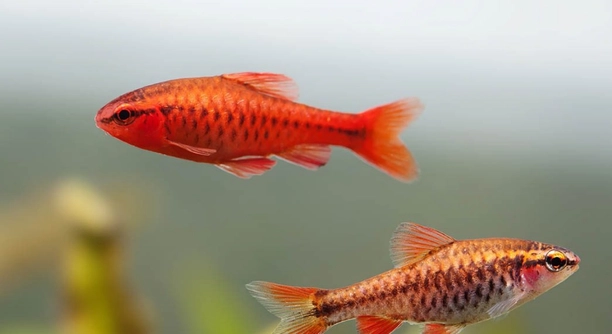
Cherry barbs are a popular species among aquarium enthusiasts due to their vibrant colors. However, there are times when their usual bright hues start to fade, leaving many wondering why this happens.
Color loss in cherry barbs is often caused by factors such as poor water quality, improper lighting, stress, or an unbalanced diet. These triggers can cause the fish to become stressed, leading to a dull appearance or loss of color.
By understanding the common causes behind this issue, you can take steps to help restore the vibrant colors of your cherry barbs. This article will guide you through the main triggers and solutions for maintaining their lively appearance.
Poor Water Quality
One of the most common reasons for cherry barb color loss is poor water quality. These fish are sensitive to changes in their environment, and bad water conditions can quickly cause stress. When water parameters like ammonia, nitrite, and nitrate levels are too high, it can affect their health and appearance. It’s essential to regularly test the water and maintain clean, balanced conditions for your fish.
A good filtration system and frequent water changes will help keep the water clean and the fish healthy. Using a water conditioner can also neutralize harmful substances and maintain ideal conditions.
Inadequate water quality can lead to weakened immune systems and overall stress in cherry barbs. Stress makes them lose their vibrant color, and in severe cases, it could cause long-term damage to their health. By staying on top of water parameters, you can prevent this issue and keep your cherry barbs thriving.
Stress from Overcrowding
Cherry barbs need space to swim freely. When too many fish are placed in a tank, it creates a stressful environment for them. Overcrowding often leads to competition for food, hiding spots, and general space, which can cause a drop in color vibrancy.
To avoid overcrowding, make sure your tank size is suitable for the number of fish you have. Generally, cherry barbs need around 10 gallons of water for a small group.
If you notice color fading along with other signs of stress, it may be time to consider rearranging your tank or removing a few fish. A less crowded environment will help your cherry barbs feel more comfortable and regain their vibrant hues.
Poor Diet
A poor diet can quickly cause cherry barbs to lose their color. These fish need a balanced, nutrient-rich diet to maintain their vibrancy. If their food lacks essential vitamins or minerals, it can result in a dull appearance.
To prevent color loss, feed your cherry barbs a varied diet, including high-quality flakes, pellets, and occasional live or frozen food. Foods rich in carotenoids, like spirulina, can help enhance their color.
Feeding them once or twice a day with a variety of foods ensures they get the nutrition they need. In addition to boosting their color, a proper diet supports their overall health and well-being. It’s important to avoid overfeeding, as this can pollute the water and cause other issues.
Insufficient Lighting
Lighting plays a crucial role in maintaining the bright colors of cherry barbs. Insufficient light can make their colors appear dull and washed out. These fish need a proper day-night cycle to maintain their natural rhythms.
Make sure your tank gets at least 8 to 10 hours of light per day. You can use LED lights with a gentle, full-spectrum setting, which simulates natural sunlight and helps the fish retain their color.
Too much direct sunlight or too little artificial light can stress the fish, causing them to lose their vibrancy. Investing in an aquarium light that mimics natural light will make a noticeable difference in how your cherry barbs look.
Water Temperature
Cherry barbs are sensitive to water temperature. If the water is too warm or too cold, it can cause them to lose color. They thrive in a range between 74°F and 79°F (23°C to 26°C).
Keeping the temperature within this range helps maintain their natural color. Too high or low can stress the fish, leading to color fading.
It’s a good idea to use a reliable aquarium heater to maintain a consistent temperature, especially if you live in an area with fluctuating room temperatures. Stability is key for keeping your cherry barbs healthy and vibrant.
Disease and Health Issues
Infections or parasites can also lead to color loss in cherry barbs. When fish are sick, they often become stressed, which can affect their pigmentation. Identifying symptoms early is essential for proper treatment.
If you notice faded colors along with unusual behavior, it may indicate a health problem. Treating any illnesses promptly will help restore their color.
The stress caused by diseases can also weaken their immune system, making them more vulnerable to future issues. Regular water changes and maintaining a clean environment can prevent many diseases from affecting your fish.
FAQ
What is the ideal tank size for cherry barbs?
Cherry barbs need enough space to swim comfortably. A tank size of at least 10 gallons is recommended for a small group of 4-5 fish. If you plan on keeping more, it’s essential to adjust the tank size accordingly. Overcrowding can cause stress, leading to color loss. It’s also important to have adequate filtration to maintain water quality, as a smaller tank can quickly accumulate waste and harmful toxins.
How can I improve the color of my cherry barbs?
Improving the color of your cherry barbs begins with addressing water quality, lighting, diet, and stress levels. Regular water changes and maintaining ideal water parameters will go a long way in keeping their color vibrant. Adding carotenoid-rich foods like spirulina can enhance their pigmentation, while ensuring proper lighting will prevent them from appearing dull. Minimizing stress through proper tank conditions, avoiding overcrowding, and providing a balanced diet also help bring out their best colors.
Why do my cherry barbs hide all the time?
If your cherry barbs are hiding frequently, it’s often a sign of stress. This could be due to poor water conditions, overcrowding, or aggressive tankmates. Cherry barbs are generally peaceful, but they can become skittish if their environment feels unsafe. Check the water quality, ensure there’s enough space in the tank, and make sure no other fish are stressing them out. Adding more plants or decorations can also help create hiding spots, giving them a sense of security.
Can cherry barbs live with other fish?
Yes, cherry barbs are peaceful and get along well with many other species. They do best with non-aggressive tankmates that enjoy similar water conditions. Avoid placing them with overly aggressive or territorial fish that might stress them out. Some good companions include small tetras, rasboras, and peaceful catfish. It’s essential to keep in mind that the size and temperament of the other fish in the tank can affect your cherry barbs’ health and coloration.
How often should I change the water for my cherry barbs?
Regular water changes are essential to keeping your cherry barbs healthy and vibrant. You should aim to change about 20-30% of the water every 1-2 weeks, depending on the tank’s size and the number of fish. If the tank is heavily stocked or the water quality seems poor, you may need to increase the frequency of water changes. Regular maintenance ensures the removal of toxins like ammonia and nitrates, which can cause stress and color loss in your fish.
What kind of food should I feed my cherry barbs to enhance their color?
Cherry barbs need a balanced diet to maintain their vibrant color. A mix of high-quality flakes or pellets is a good base, but it’s important to add variety. Live or frozen foods like brine shrimp, daphnia, and bloodworms can help provide extra nutrients. To further enhance their color, consider feeding foods rich in carotenoids, such as spirulina or foods designed for color enhancement. Avoid overfeeding, as uneaten food can pollute the water and harm your fish.
Can cherry barbs tolerate different water conditions?
Cherry barbs are fairly adaptable, but they do best in stable water conditions. They prefer slightly acidic to neutral water (pH 6.5 to 7.5) and temperatures ranging from 74°F to 79°F. They can tolerate a range of hardness, but sudden changes in these parameters can stress them. It’s important to regularly test the water and avoid fluctuations in temperature, pH, and hardness. Stable conditions help reduce stress and keep their colors bright.
Are cherry barbs more likely to lose color due to stress?
Yes, stress is a significant factor that can cause cherry barbs to lose color. Stress can be triggered by a variety of factors, including overcrowding, aggressive tankmates, poor water quality, and inconsistent lighting. When stressed, their immune system weakens, and they may lose their bright, vibrant colors. Creating a stable and calm environment with plenty of hiding spots and appropriate tankmates will help reduce stress and keep them healthy and colorful.
How long do cherry barbs live?
Cherry barbs generally live for about 3 to 5 years in a well-maintained tank. Their lifespan can be shortened if they are kept in poor conditions, are stressed, or have a poor diet. To ensure they live a long, healthy life, maintain good water quality, feed them a varied and nutritious diet, and keep them in a stress-free environment. Proper care will help maximize their lifespan and keep their colors vibrant.
Do cherry barbs breed easily?
Cherry barbs can breed in an aquarium under the right conditions, though they are not as prolific as some other species. To encourage breeding, ensure the tank is well-planted with plenty of hiding spots, as the eggs need protection from being eaten. Water temperature should be slightly elevated (around 78°F), and the fish should be well-fed with a varied diet. After mating, remove the adult fish to prevent them from eating the eggs. With the right care, you may see young cherry barbs grow and develop vibrant colors over time.
Final Thoughts
Maintaining vibrant color in your cherry barbs requires attention to their environment, diet, and general health. Water quality is one of the most critical factors. Keeping the water clean and at the right temperature helps prevent stress and keeps your fish looking their best. Regular water changes and monitoring of ammonia, nitrite, and nitrate levels will ensure your fish thrive in a healthy environment. A filtration system is essential for maintaining these parameters, especially in a tank with multiple fish.
Another key factor to remember is diet. Cherry barbs need a balanced diet to maintain their vibrant colors. Feed them high-quality food that includes a variety of nutrients, such as carotenoids, to enhance their natural pigmentation. Live or frozen foods, such as brine shrimp and bloodworms, can provide extra nutrients to boost their color. Avoid overfeeding, as this can lead to water quality problems that may stress your fish and cause color loss. It’s also important to feed them at regular intervals and avoid sudden changes in their diet.
Finally, creating a stress-free environment for your cherry barbs will go a long way in maintaining their health and color. Be mindful of tank size and avoid overcrowding, as this can lead to stress and dullness in their colors. Choose compatible tankmates that won’t disturb them, and provide plenty of hiding spots and plants to give them a sense of security. Proper lighting will also help bring out the best in your fish, as too little light can cause them to appear dull. By staying consistent with these basic care guidelines, your cherry barbs will not only survive but thrive, displaying the beautiful colors that make them so popular among aquarium keepers.

Hello,
If you enjoy the content that we create, please consider saying a "Thank You!" by leaving a tip.
Every little bit helps us continue crafting quality advice that supports the health, happiness, and well-being of pets around the world, for pets of all shapes, sizes, and species.
We really appreciate the kindness and support that you show us!