
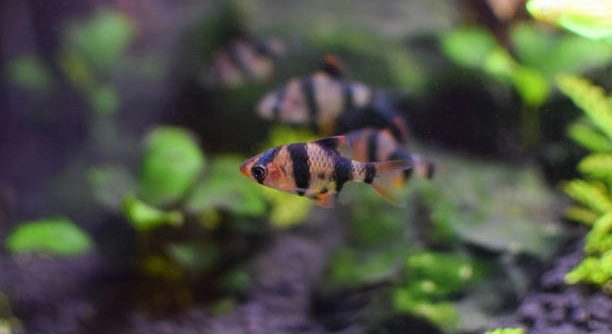
Have you ever noticed your tiger barb acting strangely or looking unwell, leaving you unsure of what’s causing the problem?
Tiger barbs are prone to several common health issues including ich, fin rot, swim bladder disease, and bacterial infections. These conditions often stem from poor water quality, stress, or improper tank conditions and require prompt attention.
Learning to identify these problems early can improve your fish’s chances of recovery and support a healthier, more active aquarium environment.
Ich (White Spot Disease)
Ich is one of the most common issues seen in tiger barbs. Caused by a parasite, it appears as small white spots on the body, fins, and gills. Your fish may start rubbing against objects or swimming erratically. This condition often develops after a sudden drop in water temperature or when new fish are introduced without proper quarantine. Treating ich involves raising the tank’s temperature gradually and using aquarium salt or over-the-counter ich medications. Early detection and action are key. Keeping the tank clean and stable can reduce the chances of an outbreak and help your tiger barbs stay healthy.
Ich spreads quickly, especially in crowded tanks. It’s important to monitor your other fish closely and treat the entire aquarium, not just the affected one.
Even after symptoms disappear, continue treatment for a few extra days to ensure all parasites are gone. Regular water testing helps maintain good conditions and prevent recurrence.
Fin Rot
Fin rot makes the edges of your tiger barb’s fins look frayed or ragged. It’s often caused by poor water quality and stress, and it can lead to permanent damage if not treated quickly.
This condition is usually bacterial but can also be fungal in some cases. You’ll notice the fins becoming discolored or shorter over time. Clean water is essential to control and heal fin rot. Begin by improving tank maintenance—do partial water changes more often, vacuum the gravel, and check the filter. Use antibacterial medications if symptoms don’t improve within a few days. Remove any aggressive tank mates that might be nipping at fins, as repeated injury can make things worse. Feeding high-quality food also supports healing. If left untreated, fin rot may spread to the body and become life-threatening. Watch for signs of stress, and act early to keep your tiger barbs comfortable and safe.
Swim Bladder Disease
Swim bladder disease makes it hard for tiger barbs to control their movement. They may float upside down, sink, or swim awkwardly. This issue is usually linked to overfeeding, constipation, or sudden temperature changes in the tank.
To help your fish, first stop feeding for a day or two. This allows the digestive system to reset. Then, offer a blanched pea without skin, which can relieve constipation. Keep the water temperature stable and avoid feeding floating pellets that can cause air intake. If symptoms persist, isolate the fish and monitor closely. Sometimes, bacterial infections may be involved and require treatment. Regular feeding schedules and high-fiber food choices reduce the risk of swim bladder problems. Clean the tank weekly and avoid rapid water changes. A gentle environment makes recovery easier and helps prevent stress-related complications.
It’s helpful to watch how your fish swim daily. Changes in swimming behavior are often the first signs of internal problems. Preventing swim bladder disease often comes down to careful feeding, stable tank conditions, and observing your fish closely for subtle shifts. Keeping a consistent routine and acting early when something seems off can make a big difference. Healthy tiger barbs move easily and respond well to tank activity.
Bacterial Infections
Bacterial infections show up as red streaks, ulcers, or cloudy eyes. These symptoms can develop quickly, especially in overcrowded or dirty tanks. Stress and injury often make fish more likely to get sick from harmful bacteria.
The first step is to move the affected fish to a quarantine tank. Clean the main aquarium thoroughly, check your water parameters, and remove any dead plant or food matter. Begin treatment with a broad-spectrum antibacterial medication and follow dosage instructions carefully. If your fish has open sores, avoid rough decor that can worsen injuries. Keep stress low by reducing light and noise around the tank. Offer protein-rich food to support healing. Infections often spread fast, so treat the tankmates if symptoms start appearing. Recovery depends on early action, clean water, and proper medication. Once healed, slowly reintroduce the fish to its main tank after water conditions are verified safe.
Fungal Infections
Fungal infections often appear as white, cotton-like patches on the skin, fins, or gills. These usually develop after an injury or when a fish’s immune system is weakened by poor water conditions or stress.
Use antifungal treatments available at pet stores and clean the tank regularly. Quarantining affected fish can prevent spreading.
Parasitic Infestations
Parasitic infestations cause scratching, flashing, or clamped fins. External parasites like flukes and anchor worms are common in tanks with overcrowding or unclean water.
Start treatment with parasite-specific medications and vacuum the substrate thoroughly. Remove any visible parasites gently if safe. Good filtration and consistent water testing reduce reinfection risk.
Constipation
Constipation is common when tiger barbs eat too much dry food or low-fiber diets. Symptoms include bloating and reduced activity. Feed peeled, cooked peas and reduce flake food. Fasting for a day also helps improve digestion and movement.
FAQ
What are early signs of illness in tiger barbs?
Early signs of illness include clamped fins, faded color, hiding, unusual swimming, loss of appetite, and rubbing against tank surfaces. These changes often happen before visible symptoms appear. Observing your fish daily helps catch problems early. Subtle changes in behavior often signal that something isn’t right in the tank.
How can I prevent most health issues in tiger barbs?
Consistent tank maintenance is the most effective way to prevent illness. Keep water parameters stable, avoid overfeeding, and quarantine new fish before adding them to the main tank. Weekly partial water changes, gentle filtration, and a varied diet all contribute to overall fish health. Clean tanks help fish stay active and strong.
Why is my tiger barb swimming sideways or upside down?
This behavior usually points to swim bladder disease. It can be caused by constipation, infections, or poor water quality. Fasting the fish for a day and feeding it a blanched, peeled pea can help clear mild constipation. If the problem continues, consider treating for infection and testing your tank water.
Are tiger barbs aggressive when they’re sick?
Sick tiger barbs often become more withdrawn, but in some cases, stress or illness can lead to increased aggression. They may lash out at tank mates or become more territorial. This is often a sign of discomfort or a reaction to changes in the environment, like poor water or overcrowding.
Can fin rot spread to other fish?
Yes, fin rot can spread if the water quality remains poor. It often starts in one fish and spreads to others, especially if they’re already stressed or injured. Keeping the tank clean and treating infected fish promptly can stop the bacteria from affecting the rest of the group.
What kind of food helps tiger barbs recover from illness?
High-protein and easily digestible foods like brine shrimp, bloodworms, or daphnia help fish regain strength. Avoid overfeeding during recovery—small, frequent meals are better. A healthy diet with occasional fiber-rich vegetables like shelled peas also supports digestion and reduces the chance of constipation or bloating.
How long should I quarantine a sick or new fish?
Quarantine new or sick fish for at least two weeks. This gives time to monitor for any symptoms and apply treatments if needed. A separate tank with similar water conditions and gentle filtration is ideal. Avoid cross-contamination by not sharing equipment between tanks during this time.
Can tiger barbs recover from severe infections?
Yes, but it depends on how early the infection is caught and treated. With proper care, clean water, and the right medication, even serious conditions can improve. However, if the infection spreads too far or weakens the fish too much, recovery becomes more difficult.
Why do my tiger barbs keep getting sick even after treatment?
If your fish continue getting sick, there may be an ongoing issue with tank conditions. Double-check water parameters, tank size, filter function, and feeding habits. Overcrowding and stress also weaken the immune system. Repeated illness often means something in the tank environment needs to be fixed.
Is it safe to use salt in a tiger barb tank?
In small amounts, aquarium salt can be helpful in treating external parasites or mild infections. However, use it carefully, as tiger barbs don’t tolerate high levels of salt well. Always follow dosage instructions and monitor your fish closely during salt treatment. Avoid using salt with live plants.
Final Thoughts
Caring for tiger barbs can be simple when you understand their basic needs. These small, active fish rely on stable water conditions, a clean environment, and a balanced diet to stay healthy. Most common health issues—like ich, fin rot, or swim bladder disease—can be prevented with good tank care and early attention to changes in behavior. Watching your fish every day, even for just a few minutes, helps you notice small problems before they become serious. Clean water, gentle filtration, and routine water testing make a big difference.
Even though tiger barbs are hardy, they can still get sick when their environment is neglected or when stress builds up. Things like overfeeding, overcrowding, or sudden temperature changes can make them more likely to develop infections or digestive issues. Quarantining new fish, avoiding rough tank decorations, and offering a varied diet with some natural fiber all support better health. Using treatments early—when symptoms first appear—can often lead to a full recovery. It’s also helpful to keep basic supplies like aquarium salt, antibacterial medicine, and water test kits on hand so you’re prepared if something goes wrong.
Healthy tiger barbs are active, social, and have bright colors. They thrive in schools and do well when they feel safe and comfortable in their tank. If you’re caring for them with attention and consistency, most problems can be avoided or corrected in time. It’s normal to feel unsure when your fish looks unwell, but knowing what to watch for and how to respond makes things easier. Don’t ignore the small signs—changes in behavior, appetite, or color often mean something is off. With steady care and patience, your tiger barbs can live full, active lives in a calm and well-kept aquarium.

Hello,
If you enjoy the content that we create, please consider saying a "Thank You!" by leaving a tip.
Every little bit helps us continue crafting quality advice that supports the health, happiness, and well-being of pets around the world, for pets of all shapes, sizes, and species.
We really appreciate the kindness and support that you show us!