
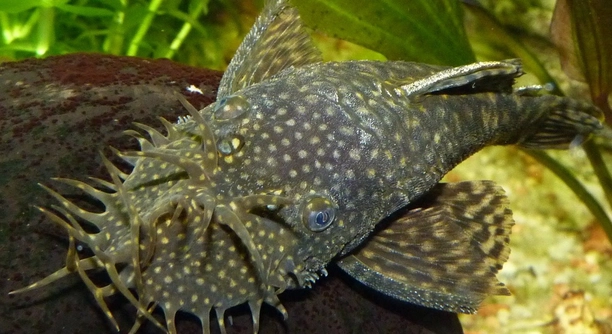
Plecos are a popular choice among aquarium enthusiasts, known for their peaceful nature and unique appearance. However, they sometimes experience conflicts with other tankmates. Understanding these issues can help create a harmonious aquarium environment.
Plecos can sometimes show aggression or territorial behavior when sharing a tank with certain fish, especially if the space is too small or resources are limited. This can lead to stress, injury, or even death in more extreme cases.
By understanding these common conflicts, you can make better decisions when choosing tankmates. This knowledge will help ensure a more peaceful and balanced environment for your pleco and other aquatic creatures.
Space Issues
When plecos are placed in small tanks with many other fish, they often become stressed due to a lack of space. These fish are naturally solitary creatures and need room to explore and set up territories. Without adequate space, plecos may display aggressive behavior towards other fish, especially if they feel crowded. The constant competition for space can lead to stress, reduced growth, and even injuries.
For plecos to thrive, it is recommended to keep them in tanks that are at least 30 gallons. The more space they have, the less likely they are to feel threatened and become territorial. Proper tank size is crucial in preventing unnecessary conflicts.
Along with a larger tank, it’s important to consider the type of fish you place with your pleco. Aggressive or fast-moving fish may cause plecos to hide or feel unsafe. Peaceful, slow-moving fish that do not compete for space are often the best companions. Providing a well-decorated tank with hiding spots also helps reduce tension.
Feeding Disputes
Feeding time can be a sensitive issue when keeping plecos with other fish. Plecos are bottom feeders, and they often rely on leftover food. If the tankmates are fast eaters or aggressive during feeding, plecos may struggle to find enough food.
Feeding separately or ensuring that there are enough food sources for everyone can help reduce feeding conflicts.
Territorial Behavior
Plecos are known to be territorial, especially when they feel their space is being invaded. They will often claim a specific area of the tank as their own, whether it’s a rock, driftwood, or plant. If another fish enters this area, the pleco may become defensive, displaying signs of aggression.
This behavior can lead to stress, with the pleco chasing or even biting the intruder. The more space you provide, the less likely territorial disputes will occur. A larger tank with plenty of hiding spots allows plecos to establish their territories without constantly interacting with other fish.
Additionally, it’s important to keep tankmates that aren’t too similar to plecos in behavior. Fish that also prefer the bottom of the tank or like to hide may end up in conflict. Avoid crowding the bottom with too many bottom-dwelling species to minimize stress.
Overcrowding
Overcrowding is a common issue in aquariums, and it can cause major problems for plecos. When there are too many fish in one tank, water quality can decline rapidly, leading to poor conditions for everyone. Plecos are particularly sensitive to poor water quality, and overcrowding can increase stress levels.
Maintaining proper filtration and water changes becomes much harder in an overcrowded tank. It’s also difficult for plecos to find their own space or food when there are too many other fish competing. The constant activity and lack of peace can negatively affect their health.
To prevent overcrowding, always follow the recommended stocking guidelines for your tank size. Leave enough room for plecos to roam freely and find food. By keeping the tank population under control, everyone, including your pleco, will have a better chance of thriving.
Aggressive Tankmates
Some fish are naturally aggressive and will try to bully plecos. Species like cichlids, large barbs, or aggressive catfish may harass plecos, especially if they’re feeling territorial or hungry. This kind of behavior can cause harm to the pleco, leading to stress or physical injuries.
It’s important to carefully choose tankmates that are peaceful and not overly territorial. Fast-moving or aggressive fish will create an environment where plecos feel threatened and may resort to hiding or becoming skittish. Pair plecos with species that are calm and share similar needs for water conditions and space.
Incompatible Water Conditions
Water quality plays a significant role in the health of your pleco and its tankmates. Plecos thrive in specific water conditions, including temperature, pH, and hardness. When tankmates have different needs, it can create stress, leading to conflicts or health problems.
Ensuring that all fish have similar water condition requirements will create a more balanced tank. This reduces the chance of plecos and other fish becoming stressed or ill due to unsuitable water conditions. Regular water testing and maintenance are essential for keeping your pleco and tankmates healthy.
FAQ
What are the best tankmates for plecos?
Plecos generally do well with peaceful, non-aggressive fish. Ideal tankmates include species like tetras, mollies, guppies, and peaceful species of catfish. Avoid aggressive or territorial fish, such as cichlids, large barbs, or fast-moving species that might intimidate or compete with your pleco for food and space.
How do I know if my pleco is stressed?
Signs of stress in plecos include hiding more often, decreased appetite, and changes in behavior like swimming erratically or rubbing against objects. A stressed pleco may also have a pale or darkened coloration. Check water parameters, tank size, and tankmate compatibility if you notice these signs.
Can plecos live with other bottom feeders?
Plecos can live with other bottom feeders, but it depends on the species. For instance, they may do fine with species like Corydoras catfish, which are peaceful and not territorial. However, avoid keeping plecos with other bottom-dwelling fish that are overly competitive for food and space, such as other plecos or aggressive species.
What should I feed plecos if I have other fish in the tank?
Plecos are bottom feeders and primarily eat algae, but they can also enjoy sinking pellets, vegetables like zucchini or cucumber, and occasionally protein sources like bloodworms. Ensure that other fish are not eating all the food before the pleco can get to it. If necessary, feed the pleco separately or provide food at different times.
How can I prevent my pleco from becoming territorial?
To minimize territorial behavior, ensure that the tank is large enough (30 gallons or more) and has plenty of hiding spots and decorations like rocks and driftwood. This gives plecos a place to retreat and reduces their need to defend a specific area. Choosing peaceful tankmates and keeping the tank well-maintained also helps reduce stress.
Do plecos get along with aggressive fish?
No, plecos generally do not get along with aggressive fish. Species like cichlids, aggressive catfish, or large barbs are likely to cause stress or harm to plecos. Aggressive fish may chase, nip, or harass plecos, especially if they feel threatened or compete for food. Choose calmer, non-territorial species as tankmates for plecos.
Can I keep multiple plecos together?
It is not recommended to keep multiple plecos in a small tank, as they are territorial creatures. In larger tanks with plenty of space, multiple plecos can coexist, but they may still display territorial behaviors. If you choose to keep more than one, ensure that the tank is large enough for each pleco to have its own space.
What are the best tank conditions for plecos?
Plecos prefer slightly acidic to neutral water with a pH range of 6.5 to 7.5. They also do well in temperatures between 74°F and 80°F (23°C to 27°C). The water should be well-filtered and regularly changed to keep ammonia and nitrate levels low. A gentle water flow and adequate hiding spots will also make the pleco feel safe and comfortable.
How do I manage pleco waste in a community tank?
Plecos produce a significant amount of waste, which can affect water quality. Regular water changes (about 25% per week) are important to maintain a healthy environment for all tankmates. You can also use a good filtration system and gravel vacuuming to remove waste, and ensure you’re not overfeeding, which can contribute to excess waste.
Why is my pleco not eating?
If your pleco is not eating, it could be due to stress, poor water quality, or an inadequate diet. Ensure that the water parameters are within the appropriate range and that the pleco has access to a variety of food, including algae, sinking pellets, and vegetables. Stress from tankmates or a lack of hiding spots can also cause a pleco to stop eating.
Can plecos live with shrimp?
Plecos can live with shrimp in certain conditions, but it depends on the species of both. Smaller shrimp, such as cherry shrimp, may be at risk of being eaten by larger plecos. However, peaceful plecos like bristlenose plecos are less likely to eat shrimp. Be sure to provide plenty of hiding spots for shrimp to escape from plecos if needed.
How do I introduce new fish to a pleco tank?
When introducing new fish to a pleco tank, do so gradually. Acclimate the new fish slowly to the tank’s water conditions and monitor for any signs of aggression or territorial behavior from the pleco. Make sure the tank has enough space and hiding spots for all the fish to reduce stress.
Do plecos need light?
While plecos do not require direct lighting, they do need a natural day-night cycle to regulate their biological rhythms. Provide gentle lighting during the day, but avoid excessive brightness, as this can cause stress. Plecos are nocturnal creatures, so they will be most active during the night and appreciate dim lighting or dark hiding spaces.
How do I maintain good water quality for my pleco?
Good water quality is essential for plecos. Use a reliable filtration system, perform weekly water changes of 25% or more, and test water parameters regularly. Maintain a temperature between 74°F and 80°F, and ensure the pH is slightly acidic to neutral. Good maintenance ensures a healthy environment for your pleco and reduces the risk of stress or illness.
Final Thoughts
Plecos can be wonderful additions to your aquarium when they are cared for properly. They are peaceful and helpful fish that help clean algae and keep the tank looking neat. However, like all fish, they can have conflicts with other tankmates if their needs aren’t met. Understanding the basic requirements of plecos and their behavior in a tank is essential to avoid stress or aggression from them. Knowing what types of fish are compatible with plecos, the right tank size, and the importance of water quality can make a big difference in creating a balanced environment.
It’s important to remember that plecos are territorial and may not always get along with other bottom-dwelling fish or aggressive species. Choosing peaceful tankmates that don’t compete for food or space is crucial. Also, providing enough hiding spots and decorations in the tank can help reduce any territorial disputes. By maintaining a proper tank size, you’ll give your pleco enough space to thrive and feel secure. Avoid overcrowding and ensure the water conditions are ideal for all tank inhabitants.
By keeping these factors in mind, you can prevent most common conflicts and ensure your pleco remains healthy and happy. Regular maintenance, such as cleaning the tank and monitoring water quality, is essential. Over time, with the right care, plecos will not only be beautiful additions to your aquarium, but they will also help maintain the ecosystem of your tank. As with any fish, patience and attention to their needs will go a long way in creating a peaceful and thriving aquarium.

Hello,
If you enjoy the content that we create, please consider saying a "Thank You!" by leaving a tip.
Every little bit helps us continue crafting quality advice that supports the health, happiness, and well-being of pets around the world, for pets of all shapes, sizes, and species.
We really appreciate the kindness and support that you show us!