
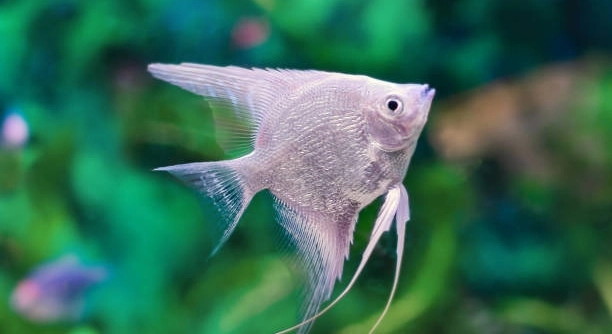
Angelfish are beautiful and delicate creatures, making them a popular choice for aquariums. However, keeping them healthy requires understanding the potential issues that can affect their well-being. Let’s explore common tank problems and their impact.
Several common tank issues can lead to health problems for angelfish, including poor water quality, improper tank mates, and inadequate tank size. These factors can cause stress, disease, or even death if not addressed properly.
By recognizing these common issues, you can prevent stress and health problems in your angelfish, ensuring they thrive in a healthy environment.
Poor Water Quality
Water quality is the number one factor that impacts angelfish health. Dirty or improperly maintained water can lead to a variety of issues like infections, poor growth, and stress. Angelfish are sensitive to ammonia, nitrites, and nitrates. If levels of these substances are too high, your angelfish can become sick and even die.
Regular water changes and proper filtration are essential to maintaining a clean tank. You’ll need to test the water frequently to check for dangerous chemicals. A good filtration system helps remove harmful substances, while water changes keep the environment fresh. Maintaining a stable temperature is also critical, as fluctuations can stress your fish.
Angelfish thrive in a well-balanced aquarium. If the water is too dirty or chemically unbalanced, they will struggle to stay healthy. Keeping the tank clean and monitoring water parameters regularly will ensure your fish remain in top condition and free from illness.
Incorrect Tank Size
A tank that is too small for angelfish will limit their growth and create a stressful environment. Angelfish are larger fish, and they need space to move around comfortably. A tank that’s too cramped will make them feel confined, increasing their stress levels.
When setting up a tank for angelfish, aim for at least 20 gallons for a pair of fish. This size allows for proper swimming space and helps keep water conditions stable. Angelfish are territorial, and overcrowding can lead to aggression and health problems. Providing a tank of adequate size is crucial for their well-being.
Fish need room to swim and explore. A larger tank allows for a more stable environment and reduces the likelihood of aggression or water quality issues. If you want your angelfish to thrive and live long, providing them with enough space is one of the most important steps you can take.
Incompatible Tank Mates
Not all fish get along with angelfish. If you add aggressive or overly active fish to their tank, they can stress out the angelfish or even harm them. Fish that are too small or too large can also cause issues.
Angelfish prefer calm, peaceful companions. Fish that are fast-moving or territorial may not mesh well with them. Avoid keeping angelfish with species that are known to be aggressive, like cichlids or fish that nip fins. Angelfish are also not ideal tank mates for small fish, as they may see them as prey.
To ensure a peaceful aquarium, choose tank mates that are compatible in temperament and size. Peaceful bottom dwellers, other non-aggressive cichlids, or larger tetras make good choices. By carefully selecting tank mates, you can help minimize stress and promote a healthy and harmonious aquarium for your angelfish.
Improper Diet
Feeding your angelfish the wrong food or overfeeding can lead to health problems. A poor diet affects their immune system and can cause digestive issues, leading to a shorter lifespan.
Angelfish require a balanced diet of both protein and plant-based foods. Flake food, pellets, and frozen or live foods like bloodworms or brine shrimp can provide the necessary nutrients. However, it’s important not to overfeed, as excess food can lead to poor water quality and obesity in fish. A varied diet helps your angelfish stay strong and healthy.
Be sure to feed them small amounts, once or twice a day, and remove any uneaten food after a few minutes. This helps maintain water quality and ensures that your angelfish get the right amount of nutrition without the risk of overfeeding. Proper feeding habits are key to keeping your fish in top shape.
Stressful Environment
Angelfish are sensitive to stress, and a chaotic tank can cause them to become ill. Sudden changes, overcrowding, or loud noises can all affect their well-being.
To reduce stress, ensure your tank is calm and quiet. Avoid placing the aquarium in high-traffic areas where loud noises or movements could startle the fish. Keep the tank well-maintained, and allow for peaceful interactions with other tank mates. Stress-free fish are more likely to thrive.
Poor Tank Maintenance
Failure to properly maintain the tank will lead to long-term health issues. Without regular cleaning, waste and algae build-up, negatively affecting water quality.
Routine maintenance like changing 20-30% of the water every two weeks and cleaning the filter is essential for angelfish health. Keep an eye on the tank’s temperature and pH levels as well. Poor maintenance creates a breeding ground for diseases that will put your fish at risk. Make tank upkeep a habit to ensure long-term success.
Inconsistent Temperature
Angelfish are tropical fish and thrive in stable, warm temperatures. Fluctuations in temperature can cause stress and weaken their immune systems.
Angelfish prefer water temperatures between 76°F and 80°F. Sudden drops or spikes in temperature can cause shock, leading to illness or even death. Ensure your aquarium heater is functioning properly and that the tank maintains a consistent temperature. Using a thermometer to monitor the water can help keep conditions steady, promoting a healthier environment for your fish.
FAQ
What is the ideal water temperature for angelfish?
Angelfish prefer water temperatures between 76°F and 80°F (24°C to 27°C). Keeping the water in this range helps ensure their comfort and overall health. If the temperature is too low or fluctuates too much, they can become stressed or more susceptible to diseases. Using an aquarium heater with a thermometer can help maintain a stable environment for your angelfish.
How often should I feed my angelfish?
You should feed your angelfish once or twice a day, offering only as much food as they can consume in a few minutes. Overfeeding can lead to water quality problems and obesity. A varied diet that includes flake food, pellets, and occasional live or frozen foods will keep your angelfish healthy. Remove any uneaten food after each feeding to prevent it from decomposing in the tank.
Can angelfish live with other fish?
Yes, angelfish can live with other fish, but you must choose tank mates carefully. They are generally peaceful but can become territorial, especially during breeding. Avoid aggressive fish and species that are too small or large. Good tank mates include peaceful cichlids, large tetras, or bottom dwellers like catfish. Always research compatibility before adding new fish to your tank.
How can I tell if my angelfish is sick?
Signs of illness in angelfish can include changes in behavior (such as lethargy or hiding), loss of appetite, faded or clamped fins, abnormal swimming patterns, or visible lesions or discoloration on their body. If you notice any of these signs, isolate the sick fish if possible, test the water quality, and consult with an aquarium vet for treatment options.
What is the best tank size for angelfish?
For a pair of angelfish, the minimum tank size should be 20 gallons. Angelfish are relatively large and need space to swim and establish territory. If you keep more than one pair or have additional tank mates, you’ll need a larger tank, such as a 30-gallon or bigger. Providing ample space ensures better water quality and reduces stress.
How do I prevent fin rot in angelfish?
Fin rot is usually caused by poor water quality or bacterial infections. To prevent it, maintain good tank hygiene with regular water changes, proper filtration, and by avoiding overfeeding. If your angelfish shows signs of fin rot, such as frayed or discolored fins, consider treating the tank with antibiotics and improving water conditions immediately.
How can I reduce aggression in my angelfish?
Aggression in angelfish often stems from overcrowding, territorial disputes, or environmental stress. To reduce aggression, provide ample hiding spots, and ensure that each fish has enough space to claim its territory. Avoid keeping fish that are too similar in size or shape, as this can lead to competition. Also, ensure the tank is large enough to avoid crowding.
What water conditions are best for angelfish?
Angelfish thrive in slightly acidic to neutral water with a pH level between 6.5 and 7.5. They also prefer soft to moderately hard water. Regularly test your water parameters and adjust as needed using water conditioners or pH buffers. Consistent water conditions help prevent stress and health issues for your angelfish.
How do I breed angelfish?
Breeding angelfish requires a separate breeding tank, ideally a 10- to 20-gallon tank, with clean, soft water and a stable temperature of around 80°F. The pair will need a flat surface, such as a leaf or rock, to lay their eggs on. Once the eggs are fertilized, the parents will guard them until they hatch. After hatching, the fry should be fed small, nutritious foods like infusoria or newly hatched brine shrimp.
Why are my angelfish hiding all the time?
Angelfish might hide due to stress, poor water quality, or illness. If they are constantly hiding, first check the water quality and ensure it’s within the optimal range for temperature, pH, and hardness. You should also ensure that the tank is not too crowded or filled with aggressive fish. If hiding persists, look for signs of disease.
Can I keep angelfish with plants?
Yes, angelfish can live with plants. In fact, plants provide a natural and peaceful environment, offering hiding spots and reducing stress. However, keep in mind that angelfish may nibble on soft-leaved plants. Choose sturdy plants like Amazon swords or Java ferns that are less likely to be damaged by the fish.
How do I know if my angelfish is healthy?
Healthy angelfish have bright, vibrant colors, and their fins should be fully extended and not clamped against their bodies. They swim gracefully and are active during the day. If your angelfish are eating well, not showing signs of disease, and behaving normally, they are likely in good health.
What is the life expectancy of angelfish?
Angelfish typically live for 10 years or more in a well-maintained tank. However, their lifespan can be shorter if water conditions are poor, they’re subjected to stress, or if they have diseases. Providing the right environment, a balanced diet, and proper tank mates will help ensure a long life for your angelfish.
Can angelfish survive without a filter?
While angelfish can technically survive without a filter, it is highly discouraged. A filter helps maintain clean water, removes toxins, and ensures good water circulation. Without a filter, the water quality can degrade quickly, leading to health problems. If you must keep angelfish without a filter, you will need to change the water more frequently.
How do I treat white spots on my angelfish?
White spots on angelfish are often a sign of ich, a common parasitic infection. If you see small white spots on the body or fins, raise the temperature of the tank slightly and treat with an ich treatment available at pet stores. You should also ensure the tank is properly filtered and clean.
Why are my angelfish not breeding?
Angelfish might not breed due to stress, incorrect water conditions, or poor diet. Ensure the water temperature is around 80°F, and that the pH is slightly acidic or neutral. A balanced diet, including live or frozen foods, can also encourage breeding. Make sure the tank is peaceful and the fish feel secure in their environment.
Final Thoughts
Angelfish are beautiful and rewarding fish to keep, but they require specific care to thrive in your aquarium. From maintaining the right water quality to selecting compatible tank mates, there are a few key factors to consider. Ensuring a clean, spacious environment and monitoring their health regularly will help prevent common issues. If you pay attention to these details, your angelfish can live a long and healthy life.
While these fish are generally peaceful, they do need a stable and calm environment. Stress can lead to health problems, so it’s important to avoid overcrowding and ensure their tank mates are compatible. Regular water changes and good filtration systems are essential to keeping the tank clean and free of harmful chemicals. A stable water temperature, along with proper feeding and tank maintenance, will go a long way in keeping your angelfish happy.
If you’re new to keeping angelfish, take the time to learn about their needs and watch for any signs of stress or illness. Prevention is always better than dealing with a problem later. By keeping your tank clean, feeding them the right diet, and providing them with the proper care, your angelfish can enjoy a healthy and stress-free life.

Hello,
If you enjoy the content that we create, please consider saying a "Thank You!" by leaving a tip.
Every little bit helps us continue crafting quality advice that supports the health, happiness, and well-being of pets around the world, for pets of all shapes, sizes, and species.
We really appreciate the kindness and support that you show us!