
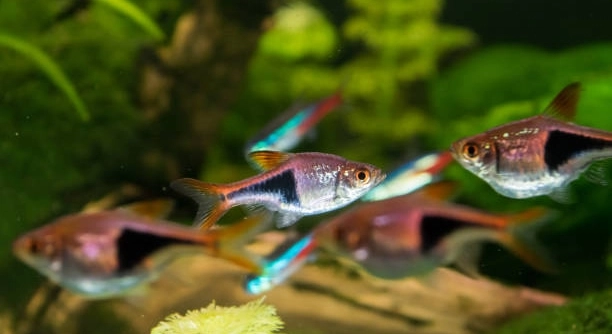
Are your aquarium fish acting skittish or hiding more than usual? Many aquarists face challenges with tank harmony when certain species create unexpected tension. Stress in fish is more common than many realize, impacting their overall health and behavior.
Certain tank mates are known to cause stress due to aggressive behavior, territorial disputes, or incompatible social structures. Identifying these species allows aquarists to prevent conflicts and maintain a stable, healthy aquatic environment for all inhabitants.
Understanding which fish trigger stress is essential for a peaceful tank. Recognizing these common stressors can help improve your aquarium’s balance and overall well-being.
Aggressive Tank Mates
Aggressive fish can create constant tension in your aquarium. Species such as cichlids, bettas, and certain barbs are known for their territorial instincts. Even in larger tanks, these fish may chase, nip, or corner more passive species. Over time, the stress caused by persistent aggression can weaken immune systems, reduce appetite, and lead to injuries. It is important to observe interactions closely and separate aggressive individuals if signs of stress appear. Providing hiding spots, visual barriers, and sufficient space can help minimize conflicts. Some aggressive fish may tolerate specific companions if the tank is carefully planned, but risks remain high.
Aggressive behavior often appears as chasing, nipping, or prolonged displays of dominance.
Keeping aggressive species together requires careful planning. Ensure tank size is adequate, add shelters, and monitor fish daily. Introducing more passive fish can increase tension, so compatibility should always be prioritized. Aggression is not just about size; temperament plays a key role. Removing or isolating overly aggressive fish is sometimes the only solution to maintain peace.
Fin Nippers
Fin nippers are notorious for causing ongoing stress among tank mates. They often target fish with long or flowing fins, leaving them frayed or damaged. Even minor fin damage can open the door to infections and bacterial issues. Common fin nippers include tiger barbs, serpae tetras, and some danios. Their behavior may appear playful, but repeated nipping triggers fear and anxiety in more passive fish. Long-finned species like guppies, angelfish, and bettas are particularly vulnerable. Proper tank planning involves either avoiding these nipping species or pairing them only with fast, robust fish. Observation is key; early signs of stress, such as hiding or clamped fins, indicate a need to intervene. Behavioral enrichment, like floating plants and varied terrain, can sometimes reduce nipping incidents.
Fin nipping can be subtle at first but escalates quickly.
Managing fin nippers involves strategic pairing and environmental adjustments. Fast-moving or sturdy fish cope better, while timid species suffer. Avoid overstocking, as crowding intensifies nipping behavior. Rearranging tank decorations periodically can reduce territorial marking and redirect attention. Regularly trimming long fins, though less ideal, may also prevent constant damage. Fish showing repeated injury may need relocation to a separate tank to preserve health. Creating an environment that reduces stress for all species ensures a balanced and safer aquarium ecosystem. Consistent monitoring and timely action are essential for preventing long-term harm caused by fin nipping behavior.
Overcrowded Tanks
Overcrowding increases stress among all fish. Limited space causes constant competition for territory, hiding spots, and food, leaving less dominant species anxious and fatigued.
Excessive population density in an aquarium disrupts normal behavior patterns. Fish are forced to swim in restricted areas, often bumping into one another or being chased. This environment heightens aggression and prevents proper rest. Overcrowding also strains filtration systems, causing water quality to decline rapidly. Ammonia, nitrite, and nitrate levels rise, further stressing the fish. Frequent water changes help, but reducing numbers or upgrading tank size is more effective for long-term stability. Each species has specific space requirements that must be respected.
Overcrowding affects breeding, feeding, and social interactions. Fish may refuse food or become lethargic due to stress. Disease spreads faster when individuals are too close together. Introducing plants and decorations can provide temporary relief, but proper stocking remains crucial. Monitoring behavior and water quality helps prevent serious health issues. Planning ahead and maintaining realistic stocking levels ensures that fish coexist peacefully and thrive. A balanced approach protects both the fish and the tank’s environment.
Incompatible Water Conditions
Different species require varying temperature, pH, and hardness levels. Mismatched water parameters create constant stress and weaken immunity, making fish prone to illness.
Keeping species with conflicting needs in the same tank can lead to chronic stress. For example, tropical fish that need warmer water may suffer if paired with species preferring cooler temperatures. Similarly, fish adapted to soft water may experience stress in hard water conditions. pH swings can trigger erratic behavior, reduce appetite, and interfere with normal metabolic functions. Maintaining water parameters suitable for all tank inhabitants is essential. Frequent testing and careful adjustment can prevent stress-related health problems.
Incompatible water conditions often manifest as color fading, clamped fins, or sluggish swimming. Fish may avoid areas that do not meet their preferred conditions, limiting activity and increasing vulnerability. Proper filtration, temperature control, and water chemistry monitoring are critical. For mixed-species tanks, choosing species with overlapping requirements reduces stress and promotes health. Consistent observation allows for timely intervention if any fish show signs of discomfort. Meeting basic environmental needs ensures that all fish thrive together.
Fast Swimmers
Fast-moving fish can overwhelm slower tank mates, causing constant stress and fatigue. Their speed and activity often intimidate timid species, leaving them hiding or avoiding food.
Fast swimmers chase or outcompete slower fish during feeding and exploration. Over time, this can lead to reduced growth, weakened immunity, and higher susceptibility to disease.
Nocturnal vs. Diurnal Species
Mixing night-active and day-active fish creates stress for both. Nocturnal species may be disturbed by bright lighting, while diurnal fish face interference during feeding times. Stress accumulates as each group’s natural routine is disrupted, affecting sleep, behavior, and overall health.
Large Predatory Fish
Large predators in community tanks pose a constant threat to smaller fish. Their presence triggers fear, hiding, and erratic swimming, which can lead to chronic stress and injuries, even if they do not actively hunt.
Territorial Fish
Territorial species guard specific areas aggressively. Conflicts arise when multiple fish attempt to claim the same space, increasing stress and reducing access to food and hiding spots for less dominant individuals.
What are the most common signs of stress in fish?
Stress in fish often shows through behavior and appearance. Fish may hide more than usual, swim erratically, or cling to the bottom of the tank. Clamped fins, faded colors, rapid gill movement, and loss of appetite are also common indicators. Early recognition of stress allows for timely interventions that can prevent illness or injuries.
How can I reduce aggression in a mixed-species tank?
Aggression can be minimized by careful species selection, ensuring sufficient space, and providing visual barriers or hiding spots. Overcrowding intensifies conflicts, so maintaining proper stocking levels is crucial. Rearranging decorations periodically can disrupt established territories and reduce tension among dominant individuals. Observation is important; separating persistently aggressive fish may be necessary to maintain harmony.
Are certain fish naturally more stressful to keep together?
Yes, some species are inherently aggressive, territorial, or fast-moving. Cichlids, tiger barbs, and large predatory fish often create stress for more passive tank mates. Fin nippers like serpae tetras target long-finned species, causing ongoing anxiety. Matching species with compatible temperaments and environmental needs is essential for a peaceful tank.
How do water conditions affect fish stress?
Fish experience stress when temperature, pH, or water hardness does not match their natural requirements. Incompatible conditions weaken immunity and increase susceptibility to disease. Maintaining stable water parameters through regular testing, proper filtration, and careful adjustments is essential for reducing stress. Sudden changes in water chemistry can cause immediate distress and erratic behavior.
Can overcrowding cause long-term health problems for fish?
Overcrowding increases competition for food, space, and oxygen. Chronic stress from limited space weakens immune systems and can lead to stunted growth or disease outbreaks. Frequent water changes help, but proper tank sizing and realistic stocking levels are the most effective measures for preventing long-term negative effects on health.
Do fast swimmers always cause stress for slower species?
Fast-moving fish can intimidate or exhaust slower species during feeding and general tank activity. While some passive fish adapt over time, others may suffer from reduced food intake, constant hiding, or higher susceptibility to illness. Planning tank composition to match swimming speed and activity levels helps reduce ongoing stress.
How do territorial fish affect their tank mates?
Territorial species guard specific areas aggressively, often chasing or nipping intruders. Less dominant fish may have limited access to hiding spots and feeding zones, increasing anxiety and reducing overall health. Providing multiple shelters, visual barriers, and sufficient space can help minimize conflicts and allow all species to coexist more comfortably.
What steps can I take if my fish are stressed?
First, identify the cause—aggression, overcrowding, incompatible water, or environmental stressors. Correcting water parameters, separating aggressive or incompatible species, and adding hiding spots often alleviates stress. Maintaining proper feeding schedules, adequate space, and stable lighting cycles also supports recovery. Monitoring behavior closely ensures timely intervention before conditions worsen.
Can tank decorations reduce stress?
Yes, plants, caves, and rocks create hiding places and visual barriers that reduce aggression and provide comfort. Rearranging these decorations periodically can also disrupt territorial patterns and redirect attention, lowering overall stress. Properly placed shelters allow timid species to feel secure while maintaining visibility for monitoring health and behavior.
Is it possible to have a stress-free community tank?
While no tank is entirely free of stress, careful planning greatly reduces risks. Matching species by temperament, activity levels, and water requirements, combined with sufficient space and environmental enrichment, helps create a balanced and peaceful aquarium. Continuous observation and timely adjustments are key to maintaining harmony and fish health.
How often should I monitor my fish for stress?
Daily observation is ideal. Watch for changes in swimming patterns, feeding behavior, and coloration. Early detection of stress allows for quicker interventions, preventing minor issues from becoming serious health problems. Logging observations can help track patterns and identify recurring triggers over time.
Are certain combinations of fish more likely to cause stress?
Yes, pairing large predators with small or slow species, mixing aggressive with passive fish, or combining nocturnal and diurnal species often leads to ongoing stress. Compatibility should be assessed not only by size but by temperament, activity levels, and environmental preferences. Careful planning prevents repeated conflicts and promotes stability.
Keeping a balanced aquarium requires attention to both the fish and their environment. Stress in tank mates is one of the most common issues that affect fish health and behavior. Even minor tension in a community tank can lead to long-term problems if not addressed. Fish show stress in different ways, from hiding and clamped fins to reduced appetite and unusual swimming patterns. Recognizing these signs early allows aquarists to take steps that improve overall well-being. Simple changes, such as adjusting tank layout, providing hiding spots, or separating aggressive species, can make a significant difference. Maintaining water quality is also critical, as improper parameters can quickly exacerbate stress. Regular testing for pH, temperature, and hardness ensures that the water meets the needs of all species present. By monitoring both behavior and environment, you can prevent many common issues before they become serious problems.
Overcrowding, aggression, and incompatible species are among the most frequent causes of stress. Large predatory fish, fast swimmers, fin nippers, and territorial species all have the potential to disrupt tank harmony. Each type of fish has specific requirements, including space, water parameters, and social conditions. Understanding these needs helps in planning a tank that supports a peaceful and healthy community. Adjusting tank size, rearranging decorations, and providing shelters can reduce stress among more passive fish. In some cases, removing or isolating problematic species may be the best solution. Environmental enrichment, like plants and hiding spots, can provide comfort and allow fish to feel secure. Careful planning and observation make it possible to maintain a tank where all species can coexist without chronic stress. The goal is not to eliminate all interaction but to ensure it does not become harmful or excessive.
Preventing stress also involves consistent care and attention. Feeding routines, water changes, and monitoring behavior all contribute to a stable environment. Stress weakens immunity, making fish more prone to disease, so proactive measures are essential. Even compatible species can experience stress if conditions fluctuate or space is limited. Observing daily interactions and taking corrective action when needed helps maintain long-term health. A well-planned aquarium supports natural behaviors, encourages healthy growth, and reduces conflict among tank mates. Ultimately, understanding the factors that cause stress allows aquarists to create a safer, calmer environment where fish can thrive. Regular observation, thoughtful tank management, and awareness of each species’ needs form the foundation of a successful, balanced aquarium.

Hello,
If you enjoy the content that we create, please consider saying a "Thank You!" by leaving a tip.
Every little bit helps us continue crafting quality advice that supports the health, happiness, and well-being of pets around the world, for pets of all shapes, sizes, and species.
We really appreciate the kindness and support that you show us!