
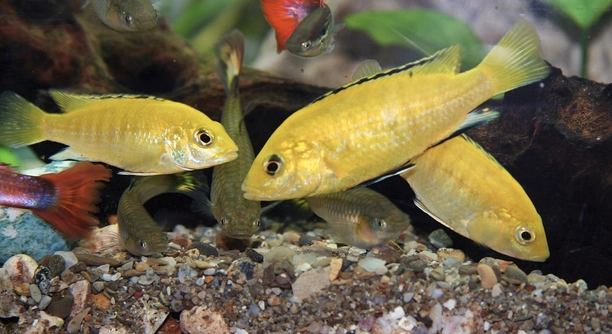
Cichlids are popular fish known for their bright colors and active behavior. Many fishkeepers enjoy keeping them in home aquariums. However, some common tank items can cause stress or discomfort to these sensitive fish.
Certain decorations, water treatments, and tank materials can upset cichlids by affecting water quality, restricting their natural behaviors, or causing physical harm. Identifying and avoiding these items is important for maintaining a healthy environment for cichlids.
Learning about these common tank items will help you create a more comfortable space for your cichlids and improve their well-being in your aquarium.
Sharp or Rough Decorations
Many tank owners like to add decorations to make the aquarium look lively. However, sharp or rough decorations can hurt cichlids. These fish often explore their environment by rubbing against surfaces. If the decoration has sharp edges or rough spots, it can cause cuts or stress. Injuries can lead to infections or make cichlids hide more. It is best to choose smooth decorations made specifically for aquariums. Natural rocks that are rounded or polished are safer. Avoid cheap plastic decorations that can break or have rough textures. Keeping the tank free from sharp objects helps cichlids stay healthy and active. Remember, a simple change in decoration can make a big difference in your fish’s comfort. If you notice your cichlids hiding more or having wounds, check the tank items first.
Choosing smooth decorations helps prevent injury and keeps the fish more relaxed.
Providing a safe environment includes smooth stones, driftwood, or plants without rough surfaces. Avoid decorations with paint that can chip, as this may pollute the water. Over time, rough decorations may also trap dirt and make cleaning harder. Smooth items make maintenance easier and reduce the risk of harm. Additionally, smooth surfaces encourage natural behaviors, like swimming and digging. When setting up your tank, spend time checking every item carefully. Your cichlids will thank you by staying healthy and showing their bright colors more often.
Using Improper Water Treatments
Water treatments are common in fish tanks, but not all are suitable for cichlids. Some chemicals can upset their delicate balance and cause stress or illness. Using treatments meant for other fish types without checking can harm cichlids. For example, medications or conditioners with copper or strong additives may be toxic. Always read product labels and pick treatments safe for cichlids. If unsure, consult aquarium experts or trusted sources before adding anything to the tank.
Certain water treatments contain chemicals harmful to cichlids and should be avoided or used cautiously.
Cichlids prefer stable water conditions with balanced pH and hardness. Some treatments change these levels quickly, stressing the fish. Sudden changes can reduce their immune response, making them prone to disease. It’s important to introduce any new treatment slowly and monitor the fish for any signs of distress. Also, avoid overusing treatments, as this can build up harmful substances in the tank. Using natural remedies like adding Indian almond leaves can help reduce stress and improve water quality. Maintaining good filtration and regular water changes is often better than relying heavily on chemicals. A well-planned approach to water care keeps your cichlids thriving and your aquarium stable.
Overstocking the Tank
Too many fish in one tank causes stress for cichlids. Overcrowding reduces swimming space and increases waste, harming water quality.
When tanks are overstocked, cichlids compete for territory and food. This leads to aggression and constant stress, weakening their immune systems. Poor water quality from excess waste causes ammonia and nitrate buildup, which can be toxic. Frequent water changes become necessary but may not fully fix the problem. Overstocked tanks often result in poor growth and disease outbreaks. Maintaining proper fish numbers allows cichlids to behave naturally, stay healthy, and avoid stress-related problems.
Proper stocking helps keep water conditions stable and fish behavior balanced. Giving cichlids enough room reduces fights and lets them thrive in a calm environment.
Using Non-Cichlid Safe Substrate
Some substrates are harmful to cichlids because they affect water chemistry or have sharp particles. Avoid gravel or sand not designed for these fish.
Non-cichlid safe substrates can change the pH or hardness of the water, stressing sensitive cichlids. Sharp or rough substrates may injure their delicate fins or mouths when digging or sifting. Some types release toxins or heavy metals into the tank, which is dangerous over time. Using substrates made for cichlids helps keep water stable and safe. Smooth, natural sand or rounded gravel is best. When choosing substrate, consider your cichlid species and their natural environment to mimic their preferred conditions.
Correct substrate choice supports natural behaviors like digging and breeding. It also protects your cichlids from injury and unwanted water changes.
Plastic Plants
Plastic plants are common but can harm cichlids if they have rough edges. These edges may cause cuts or irritation to the fish’s skin and fins.
Over time, plastic plants can also leach chemicals into the water, affecting water quality. Natural plants are safer and provide hiding spots without risk of injury.
Strong Lighting
Strong lighting can stress cichlids, especially species that prefer dimmer environments. Bright lights may cause them to hide or become less active.
Choosing adjustable lighting or adding shaded areas helps reduce stress. Proper lighting supports natural behavior and comfort for your fish.
Loud Noises Near the Tank
Loud noises or constant vibrations near the aquarium can upset cichlids. These fish are sensitive to sound and may become stressed or hide more.
Keeping the tank in a quiet area reduces disturbances. A calm environment promotes better health and natural behavior in cichlids.
FAQ
What are the safest decorations for cichlid tanks?
Smooth, natural decorations like polished stones, driftwood, and live plants are safest. Avoid decorations with sharp edges or rough surfaces. These smooth items prevent injuries and help maintain good water quality. Decorations made specifically for aquariums usually follow these safety guidelines, making them a reliable choice.
How can I tell if a water treatment is safe for cichlids?
Check the product label for information about compatibility with cichlids. Avoid treatments containing copper or strong chemicals that can harm sensitive fish. If the label is unclear, seek advice from aquarium specialists or trusted online sources. Using mild, natural conditioners and treatments is generally safer.
Why is overstocking bad for cichlids?
Overstocking reduces swimming space and increases waste levels, leading to poor water quality. This causes stress and aggression among fish, weakening their immune systems. Overstocked tanks require more frequent maintenance but still struggle to keep fish healthy. Proper stocking density helps cichlids behave naturally and stay disease-free.
Can plastic plants harm my cichlids?
Yes, plastic plants with rough edges can cause cuts or irritation. Over time, some plastics may leach chemicals into the water, affecting fish health. Natural plants are a better alternative, offering safe hiding places without risk of injury.
How important is substrate choice for cichlids?
Substrate impacts water chemistry and fish behavior. Some substrates alter pH or hardness, stressing cichlids. Sharp substrates may injure fish when digging. Choosing smooth sand or rounded gravel designed for cichlids helps maintain a stable environment and supports natural behaviors like digging and breeding.
What lighting is best for cichlid tanks?
Moderate or adjustable lighting is best. Strong lights can stress cichlids, especially those preferring dim environments. Providing shaded areas or floating plants helps reduce light intensity. Proper lighting encourages natural activity and reduces hiding.
Can noise affect my cichlids?
Yes, loud noises or vibrations can stress cichlids, causing them to hide or act nervously. Keeping the aquarium in a quiet spot away from heavy foot traffic, loud speakers, or household appliances helps maintain a calm environment. Stress-free fish are healthier and more vibrant.
How often should I clean my cichlid tank?
Regular cleaning is essential but avoid over-cleaning. Partial water changes of about 20-30% weekly help maintain good water quality without stressing fish. Clean decorations and substrate gently to preserve beneficial bacteria. Over-cleaning can remove helpful bacteria and cause water parameter swings.
What signs show my cichlids are stressed?
Look for hiding, loss of appetite, faded colors, or unusual swimming patterns. Stress can also cause fin damage or increased aggression. If these signs appear, check tank conditions, decorations, water treatments, and stocking levels. Fixing these issues early helps prevent illness.
Are there natural ways to reduce stress in cichlids?
Yes, adding Indian almond leaves or using natural water conditioners can reduce stress. Providing plenty of hiding spots with plants or caves helps fish feel secure. Maintaining stable water parameters and avoiding sudden changes also supports calm, healthy cichlids.
Caring for cichlids requires attention to many details in their tank environment. Choosing the right decorations, substrate, and water treatments can make a big difference in how comfortable these fish feel. Rough or sharp items, harmful chemicals, and poor tank setups often cause stress or injury. By understanding which common items upset cichlids, you can avoid problems before they start. Creating a safe and calm space helps your fish stay healthy and show their natural colors and behaviors. Small changes in the tank can lead to happier, longer-living cichlids.
It is also important to consider tank stocking levels and the general environment around the aquarium. Overcrowding fish causes stress, aggression, and poor water quality, which harms their well-being. Cichlids need enough room to swim and establish territory. Noise and strong lighting can also upset them, so placing the tank in a quiet, shaded area is best. Maintaining stable water parameters and using products designed for cichlids protects them from sudden changes that cause discomfort or illness. Paying attention to these factors shows care and improves the overall success of keeping cichlids.
Finally, regular observation and maintenance are key to a healthy tank. Watching for signs of stress or injury can help catch problems early. Simple steps like using smooth decorations, safe substrates, and gentle water treatments make a difference. Avoiding plastic plants or rough items, keeping fish numbers appropriate, and reducing loud noises all contribute to a balanced environment. The more you learn about cichlids’ needs, the better you can support their health and happiness. Thoughtful care results in a beautiful aquarium where cichlids thrive and bring enjoyment over time.

Hello,
If you enjoy the content that we create, please consider saying a "Thank You!" by leaving a tip.
Every little bit helps us continue crafting quality advice that supports the health, happiness, and well-being of pets around the world, for pets of all shapes, sizes, and species.
We really appreciate the kindness and support that you show us!